











لماذا يُعدّ أي اتفاق مع إيران خطأً؟
خالد أبو طعمة/معهد غايتستون/28 أيار/ 2026
(ترجمة من الإنكليزية بواسطة مواقع ترجمة ألكترونية)
Why Any Deal with Iran Is a Mistake
Khaled Abu Toameh/Gatestone Institute/May 28, 2026
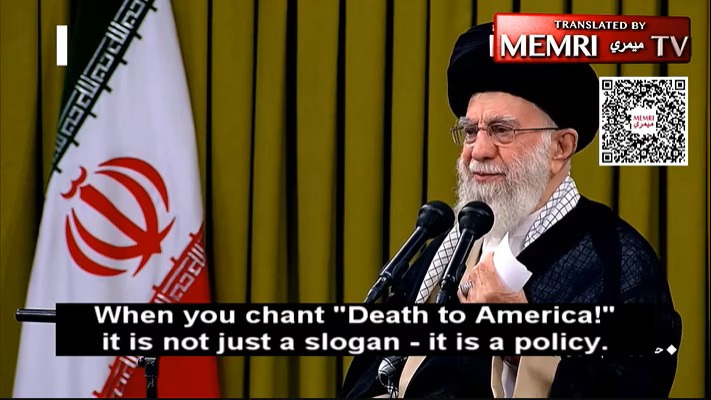
There can be no “good” deal with a jihadist regime that openly sponsors terrorism across the Middle East, brutalizes its own people, calls for the destruction of Israel, and continues to chant “Death to America.”
Tehran sees diplomacy as a tactical weapon: a means to buy time, get intrusive foreign governments off their back, weaken international opposition, divide Western allies, and secure economic relief — all while continuing its long-term strategic objectives as fast as the circumstances after President Donald J. Trump’s term in office will allow.
Even if any new agreement does not contain sunset clauses allowing the Iranian regime eventually to resume advanced uranium enrichment activities legally after restrictions expire, the Iranian regime will view a “deal” as a green light quietly to continue rebuilding its nuclear weapons program. Such provisions do not eliminate the nuclear threat; they postpone them.
Already, Iran has reportedly already restarted much of its ballistic missile production and “could restore significant portions of its offensive drone capabilities within months.”
Significantly, the response from the Arab and Muslim world to Trump’s latest demand [to join the Abraham Accords] has been largely unenthusiastic. Saudi Arabia and Qatar have shown no public eagerness to comply, while Pakistan flatly rejected the idea. This silence and rejection underscore a larger reality: meaningful peace agreements cannot be manufactured for public relations purposes or used to obscure strategic failures elsewhere.
Worse, many of the supposedly neutral Middle Eastern countries “facilitating” the deal — Pakistan, Turkey, Saudi Arabia and Qatar — have well-worn records of not being even slightly neutral.
Expanding peace agreements between Israel and Arab and Muslim countries is unquestionably a positive goal. Peace and normalization are in the interests of Arabs and Muslims no less than Israelis. The Abraham Accords demonstrated that cooperation with Israel promotes regional stability, security, economic growth, and technological advancement. Genuine peace, however, may not be able to be imposed through pressure or threats. Peace made at gunpoint rarely lasts. Arabs and Muslims might choose peace with Israel because they recognize that coexistence and regional cooperation serve their own national interests, not because they are being publicly pressured by the US president.
[B]y linking the Abraham Accords to the conflict with Iran, Trump risks creating the impression that normalization is being used to compensate for the failure to topple the Iranian regime or halt its nuclear ambitions. It almost appears as if the Trump administration understands that any forthcoming agreement with Tehran will be viewed by many in the Middle East as a weak and dangerous concession, and is therefore searching for a diplomatic achievement elsewhere to offset criticism.
Unfortunately, the Iranian regime, although its top layers of leadership have been eliminated, has not changed. The “terrorists with an oil field” will emerge from a future agreement economically stronger, politically legitimized, and closer than ever to an eventual nuclear breakout capability.
Any agreement that leaves intact the current Iranian regime — one that has repeatedly called for Israel’s destruction and repeatedly violates its own signed commitments, such as the Nuclear Non-Proliferation Treaty — cannot be trusted.
The only realistic strategy is one based on sustained maximum pressure — including kinetic action if necessary — diplomatic isolation, economic sanctions, and decisive measures aimed at dismantling Iran’s nuclear and ballistic programs permanently. Anything less will simply postpone the next crisis while making the Iranian regime richer, stronger, and more dangerous.
There can be no “good” deal with a jihadist regime that openly sponsors terrorism across the Middle East, brutalizes its own people, calls for the destruction of Israel, and continues to chant “Death to America.”
Once again, the US appears prepared to negotiate another agreement with Iran in the hope of limiting Tehran’s nuclear ambitions and reducing tensions in the Middle East. The negotiations are a dangerous illusion, based on the false assumption that compromise, sanctions relief, and engagement are the only path to regional stability.
There can be no “good” deal with a jihadist regime that openly sponsors terrorism across the Middle East, brutalizes its own people, calls for the destruction of Israel, and continues to chant “Death to America.”
U.S. Interior Secretary Doug Burgum this week called Iran’s current Islamic Revolutionary Guard Corps (IRGC) leaders “terrorists with an oil field.”
An agreement will not moderate them. It will embolden them.
The Iranian regime and its terror proxies – Hezbollah, Hamas, Palestinian Islamic Jihad, and the Houthis in Yemen – will interpret any deal as a victory over the US and the West. They will see it as proof that terrorism, missile attacks, hostage-taking, nuclear blackmail, and claiming control of the Strait of Hormuz forced Western powers into concessions.
This is exactly what happened when the Obama administration signed the 2015 “nuclear deal,” the Joint Comprehensive Plan of Action (JCPOA). The deal provided Tehran with sanctions relief and access to billions of dollars while merely delaying — not totally dismantling — its nuclear and ballistic missile programs.
The Iranian regime never changed its behavior. There was never any need to. Instead, the regime expanded its ballistic missile program, increased support for terrorist organizations, intensified regional aggression, and steadily advanced its nuclear capabilities. Iran’s mullahs repeatedly violated restrictions while exploiting loopholes and enforcement mechanisms that were pitifully weak.
Why should anyone believe that this time will be different?
The Iranian regime does not view negotiations the way Western democracies do. Tehran sees diplomacy as a tactical weapon: a means to buy time, get intrusive foreign governments off their back, weaken international opposition, divide Western allies, and secure economic relief — all while continuing its long-term strategic objectives as fast as the circumstances after President Donald J. Trump’s term in office will allow.
For the Islamist rulers in Tehran, hostility toward the US and Israel is not rhetoric. It is a core pillar of the regime’s ideology and identity — its entire reason for being.
Any agrement that eases sanctions will inject billions of dollars into Iran’s economy. That money will not improve the lives of ordinary Iranians suffering under corruption, repression, and economic mismanagement. It will only strengthen the IRGC, finance terrorism, and fuel new wars across the Middle East.
The Iranian regime continues supplying its proxies with weapons and political backing. More money for Tehran means more drones and rockets for Hezbollah in Lebanon, more weapons and training for Hamas, and more drones and ballistic missiles for the Houthis in Yemen.
The Houthis have already demonstrated their ability to threaten vital international shipping lanes in the Red Sea and Gulf of Aden, with repeated attacks on commercial vessels and disruptions to global maritime trade.
Any agreement that enriches the Iranian regime will jeopardize global energy security by leaving critical oil chokepoints vulnerable to state-sponsored sabotage wherever countries will end freedom of navigation. Endless negotiations with the Iranian regime — particularly until the US midterm elections in November to make sure that oil prices stay high and voters stay “madder” — consume enormous American diplomatic energy and strategic attention that are urgently needed elsewhere. Washington risks becoming trapped once again in a cycle of talks, temporary understandings, violations, and renewed crises with a regime that has consistently acted in bad faith.
Even if any new agreement does not contain sunset clauses allowing the Iranian regime eventually to resume advanced uranium enrichment activities legally after restrictions expire, the Iranian regime will view a “deal” as a green light quietly to continue rebuilding its nuclear weapons program. Such provisions do not eliminate the nuclear threat; they postpone them.
Already, Iran has reportedly already restarted much of its ballistic missile production and “could restore significant portions of its offensive drone capabilities within months.”
Every concession made to Tehran weakens America’s credibility and emboldens those seeking to undermine Western interests.
Against this backdrop, Trump’s demand that Arab and Muslim countries, including Saudi Arabia, Qatar, and Pakistan, join the Abraham Accords and normalize relations with Israel raises additional questions about Washington’s strategy in the Middle East. Expanding peace agreements between Israel and Arab and Muslim countries is unquestionably a positive goal. Peace and normalization are in the interests of Arabs and Muslims no less than Israelis. The Abraham Accords demonstrated that cooperation with Israel promotes regional stability, security, economic growth, and technological advancement. Genuine peace, however, may not be able to be imposed through pressure or threats. Peace made at gunpoint rarely lasts. Arabs and Muslims might choose peace with Israel because they recognize that coexistence and regional cooperation serve their own national interests, not because they are being publicly pressured by the US president.
In addition, by linking the Abraham Accords to the conflict with Iran, Trump risks creating the impression that normalization is being used to compensate for the failure to topple the Iranian regime or halt its nuclear ambitions. It almost appears as if the Trump administration understands that any forthcoming agreement with Tehran will be viewed by many in the Middle East as a weak and dangerous concession, and is therefore searching for a diplomatic achievement elsewhere to offset criticism.
Significantly, the response from the Arab and Muslim world to Trump’s latest demand has been largely unenthusiastic. Saudi Arabia and Qatar have shown no public eagerness to comply, while Pakistan flatly rejected the idea. This silence and rejection underscore a larger reality: meaningful peace agreements cannot be manufactured for public relations purposes or used to obscure strategic failures elsewhere.
The consequences of a deal with Tehran could extend far beyond Israel and the Middle East.
Worse, many of the supposedly neutral Middle Eastern countries “facilitating” the deal — Pakistan, Turkey, Saudi Arabia and Qatar — have well-worn records of not being even slightly neutral.
Within hours of Hamas’s October 7, 2023 invasion of Israel, Pakistan’s Defense Minister Khwaja Asif announced that “all Muslim countries should fight united against Israel” and that we “are standing by Iran in every way.”
Turkey’s antagonism toward Israel after October 7, 2023, has only hardened. Turkish President Recep Tayyip Erdogan has openly been calling for Israel’s destruction.
Saudi Arabia earlier this month refused to grant the United States the use of Prince Sultan Airbase as well as flyover rights for Project Freedom.
Qatar, with its state-owned Al Jazeera media empire that promotes the Muslim Brotherhood, is, along with Turkey, a long-time supporter of Hamas. In October 2023, then US Secretary of State Antony Blinken reportedly asked Qatar to “tone down the volume on Al Jazeera’s coverage because it is so full of anti-Israel incitement.”
Qatar’s school textbooks “remain rife with antisemitic content” according to both a 2024 US State Department report and a 2025 ISGAP report.
Pakistan, Turkey, Saudi Arabia and Qatar have interests in making sure that Iran’s regime survives.
First, a “deal,” prevents further Iranian missile and drone attacks on Saudi Arabia and Qatar, which is why the Iranian regime attacked its neighbors in the first place: to pressure Trump into stopping US military operations and instead persuade him to make a deal.
Second, all four countries might well prefer to have Iran ruled by a weakened regime to seeing Israel’s stature in the Middle East strengthened.
Third, if the IRGC “terrorists with an oil field” remain ruling Iran, it makes it easier for all of these countries — after Trump leaves office — to resume trying to annihilate Israel.
And if they deployed soldiers as part of an “International Stabilization Force” in Gaza, Turkey, Saudi Arabia, Qatar and Pakistan would be positioned militarily, right on Israel’s doorstep. Apart from Turkey, these countries have never even recognized that Israel even exists.
Unfortunately, the Iranian regime, although its top layers of leadership have been eliminated, has not changed. The “terrorists with an oil field” will emerge from a future agreement economically stronger, politically legitimized, and closer than ever to an eventual nuclear breakout capability.
For Israel, the consequences are especially grave.
Any agreement that leaves intact the current Iranian regime — one that has repeatedly called for Israel’s destruction and repeatedly violates its own signed commitments, such as the Nuclear Non-Proliferation Treaty — cannot be trusted.
Any agreement that strengthens the Iranian regime financially and politically also strengthens its network of terrorist organizations that surround Israel on multiple fronts: Hezbollah in Lebanon, Hamas and Palestinian Islamic Jihad in the Gaza Strip, the Houthis in Yemen, and Iranian-backed militias in Iraq and Syria.
The missile and drone capabilities that Iran is actively rebuilding already enable its proxies to attack Israel with increasingly sophisticated precision weapons. Every sanctions-relief package and every diplomatic concession accelerate this process. Every day of negotiations sees Iran’s capabilities rapidly being restored.
The consequences would extend far beyond Israel and the Middle East.
At the same time, a “deal” would send a message that defiance and blackmail eventually produce rewards and economic benefits.
Equally disturbing is the moral message such an agreement would send.
The Iranian regime is one of the world’s leading violators of human rights. It brutally suppresses dissent, jails journalists and political opponents, persecutes women and minorities, and executes critics. Rewarding such a regime with sanctions relief and international legitimacy would normalize repression and signal that systematic human rights abuses carry no meaningful consequences.
Finally, a deal with Tehran would undermine American deterrence worldwide. America’s enemies would see negotiations and concessions not as diplomacy, but as weakness.
The fundamental problem is not only Iran’s nuclear program, but also the nature of the regime itself. This is a revolutionary Islamist regime committed to exporting jihad (holy war), destroying Israel, undermining pro-Western governments, and threatening American interests throughout the Middle East. No “deal” can change that reality.
The only realistic strategy is one based on sustained maximum pressure — including kinetic action if necessary — diplomatic isolation, economic sanctions, and decisive measures aimed at dismantling Iran’s nuclear and ballistic programs permanently. Anything less will simply postpone the next crisis while making the Iranian regime richer, stronger, and more dangerous.
**Khaled Abu Toameh is an award-winning journalist based in Jerusalem.
https://www.gatestoneinstitute.org/22563/iran-deal-mistake
**Follow Khaled Abu Toameh on X (formerly Twitter)
© 2026 Gatestone Institute. All rights reserved. The articles printed here do not necessarily reflect the views of the Editors or of Gatestone Institute.
لماذا يُعدّ أي اتفاق مع إيران خطأً؟
بقلم: خالد أبو طعمة/معهد غايتستون/28 أيار/ 2026
(ترجمة من الإنكليزية بواسطة مواقع ترجمة ألكترونية)
لا يمكن أن يكون هناك اتفاق “جيد” مع نظام جهادي يرعى الإرهاب علنًا في جميع أنحاء الشرق الأوسط، ويبطش بشعبه، ويدعو إلى تدمير إسرائيل، ويستمر في الهتاف بـ “الموت لأمريكا”.
طهران ترى في الدبلوماسية سلاحًا تكتيكيًا: وسيلة لشراء الوقت، وإبعاد الحكومات الأجنبية المتطفلة عن كاهلها، وإضعاف المعارضة الدولية، وتقسيم الحلفاء الغربيين، وتأمين مكاسب اقتصادية – كل ذلك مع الاستمرار في تحقيق أهدافها الاستراتيجية طويلة المدى بأسرع ما تسمح به الظروف بعد انتهاء ولاية الرئيس دونالد ج. ترامب.
وحتى لو لم يتضمن أي اتفاق جديد “بنودًا لانقضاء الصلاحية” تسمح للنظام الإيراني في نهاية المطاف باستئناف أنشطة تخصيب اليورانيوم المتقدمة بشكل قانوني بعد انتهاء القيود، فإن النظام الإيراني سينظر إلى “الاتفاق” على أنه ضوء أخضر لمواصلة إعادة بناء برنامجه للأسلحة النووية بهدوء. إن مثل هذه الأحكام لا تقضي على التهديد النووي، بل تؤجله فحسب.
وتشير التقارير بالفعل إلى أن إيران قد استأنفت بالفعل جزءًا كبيرًا من إنتاجها للصواريخ الباليستية، و”يمكنها استعادة أجزاء كبيرة من قدراتها الهجومية بالطائرات بدون طيار في غضون أشهر”.
ومن اللافت للنظر أن رد فعل العالمين العربي والإسلامي على مطالبة ترامب الأخيرة [بالانضمام إلى الاتفاقيات الإبراهيمية] كان فاترًا إلى حد كبير. إذ لم تُبدِ المملكة العربية السعودية وقطر أي حماس علني للامتثال، في حين رفضت باكستان الفكرة بشكل قاطع. ويسلط هذا الصمت والرفض الضوء على حقيقة أكبر: وهي أن اتفاقيات السلام ذات المغزى لا يمكن تصنيعها لأغراض العلاقات العامة أو استخدامها للتغطية على الإخفاقات الاستراتيجية في أماكن أخرى.
والأسوأ من ذلك، أن العديد من دول الشرق الأوسط التي يُفترض أنها محايدة والتي “تسهل” الاتفاق – وهي باكستان وتركيا والمملكة العربية السعودية وقطر – لديها سجلات حافلة تؤكد أنها ليست محايدة على الإطلاق.
إن توسيع اتفاقيات السلام بين إسرائيل والدول العربية والإسلامية هو بلا شك هدف إيجابي. فالسلام والتطبيع يصبان في مصلحة العرب والمسلمين تمامًا كما يصبان في مصلحة الإسرائيليين. وقد أثبتت الاتفاقيات الإبراهيمية أن التعاون مع إسرائيل يعزز الاستقرار الإقليمي والأمن والنمو الاقتصادي والتقدم التكنولوجي. ومع ذلك، فإن السلام الحقيقي قد لا يكون من الممكن فرضه من خلال الضغوط أو التهديدات؛ فالسلام الذي يُصنع تحت تهديد السلاح نادرًا ما يدوم. قد يختار العرب والمسلمون السلام مع إسرائيل لأنهم يدركون أن التعايش والتعاون الإقليمي يخدمان مصالحهم الوطنية، وليس لأنهم يتعرضون لضغوط علنية من الرئيس الأمريكي.
ومن خلال ربط الاتفاقيات الإبراهيمية بالصراع مع إيران، يخاطر ترامب بخلق انطباع بأن التطبيع يُستخدم للتعويض عن الفشل في إسقاط النظام الإيراني أو وقف طموحاته النووية. ويبدو الأمر تقريبًا كما لو أن إدارة ترامب تدرك أن أي اتفاق مرتقب مع طهران سينظر إليه الكثيرون في الشرق الأوسط على أنه تنازل ضعيف وخطير، وبالتالي فهي تبحث عن إنجاز دبلوماسي في مكان آخر لامتصاص الانتقادات.
ولسوء الحظ، فإن النظام الإيراني – على الرغم من تصفية الطبقات العليا من قيادته – لم يتغير. وإن هؤلاء “الإرهابيين الذين يمتلكون حقل نفط” سيخرجون من أي اتفاق مستقبلي أقوى اقتصاديًا، ومشرعنين سياسيًا، وأقرب من أي وقت مضى من القدرة على اختراق نووي محتمل.
إن أي اتفاق يترك النظام الإيراني الحالي قائمًا – وهو النظام الذي دعا مرارًا وتكرارًا إلى تدمير إسرائيل وينتهك التزاماته الموقعة بشكل متكرر، مثل معاهدة حظر انتشار الأسلحة النووية – لا يمكن الوثوق به.
الاستراتيجية الواقعية الوحيدة هي تلك القائمة على ممارسة أقصى درجات الضغط المستمر – بما في ذلك العمل العسكري إذا لزم الأمر – والعزل الدبلوماسي، والعقوبات الاقتصادية، والتدابير الحاسمة التي تهدف إلى تفكيك البرامج النووية والباليستية الإيرانية بشكل دائم. وأي شيء أقل من ذلك لن يؤدي إلا إلى تأجيل الأزمة المقبلة، بينما يجعل النظام الإيراني أكثر ثراءً وقوة وأشد خطورة.
لا يمكن أن يكون هناك اتفاق “جيد” مع نظام جهادي يرعى الإرهاب علنًا في جميع أنحاء الشرق الأوسط، ويبطش بشعبه، ويدعو إلى تدمير إسرائيل، ويستمر في الهتاف بـ “الموت لأمريكا”.
ومرة أخرى، تبدو الولايات المتحدة مستعدة للتفاوض على اتفاقية أخرى مع إيران على أمل الحد من طموحات طهران النووية وتخفيف التوترات في الشرق الأوسط. غير أن هذه المفاوضات ما هي إلا وهم خطير، يقوم على افتراض خاطئ مفاده أن المساومة، وتخفيف العقوبات، والمشاركة هي المسار الوحيد لتحقيق الاستقرار الإقليمي.
لا يمكن أن يكون هناك اتفاق “جيد” مع نظام جهادي يرعى الإرهاب علنًا في جميع أنحاء الشرق الأوسط، ويبطش بشعبه، ويدعو إلى تدمير إسرائيل، ويستمر في الهتاف بـ “الموت لأمريكا”.
وقد وصف وزير الداخلية الأمريكي دوغ بورغوم هذا الأسبوع قادة الحرس الثوري الإسلامي الإيراني الحاليين بأنهم “إرهابيون يمتلكون حقل نفط”.
والاتفاق لن يجعلهم أكثر اعتدالاً، بل سيمنحهم الجرأة.
إن النظام الإيراني ووكلاءه الإرهابيين – حزب الله، وحماس، وحركة الجهاد الإسلامي الفلسطيني، والحوثيين في اليمن – سيفسرون أي اتفاق على أنه انتصار على الولايات المتحدة والغرب. وسيرون فيه دليلاً على أن الإرهاب، والهجمات الصاروخية، واحتجاز الرهائن، والابتزاز النووي، والمطالبة بالسيطرة على مضيق هرمز، قد أجبرت القوى الغربية على تقديم تنازلات.
هذا هو بالضبط ما حدث عندما وقعت إدارة أوباما على “الاتفاق النووي” لعام 2015، والمعروف باسم خطة العمل الشاملة المشتركة (JCPOA). فقد أتاح الاتفاق لطهران تخفيف العقوبات والوصول إلى مليارات الدولارات، بينما لم يؤدِ إلا إلى تأخير – وليس التفكيك الكامل لـ – برامجها للصواريخ النووية والباليستية.
ولم يغير النظام الإيراني سلوكه أبدًا، إذ لم تكن هناك أي حاجة للقيام بذلك. وبدلاً من ذلك، قام النظام بتوسيع برنامجه للصواريخ الباليستية، وزيادة الدعم للمنظمات الإرهابية، وتكثيف العدوان الإقليمي، والمضي قدمًا بثبات في تطوير قدراته النووية. ولقد انتهك ملالي إيران القيود مرارًا وتكرارًا مع استغلال الثغرات وآليات الإنفاذ التي كانت ضعيفة بشكل مثير للشفقة.
فلماذا ينبغي لأي شخص أن يصدق أن الأمر سيكون مختلفًا هذه المرة؟
إن النظام الإيراني لا ينظر إلى المفاوضات بالطريقة التي تنظر بها الديمقراطيات الغربية. فطهران ترى الدبلوماسية كسلاح تكتيكي: وسيلة لشراء الوقت، وإبعاد الحكومات الأجنبية المتطفلة عن كاهلها، وإضعاف المعارضة الدولية، وتقسيم الحلفاء الغربيين، وتأمين مكاسب اقتصادية – كل ذلك مع الاستمرار في تحقيق أهدافها الاستراتيجية طويلة المدى بأسرع ما تسمح به الظروف بعد انتهاء ولاية الرئيس دونالد ج. ترامب.
بالنسبة للحكام الإسلاميين في طهران، فإن العداء للولايات المتحدة وإسرائيل ليس مجرد شعارات بلاغية، بل هو ركيزة أساسية لأيديولوجية النظام وهويته، ومبرر وجوده بالكامل.
إن أي اتفاق يخفف العقوبات سيضخ مليارات الدولارات في الاقتصاد الإيراني. وهذه الأموال لن تحسن حياة الإيرانيين العاديين الذين يعانون من الفساد والقمع وسوء الإدارة الاقتصادية؛ بل ستسهم فقط في تقوية الحرس الثوري الإيراني، وتمويل الإرهاب، وإشعال حروب جديدة في جميع أنحاء الشرق الأوسط.
ويواصل النظام الإيراني تزويد وكلائه بالأسلحة والدعم السياسي. وإن المزيد من الأموال لطهران يعني المزيد من الطائرات بدون طيار والصواريخ لحزب الله في لبنان، والمزيد من الأسلحة والتدريب لحماس، والمزيد من الطائرات المسيرة والصواريخ الباليستية للحوثيين في اليمن.
وقد أثبت الحوثيون بالفعل قدرتهم على تهديد ممرات الشحن الدولية الحيوية في البحر الأحمر وخليج عدن، من خلال الهجمات المتكررة على السفن التجارية وتعطيل التجارة البحرية العالمية.
إن أي اتفاق يثري النظام الإيراني سيهدد أمن الطاقة العالمي من خلال ترك نقاط الاختناق النفطية الحرجة عرضة للتخريب الذي ترعاه الدولة أينما أنهت الدول حرية الملاحة. كما أن المفاوضات التي لا تنتهي مع النظام الإيراني – وخاصة حتى الانتخابات النصفية الأمريكية في نوفمبر لضمان بقاء أسعار النفط مرتفعة والناخبين أكثر “غضبًا” – تستهلك طاقة دبلوماسية أمريكية هائلة واهتمامًا استراتيجيًا هناك حاجة ماسة إليه في أماكن أخرى. وتخاطر واشنطن بالوقوع مجددًا في شرك حلقة مفرغة من المحادثات، والتفاهمات المؤقتة، والانتهاكات، والأزمات المتجددة مع نظام يتصرف باستمرار بسوء نية.
وحتى لو لم يتضمن أي اتفاق جديد بنودًا لانقضاء الصلاحية تسمح للنظام الإيراني في نهاية المطاف باستئناف أنشطة تخصيب اليورانيوم المتقدمة بشكل قانوني بعد انتهاء القيود، فإن النظام الإيراني سينظر إلى “الاتفاق” كضوء أخضر لمواصلة إعادة بناء برنامجه للأسلحة النووية بهدوء. إن مثل هذه الأحكام لا تقضي على التهديد النووي، بل تؤجله فحسب.
وتشير التقارير بالفعل إلى أن إيران قد استأنفت بالفعل جزءًا كبيرًا من إنتاجها للصواريخ الباليستية، و”يمكنها استعادة أجزاء كبيرة من قدراتها الهجومية بالطائرات بدون طيار في غضون أشهر”.
إن كل تنازل يتم تقديمه لطهران يضعف مصداقية أمريكا ويجرّئ أولئك الذين يسعون إلى تقويض المصالح الغربية.
وفي هذا السياق، فإن مطالبة ترامب الدول العربية والإسلامية، بما في ذلك المملكة العربية السعودية وقطر وباكستان، بالانضمام إلى الاتفاقيات الإبراهيمية وتطبيع العلاقات مع إسرائيل تثير تساؤلات إضافية حول استراتيجية واشنطن في الشرق الأوسط. إن توسيع اتفاقيات السلام بين إسرائيل والدول العربية والإسلامية هو بلا شك هدف إيجابي. فالسلام والتطبيع يصبان في مصلحة العرب والمسلمين تمامًا كما يصبان في مصلحة الإسرائيليين. وقد أثبتت الاتفاقيات الإبراهيمية أن التعاون مع إسرائيل يعزز الاستقرار الإقليمي والأمن والنمو الاقتصادي والتقدم التكنولوجي. ومع ذلك، فإن السلام الحقيقي قد لا يكون من الممكن فرضه من خلال الضغوط أو التهديدات؛ فالسلام الذي يُصنع تحت تهديد السلاح نادرًا ما يدوم. قد يختار العرب والمسلمون السلام مع إسرائيل لأنهم يدركون أن التعايش والتعاون الإقليمي يخدمان مصالحهم الوطنية، وليس لأنهم يتعرضون لضغوط علنية من الرئيس الأمريكي.
بالإضافة إلى ذلك، من خلال ربط الاتفاقيات الإبراهيمية بالصراع مع إيران، يخاطر ترامب بخلق انطباع بأن التطبيع يُستخدم للتعويض عن الفشل في إسقاط النظام الإيراني أو وقف طموحاته النووية. ويبدو الأمر تقريبًا كما لو أن إدارة ترامب تدرك أن أي اتفاق مرتقب مع طهران سينظر إليه الكثيرون في الشرق الأوسط على أنه تنازل ضعيف وخطير، وبالتالي فهي تبحث عن إنجاز دبلوماسي في مكان آخر لامتصاص الانتقادات.
ومن اللافت للنظر أن رد فعل العالمين العربي والإسلامي على مطلب ترامب الأخير كان فاترًا إلى حد كبير. إذ لم تُبدِ المملكة العربية السعودية وقطر أي حماس علني للامتثال، في حين رفضت باكستان الفكرة بشكل قاطع. ويسلط هذا الصمت والرفض الضوء على حقيقة أكبر: وهي أن اتفاقيات السلام ذات المغزى لا يمكن تصنيعها لأغراض العلاقات العامة أو استخدامها للتغطية على الإخفاقات الاستراتيجية في أماكن أخرى.
إن عواقب الاتفاق مع طهران قد تمتد إلى ما هو أبعد بكثير من إسرائيل والشرق الأوسط.
والأسوأ من ذلك، أن العديد من دول الشرق الأوسط التي يُفترض أنها محايدة والتي “تسهل” الاتفاق – وهي باكستان وتركيا والمملكة العربية السعودية وقطر – لديها سجلات حافلة تؤكد أنها ليست محايدة على الإطلاق.
ففي غضون ساعات من غزو حماس لإسرائيل في 7 أكتوبر 2023، أعلن وزير الدفاع الباكستاني خواجة آصف أن “على جميع الدول الإسلامية أن تقاتل متحدة ضد إسرائيل” وأننا “نقف إلى جانب إيران بكل الطرق”.
كما أن عداء تركيا لإسرائيل بعد 7 أكتوبر 2023 لم يزدد إلا ضراوة، حيث دعا الرئيس التركي رجب طيب أردوغان علنًا إلى تدمير إسرائيل.
ورفضت المملكة العربية السعودية في وقت سابق من هذا الشهر منح الولايات المتحدة حق استخدام قاعدة الأمير سلطان الجوية، فضلاً عن حقوق الطيران فوق أجوائها لصالح “مشروع الحرية” (Project Freedom).
أما قطر، بإمبراطوريتها الإعلامية المملوكة للدولة “الجزيرة” التي تروج لجماعة الإخوان المسلمين، فهي – إلى جانب تركيا – داعم قديم لحماس. وفي أكتوبر 2023، ورد أن وزير الخارجية الأمريكي آنذاك أنتوني بلينكن طلب من قطر “تخفيف حدة تغطية الجزيرة لأنها مليئة بالتحريض المناهض لإسرائيل”.
ولا تزال المناهج الدراسية في قطر “مليئة بالمحتوى المناهض للسامية” وفقًا لتقرير وزارة الخارجية الأمريكية لعام 2024 وتقرير معهد دراسة السامية والسياسة العالمية (ISGAP) لعام 2025.
إن لباكستان وتركيا والمملكة العربية السعودية وقطر مصالح في ضمان بقاء النظام الإيراني.
أولاً، يمنع “الاتفاق” وقوع المزيد من الهجمات الإيرانية بالصواريخ والطائرات المسيرة على السعودية وقطر، وهو السبب الذي من أجله هاجم النظام الإيراني جيرانه في المقام الأول: للضغط على ترامب لوقف العمليات العسكرية الأمريكية وإقناعه بدلاً من ذلك بإبرام صفقة.
ثانيًا، قد تفضل الدول الأربع أن تحكم إيران من قِبل نظام ضعيف بدلاً من رؤية مكانة إسرائيل في الشرق الأوسط تتعزز.
ثالثًا، إذا ظل “الإرهابيون الذين يمتلكون حقل نفط” من الحرس الثوري يحكمون إيران، فإن ذلك يسهل على كل هذه الدول – بعد مغادرة ترامب لمنصبه – استئناف محاولات إبادة إسرائيل.
وإذا قاموا بنشر جنود كجزء من “قوة استقرار دولية” في غزة، فإن تركيا والمملكة العربية السعودية وقطر وباكستان ستكون متمركزة عسكريًا على أعتاب إسرائيل مباشرة. وباستثناء تركيا، فإن هذه الدول لم تعترف أساسًا بوجود إسرائيل قط.
ولسوء الحظ، فإن النظام الإيراني – على الرغم من تصفية الطبقات العليا من قيادته – لم يتغير. وإن هؤلاء “الإرهابيين الذين يمتلكون حقل نفط” سيخرجون من أي اتفاق مستقبلي أقوى اقتصاديًا، ومشرعنين سياسيًا، وأقرب من أي وقت مضى من القدرة على اختراق نووي محتمل.
بالنسبة لإسرائيل، فإن العواقب وخيمة بشكل خاص.
إن أي اتفاق يترك النظام الإيراني الحالي قائمًا – وهو النظام الذي دعا مرارًا وتكرارًا إلى تدمير إسرائيل وينتهك التزاماته الموقعة بشكل متكرر، مثل معاهدة حظر انتشار الأسلحة النووية – لا يمكن الوثوق به.
وأي اتفاق يعزز النظام الإيراني ماليًا وسياسيًا يعزز أيضًا شبكته من المنظمات الإرهابية التي تحيط بإسرائيل على جبهات متعددة: حزب الله في لبنان، وحماس وحركة الجهاد الإسلامي الفلسطيني في قطاع غزة، والحوثيين في اليمن، والميليشيات المدعومة من إيران في العراق وسوريا.
إن قدرات الصواريخ والطائرات بدون طيار التي تعمل إيران بنشاط على إعادة بنائها تمكن وكلاءها بالفعل من مهاجمة إسرائيل بأسلحة دقيقة متطورة بشكل متزايد. وكل حزمة لتخفيف العقوبات وكل تنازل دبلوماسي يسرع هذه العملية. فكل يوم من المفاوضات يشهد استعادة سريعة لقدرات إيران.
إن العواقب ستمتد إلى ما هو أبعد بكثير من إسرائيل والشرق الأوسط.
وفي الوقت نفسه، فإن أي “اتفاق” سيرسل رسالة مفادها أن التحدي والابتزاز ينتجان في النهاية مكافآت ومنافع اقتصادية.
ومما يثير القلق بنفس القدر الرسالة الأخلاقية التي قد يرسلها مثل هذا الاتفاق.
إن النظام الإيراني هو أحد أبرز منتهكي حقوق الإنسان في العالم؛ فهو يقمع المعارضة بوحشية، ويسجن الصحفيين والمعارضين السياسيين، ويضطهد النساء والأقليات، وينفذ أحكام الإعدام بحق منتقديه. إن مكافأة مثل هذا النظام بتخفيف العقوبات والشرعية الدولية من شأنها أن تطبع القمع وتُظهر أن الانتهاكات المنهجية لحقوق الإنسان لا تترتب عليها أي عواقب ملموسة.
أخيرًا، إن أي اتفاق مع طهران من شأنه أن يقوض الردع الأمريكي في جميع أنحاء العالم. وسيرى أعداء أمريكا في المفاوضات والتنازلات ضعفًا وليس دبلوماسية.
المشكلة الأساسية لا تكمن فقط في برنامج إيران النووي، بل في طبيعة النظام نفسه. هذا نظام إسلامي ثوري ملتزم بتصدير الجهاد (الحرب المقدسة)، وتدمير إسرائيل، وتقويض الحكومات الموالية للغرب، وتهديد المصالح الأمريكية في جميع أنحاء الشرق الأوسط. ولا يمكن لأي “اتفاق” أن يغير تلك الحقيقة.
الاستراتيجية الواقعية الوحيدة هي تلك القائمة على ممارسة أقصى درجات الضغط المستمر – بما في ذلك العمل العسكري إذا لزم الأمر – والعزل الدبلوماسي، والعقوبات الاقتصادية، والتدابير الحاسمة التي تهدف إلى تفكيك البرامج النووية والباليستية الإيرانية بشكل دائم. وأي شيء أقل من ذلك لن يؤدي إلا إلى تأجيل الأزمة المقبلة، بينما يجعل النظام الإيراني أكثر ثراءً وقوة وأشد خطورة.
*خالد أبو طعمة صحفي حائز على جوائز يقيم في القدس.
https://www.gatestoneinstitute.org/22563/iran-deal-mistake
*تابع خالد أبو طعمة على منصة X (تويتر سابقًا)
© 2026 معهد غيتستون. جميع الحقوق محفوظة. المقالات المنشورة هنا لا تعبر بالضرورة عن آراء المحررين أو معهد غيتستون.