قراءة في لقاء ترامب-عون: لحظة حاسمة في نجاح أو فشل ااتفاق الإطار اللبناني-الإسرائيلي
روبرت ساتلوف/معهد واشنطن/ 16 تموز 2026
(ترجمة من الإنكليزية)
Previewing the Trump-Aoun Meeting: A Make-or-Break Moment for the Israel-Lebanon Agreement
Robert Satloff/The Washington Institute/July 16/2026
Circumstances are ripe for a successful visit, but both presidents are looking for more than bonhomie—Aoun needs practical U.S. commitments of operational and financial support, while Trump needs additional evidence of Beirut’s seriousness on disarming Hezbollah.
Stakes are high for the fledgling Israel-Lebanon framework agreement as President Joseph Aoun prepares to make his first-ever White House visit on July 21. The former army commander’s Washington meeting with President Trump—the first for a Lebanese president since 2009—is an opportunity for each leader to determine whether the other is serious enough to merit the substantial investment and risk needed to sever Lebanon from Iran’s orbit, disarm Tehran’s proxy Hezbollah, and pave a way toward Lebanon-Israel peace.
Diplomatic Context
Despite a history of U.S. assistance going back seventy-five years, close bilateral military ties, and a strong expatriate community in America, Lebanon was an afterthought for high-level White House engagement prior to the Iran war. During Aoun’s first year in office, Trump had no communication with him—no meetings, no phone calls, no letters. Aoun was granted just one high-level U.S. meeting—with Secretary of State Marco Rubio on the sidelines of the UN General Assembly last September. By contrast, Trump has had three face-to-face meetings with Ahmed al-Sharaa, the former jihadist who is now president of Syria.
Meanwhile, State Department officials and U.S. Central Command officers were facilitating the slow-moving process of implementing the November 2024 Israel-Lebanon “cessation of hostilities” agreement, a process that had stalled by the time the Iran war broke out this February. Two days after that eruption, Hezbollah launched a wave of missiles into northern Israel, opening a new front to support Tehran. In response, the Israel Defense Forces—which had until then limited their presence in Lebanon to five points near the international boundary—began a more extensive military operation.
Over the next three months, Hezbollah attacked Israeli communities and troops with more than 7,000 rockets, missiles, and drones, killing thirty-one people and wounding dozens more. Israel sent thousands of soldiers across the border and eventually created a buffer zone eight to ten kilometers deep into Lebanon. In addition to attacking Hezbollah weapons caches and facilities in the Beqa Valley and Beirut’s suburbs, Israeli forces fought to clear a broader area in the south up to and even beyond the Litani River. These operations left dozens of villages in ruins, thousands of Hezbollah fighters and civilians dead, and more than a million Lebanese displaced.
The focus turned to diplomacy shortly after a U.S.-Iran ceasefire was announced in April, with Washington brokering the first direct, public meeting between Lebanese and Israeli representatives. This was an unusual initiative from the beginning, since the government of Lebanon was not itself a combatant. Yet through diplomacy, Beirut hoped to reclaim from Hezbollah and Iran the capacity to make sovereign decisions about war and peace.
Subsequently, five rounds of talks produced the breakthrough “framework agreement” on June 26, thanks in part to Rubio’s personal intervention. The cornerstone of that deal is Lebanon’s agreement to disarm and dismantle all nonstate armed groups—code for Hezbollah—in exchange for Israel progressively redeploying from Lebanese territory. These efforts are expected to begin in “pilot zones” to be controlled by the Lebanese Armed Forces (LAF), and are wrapped in a broader commitment to reach full bilateral peace in the longer term.
The framework agreement was further complicated by the U.S.-Iran memorandum of understanding signed on June 17, which included an alternative path whereby Tehran and Washington could reach a “permanent termination” of the fighting in Lebanon while Israel played no role whatsoever. Hezbollah and its allies—including Lebanese Speaker of Parliament Nabih Berri—jumped on the MOU option, since it envisioned unconditional Israeli withdrawal and had no hint of broader peace between Beirut and Jerusalem.
Since then, President Trump has been silent on which path he personally endorses: the framework agreement or the MOU. While he called Aoun on June 27 to congratulate him on the deal with Israel and to extend the invitation to Washington, there was no White House readout of their conversation, nor any other public statement by Trump on the framework agreement.
Sizing Each Other Up
This muddied state of affairs will presumably be clarified once Aoun arrives. His visit will be a make-or-break moment for the framework agreement, an opportunity to evaluate each leader’s commitment to the deal, and a test of whether this path to security and peace is worth pursuing.
Trump already knows that Aoun “talks the talk” on bucking Iran and embracing the idea of eventual peace with Israel, which is what earned the Maronite president—the only Christian head of state in the Middle East—a meeting. Aoun’s path of least resistance would have been to close ranks with Berri and let Tehran carry Lebanon’s water by attempting to secure an Israeli withdrawal through U.S.-Iran talks. But that would have left the president a powerless figurehead in a Hezbollah-dominated political system, which he refused to accept.
At the same time, however, U.S. officials have legitimate doubts about Beirut’s willingness to follow through on promises to disarm and dismantle Hezbollah. The first round of such efforts—the LAF’s assertion of “operational control” over the sector south of the Litani in late 2025—was found to be insufficient following the subsequent discovery of substantial Hezbollah assets and infrastructure there. Since then, LAF commander Gen. Rodolphe Haykal has repeatedly prioritized “civil peace” over any showdown with Hezbollah, while Aoun has talked in general terms of disarmament having political, economic, and military components. Given that Lebanese leaders have promised and failed to disarm Hezbollah multiple times over the past thirty-five years—from the Taif Accord through the 2024 ceasefire—Trump will want Aoun to explain how this time is different and when Beirut will start “walking the walk” by using all means against the group, including military coercion.
For his part, Aoun is eager to learn whether the White House will be a reliable backstop as he pushes back on pressure from Iran’s allies inside Lebanon, who seek to jettison the framework agreement in the name of “national consensus.” In practical terms, Aoun will want to hear whether Trump will invest substantial resources to develop the LAF’s capabilities, organize international support for Lebanon’s reconstruction, and press Israel to help empower him through incremental withdrawals. Aoun also comes with a historical shadow—he is keen to avoid becoming a latter-day Amin Gemayel, the president under whom Beirut signed the U.S.-brokered May 17, 1983, peace accord with Israel that collapsed ten months later under Syrian pressure. He is likely wondering about the U.S.-Israel relationship as well, given the Trump administration’s willingness to negotiate an Iran MOU without Jerusalem’s input or approval. On all these points, Aoun will want to have his concerns allayed.
What to Expect
Circumstances are ripe for a successful meeting—the U.S.-Iran MOU is in tatters, leaving critics of the Israel-Lebanon agreement with no easy alternatives. Because Aoun rejected Tehran’s control over Lebanon’s fate, the country did not automatically revert to a major combat zone when fighting resumed between the United States and Iran last week. Instead, Beirut and Jerusalem set the table for the White House get-together with a round of “fruitful and positive” technical talks in Rome this week to prepare for the launch of two LAF-controlled pilot zones, as envisioned in the framework. On a personal level, Trump will likely warm to Aoun, a battle-tested, war-weary Lebanese patriot who has taken a strong stand against Iran’s regional ambitions for the sake of national honor and the pursuit of peace—just the type of national leader Trump admires.
But both presidents are looking for more than bonhomie. Operationally, Aoun needs practical U.S. commitments of support to complement a personal embrace and a strong endorsement of the framework agreement. These could include:
offering to supply and train a Delta Force-style unit within the LAF that can conduct special operations against Hezbollah
providing drones, sensors, and other tools to enhance Lebanon’s border security against Hezbollah’s rampant smuggling of weapons, drugs, and people
organizing an international fundraising effort, both to begin the reconstruction of war-battered areas and to supplement the salaries of LAF troops so they are not woefully underpaid compared to Hezbollah fighters
initiating a planning process for significant business-sector initiatives to rebuild Lebanon’s shattered economy, and to take advantage of the opportunities presented by potential peace with Israel
Such visible U.S. support could help convince Aoun that Trump is invested in both him and the strategy of direct talks with Israel. Moreover, it would solve the problem of how to show near-term benefits of the framework agreement at a time when Israelis are consumed with their upcoming domestic election—a political circumstance that will make Jerusalem even more likely to push back on any suggestion (even from Trump) of significant Israeli redeployments beyond the pilot zones.
In exchange for this package of incentives, however, Trump will no doubt want to hear additional evidence of Aoun’s seriousness. This could include specific details of his plan to disarm and dismantle Hezbollah; promises to cashier LAF officers found to be complicit with Hezbollah, especially in military intelligence; and a commitment to suspend draconian laws banning all civilian contact between Lebanese and Israelis. Most of all, Aoun will need to reaffirm that peace with Israel is his strategic objective—indeed, the more he highlights his commitment to peace, the more time, space, and support Trump will likely give him.
Finally, the White House meeting will also give Aoun an opportunity to put a stake through the heart of a dangerous idea that seems to have grabbed Trump’s imagination: empowering Syria to dispatch troops into Lebanon to supposedly quash Hezbollah. Aoun is all too aware that any Syrian military intervention would revive memories of the horrors committed during the Assad regime’s iron grip on his country, in the process igniting sectarian divisions and boosting Hezbollah’s popular support. Despite Sharaa himself ruling out the idea, Trump keeps returning to it. Hopefully, Aoun will present such a convincing case of his own commitment to dismantling Hezbollah that Trump will finally let the Syria option go.
https://www.washingtoninstitute.org/policy-analysis/previewing-trump-aoun-meeting-make-or-break-moment-israel-lebanon-agreement
*Robert Satloff is the Segal Executive Director and Howard P. Berkowitz Chair in U.S. Middle East Policy at The Washington Institute.
قراءة في لقاء ترامب-عون: لحظة حاسمة في نجاح أو فشل ااتفاق الإطار اللبناني-الإسرائيلي
روبرت ساتلوف/معهد واشنطن/ 16 تموز 2026
(ترجمة من الإنكليزية)
الظروف مهيأة لزيارة ناجحة، لكن كلا الرئيسين يبحث عن أكثر من مجرد أجواء ودية؛ فعون يحتاج إلى التزامات أمريكية عملية بالدعم التشغيلي والمالي، بينما يحتاج ترامب إلى أدلة إضافية على جدية بيروت في نزع سلاح حزب الله.
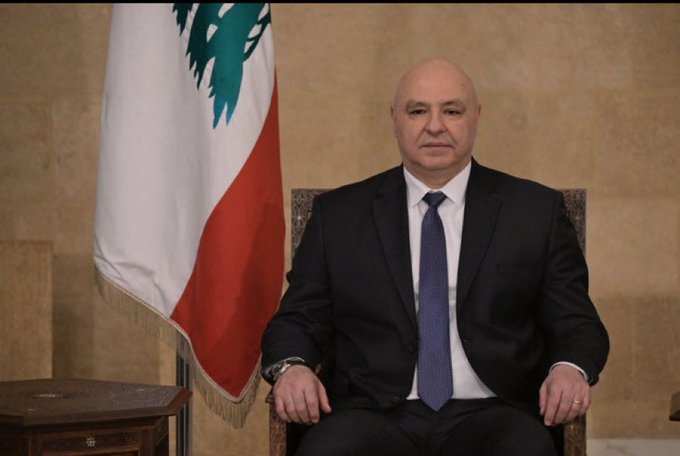
تُعدّ المخاطر كبيرة بالنسبة لاتفاق الإطار الناشئ بين إسرائيل ولبنان، فيما يستعد الرئيس جوزيف عون للقيام بأول زيارة له على الإطلاق إلى البيت الأبيض في 21 يوليو. ويشكّل اجتماع القائد السابق للجيش مع الرئيس ترامب ــ وهو الأول لرئيس لبناني منذ عام 2009 ــ فرصة لكل من الزعيمين لتحديد ما إذا كان الطرف الآخر جاداً بما يكفي ليستحق الاستثمار الكبير والمخاطرة المطلوبة لفصل لبنان عن النفوذ الإيراني، ونزع سلاح حزب الله، وكيل طهران، وتمهيد الطريق نحو السلام بين لبنان وإسرائيل.
السياق الدبلوماسي
على الرغم من تاريخ من المساعدات الأمريكية يعود إلى خمسة وسبعين عاماً، والعلاقات العسكرية الثنائية الوثيقة، والجالية اللبنانية القوية في الولايات المتحدة، ظل لبنان مسألة ثانوية بالنسبة للتواصل رفيع المستوى مع البيت الأبيض قبل حرب إيران. وخلال السنة الأولى من ولاية عون، لم يجرِ ترامب أي تواصل معه؛ لا اجتماعات، ولا مكالمات هاتفية، ولا رسائل. ولم يُمنح عون سوى اجتماع أمريكي رفيع المستوى واحد، مع وزير الخارجية ماركو روبيو على هامش الجمعية العامة للأمم المتحدة في سبتمبر الماضي. وعلى النقيض من ذلك، عقد ترامب ثلاثة اجتماعات مباشرة مع أحمد الشرع، الجهادي السابق الذي أصبح الآن رئيساً لسوريا.
وفي الوقت نفسه، كان مسؤولو وزارة الخارجية وضباط القيادة المركزية الأمريكية يسهّلون العملية البطيئة لتنفيذ اتفاق «وقف الأعمال العدائية» بين إسرائيل ولبنان المبرم في نوفمبر 2024، وهي عملية كانت قد تعثرت بحلول الوقت الذي اندلعت فيه حرب إيران في فبراير الماضي. وبعد يومين من اندلاعها، أطلق حزب الله موجة من الصواريخ على شمال إسرائيل، فاتحاً جبهة جديدة دعماً لطهران. ورداً على ذلك، بدأت قوات الدفاع الإسرائيلية ــ التي كانت حتى ذلك الحين تقتصر في وجودها داخل لبنان على خمس نقاط قرب الحدود الدولية ــ عملية عسكرية أكثر اتساعاً.
وخلال الأشهر الثلاثة التالية، هاجم حزب الله التجمعات السكانية والقوات الإسرائيلية بأكثر من 7000 صاروخ وقذيفة وطائرة مسيّرة، مما أدى إلى مقتل واحد وثلاثين شخصاً وإصابة عشرات آخرين. وأرسلت إسرائيل آلاف الجنود عبر الحدود، وأنشأت في نهاية المطاف منطقة عازلة بعمق يتراوح بين ثمانية وعشرة كيلومترات داخل لبنان. وإلى جانب مهاجمة مخازن أسلحة حزب الله ومنشآته في وادي البقاع وضواحي بيروت، خاضت القوات الإسرائيلية معارك لتطهير منطقة أوسع في الجنوب حتى نهر الليطاني وما بعده. وقد خلّفت هذه العمليات عشرات القرى المدمرة، وآلاف القتلى من مقاتلي حزب الله والمدنيين، وأكثر من مليون لبناني نازح.
وتحوّل التركيز إلى الدبلوماسية بعد وقت قصير من الإعلان عن وقف إطلاق النار بين الولايات المتحدة وإيران في أبريل، حيث توسطت واشنطن لعقد أول اجتماع مباشر وعلني بين ممثلين لبنانيين وإسرائيليين. وكانت هذه مبادرة غير مألوفة منذ البداية، لأن حكومة لبنان لم تكن طرفاً مقاتلاً في حد ذاتها. ومع ذلك، كانت بيروت تأمل من خلال الدبلوماسية في استعادة القدرة على اتخاذ القرارات السيادية المتعلقة بالحرب والسلام من حزب الله وإيران.
وفيما بعد، أسفرت خمس جولات من المحادثات عن اختراق تمثل في «اتفاق الإطار» في 26 يونيو، وذلك بفضل تدخل شخصي من روبيو جزئياً. ويتمثل حجر الأساس في هذا الاتفاق في موافقة لبنان على نزع سلاح جميع الجماعات المسلحة غير التابعة للدولة وتفكيكها ــ وهي إشارة إلى حزب الله ــ مقابل إعادة انتشار إسرائيل تدريجياً خارج الأراضي اللبنانية. ومن المتوقع أن تبدأ هذه الجهود في «مناطق تجريبية» تسيطر عليها القوات المسلحة اللبنانية، وتندرج ضمن التزام أوسع بالتوصل إلى سلام ثنائي كامل على المدى الطويل.
وازداد اتفاق الإطار تعقيداً بسبب مذكرة التفاهم الأمريكية-الإيرانية الموقعة في 17 يونيو، والتي تضمنت مساراً بديلاً يمكن من خلاله لطهران وواشنطن التوصل إلى «إنهاء دائم» للقتال في لبنان، من دون أي دور لإسرائيل. وقد سارع حزب الله وحلفاؤه، بمن فيهم رئيس مجلس النواب اللبناني نبيه بري، إلى تبني خيار مذكرة التفاهم، لأنها كانت تتصور انسحاباً إسرائيلياً غير مشروط ولا تتضمن أي إشارة إلى سلام أوسع بين بيروت والقدس.
ومنذ ذلك الحين، التزم الرئيس ترامب الصمت بشأن المسار الذي يؤيده شخصياً: اتفاق الإطار أم مذكرة التفاهم. وبينما اتصل بعون في 27 يونيو لتهنئته على الاتفاق مع إسرائيل وتوجيه الدعوة إليه لزيارة واشنطن، لم يصدر البيت الأبيض أي بيان عن المكالمة، كما لم يصدر عن ترامب أي تصريح علني آخر بشأن اتفاق الإطار.
تقييم كل طرف للآخر
من المفترض أن تتضح هذه الحالة الضبابية بمجرد وصول عون. فزيارته ستكون لحظة حاسمة بالنسبة لاتفاق الإطار، وفرصة لتقييم التزام كل من الزعيمين به، واختباراً لمعرفة ما إذا كان هذا المسار نحو الأمن والسلام يستحق المتابعة.
يعلم ترامب بالفعل أن عون «يقول الكلام الصحيح» بشأن مواجهة إيران واحتضان فكرة السلام النهائي مع إسرائيل، وهو ما أكسب الرئيس الماروني ــ الرئيس المسيحي الوحيد في الشرق الأوسط ــ فرصة اللقاء. وكان الطريق الأسهل أمام عون هو الاصطفاف مع بري وترك طهران تتولى الدفاع عن مصالح لبنان عبر محاولة تأمين انسحاب إسرائيلي من خلال المحادثات الأمريكية-الإيرانية. لكن ذلك كان سيتركه مجرد رئيس صوري عاجز في نظام سياسي يهيمن عليه حزب الله، وهو ما رفضه.
ومع ذلك، لدى المسؤولين الأمريكيين شكوك مشروعة بشأن استعداد بيروت لتنفيذ وعودها بنزع سلاح حزب الله وتفكيكه. فقد تبيّن أن الجولة الأولى من هذه الجهود ــ المتمثلة في فرض القوات المسلحة اللبنانية «السيطرة العملياتية» على القطاع الواقع جنوب الليطاني أواخر عام 2025 ــ غير كافية بعد اكتشاف أصول وبنية تحتية كبيرة لحزب الله هناك. ومنذ ذلك الحين، أعطى قائد الجيش اللبناني العماد رودولف هيكل الأولوية مراراً لـ«السلم الأهلي» على أي مواجهة مع حزب الله، بينما تحدث عون بصورة عامة عن أن نزع السلاح له أبعاد سياسية واقتصادية وعسكرية. وبالنظر إلى أن القادة اللبنانيين وعدوا بنزع سلاح حزب الله وأخفقوا في ذلك مرات عديدة خلال السنوات الخمس والثلاثين الماضية ــ من اتفاق الطائف إلى وقف إطلاق النار عام 2024 ــ فإن ترامب سيرغب في أن يشرح عون كيف يختلف الوضع هذه المرة ومتى ستبدأ بيروت «بتحويل الأقوال إلى أفعال» عبر استخدام جميع الوسائل ضد الجماعة، بما في ذلك الإكراه العسكري.
ومن جانبه، يتطلع عون لمعرفة ما إذا كان البيت الأبيض سيكون داعماً موثوقاً بينما يواجه ضغوط حلفاء إيران داخل لبنان، الذين يسعون إلى التخلي عن اتفاق الإطار باسم «التوافق الوطني». ومن الناحية العملية، سيرغب عون في معرفة ما إذا كان ترامب سيستثمر موارد كبيرة لتطوير قدرات الجيش اللبناني، وتنظيم الدعم الدولي لإعادة إعمار لبنان، والضغط على إسرائيل للمساعدة في تمكينه من خلال انسحابات تدريجية. كما يأتي عون وهو يحمل ظلاً تاريخياً؛ إذ إنه حريص على ألا يصبح نسخة حديثة من أمين الجميل، الرئيس الذي وقّعت بيروت في عهده اتفاق السلام المبرم بوساطة أمريكية مع إسرائيل في 17 مايو 1983 والذي انهار بعد عشرة أشهر تحت الضغط السوري. ومن المرجح أيضاً أنه يتساءل بشأن طبيعة العلاقة الأمريكية-الإسرائيلية، في ظل استعداد إدارة ترامب للتفاوض على مذكرة تفاهم مع إيران من دون مشاركة أو موافقة القدس. وفي جميع هذه النقاط، سيرغب عون في تبديد مخاوفه.
ما الذي يمكن توقعه؟
الظروف مهيأة لاجتماع ناجح؛ فمذكرة التفاهم الأمريكية-الإيرانية أصبحت في حالة انهيار، مما يترك منتقدي الاتفاق الإسرائيلي-اللبناني من دون بدائل سهلة. ولأن عون رفض خضوع مصير لبنان لسيطرة طهران، لم يتحول البلد تلقائياً إلى ساحة قتال رئيسية عندما استؤنف القتال بين الولايات المتحدة وإيران الأسبوع الماضي. وبدلاً من ذلك، مهّدت بيروت والقدس الطريق لاجتماع البيت الأبيض من خلال جولة من المحادثات التقنية «المثمرة والإيجابية» في روما هذا الأسبوع، للتحضير لإطلاق منطقتين تجريبيتين خاضعتين لسيطرة الجيش اللبناني كما ينص اتفاق الإطار. وعلى المستوى الشخصي، من المرجح أن يشعر ترامب بالارتياح تجاه عون، الوطني اللبناني المجرب في المعارك والمثقل بإرهاق الحروب، والذي اتخذ موقفاً قوياً ضد الطموحات الإقليمية الإيرانية دفاعاً عن الكرامة الوطنية وسعياً إلى السلام؛ وهو بالضبط نوع القادة الوطنيين الذين يعجب بهم ترامب.
لكن كلا الرئيسين يبحث عن أكثر من مجرد أجواء ودية. فعلى الصعيد العملي، يحتاج عون إلى التزامات أمريكية ملموسة بالدعم تكمل الاحتضان الشخصي والتأييد القوي لاتفاق الإطار. وقد تشمل هذه الالتزامات:
عرض تزويد وتدريب وحدة داخل الجيش اللبناني على غرار قوة دلتا لتنفيذ عمليات خاصة ضد حزب الله.
توفير طائرات مسيّرة وأجهزة استشعار وأدوات أخرى لتعزيز أمن الحدود اللبنانية ضد تهريب الأسلحة والمخدرات والأشخاص الذي يمارسه حزب الله على نطاق واسع.
تنظيم حملة دولية لجمع الأموال من أجل البدء بإعادة إعمار المناطق المتضررة من الحرب، وكذلك دعم رواتب أفراد الجيش اللبناني حتى لا يبقوا متدنيي الأجور مقارنة بمقاتلي حزب الله.
إطلاق عملية تخطيط لمبادرات كبيرة في قطاع الأعمال لإعادة بناء الاقتصاد اللبناني المدمر والاستفادة من الفرص التي قد يوفرها السلام المحتمل مع إسرائيل.
وقد يساعد هذا الدعم الأمريكي المرئي في إقناع عون بأن ترامب مستثمر في شخصه وفي استراتيجية المحادثات المباشرة مع إسرائيل. وعلاوة على ذلك، فإنه سيحل مشكلة كيفية إظهار فوائد قريبة المدى لاتفاق الإطار في وقت ينشغل فيه الإسرائيليون بانتخاباتهم الداخلية المقبلة، وهو ظرف سياسي سيجعل القدس أكثر ميلاً إلى مقاومة أي اقتراح ــ حتى لو صدر عن ترامب ــ بإعادة انتشار إسرائيلية كبيرة خارج المناطق التجريبية.
وفي مقابل هذه الحوافز، سيرغب ترامب بلا شك في سماع أدلة إضافية على جدية عون. وقد يشمل ذلك تفاصيل محددة عن خطته لنزع سلاح حزب الله وتفكيكه؛ ووعوداً بإقالة ضباط الجيش اللبناني الذين يثبت تواطؤهم مع حزب الله، ولا سيما في الاستخبارات العسكرية؛ والتزاماً بتعليق القوانين الصارمة التي تحظر أي تواصل مدني بين اللبنانيين والإسرائيليين. والأهم من ذلك كله، سيحتاج عون إلى إعادة التأكيد على أن السلام مع إسرائيل هو هدفه الاستراتيجي؛ بل إن إبراز التزامه بالسلام بصورة أكبر سيمنحه على الأرجح مزيداً من الوقت والمساحة والدعم من جانب ترامب.
وأخيراً، سيمنح اجتماع البيت الأبيض عون فرصة أيضاً لوضع حد لفكرة خطيرة يبدو أنها استحوذت على خيال ترامب: تمكين سوريا من إرسال قوات إلى لبنان بحجة القضاء على حزب الله. ويدرك عون تماماً أن أي تدخل عسكري سوري سيعيد إلى الأذهان أهوال الحقبة التي فرض فيها نظام الأسد قبضته الحديدية على بلاده، مما سيؤدي إلى إشعال الانقسامات الطائفية وتعزيز التأييد الشعبي لحزب الله. وعلى الرغم من أن الشرع نفسه استبعد هذه الفكرة، فإن ترامب يواصل العودة إليها. ومن المؤمل أن يقدم عون حجة مقنعة إلى درجة تجعل ترامب يتخلى أخيراً عن الخيار السوري.
**روبرت ساتلوف هو المدير التنفيذي لمؤسسة سيغال ورئيس كرسي هوارد بي. بيركوفيتز للسياسة الأمريكية في الشرق الأوسط في معهد واشنطن.