The Annual Commemoration of Saint Elijah the Living, the Zealous Prophet
Elias Bejjani/July 20/ 2026
الذكرى السنوية لمار الياس الحي النبي الغيور
الياس بجاني/20 تموز/2026
*ملاحظة/المعلومات الواردة في هذه الدراسة منقولة عن العديد من المراجع الكنسية والاهوتية والبحثية والإعلامية الموثقة>
يُعَدّ القديس مار الياس الحي من أعظم الشخصيات الكتابية في تاريخ الخلاص، ومن أبرز أنبياء العهد القديم الذين حملوا رسالة الدفاع عن الإيمان بالله الواحد وسط زمن انتشرت فيه الوثنية والابتعاد عن وصايا الرب. وتحتفل الكنيسة بتذكاره في العشرين من تموز من كل عام، تكريماً لسيرته المقدسة وغيرته الرسولية وعلاقته الفريدة بالله. ويحظى مار الياس بمكانة خاصة لدى المؤمنين في الشرق، ولا سيما في لبنان وسوريا وفلسطين والأردن، حيث تنتشر الكنائس والأديرة التي تحمل اسمه، ويقصده المؤمنون طالبين شفاعته وصلواته.
مار الياس في الكتاب المقدس
مار الياس في العهد القديم
يرد ذكر النبي إيليا بصورة أساسية في سفري الملوك الأول والثاني.
أول ظهور له كان أمام الملك أخاب حين أعلن باسم الله: «حيّ هو الرب إله إسرائيل الذي أنا واقف أمامه، إنه لا يكون طل ولا مطر في هذه السنين إلا عند قولي» (1 ملوك 17: 1). وكان هذا الإعلان بداية مواجهة طويلة بين النبي والسلطة التي سمحت بانتشار عبادة الإله الوثني “البعل”.
كما يروي الكتاب المقدس العديد من الأحداث المرتبطة به، ومنها:
إقامته عند نهر كريت حيث كانت الغربان تأتيه بالطعام. إقامته في بيت أرملة صرفة صيدا. إقامة ابن الأرملة من الموت. المواجهة الشهيرة مع أنبياء البعل على جبل الكرمل. هروبه إلى البرية بعد تهديد الملكة إيزابل له. لقاؤه بالله على جبل حوريب. دعوته للنبي أليشع ليكون تلميذه وخليفته. صعوده إلى السماء في مركبة من نار.
مار الياس في العهد الجديد
رغم أن مار الياس عاش قبل المسيح بحوالي تسعة قرون، إلا أن ذكره يتكرر في العهد الجديد بصورة لافتة. فقد تحدث عنه السيد المسيح أكثر من مرة، كما ظهر مع موسى النبي أثناء حادثة التجلي على جبل طابور.
يقول الإنجيل: «وإذا موسى وإيليا قد ظهرا لهم يتكلمان معه» (متى 17: 3). كما أشار الرب يسوع إلى أن يوحنا المعمدان جاء “بروح إيليا وقوته”، أي أنه حمل الرسالة النبوية نفسها في الدعوة إلى التوبة والرجوع إلى الله.
من هو مار الياس؟
مار الياس هو نبي من أنبياء الله العظام في العهد القديم. اسمه بالعبرية “إيلياهو” ومعناه: «إلهي هو الرب» وهو اسم يلخص رسالته كلها، إذ كرس حياته للدفاع عن عبادة الله الواحد في زمن كان كثيرون قد انحرفوا نحو عبادة الأصنام.ويُعتبر من أعظم الأنبياء في التقليد اليهودي والمسيحي، وقد لقّبته الكنيسة بـ”النبي الغيور” بسبب غيرته المقدسة على مجد الله.
أين عاش مار الياس؟
عاش النبي إيليا في القرن التاسع قبل الميلاد في المملكة الشمالية من إسرائيل. ويُعتقد أنه وُلد في منطقة تشبه جلعاد الواقعة شرقي نهر الأردن. وتنقل خلال حياته بين عدة مناطق، منها: جلعاد. نهر كريت. صرفة صيدا. السامرة. جبل الكرمل. جبل حوريب (سيناء). وادي الأردن.
وكانت هذه التنقلات مرتبطة برسالته النبوية وبالأحداث التي عاشها أثناء دعوته الشعب إلى التوبة.
الظروف التاريخية التي عاش فيها مار الياس
عاش مار الياس في عهد الملك أخاب وزوجته إيزابل. وكان أخاب ملكاً قوياً سياسياً لكنه سمح بانتشار عبادة البعل بين الشعب. أما إيزابل فقد كانت وثنية الأصل، وشجعت على إقامة المعابد للأصنام وقتل أنبياء الرب. في هذا الجو الديني المضطرب أرسل الله إيليا ليعيد الشعب إلى الإيمان الحقيقي.
فوقف وحده تقريباً في وجه الملوك والكهنة والسلطات الوثنية، معتمداً على الله وحده.
عجائب مار الياس
ارتبطت حياة النبي إيليا بعدد كبير من المعجزات التي أظهر الله من خلالها قدرته.
1. الغربان تطعمه في البرية: عندما حل الجفاف بأمر الله، أمر الرب إيليا أن يختبئ عند نهر كريت، وكانت الغربان تأتيه صباحاً ومساءً بالخبز واللحم، وهكذا اعتنى الله بنبيه بطريقة عجائبية.
2. دقيق الأرملة وزيتها: أرسل الله إيليا إلى أرملة فقيرة في صرفة صيدا وكانت تملك كمية قليلة جداً من الدقيق والزيت تكفيها وولدها لوجبة أخيرة، لكن النبي وعدها قائلاً إن الدقيق والزيت لن ينفداوبقيت الجرة ممتلئة طوال فترة المجاعة.
3. إقامة ابن الأرملة: مرض ابن الأرملة ومات فحمل النبي الطفل وصلى بحرارة إلى الله فاستجاب الرب وأعاد الحياة إلى الصبي. وتُعتبر هذه أول حادثة إقامة من الموت مذكورة في الكتاب المقدس.
4. إنزال النار من السماء: تُعد هذه المعجزة الأشهر في حياة إيليا. فقد دعا الشعب إلى جبل الكرمل ليختاروا بين الله والبعل وأقام مذبحاً للرب ووضع عليه الذبيحة وسكب فوقها الماء.ثم صلى: «استجبني يا رب استجبني». فنزلت نار من السماء وأكلت الذبيحة والحطب والحجارة وحتى الماء. فسجد الشعب وصرخ: «الرب هو الله، الرب هو الله».
5. نزول المطر بعد الجفاف: بعد ثلاث سنوات ونصف من الجفاف صلى إيليا إلى الله فأرسل الرب المطر الغزير وعادت الحياة إلى الأرض.
6. شق نهر الأردن: قبل انتقاله إلى السماء أخذ النبي رداءه وضرب به مياه الأردن فانشق النهر وعبر هو وأليشع على اليابسة.
المعركة الكبرى ضد الكفار وعبدة البعل
كثيراً ما يتساءل المؤمنون عن الحرب التي خاضها مار الياس. في الحقيقة لم يقُد جيشاً نظامياً أو حرباً عسكرية بالمعنى المعروف، بل قاد معركة روحية وإيمانية عظيمة ضد الوثنية وقد بلغت هذه المواجهة ذروتها على جبل الكرمل.
هناك اجتمع: الملك أخاب. الشعب.450 نبياً للبعل. النبي إيليا وحده. وطلب إيليا أن يقدم كل فريق ذبيحة دون إشعال نار فيها. والإله الذي يجيب بالنار يكون هو الإله الحقيقي. ظل أنبياء البعل يصلّون طوال النهار دون استجابة. أما إيليا فرفع صلاة قصيرة مملوءة بالإيمان. فأرسل الله النار من السماء وأظهر الحقيقة أمام الجميع. وهكذا انتصرت عبادة الله على الوثنية، وعاد كثيرون إلى الإيمان.
صعود مار الياس إلى السماء
يُعد صعود النبي إيليا إلى السماء من أعظم الأحداث الكتابية وأكثرها فرادة. فبعد أن أنهى رسالته على الأرض، كان يسير مع تلميذه أليشع قرب نهر الأردن وفجأة حدث أمر عجيب. يقول الكتاب المقدس: «وإذا مركبة من نار وخيل من نار ففصلت بينهما، فصعد إيليا في العاصفة إلى السماء» (2 ملوك 2: 11).
شاهد أليشع المشهد المهيب وهو يصرخ: «يا أبي يا أبي، مركبة إسرائيل وفرسانها». ومنذ ذلك الحين أطلقت الكنيسة عليه لقب: “مار الياس الحي” لأنه لم يختبر الموت الأرضي كما اختبره سائر البشر.
مار الياس في التقليد المسيحي
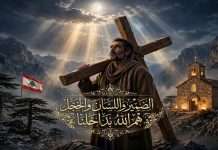
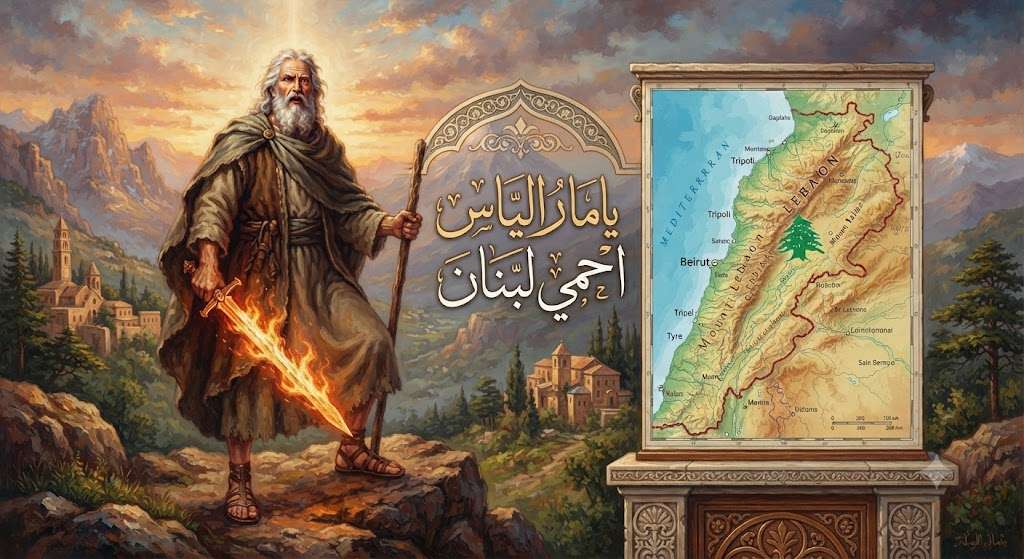
يحظى مار الياس بإكرام كبير في الكنائس الشرقية والغربية. ويرى فيه المؤمنون مثالاً: للإيمان الراسخ. للصلاة القوية. للشجاعة في إعلان الحق. للثقة المطلقة بالله. للغيرة على القداسة. ولهذا غالباً ما يُصوَّر حاملاً سيفاً أو واقفاً على جبل أو صاعداً في مركبة نارية.
كنائس وأديرة مار الياس في لبنان
يُعتبر مار الياس من أكثر القديسين انتشاراً في لبنان. ومن الكنائس والأديرة التي تحمل اسمه: مار الياس أنطلياس. مار الياس شويّا. مار الياس إهدن. مار الياس كفرذبيان. مار الياس بيت شباب. مار الياس بشري. مار الياس القبيات. مار الياس زحلة. مار الياس عينطورة. مار الياس صربا. مار الياس طوق.
مار الياس جب جنين. دير مار الياس شليطا. دير مار الياس الطوق. وهناك عشرات الكنائس والمزارات الأخرى المنتشرة في مختلف المناطق اللبنانية.
خاتمة
يبقى القديس مار الياس الحي واحداً من أعظم شهود الإيمان في التاريخ المقدس. فقد وقف وحده في وجه الوثنية، ودافع عن الحق دون خوف، وأظهر أن قوة الإنسان لا تأتي من السلطة أو العدد، بل من الثقة بالله. إن سيرته تدعو المؤمنين اليوم إلى الثبات في الإيمان، والتمسك بالحقيقة، وعدم المساومة على المبادئ المسيحية مهما كانت التحديات.
صلاة للبنان بشفاعة مار الياس
أيها القديس مار الياس النبي الغيور، يا من أحببت الله بكل قلبك ودافعت عن مجده بكل شجاعة، نسألك أن تتشفع من أجل لبنان. احفظ هذا الوطن العزيز من كل شر، وأبعد عنه الحروب والانقسامات والأزمات. بارك أرضه وجباله وسهوله وقراه ومدنه، واحمِ أبناءه في الداخل والانتشار.امنح المسؤولين نعمة الحكمة والعدل، وثبّت الشباب في الرجاء والإيمان، وامنح العائلات السلام والوحدة والمحبة. لتبقَ أرض لبنان أرض القداسة والشهادة والرسالة، ولينعم شعبه بالأمن والاستقرار والازدهار. بشفاعة يا مار الياس الحي، استجب لنا يا رب.
آمين.
**الكاتب ناشط لبناني اغترابي
رابط موقع الكاتب الإلكتروني
https://eliasbejjaninews.com
عنوان الكاتب الإلكتروني
phoenicia@hotmail.com
The Annual Commemoration of Saint Elijah the Living, the Zealous Prophet
Elias Bejjani/July 20/ 2026
Note: The information presented in this study has been compiled from numerous reputable ecclesiastical, theological, historical, and scholarly sources.
Introduction
Saint Elijah the Living is revered as one of the most extraordinary figures in Sacred Scripture and among the greatest prophets in the history of salvation. He stands as a towering witness to unwavering faith in the One True God during a period marked by widespread idolatry, spiritual corruption, and disregard for the divine commandments. The Church commemorates his feast annually on July 20, honoring his holy life, prophetic mission, apostolic zeal, and unique intimacy with God. Throughout the Christian East, particularly in Lebanon, Syria, Palestine, and Jordan, Saint Elijah occupies a cherished place in the hearts of the faithful. Numerous churches, monasteries, shrines, and religious institutions bear his name, and believers continually seek his intercession, inspired by his steadfast faith and courageous witness to God’s truth.
Saint Elijah in Sacred Scripture
Saint Elijah in the Old Testament
The Prophet Elijah appears primarily in the First and Second Books of Kings, where his life and ministry are recounted in remarkable detail. His first appearance occurs before King Ahab, when he boldly proclaims: “As the Lord God of Israel lives, before whom I stand, there shall not be dew nor rain these years, except at my word” (1 Kings 17:1). This dramatic declaration marked the beginning of a prolonged confrontation between the prophet and the political and religious authorities who had permitted and encouraged the worship of the pagan god Baal.
Sacred Scripture records numerous significant events in Elijah’s life, including:
His stay by the Brook Cherith, where ravens miraculously brought him food.
His residence in the home of the widow of Zarephath.
The raising of the widow’s son from death.
His celebrated confrontation with the prophets of Baal on Mount Carmel.
His flight into the wilderness following Queen Jezebel’s threats.
His encounter with God on Mount Horeb.
His calling of Elisha as his disciple and successor.
His ascension into heaven in a fiery chariot.
Saint Elijah in the New Testament
Although Saint Elijah lived approximately nine centuries before the birth of Christ, his presence and significance continue prominently in the New Testament. Our Lord Jesus Christ referred to him on several occasions, and Elijah appeared together with Moses during the Transfiguration of Christ on Mount Tabor.
The Gospel records: “And behold, Moses and Elijah appeared to them, talking with Him” (Matthew 17:3). Christ also taught that Saint John the Baptist came “in the spirit and power of Elijah,” carrying forward the prophetic mission of calling humanity to repentance and reconciliation with God. Thus, Elijah serves as a vital bridge between the Old and New Covenants, representing the prophetic tradition that ultimately points toward the coming of the Messiah.
Who Was Saint Elijah?
Saint Elijah was one of the greatest prophets raised by God in the Old Testament. His Hebrew name, Eliyahu, means: “My God is the Lord.” This name perfectly summarizes his life’s mission and message. Throughout his ministry, Elijah devoted himself entirely to defending the worship of the One True God at a time when many Israelites had abandoned the faith of their ancestors and embraced idolatry. Both Jewish and Christian traditions honor him as one of the greatest prophets. The Church has long referred to him as “the Zealous Prophet” because of his passionate devotion to God’s glory and his unwavering commitment to divine truth.
Where Did Saint Elijah Live?
The Prophet Elijah lived during the ninth century before Christ in the Northern Kingdom of Israel. According to biblical tradition, he originated from the region of Gilead, east of the Jordan River. Throughout his prophetic ministry, he traveled extensively through various regions, including: Gilead, The Brook Cherith,
Zarephath of Sidon, Samaria Mount, Carmel Mount, Horeb (Sinai), The Jordan Valley
These journeys were intimately connected with his prophetic mission and the various stages of his struggle to call God’s people back to repentance and fidelity.
The Historical Context of Elijah’s Ministry
Saint Elijah lived during the reign of King Ahab and his wife Queen Jezebel. While Ahab was politically powerful, he tolerated and facilitated the spread of Baal worship throughout Israel. Jezebel, a Phoenician princess by birth, actively promoted pagan religion, sponsored the construction of pagan temples, and persecuted the prophets of the Lord. Into this atmosphere of spiritual confusion and religious corruption, God sent Elijah to restore authentic faith among His people. Standing almost entirely alone against kings, priests, and pagan authorities, Elijah relied solely upon God’s power and providence.
The Miracles of Saint Elijah
The life of Elijah is associated with numerous miracles through which God manifested His divine power.
1. Fed by Ravens in the Wilderness/When drought struck the land according to God’s judgment, Elijah was instructed to hide by the Brook Cherith. There, ravens miraculously brought him bread and meat every morning and evening, demonstrating God’s providential care for His faithful servant.
2. The Widow’s Flour and Oil/ God directed Elijah to a poor widow in Zarephath of Sidon. She possessed only a small amount of flour and oil, sufficient for one final meal for herself and her son. Elijah assured her that the flour and oil would not be exhausted. Miraculously, the jar remained full throughout the famine.
3. Raising the Widow’s Son/When the widow’s son became ill and died, Elijah carried the child and prayed fervently to God. The Lord answered his prayer and restored the boy to life. This event is widely regarded as the first recorded resurrection miracle in the Bible.
4. Calling Down Fire from Heaven/ This is perhaps the most celebrated miracle in Elijah’s life. Gathering the people on Mount Carmel, Elijah challenged them to choose between the Lord and Baal. After preparing an altar and drenching the sacrifice with water, he prayed: “Answer me, O Lord, answer me.”
Immediately, fire descended from heaven and consumed the sacrifice, the wood, the stones, and even the water. The people fell to the ground and cried out: “The Lord, He is God! The Lord, He is God!”
5. The Return of Rain/ Following three and a half years of drought, Elijah prayed earnestly for rain. God answered his prayer, and abundant rain fell upon the land, restoring life and fertility.
6. Parting the Waters of the Jordan/ Shortly before his departure from this world, Elijah struck the waters of the Jordan River with his mantle. The waters parted, allowing him and Elisha to cross on dry ground.
The Great Spiritual Battle Against Baal Worship
Many people wonder about the “war” fought by Saint Elijah. In reality, Elijah did not lead a conventional military campaign. Rather, he waged a profound spiritual battle against idolatry and false worship. This confrontation reached its climax on Mount Carmel. Present there were: King Ahab, The people of Israel
Four hundred and fifty prophets of Baal Elijah standing alone. Elijah proposed that each side offer a sacrifice without lighting a fire beneath it. The true God would reveal Himself by answering with fire. The prophets of Baal prayed throughout the day without receiving any response.
Elijah then offered a simple prayer filled with faith. God answered immediately by sending fire from heaven, revealing the truth before all the people. Thus, the worship of the Lord triumphed over idolatry, and many returned to faith in the God of Israel.
The Great Spiritual Battle Against Baal Worship
Among the most extraordinary events recorded in Sacred Scripture is Elijah’s ascent into heaven. After completing his earthly mission, Elijah was walking with his disciple Elisha near the Jordan River when a remarkable event occurred. Scripture recounts: “And behold, a chariot of fire and horses of fire separated the two of them; and Elijah went up by a whirlwind into heaven” (2 Kings 2:11). Elisha witnessed the majestic scene and cried out: “My father, my father, the chariot of Israel and its horsemen!”From that moment onward, Christian tradition has honored him as “Saint Elijah the Living,” because he did not experience earthly death in the ordinary manner of humanity.
Saint Elijah in Christian Tradition
Saint Elijah enjoys profound veneration in both Eastern and Western Christian traditions. Believers regard him as a model of: Steadfast faith, Fervent prayer, Courage in proclaiming truth, Absolute trust in God, Zeal for holiness. For this reason, Christian iconography frequently portrays him holding a sword, standing upon a mountain, or ascending into heaven in a fiery chariot.
Churches and Monasteries Dedicated to Saint Elijah in Lebanon
Saint Elijah is among the most beloved saints in Lebanon. Numerous churches, monasteries, and shrines bear his name, including those located in: Antelias, Shwayya, Ehden, Kfardebian, Beit Shabab, Bsharri, Al-Qoubaiyat, Zahle, Ain Toura, Sarba, Touq, Jeb Jennine, Among the best-known monasteries are:
Monastery of Saint Elijah Shlita ,Monastery of Saint Elijah Touq. In addition, dozens of churches and devotional shrines dedicated to Saint Elijah are found throughout Lebanon.
Conclusion
Saint Elijah the Living remains one of the greatest witnesses to faith in sacred history. Standing alone against idolatry and spiritual corruption, he courageously defended divine truth and demonstrated that authentic strength comes neither from political power nor numerical superiority, but from complete trust in God.
His life continues to inspire Christians today to persevere in faith, remain faithful to truth, and refuse compromise in matters of conscience and belief, regardless of the challenges they may face.
A Prayer for Lebanon Through the Intercession of Saint Elijah
O Saint Elijah, Zealous Prophet of the Most High God, who loved the Lord with all your heart and courageously defended His glory, we humbly ask for your intercession on behalf of our beloved occupied Lebanon. Protect this Holy nation from every evil. Preserve it from war, division, conflict, and despair. Bless its mountains, valleys, cities, towns, and villages, and watch over its people both at home and throughout the diaspora. Grant wisdom, integrity, and justice to those entrusted with public responsibility. Strengthen the young in faith, hope, and love. Bless families with peace, unity, and mutual understanding.
May Lebanon remain a land of holiness, witness, freedom, and Christian mission. May its people enjoy security, prosperity, and enduring peace. Through your powerful intercession, O Saint Elijah the Living, hear our prayers, O Lord, and bless our nation. Amen.