Alberto M. Fernandez: Bitter Victory or Sweet Defeat in the Middle East, But Whose?/ألبرتو م. فرنانديز: نصر مرير أم هزيمة حلوة في الشرق الأوسط، ولكن لمَن؟
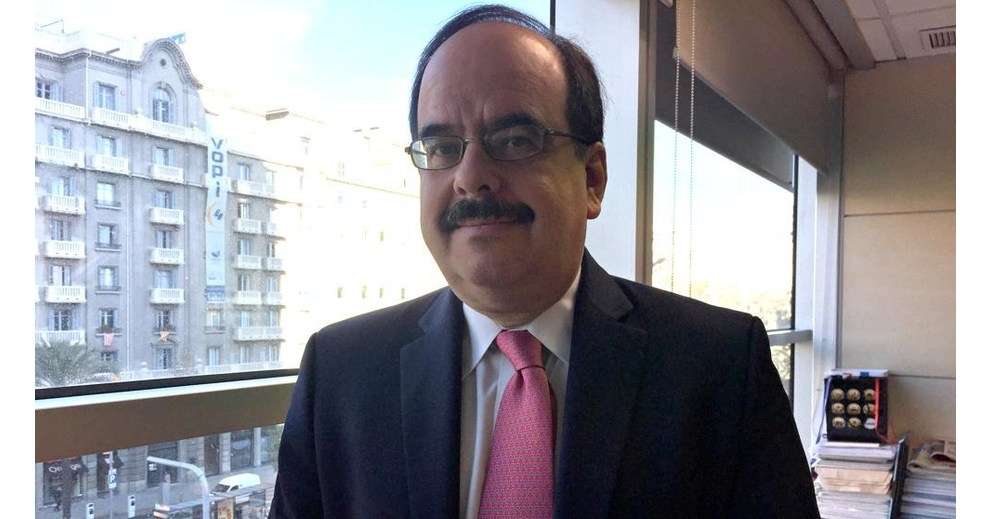
Ambassador Alberto M. Fernandez (PRNewsfoto/Broadcasting Board of Governors)
نصر مرير أم هزيمة حلوة في الشرق الأوسط، ولكن لمَن؟ ألبرتو م. فرنانديز/ناشيونال كاثوليك ريجستر / 16 حزيران 2026 (ترجمة من الإنكليزية بواسطة مواقع ترجمة ألكترونية)
Bitter Victory or Sweet Defeat in the Middle East, But Whose? Alberto M. Fernandez/National Catholic Register/June 16/2026
COMMENTARY: The consequences of this war will only be revealed over time, months and even years into the future.
Did America just lose a war to Iran in the Middle East? Or was it a great American victory whose full import will only be seen over time?
Partisans of Iran were quick to claim victory — but they always say this. Some supporters of Israel are furious and fear that the deal that supposedly ended the war will only strengthen the Iranian regime. Others compared the war to the 1956 Suez Crisis that humbled the might of colonial powers Britain and France.
Vice President JD Vance went on CBS News on June 15 to shoot down some of the more extravagant claims, such as that Iran will be rewarded with $300 billion in new funding. Vance noted that the agreement “ensures that Iran will never have a nuclear weapon, while simultaneously opening the Strait of Hormuz” to transport much-needed oil to the world. In the eventuality that Iran fulfills all of its commitments, it would eventually be rewarded. Vance touted this as an opportunity for the United States and Iran — bitter adversaries for nearly half a century — “to turn over a leaf of 47 years of a failed relationship.”
In our world of instant news and instant reaction, everyone’s a pundit and everyone is sure what this war’s outcome actually means. But, of course, the reality is that some of the consequences of this war, like so many others, will only be revealed over time, months and even years into the future. It is quite possible that both those celebrating and those “dooming” will be proven wrong and there is still much of the agreement, and any possible side deals, that are still opaque.
Some results should be immediate. Gas prices will decline and inflation fears will ease. The United States will be at peace for the 250th anniversary celebration of its founding. As analyst Jonathan Spyer explained, “Trump, caricatured before his presidency as a warmonger, is nothing of the kind. The place, very clearly, where he feels comfortable is where deals are made.”
Some wanted the president to double down on the conflict but that is not a path he wanted to pursue. It seems significant that in 1956, it was President Eisenhower who forced France and Britain (and Israel) to withdraw from Suez. In 2026, it was the American president who decided not to continue.
Despite the pundits, most Americans seemed to focus on almost anything other than Iran’s fate. For Iranians, Israelis, Lebanese and Gulf Arabs — in addition to those in the Global South paying for higher energy prices — the worrying impact hits much closer to home.
As America has the luxury to step back a bit and survey the scene, some big Middle Eastern questions loom.
What will become of Lebanon? Can ongoing negotiations between Israel, the Lebanese state and the United States rescue the country from constant cycles of war and destruction or will Hezbollah’s stranglehold remain?
This is not just an academic question. For some Lebanese Christians, the breaking of Hezbollah’s hold on power is a matter of life or death, of whether or not Christians in Lebanon persist and remain in their ancient lands.
The government of Israeli Prime Minister Benjamin Netanyahu is deeply skeptical, to put it mildly, about the agreement. With elections expected later this year, it could prove fatal for Israel’s longest-serving prime minister. But is Israel truly in a weaker position than when the war started? Or does it maintain its hard-fought dominance over the Levant, at least? Many, or most, in Israel believe that this war was left unfinished. Away from the battlefield, Israel faces the massive challenge of rising antisemitism and anti-Zionist fervor in the West. Although Iran is a major threat, this rising anti-Israel prejudice is a growing problem for Israel that is of and in the West.
Is Iran truly now a “top five world power,” as American academic Robert Pape has said? The answer to that is No. But is Iran better off now or in the long run as a result of the war? Some of the answers lie in how soon Iran can recover from the damage caused by the war, and what money it gets out of the deal, but Iran was already in deep economic trouble even before the war began. The currency is worthless, the country’s capital is running out of water, and no one knows what the new crop of regime leaders will actually do.
One thing that the engagement with Trump has done is expose, more clearly than before, the fissures existing within the regime, not between moderates and hardliners, but between hardliners and other hardliners.
And to what end? Has the Iranian Revolution now positioned into power younger, committed revolutionaries? Or are they the counterrevolutionaries, the Napoleons or Thermidorian Reaction, of the future?
Perhaps those expecting that a fanatical regime will inexorably return to its fanaticism, exactly like before, are exaggerating the regime’s core stability and strength?
Many Catholics criticized this war. A few defended it.
At the beginning, I wrote that “Trump will also be judged by history on how the conflict ends and what comes out of it.” We are just beginning to enter this stage, the blame game and the praise game.
Pope Leo XIV recently noted that just war theory was “outdated,” and that may certainly be the case. But the biggest, still unanswered, question coming out of this latest conflict — however one judged it — is whether or not it will engender more wars or whether anything better or different can come out of it, especially for the peoples of the Middle East. https://www.ncregister.com/commentaries/iran-us-war-bitter-victory-or-sweet-defeat **Alberto M. Fernandez Alberto M. Fernandez is a former U.S. diplomat and a contributor at EWTN News.
نصر مرير أم هزيمة حلوة في الشرق الأوسط، ولكن لمَن؟ ألبرتو م. فرنانديز/ناشيونال كاثوليك ريجستر / 16 حزيران 2026 (ترجمة من الإنكليزية بواسطة مواقع ترجمة ألكترونية)
تعليق: إن عواقب هذه الحرب لن تتكشف إلا بمرور الوقت، في غضون أشهر بل وحتى سنوات في المستقبل.
هل خسرت أمريكا للتو حرباً أمام إيران في الشرق الأوسط؟ أم أنه كان نصراً أمريكياً عظيماً لن تظهر أهميته الكاملة إلا بمرور الوقت؟
سارع أنصار إيران إلى إعلان النصر ــ لكنهم يقولون هذا دائماً. وفي المقابل، يشعر بعض مؤيدي إسرائيل بالغضب ويخشون أن يؤدي الاتفاق الذي يُفترض أنه أنهى الحرب إلى تقوية النظام الإيراني فحسب. بينما شبه آخرون هذه الحرب بأزمة السويس عام 1956 التي أذلت قوة الدول الاستعمارية، بريطانيا وفرنسا.
وقد ظهر نائب الرئيس جي دي فانس على شبكة “سي بي إس نيوز” في 15 حزيران ليدحض بعض الادعاءات الأكثر مبالغة، مثل مكافأة إيران بتمويل جديد يبلغ 300 مليار دولار. وأشار فانس إلى أن الاتفاق “يضمن عدم حصول إيران أبداً على سلاح نووي، بينما يفتح في الوقت نفسه مضيق هرمز” لنقل النفط الذي يحتاجه العالم بشدة. وفي حال أوفت إيران بجميع التزاماتها، فسيتم مكافأتها في نهاية المطاف. وأشاد فانس بهذا باعتباره فرصة للولايات المتحدة وإيران ــ الخصمين اللدودين منذ ما يقرب من نصف قرن ــ “لقلب صفحة 47 عاماً من العلاقات الفاشلة”.
في عالمنا القائم على الأخبار الفورية وردود الفعل اللحظية، أصبح الجميع خبراء ومحللين، والكل واثق مما تعنيه نتائج هذه الحرب فعلياً. ولكن، بطبيعة الحال، فإن الحقيقة هي أن بعض عواقب هذه الحرب، مثلها مثل حروب أخرى كثيرة، لن تتكشف إلا بمرور الوقت، بعد أشهر بل وحتى سنوات في المستقبل. ومن المحتمل جداً أن يثبت خطأ كل من المحتفلين والمتشائمين (المتنبئين بالخراب)، ولا يزال الكثير من تفاصيل الاتفاق، وأي صفقات جانبية محتملة، غامضاً ومبهماً.
ومع ذلك، ينبغي أن تكون بعض النتائج فورية؛ إذ ستنخفض أسعار الوقود وستخف المخاوف من التضخم. وستكون الولايات المتحدة في حالة سلام تزامناً مع الاحتفال بالذكرى الـ250 لتأسيسها. وكما أوضح المحلل جوناثان سباير: “إن ترامب، الذي صُوِّر زيفاً قبل رئاسته على أنه رئيس محب للحروب، ليس كذلك على الإطلاق. فالمساحة التي يشعر فيها بالراحة، بكل وضوح، هي المساحة التي تُعقد فيها الصفقات”.
لقد أراد البعض من الرئيس أن يضاعف جهوده في الصراع، لكن هذا ليس المسار الذي أراد اتباعه. ويبدو من الدلالة بمكان أنه في عام 1956، كان الرئيس أيزنهاور هو من أجبر فرنسا وبريطانيا (وإسرائيل) على الانسحاب من السويس. أما في عام 2026، فكان الرئيس الأمريكي هو من قرر عدم الاستمرار.
وعلى الرغم من تحليلات الخبراء، يبدو أن معظم الأمريكيين يركزون على أي شيء آخر تقريباً باستثناء مصير إيران. أما بالنسبة للإيرانيين، والإسرائيليين، واللبنانيين، وعرب الخليج ــ بالإضافة إلى أولئك في دول الجنوب العالمي الذين يدفعون ثمن أسعار الطاقة المرتفعة ــ فإن التأثير المقلق يمسهم عن قرب وبشكل مباشر.
وفي حين تملك أمريكا رفاهية التراجع خطوة إلى الوراء ومراقبة المشهد، تلوح في الأفق بعض الأسئلة الشرق أوسطية الكبرى:
ماذا سيكون مصير لبنان؟ هل يمكن للمفاوضات المستمرة بين إسرائيل والدولة اللبنانية والولايات المتحدة أن تنقذ البلاد من دورات الحرب والدمار المستمرة، أم أن قبضة حزب الله الخانقة ستبقى مستمرة؟
هذا ليس مجرد سؤال أكاديمي؛ فبالنسبة لبعض المسيحيين اللبنانيين، يُعتبر كسر قبضة حزب الله على السلطة مسألة حياة أو موت، ومسألة ما إذا كان المسيحيون في لبنان سيصمدون ويبقون في أراضيهم التاريخية القديمة.
أما حكومة رئيس الوزراء الإسرائيلي بنيامين نتنياهو، فهي تشكك بشدة في الاتفاق، وهذا أقل ما يقال. ومع توقع إجراء انتخابات في وقت لاحق من هذا العام، قد يثبت هذا الاتفاق أنه قاتل سياسياً لرئيس الوزراء الأطول خدمة في تاريخ إسرائيل. ولكن هل إسرائيل حقاً في موقف أضعف مما كانت عليه عند بدء الحرب؟ أم أنها تحافظ على هيمنتها التي خاضت لأجلها معارك ضارية في بلاد الشام على الأقل؟ يعتقد الكثيرون، أو الغالبية في إسرائيل، أن هذه الحرب لم تنتهِ بعد. وبعيداً عن ساحة المعركة، تواجه إسرائيل التحدي الهائل المتمثل في تصاعد معاداة السامية والحماس المناهض للصهيونية في الغرب. ورغم أن إيران تشكل تهديداً كبيراً، فإن هذا التحيز المتزايد ضد إسرائيل يمثل مشكلة متنامية لها، وهي مشكلة نابعة من الغرب وداخل الغرب نفسه.
وهل أصبحت إيران حقاً الآن واحدة من “أقوى خمس دول في العالم”، كما قال الأكاديمي الأمريكي روبرت بيب؟ الجواب هو لا. ولكن هل إيران في وضع أفضل الآن أو على المدى الطويل نتيجة للحرب؟ تكمن بعض الإجابات في مدى سرعة تعافي إيران من الأضرار التي سببتها الحرب، والأموال التي ستحصل عليها من هذه الصفقة، علماً بأن إيران كانت تعاني بالفعل من مشاكل اقتصادية عميقة حتى قبل بدء الحرب؛ فالعملة لا قيمة لها، وعاصمة البلاد تعاني من شح المياه، ولا أحد يعرف ما الذي ستفعله النخبة الجديدة من قادة النظام فعلياً.
إن الشيء الوحيد الذي أحدثه التعامل مع ترامب هو كشف التصدعات القائمة داخل النظام بشكل أكثر وضوحاً من ذي قبل، ليس بين المعتدلين والمتشددين، بل بين المتشددين ومتشددين آخرين.
وإلى أي مدى سيؤدي ذلك؟ هل نجحت الثورة الإيرانية الآن في دفع ثوار أصغر سناً وملتزمين إلى السلطة؟ أم أنهم الثوار المضادون، أو “نابليونات” المستقبل، أو يمثلون “انقلاب ترميدور” (الثورة المضادة) القادم؟
ربما يبصم أولئك الذين يتوقعون أن يعود نظام عقائدي حتماً إلى تعصبه القديم، بالطريقة نفسها تماماً كما كان من قبل، على مبالغة في تقدير الاستقرار والقوة الجوهرية للنظام؟
لقد انتقد العديد من الكاثوليك هذه الحرب، بينما دافع عنها قلة منهم.
في البداية، كتبتُ أن “التاريخ سيحكم أيضاً على ترامب بناءً على كيفية انتهاء الصراع وما سينتج عنه”. ونحن الآن بدأنا للتو في دخول هذه المرحلة، لعبة تبادل اللوم ولعبة الثراء بالمديح.
وقد أشار البابا ليون الرابع عشر مؤخراً إلى أن نظرية الحرب العادلة أصبحت “قديمة ولاغية”، وقد يكون هذا هو الحال بالتأكيد. ولكن السؤال الأكبر، الذي لا يزال دون إجابة، والناجم عن هذا الصراع الأخير ــ بغض النظر عن كيفية الحكم عليه ــ هو ما إذا كان سيتسبب في مزيد من الحروب، أم أن شيئاً أفضل أو مختلفاً يمكن أن ينتج عنه، خاصة لشعوب الشرق الأوسط. *ألبرتو م. فرنانديز: دبلوماسي أمريكي سابق ومساهم في شبكة “EWTN News”.