خبراء أمميون يحذرون: المسيحيون في إيران يواصلون مواجهة الاعتقال والاحتجاز وسوء المعاملة
إفرام قصيفي/عرب نيوز/ 15 تموز/2026
Christians in Iran continue to face arrest, detention and ill-treatment, UN experts warn
Ephrem Kossaify/Arab News/July 15, 2026
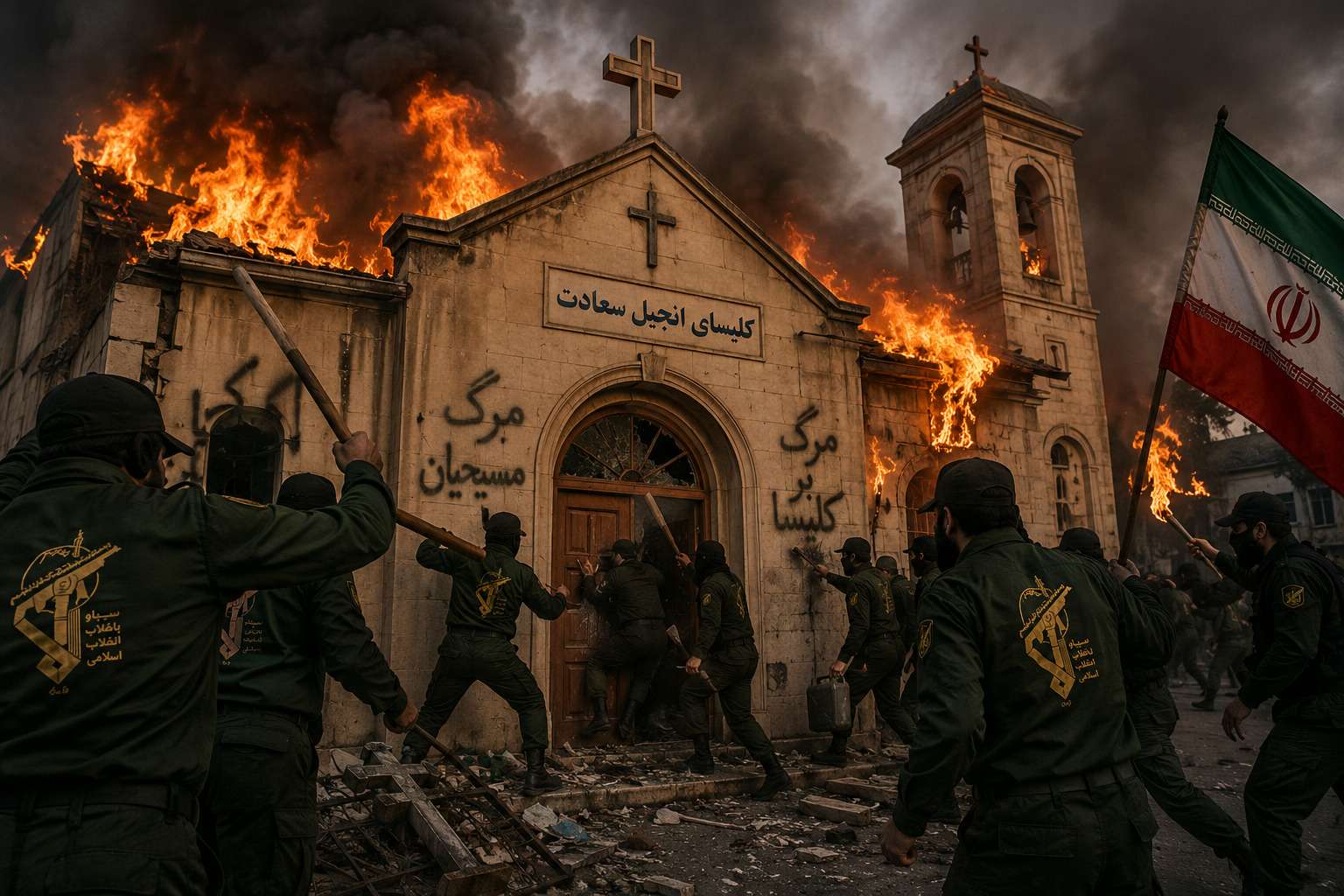
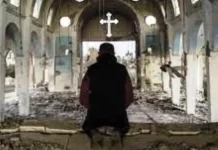
NEW YORK CITY: UN human rights experts on Wednesday condemned Iranian authorities for confiscating the St. Peter Evangelical Church compound in Tehran and evicting 27 members of the country’s recognized Armenian and Assyrian Christian minorities who lived there. The experts said 20 families, most of them low-income, longtime residents of the compound, were given just two weeks to vacate their homes, and church leaders were threatened with arrest if they failed to comply. The last resident left the site on July 12, fueling concerns that the complex could be demolished.
“Forced evictions are incompatible with international human rights law and risk leaving members of recognized religious and ethnic minorities homeless,” the experts said in a statement. The 10-acre compound in central Tehran houses much more than a place of worship, having also served as home and a place of learning for its residents. In addition to the church building, there are two schools and the residents’ houses on the site, as well as offices belonging to the Bible Society and the Council of Evangelical Churches of Iran, which owns the land.
A Revolutionary Court ordered in 1998 that the compound be transferred to the Execution of Imam Khomeini’s Order, a state body that operates under the Office of the Supreme Leader. That ruling was subsequently used to block the reregistration of the evangelical council, although it said it only learned of the order in 2008.
The UN experts described the seizure of the site as part of a sustained pattern of measures targeting Iran’s Christian community, in particular Persian-speaking worship. As evidence of this they also highlighted the 2019 closure of an Assyrian Presbyterian church in Tabriz, and the demolition in June 2026 of a Presbyterian church in Mashhad that had been shut down decades earlier. Iran was once home to about 50 Protestant churches, most of which offered services in Persian. Now, the experts said, effectively none remain, having either been closed outright or barred from holding Persian-language services.
The last three Anglican churches that were permitted to preach in Persian, located in Tehran, Isfahan and Shiraz, were not allowed to reopen after the COVID-19 pandemic. “Freedom of religion or belief includes the freedom to worship in community with others, in one’s own language, and to maintain places of worship,” the experts said.
“When a church is confiscated, a community loses not only a building but a place of worship and community life.” Beyond church closures and confiscations, Christians in Iran continue to face arrest, detention and ill-treatment, the experts said. At least 79 are currently detained or imprisoned, the vast majority of them converts, with some allegedly forced to make confessions under torture.
Among them is Mohammed Nikbakht, a Christian convert reportedly arrested and beaten at his home in Golpaygan in March this year, who is being held incommunicado at Dastgerd Prison in Isfahan. His family has been given no information about his legal status or access to counsel, the experts said. They called on Iranian authorities to allow residents and congregants to return to the St. Peter compound, halt all threats and intimidation against the church community, and release those arbitrarily detained. They said they remain in contact with the Iranian government in an effort to clarify the issues raised.
The experts are Mai Sato, special rapporteur on the situation of human rights in the Islamic Republic of Iran, and Nazila Ghanea, special rapporteur on freedom of religion or belief. Special rapporteurs are part of what is known as the special procedures of the UN Human Rights Council. They are independent experts who work on a voluntary basis, are not members of UN staff and are not paid for their work.
https://www.arabnews.com/node/2651052/middle-east
خبراء أمميون يحذرون: المسيحيون في إيران يواصلون مواجهة الاعتقال والاحتجاز وسوء المعاملة
إفرام قصيفي/عرب نيوز/ 15 تموز/2026
(ترجمة من الإنكليزية)
نيويورك: أدان خبراء حقوق الإنسان التابعون للأمم المتحدة يوم الأربعاء السلطات الإيرانية لقيامها بمصادرة مجمع كنيسة القديس بطرس الإنجيلية في طهران وطرد 27 فرداً من الأقليات المسيحية الأرمنية والآشورية المعترف بها في البلاد ممن كانوا يعيشون فيه. وأوضح الخبراء أن 20 عائلة، معظمهم من ذوي الدخل المحدود ومن المقيمين في المجمع منذ فترة طويلة، مُنحوا مهلة أسبوعين فقط لإخلاء منازلهم، كما هُدد قادة الكنيسة بالاعتقال في حال عدم الامتثال. وقد غادر آخر ساكن الموقع في 12 يوليو، مما أثار مخاوف من احتمال هدم المجمع.
وقال الخبراء في بيان لهم: “إن عمليات الإخلاء القسري تتعارض مع القانون الدولي لحقوق الإنسان، وتخاطر بترك أفراد من الأقليات الدينية والعرقية المعترف بها بلا مأوى”. يضم المجمع الذي تبلغ مساحته 10 أفدنة في وسط طهران أكثر بكثير من مجرد مكان للعبادة، حيث كان بمثابة منزل ومركز تعليمي للمقيمين فيه. وبالإضافة إلى مبنى الكنيسة، يضم الموقع مدرستين ومنازل المقيمين، إلى جانب مكاتب تابعة لجمعية الكتاب المقدس ومجلس الكنائس الإنجيلية في إيران، الذي يمتلك الأرض.
كانت محكمة ثورية قد أمرت في عام 1998 بنقل ملكية المجمع إلى “هيئة تنفيذ أمر الإمام الخميني”، وهي هيئة حكومية تعمل تحت إشراف مكتب المرشد الأعلى. وقد استُخدم ذلك الحكم لاحقاً لمنع إعادة تسجيل المجلس الإنجيلي، رغم أن المجلس ذكر أنه لم يعلم بالأمر إلا في عام 2008.
ووصف خبراء الأمم المتحدة الاستيلاء على الموقع بأنه جزء من نمط مستمر من الإجراءات التي تستهدف المجتمع المسيحي في إيران، وخاصة العبادة باللغة الفارسية. وكدليل على ذلك، أشاروا أيضاً إلى إغلاق كنيسة آشورية مشيخية في تبريز عام 2019، وهدم كنيسة مشيخية في مشهد في يونيو 2026، والتي كانت قد أُغلقت قبل عقود.
كانت إيران يوماً ما موطناً لنحو 50 كنيسة بروتستانتية، قدم معظمها خدمات باللغة الفارسية. وقال الخبراء إنه لم يتبقَ منها فعلياً أي كنيسة، حيث تم إغلاقها تماماً أو مُنعت من إقامة شعائر باللغة الفارسية.
أما الكنائس الأنجليكانية الثلاث الأخيرة التي كان يُسمح لها بالوعظ بالفارسية، وتقع في طهران وأصفهان وشيراز، فلم يُسمح لها بإعادة فتح أبوابها بعد جائحة كوفيد-19.
وقال الخبراء: “حرية الدين أو المعتقد تشمل حرية العبادة في مجتمع مع الآخرين، وباللغة الخاصة للفرد، والحفاظ على أماكن العبادة”.وأضافوا: “عندما تُصادر كنيسة، يفقد المجتمع ليس فقط مبنى، بل مكاناً للعبادة والحياة المجتمعية”. وأكد الخبراء أنه بعيداً عن إغلاق الكنائس ومصادرتها، لا يزال المسيحيون في إيران يواجهون الاعتقال والاحتجاز وسوء المعاملة. ويوجد حالياً ما لا يقل عن 79 مسيحياً رهن الاعتقال أو السجن، الغالبية العظمى منهم من المتحولين دينياً، مع ادعاءات بتعرض بعضهم للإكراه على الاعتراف تحت التعذيب.
ومن بينهم محمد نيكبخت، وهو مسيحي متحول أفادت التقارير بأنه اعتُقل وتعرض للضرب في منزله في غلبايجان في مارس من هذا العام، وهو محتجز بمعزل عن العالم الخارجي في سجن دستجرد في أصفهان. وأشار الخبراء إلى أن عائلته لم تحصل على أي معلومات حول وضعه القانوني أو إمكانية الوصول إلى محامٍ.
ودعا الخبراء السلطات الإيرانية إلى السماح للمقيمين والمصلين بالعودة إلى مجمع القديس بطرس، ووقف جميع التهديدات والترهيب ضد مجتمع الكنيسة، وإطلاق سراح المحتجزين تعسفياً. وأكدوا أنهم لا يزالون على تواصل مع الحكومة الإيرانية في محاولة لتوضيح القضايا المثارة.
يُذكر أن الخبراء هم: ماي ساتو، المقررة الخاصة المعنية بحالة حقوق الإنسان في الجمهورية الإسلامية الإيرانية، ونازيلا غنيا، المقررة الخاصة المعنية بحرية الدين أو المعتقد.
والمقررون الخاصون هم جزء مما يُعرف بالإجراءات الخاصة لمجلس حقوق الإنسان التابع للأمم المتحدة، وهم خبراء مستقلون يعملون على أساس تطوعي، وليسوا أعضاء في موظفي الأمم المتحدة ولا يتقاضون أجراً مقابل عملهم.