شكا: مذبحة منسية، وانتصار ضائع
ألبرتو م. فرنانديز/موقع ميمري/07 تموز/2026
(ترجمة من الإنكليزية بواسطة مواقع الكترونية للترجمة)
Chekka: Forgotten Massacre, Lost Victory
Alberto M. Fernandez/MEMRI/July 07/2026
Who remembers the Camp Speicher Massacre? Or what happened in Al-Qahtaniyyah in Iraq in 2007 or to the Al-Shaitat tribe in Syria in August 2014? All were notorious slaughters carried out by the so-called Islamic State but largely unknown to the global community. The events at Camp Speicher – second only to the 9/11 terrorist attack in terms of the number of deaths – were even captured on video by Islamic State propagandists themselves.[1]
Not all massacres are “equal” in terms of the attention they garner. The massacre of a thousand in Africa today can seem like a minor detail in the eyes of Western public opinion and an easily distracted international media.
Fifty years ago, a brutal civil war raged in Lebanon, a conflict that would feature many massacres of and by different groups. It was exactly 50 years ago, in July 1976, that Palestinians and their Lebanese and Arab allies would massacre two hundred Christian civilians at Chekka.[2] One of several massacres of Christians during the Lebanese Civil War, it is far less known than the fall of the heavily fortified Palestinian camp of Tel Al-Zaatar which happened a few weeks later. The two events – battles and massacres both – are actually connected but Tel Al-Zaatar is far better known, partly because of what Lee Smith has called “the Global Empire of Palestine,” a pro-Palestinian international echo chamber, already existed 50 years ago as it exists today.[3]
It was early in the morning that the attack began on July 5. By nine in the morning, Chekka was cut off, thousands of Palestinian fighters, Arab gunmen from various countries and fighters from the leftist leaning Lebanese National Movement (LNM), had come from four directions. Palestinian fedayeen had even landed by sea at Heri beach.
Chekka, a mostly Christian town – half Maronite, half Greek Orthodox – was defended by just a few dozen local fighters equipped with small arms. The attackers had access to U.S.-supplied M41 tanks, M113 armored personnel carriers, and artillery looted from the Lebanese Army (LAF), one of the leaders was in fact an LAF officer, Mustafa Suleiman of what was dubbed the Lebanese Arab Army. They even used a naval ship, the “Sour” amphibious landing craft, to shell Christian positions.[4]
One of the goals of the Palestinian-Lebanese attack against Chekka was, no doubt, to relieve pressure on the siege of Tel Al-Zaatar in Beirut. That siege had intensified on June 22. But Chekka quickly became an exercise in murder more than a strategic ploy. Ironically, the area was a political stronghold of the SSNP, a political party opposed to the Lebanese Christian forces besieging Tel Al-Zaatar.[5] But political differences among Christians did not matter to the attackers.
Inside the town, the killings were gruesome in the extreme. These were not mostly people killed by bombing from afar or as a result of the heat of battle. People had their throats cut in bed, their bodies dragged behind cars, others were burned alive in their own vehicles. The killing was accompanied by looting, both actions distracting from the developing military situation. Some writers have described Chekka as “revenge” for Tel Al-Zaatar but that is not true. Tel Al-Zaatar would only fall on August 12, 1976, more than a month later.
The time wasted in slaughter slowed what could have been an even more dangerous military advance into Lebanon’s Christian heartland. Also decisive was the action of handful of heroic Kataeb fighters led by Edmond Sahyun – some accounts say they were 14 – from the Batroun village of Kfar Abida who under enemy fire scaled the heights to a strategic mountaintop monastery and church, Mar Semaan at Ras ash-Shaq’a overlooking the Chekka tunnel, eliminated the invading forces present and prevented Palestinian/LMN artillery from dominating the battlefield.
As the killing took place, the Christians from elsewhere in the area reacted, with church bells calling local militia men to action. Some troops did indeed leave the siege of Tel Al-Zaatar and head north, but others came from Christian redoubts in Northern Lebanon, such as Bsharre and Zgharta. By four in the afternoon, newly arrived Christian militiamen began advancing, led in person by Amin Gemayel, the future president and reached the southern edge of the town. Christian leaders who would later be at each other’s throats all worked together to retake the town over the next 48 hours. In addition to Gemayel and the Kataeb fighters, also present were men led by a young Samir Geagea and Marada fighters loyal to the Frangieh clan of Zgharta. Women and teenagers also fought.[6]
The Lebanese Christian forces were probably never as united again as they were during this operation which not only retook Chekka but advanced beyond it to secure Amioun and much of the Koura district.[7] Two years later both Geagea and the hero of Chekka, Edmond Sahyun, were involved in leading the notorious operation that killed Tony Frangieh at Ehden.
Fifty years after the massacre and the subsequent battle saw relatively low-key memorials marking this date, whether human tragedy or military victory.[8] Massacres are a sensitive subject in a country with so many of them.[9] There were memorial requiem masses in both Greek Orthodox and Maronite Catholic churches in the area and the laying of wreaths at various monuments.
Lebanon’s future – and most certainly its Christian future – is very much in flux. It seems abundantly clear that the existence of Hezbollah as an independent armed force, and even as a political parasite on Lebanese governance, constitute an existential threat to Lebanon thriving and to Lebanese Christians surviving as a significant community inside the country.[10]
Ironically, today’s Lebanese Christians, Druze, and Sunni Muslims – adversaries 50 years ago – seem to largely agree about Lebanon’s future but it is unclear whether American diplomatic pressure, Lebanese government action, and Israeli power can bring about a decisive reordering in Lebanon’s domestic situation. The possibility for change is closer than before. But that real change will actually come is not at all assured. There are many forces, not just Hezbollah and Iran, who prefer the tenuous and disastrous situation in Lebanon to continue for a while longer, like a slow-motion strangulation.
https://www.memri.org/reports/chekka-forgotten-massacre-lost-victory
*Alberto M. Fernandez is Vice President of MEMRI.
[1] Nytimes.com/2014/09/04/world/middleeast/surviving-isis-massacre-iraq-video.html, September 13, 2014.
[2] Facebook.com/watch/?v=4224939214497917, July 20, 2025.
[3] Tabletmag.com/sections/news/articles/global-empire-of-palestine, December 19, 2023.
[4] Eliasbejjaninews.com/2023/07/119826, July 5, 2023.
[5] X.com/beirut_politics/status/2073737690860659165, July 5, 2026.
[6] Lebanese-forces.com/2017/08/07/chekka-and-koura-battle-joumana-naser, August 7, 2017.
[7] Vdl.me/special-reports/%D8%B4%D9%83%D8%A7-%D8%A7%D8%AD%D8%AF%D9%89-%D8%A7%D9%84%D8%A8%D9%84%D8%AF%D8%A7%D8%AA-%D8%A7%D9%84%D8%AA%D9%8A-%D8%B4%D9%87%D8%AF%D8%AA-%D8%B9%D9%84%D9%89-%D9%85%D8%AC%D8%B2%D8%B1%D8%A9-%D9%85%D9%86/?__cf_chl_f_tk=Wm7JkwZ3hhfFBzbRcek7WPjEEzbbFecSQOMMvfyPChY-1783344502-1.0.1.1-X2UtFx3K76GjDtPiA8IPxco5bQz7XtxN25iR7bgEvDY, April 9, 2025.
[8] Vdl.me/news/%d8%a7%d8%b1%d8%b2-%d9%81%d8%af%d8%b9%d9%88%d8%b3-%d9%84%d8%b5%d9%88%d8%aa-%d9%84%d8%a8%d9%86%d8%a7%d9%86-%d9%88%d8%b4%d8%a7%d8%b4%d8%a9vdl24-%d9%85%d8%ac%d8%b2%d8%b1%d8%a9-%d8%b4%d9%83%d8%a7-1976, July 5, 2026.
[9] Daraj.media/%D9%85%D9%86-%D8%B4%D9%83%D9%91%D8%A7-%D8%A5%D9%84%D9%89-%D8%A3%D9%86%D8%B5%D8%A7%D8%B1-%D9%85%D8%A7-%D9%84%D8%A7-%D9%86%D8%B9%D8%B1%D9%81%D9%87-%D8%B9%D9%86-%D8%AD%D8%B1%D9%88%D8%A8%D9%86%D8%A7, August 2, 2025.
[10] Ncregister.com/commentaries/fernandez-lebanon-on-the-brink-again, June 8, 2026.
شكا: مذبحة منسية، وانتصار
ألبرتو م. فرنانديز، نائب رئيس معهد ميمري/موقع ميمري/07 تموز/2026
(ترجمة من الإنكليزية بواسطة مواقع الكترونية للترجمة)
من يتذكر مذبحة معسكر سبايكر؟ أو ما حدث في القحطانية بالعراق عام 2007، أو ما حل بقبيلة الشعيطات في سوريا في أغسطس 2014؟ لقد كانت جميعها عمليات ذبح وحشية ارتكبها ما يسمى بتنظيم الدولة الإسلامية، لكنها ظلت غير معروفة إلى حد كبير للمجتمع العالمي. حتى أحداث معسكر سبايكر – التي لا يفوقها في عدد الضحايا سوى هجمات 11 سبتمبر الإرهابية – قام دعاة تنظيم الدولة بتصويرها بالفيديو بأنفسهم.[1]
ليست كل المذابح “متساوية” من حيث الاهتمام الذي تحظى به. فقد تبدو مذبحة يروح ضحيتها ألف شخص في أفريقيا اليوم مجرد تفصيل بسيط في نظر الرأي العام الغربي ووسائل الإعلام الدولية المشتتة بسهولة.
قبل خمسين عاماً، كانت الحرب الأهلية الوحشية تستعر في لبنان، وهو صراع شهد العديد من المذابح التي ارتكبتها وضد مجموعات مختلفة. لقد مر بالضبط 50 عاماً، في يوليو 1976، حين ارتكب الفلسطينيون وحلفاؤهم اللبنانيون والعرب مذبحة بحق مائتي مدني مسيحي في شكا.[2] وهي واحدة من عدة مذابح استهدفت المسيحيين خلال الحرب الأهلية اللبنانية، لكنها أقل شهرة بكثير من سقوط مخيم تل الزعتر الفلسطيني المحصن بشدة والذي وقع بعد بضعة أسابيع. الحدثان – كلاهما معارك ومذابح – مرتبطان في الواقع، لكن “تل الزعتر” أكثر شهرة، جزئياً بسبب ما أسماه لي سميث “الإمبراطورية العالمية لفلسطين”، وهي غرفة صدى دولية مؤيدة للفلسطينيين، كانت موجودة بالفعل قبل 50 عاماً كما هي موجودة اليوم.[3]
بدأ الهجوم في الصباح الباكر من يوم 5 يوليو. وبحلول الساعة التاسعة صباحاً، كانت شكا مقطوعة عن العالم، بعد أن جاء آلاف المقاتلين الفلسطينيين، ومسلحون عرب من دول مختلفة، ومقاتلون من الحركة الوطنية اللبنانية ذات التوجه اليساري، من أربعة اتجاهات. حتى أن الفدائيين الفلسطينيين هبطوا عن طريق البحر على شاطئ الهري.
كانت شكا، وهي بلدة مسيحية في الغالب – نصفها موارنة ونصفها روم أرثوذكس – محمية من قبل بضع عشرات فقط من المقاتلين المحليين المسلحين بأسلحة خفيفة. في المقابل، كان المهاجمون يمتلكون دبابات “إم 41” (M41) مزودة من الولايات المتحدة، وناقلات جند مدرعة من طراز “إم 113” (M113)، ومدفعية نُهبت من الجيش اللبناني، بل وكان أحد القادة في الواقع ضابطاً في الجيش اللبناني، وهو مصطفى سليمان، مما كان يسمى بـ “جيش لبنان العربي”. حتى أنهم استخدموا سفينة بحرية، وهي سفينة الإنزال البرمائية “صور”، لقصف المواقع المسيحية.[4]
لا شك أن أحد أهداف الهجوم الفلسطيني-اللبناني ضد شكا كان تخفيف الضغط عن حصار تل الزعتر في بيروت، وهو الحصار الذي تكثف في 22 يونيو. لكن شكا تحولت سريعاً إلى ممارسة للقتل أكثر منها مناورة استراتيجية. ومن المفارقات أن المنطقة كانت معقلاً سياسياً للحزب السوري القومي الاجتماعي، وهو حزب سياسي كان يعارض القوى المسيحية اللبنانية التي تحاصر تل الزعتر.[5] لكن الخلافات السياسية بين المسيحيين لم تكن تعني شيئاً للمهاجمين.
داخل البلدة، كانت عمليات القتل مروعة إلى أقصى حد. لم يكن هؤلاء الأشخاص قد قُتلوا جراء القصف من بعيد أو نتيجة حمى المعركة؛ فقد ذُبحت أعناق البعض في أسرّتهم، وسُحلت جثثهم خلف السيارات، وأُحرق آخرون أحياء داخل سياراتهم. وقد ترافقت عمليات القتل مع أعمال النهب، وهي أفعال أدت إلى تشتيت الانتباه عن الوضع العسكري المتطور. وصف بعض الكتاب شكا بأنها “انتقام” لتل الزعتر، لكن هذا غير صحيح؛ إذ لم يسقط تل الزعتر إلا في 12 أغسطس 1976، أي بعد أكثر من شهر.
أدى الوقت الضائع في عمليات الذبح إلى إبطاء ما كان يمكن أن يكون تقدماً عسكرياً أكثر خطورة في قلب المناطق المسيحية في لبنان. كما كان حاسماً أيضاً تحرك حفنة من مقاتلي الكتائب الأبطال بقيادة إدموند صهيون – تقول بعض الروايات إن عددهم كان 14 مقاتلاً – من بلدة كفر عبيدا في البترون، حيث تسلقوا تحت نيران العدو المرتفعات إلى دير وكنيسة استراتيجية على قمة الجبل، وهي دير مار سمعان في رأس الشقعة المطلة على نفق شكا، وقضوا على القوات الغازية الموجودة هناك ومنعوا مدفعية الفلسطينيين/الحركة الوطنية اللبنانية من السيطرة على ساحة المعركة.
بينما كانت عمليات القتل تجري، تحرك المسيحيون من أماكن أخرى في المنطقة، حيث دقت أجراس الكنائس لاستدعاء الميليشيات المحلية. وبالفعل، غادرت بعض القوات حصار تل الزعتر وتوجهت شمالاً، بينما جاء آخرون من معاقل المسيحيين في شمال لبنان، مثل بشري وزغرتا. وبحلول الساعة الرابعة عصراً، بدأ المليشياويون المسيحيون الذين وصلوا حديثاً بالتقدم، بقيادة أمين الجميل – الرئيس المستقبلي – شخصياً، ووصلوا إلى الطرف الجنوبي من البلدة. وعمل القادة المسيحيون الذين كانوا لاحقاً سيتصارعون مع بعضهم البعض، جنباً إلى جنب لاستعادة البلدة خلال الـ 48 ساعة التالية. وبالإضافة إلى الجميل ومقاتلي الكتائب، كان هناك رجال بقيادة سمير جعجع الشاب، ومقاتلو “المردة” الموالون لآل فرنجية في زغرتا. كما شاركت النساء والمراهقون في القتال.[6]
ربما لم تكن القوات المسيحية اللبنانية موحدة أبداً كما كانت خلال هذه العملية، التي لم تكتفِ باستعادة شكا فحسب، بل تقدمت إلى ما بعدها لتأمين أميون وجزء كبير من قضاء الكورة.[7] وبعد عامين، شارك كل من جعجع وبطل شكا، إدموند صهيون، في قيادة العملية الشهيرة التي قتلت طوني فرنجية في إهدن.
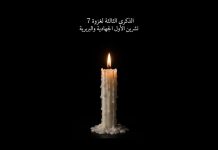
بعد مرور خمسين عاماً على المذبحة والمعركة التي تلتها، شهدت ذكرى هذا التاريخ فعاليات متواضعة نسبياً، سواء كانت تتعلق بالمأساة الإنسانية أو الانتصار العسكري.[8] فالمذابح موضوع حساس في بلد شهد الكثير منها.[9] أقيمت قداديس جنائزية تذكارية في كل من كنائس الروم الأرثوذكس والموارنة في المنطقة، ووُضعت أكاليل الزهور على نصب تذكارية مختلفة.
مستقبل لبنان – وبالتأكيد مستقبله المسيحي – في حالة تقلب شديد. يبدو من الواضح تماماً أن وجود حزب الله كقوة مسلحة مستقلة، وحتى كطفيلي سياسي على الحكم في لبنان، يشكل تهديداً وجودياً لازدهار لبنان ولبقاء المسيحيين اللبنانيين كمجتمع مهم داخل البلاد.[10]
من المفارقات أن المسيحيين والدروز والمسلمين السنة في لبنان اليوم – الذين كانوا خصوماً قبل 50 عاماً – يبدون متفقين إلى حد كبير حول مستقبل لبنان، لكن من غير الواضح ما إذا كان الضغط الدبلوماسي الأمريكي، وتحرك الحكومة اللبنانية، والقوة الإسرائيلية قادرة على إحداث إعادة ترتيب حاسمة للوضع الداخلي في لبنان. إن احتمالية التغيير أقرب مما كانت عليه من قبل، لكن ليس مؤكداً على الإطلاق أن هذا التغيير الحقيقي سيحدث. هناك العديد من القوى، وليس فقط حزب الله وإيران، التي تفضل استمرار الوضع المتردي والكارثي في لبنان لفترة أطول، وكأنه خنق بطيء.