










في اسفل الصفحة النص الحرفي الكامل للتعليق باللهجة اللبنانية المحكية مع عناوين المقاطع
Netanyahu the Leader, Trump the Businessman, and the Existential Struggle for the Future of Israel and Lebanon
Elias Bejjani/June 18/2026
نتنياهو القائد، ترامب رجل الأعمال، والصراع الوجودي من أجل مستقبل إسرائيل ولبنان
الياس بجاني/18 حزيران/2026
هناك لحظات في التاريخ لا يُحكم فيها على القادة بالصفقات التي يتفاوضون عليها، أو بالعناوين الرئيسية التي يصنعونها، أو بالشعبية التي يتمتعون بها، بل بمدى استعدادهم لمواجهة التهديدات الوجودية والدفاع عن أممهم ضد احتمالات ومخاطر ساحقة. إن مثل هذه اللحظات هي التي تفصل بين رجال الدولة والسياسيين، وبين الوطنيين والانتهازيين.
ولهذا السبب، من المرجح أن يذكر التاريخ بنيامين نتنياهو بشكل أكثر إيجابية بكثير مما يتخيله العديد من نقاده اليوم.
وسواء اتفق المرء مع جميع سياساته أم لا، فقد كرس نتنياهو حياته السياسية لمهمة واحدة فريدة: ضمان بقاء وأمن الدولة اليهودية في واحدة من أكثر مناطق العالم عداءً وتقلبًا. لقد قاد إسرائيل وهو يواجه تهديدات لا يكاد يستوعبها معظم القادة الغربيين؛ تهديدات لا تستهدف مجرد الحدود أو المصالح، بل تستهدف وجود أمته ذاته.
وعلى مدى عقود من الزمن، عاشت إسرائيل تحت ظلال منظمات وأنظمة ملتزمة علنًا بتدميرها. فقد دعا حكام إيران مرارًا وتكرارًا إلى القضاء على الدولة اليهودية. وقام حزب الله ببناء ترسانة صاروخية هائلة على حدود إسرائيل الشمالية. وحوّلت حماس قطاع غزة إلى منصة انطلاق للإرهاب. وتستمر الحركات الإسلامية المتطرفة، السنية والشيعية على حد سواء، في النظر إلى وجود إسرائيل على أنه أمر غير مقبول.
وعلى عكس معظم القادة الغربيين، لم يملك نتنياهو قط رفاهية التعامل مع هذه التهديدات كمسائل نظرية؛ فهي تهديدات حقيقية، وفورية، وقاتلة.
وفي المقابل، تعامل دونالد ترامب مع الشؤون الدولية في المقام الأول كرجل أعمال ومبرم صفقات. إن غريزته تدفعه إلى التفاوض والمساومة والسعي وراء اتفاقيات يمكن تقديمها كإنجازات وانتصارات. ومثل هذا الأسلوب قد ينجح في عالم المال والأعمال، وقد ينجح حتى في بعض النزاعات الدبلوماسية المعينة، لكن الشرق الأوسط ليس قاعة اجتماعات للشركات.
إن صراعات المنطقة تشكلها الجغرافيا، والتاريخ، والأيديولوجيا، والدين، والطموحات الاستراتيجية العميقة الجذور. فالقوى التي تواجه إسرائيل لا تسعى ببساطة إلى الحصول على شروط أفضل على طاولة المفاوضات، بل إن الكثير منها مدفوع برؤى أيديولوجية لا تترك مجالاً للمساومة أو الحلول الوسط.
وكانت نقطة الضعف الكبرى لترامب في التعامل مع الشرق الأوسط هي نزعته إلى رؤية كل تحدٍ من خلال عدسة الدبلوماسية الشخصية والسياسات النفعية القائمة على الصفقات والمكاسب المالية (البزنس). إن إعجابه بالاتفاقيات الدراماتيكية والاستعراضية يعميه غالباً عن الحقائق طويلة المدى التي يواجهها حلفاء أمريكا. وفي حالة إسرائيل، يصبح هذا الفهم الخاطئ خطيرًا للغاية.
إن القائد الذي ينام آمنًا على بعد آلاف الأميال من الحدود المعادية لا يمكنه استيعاب ما يعنيه حكم أمة يتحدث أعداؤها علنًا عن تدميرها بالكامل. ونتنياهو لا يتمتع بهذه الرفاهية. فكل قرار رئيسي يتخذه يُقاس بميزان سؤال أساسي واحد: هل ستنجو إسرائيل وتظل آمنة؟
هذا العبء هو الذي شكل قيادته، ويفسر سبب تكريسه الكثير من الجهد لمواجهة إيران وشبكتها الإقليمية من الوكلاء.
ومن بين هؤلاء الوكلاء، يقف حزب الله كأحد أكثرهم خطورة على الإطلاق.
وخلافًا للأساطير التي يروج لها أنصاره، لم يكن حزب الله يومًا حركة مقاومة وطنية لبنانية حقيقية. فمنذ نشأته، تم إنشاؤه وتمويله وتسليحه وتدريبه وتوجيهه من قبل الجمهورية الإسلامية الإيرانية. وقد أعلن قادته مرارًا وتكرارًا ولاءهم لعقيدة ولاية الفقيه وتبعيّتهم للمرشد الأعلى الإيراني. لقد قدموا أنفسهم علنًا كجزء من مشروع ثوري عابر للحدود يقع مركز قيادته في طهران وليس في بيروت.
ولم يتم تجميع أسلحة حزب الله لتعزيز السيادة اللبنانية، بل بُنيت بنيته التحتية العسكرية لخدمة ومواكبة مصالح إيران الاستراتيجية في جميع أنحاء المنطقة. وقد دمرت حروبه لبنان مرارًا وتكرارًا بينما كانت توسع نفوذ طهران. كما أدت قوته السياسية إلى إضعاف المؤسسات اللبنانية، وعرقلة قيام دولة سيادية قوية، وتقليص قدرة لبنان على التصرف بشكل مستقل في مسائل الحرب والسلام.
واليوم، يمتلك حزب الله قدرات عسكرية تفوق قدرات الدولة اللبنانية نفسها. فهو يحتفظ بقوة مسلحة مستقلة، ويتحكم في القرارات الوطنية الاستراتيجية، ويمارس نفوذًا هائلاً على الحياة السياسية في لبنان. ولا يمكن لأي دولة أن تطالب بسيادة كاملة في وقت تعمل فيه منظمة مسلحة موالية لقوة أجنبية فوق سلطة الدولة.
لقد خلق هذا الواقع تقاربًا استثنائيًا في المصالح بين إسرائيل وملايين المواطنين اللبنانيين.
فكلاهما عانى من هيمنة حزب الله.
وكلاهما دفع ثمن طموحات إيران الإقليمية.
وكلاهما يسعى إلى مستقبل يُحكم فيه لبنان بواسطة مؤسساته الدستورية بدلاً من منظمة مسلحة تخدم مصالح أجنبية.
وعلى مدى عقود، حلم العديد من اللبنانيين باستعادة سيادة بلادهم، وإعادة بناء اقتصادها، وإحياء مؤسساتها الديمقراطية، وإنهاء حلقة الحروب المفروضة عليها من قبل قوى خارجة عن إرادتها. وهذه التطلعات لا تتناقض مع مصالح إسرائيل الأمنية، بل إنها، في جوانب كثيرة، مكملة لها.
ومع ذلك، فإن الكثير من صانعي السياسات في واشنطن والعواصم الأوروبية يستمرون في فهم هذا الواقع بشكل خاطئ. فهم يتحدثون عن الاستقرار بينما يتسامحون مع وجود وكيل إيراني مدجج بالسلاح يسيطر على معظم الحياة الوطنية في لبنان. ويحثون إسرائيل على ضبط النفس بينما يتجاهلون مصدر عدم الاستقرار نفسه.
إن الصراع ضد حزب الله ليس مجرد نزاع إقليمي آخر؛ إنه جزء من منافسة أوسع بين السيادة والهيمنة الأجنبية، بين سلطة الدولة المشروعة وحكم الميليشيات، وبين الاستقلال الوطني والإمبريالية الأيديولوجية.
إن السياسات التي تقيد قدرة إسرائيل على الدفاع عن نفسها بينما تسمح لحزب الله بالبقاء متخندقاً ومسلحاً بكثافة، تؤدي في نهاية المطاف إلى إطالة أمد المشكلة بدلاً من حلها.
سيحكم التاريخ على نتنياهو ليس من خلال الخلافات السياسية المؤقتة أو الروايات الدبلوماسية الرائجة، بل من خلال ما إذا كان قد نجح في حماية إسرائيل ضد قوى ملتزمة علنًا بتدميرها. قد تتذكره الأجيال القادمة كاستراتيجي، ووطني، وأحد أكثر المدافعين تأثيرًا وأهمية عن الدولة اليهودية في التاريخ الحديث.
أما ترامب، فسيذكره التاريخ بلا شك كرئيس أمريكي وظاهرة سياسية بارزة. ومع ذلك، قد يتساءل التاريخ أيضًا عما إذا كان قد استوعب تمامًا الطبيعة الوجودية للتهديدات التي تواجه إسرائيل والشرق الأوسط الأوسع، وعما إذا كان تفضيله للاتفاقيات والصفقات الكبرى قد حجب أحيانًا الحقائق والوقائع التي لا يمكن التخلص منها بالتفاوض.
الخلاصة
إن المفارقة الكبرى في الشرق الأوسط اليوم هي أن إسرائيل وغالبية الشعب اللبناني يتشاركون بشكل متزايد في نفس الهدف الاستراتيجي: إنهاء هيمنة حزب الله على لبنان وتحرير البلاد من قبضة إيران. وبينما يستمر الدبلوماسيون في تكرار شعارات قديمة وعفا عليها الزمن حول “المقاومة”، فإن الحقيقة هي أن قادة حزب الله أنفسهم أعلنوا مرارًا وتكرارًا ولاءهم للمرشد الأعلى لإيران ولعقيدة ولاية الفقيه. ولم يسبق لهم أن أخفوا هويتهم كشاركين في مشروع ثوري إيراني أوسع.
إن لبنان اليوم لا يتمتع بالسيادة الكاملة؛ إذ تظل أهم قراراته الوطنية—الحرب، والسلم، والسياسة الخارجية، والأمن—خاضعة لتأثير هائل من منظمة مسلحة تعمل خارج سلطة الدولة اللبنانية. ولا يمكن لأي أمة أن تكون مستقلة حقاً في وقت تمتلك فيه ميليشيا مدعومة من الخارج قوة عسكرية أكبر من قوة حكومتها ذاتها.
يجب على العالم أن يعترف أخيرًا بأن الصراع ضد حزب الله ليس معركة إسرائيل وحدها، بل هو أيضًا نضال ملايين اللبنانيين الذين يريدون استعادة وطنهم، وإعادة سلطة الدولة، وإعادة بناء اقتصادهم، والعيش أحراراً من عواقب طموحات إيران الإقليمية. إن مصالح هؤلاء اللبنانيين ومصالح إسرائيل تلتقي عند نقطة أساسية واحدة: يجب أن تنتهي الهيمنة العسكرية لحزب الله.
ولهذا السبب، فإن المحاولات الرامية إلى تقييد قدرة إسرائيل على مواجهة حزب الله هي محاولات مضللة من الناحية الاستراتيجية. فلا يمكن بناء سلام دائم على استمرار وجود وكيل إيراني مسلح يحتجز أمة بأكملها كرهينة. إن قيام لبنان حر، وإسرائيل آمنة، وشرق أوسط أكثر استقراراً، يتطلب كلاً منها نفس النتيجة: استعادة السيادة الكاملة للدولة اللبنانية وإنهاء التفوق العسكري لحزب الله.
سيذكر التاريخ بنيامين نتنياهو كقائد أدرك هذا الواقع وتصرف بناءً عليه. وسواء اختار المجتمع الدولي الاعتراف بذلك اليوم أم لا، فإن الطريق إلى لبنان سيادي، وإسرائيل آمنة، وشرق أوسط أكثر سلامًا يبدأ بمواجهة القوى التي منعت تحقيق هذه الأمور الثلاثة لعقود من الزمن.
**الكاتب ناشط لبناني اغترابي
رابط موقع الكاتب الألكتروني
https://eliasbejjaninews.com
*عنوان الكاتب الألكتروني
phoenicia@hotmail.com
Netanyahu the Leader, Trump the Businessman, and the Existential Struggle for the Future of Israel and Lebanon
Elias Bejjani/June 18/2026
There are moments in history when leaders are judged not by the deals they negotiate, the headlines they generate, or the popularity they enjoy, but by their willingness to confront existential threats and defend their nations against overwhelming odds. Such moments separate statesmen from politicians and patriots from opportunists.
This is why history is likely to remember Benjamin Netanyahu far more favorably than many of his critics imagine today.
Whether one agrees with all his policies or not, Netanyahu has dedicated his political life to a singular mission: ensuring the survival and security of the Jewish state in one of the most hostile and volatile regions on earth. He has led Israel while facing threats that most Western leaders can scarcely comprehend—threats not merely to borders or interests, but to the very existence of his nation.
For decades, Israel has lived under the shadow of organizations and regimes openly committed to its destruction. Iran’s rulers have repeatedly called for the elimination of the Jewish state. Hezbollah has built an enormous missile arsenal on Israel’s northern border. Hamas transformed Gaza into a launching pad for terrorism. Radical Islamist movements, both Sunni and Shiite, continue to view Israel’s existence as unacceptable.
Unlike most Western leaders, Netanyahu has never had the luxury of treating these threats as theoretical. They are real, immediate, and deadly.
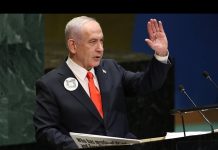
Donald Trump, by contrast, has approached international affairs primarily as a businessman and dealmaker. His instinct is to negotiate, compromise, and pursue agreements that can be presented as victories. Such an approach may work in business. It may even work in certain diplomatic disputes. But the Middle East is not a corporate boardroom.
The region’s conflicts are shaped by history, ideology, religion, and deeply rooted strategic ambitions. The forces confronting Israel are not simply seeking better terms at the negotiating table. Many are motivated by ideological visions that leave little room for compromise.
Trump’s greatest weakness in dealing with the Middle East has been his tendency to view every challenge through the lens of personal diplomacy and transactional politics. His admiration for dramatic agreements often blinds him to the long-term realities faced by America’s allies. In the case of Israel, this misunderstanding becomes particularly dangerous.
A leader who sleeps safely thousands of miles away from hostile borders cannot fully appreciate what it means to govern a nation whose enemies openly discuss its destruction. Netanyahu does not enjoy that luxury. Every major decision he makes is measured against one fundamental question: Will Israel survive and remain secure?
That burden has shaped his leadership and explains why he has devoted so much effort to confronting Iran and its regional network of proxies.
Among those proxies, Hezbollah stands as perhaps the most dangerous.
Contrary to the mythology promoted by its supporters, Hezbollah has never been a genuinely Lebanese national resistance movement. From its inception, it was created, financed, armed, trained, and directed by the Islamic Republic of Iran. Its leaders have repeatedly proclaimed their allegiance to the doctrine of Wilayat al-Faqih and their loyalty to Iran’s Supreme Leader. They have openly presented themselves as part of a transnational revolutionary project whose command center lies in Tehran rather than Beirut.
Hezbollah’s weapons were not accumulated to strengthen Lebanese sovereignty. Its military infrastructure was built to advance Iran’s strategic interests throughout the region. Its wars have repeatedly devastated Lebanon while expanding Tehran’s influence. Its political power has weakened Lebanese institutions, obstructed the emergence of a strong sovereign state, and reduced Lebanon’s ability to act independently in matters of war and peace.
Today, Hezbollah possesses military capabilities that exceed those of the Lebanese state itself. It maintains an independent armed force, controls strategic national decisions, and exercises enormous influence over Lebanon’s political life. No country can claim full sovereignty while an armed organization loyal to a foreign power operates above the authority of the state.
This reality has created an extraordinary convergence of interests between Israel and millions of Lebanese citizens.
Both have suffered from Hezbollah’s dominance.
Both have paid the price for Iran’s regional ambitions.
Both seek a future in which Lebanon is governed by its constitutional institutions rather than by an armed organization serving foreign interests.
For decades, many Lebanese have dreamed of restoring their country’s sovereignty, rebuilding its economy, reviving its democratic institutions, and ending the cycle of wars imposed upon it by forces beyond its control. Those aspirations are not incompatible with Israel’s security interests. In many respects, they are complementary.
Yet too many policymakers in Washington and European capitals continue to misunderstand this reality. They speak of stability while tolerating the existence of a heavily armed Iranian proxy controlling much of Lebanon’s national life. They urge restraint upon Israel while ignoring the source of the instability itself.
The struggle against Hezbollah is not merely another regional dispute. It is part of a broader contest between sovereignty and foreign domination, between legitimate state authority and militia rule, between national independence and ideological imperialism.
Policies that restrict Israel’s ability to defend itself while allowing Hezbollah to remain entrenched and heavily armed ultimately prolong the problem rather than solve it.
History will judge Netanyahu not by temporary political controversies or fashionable diplomatic narratives, but by whether he succeeded in protecting Israel against forces openly committed to its destruction. Future generations may remember him as a strategist, a patriot, and one of the most consequential defenders of the Jewish state in modern history.
Trump will undoubtedly be remembered as an American president and a remarkable political phenomenon. Yet history may also ask whether he fully understood the existential nature of the threats facing Israel and the wider Middle East, and whether his preference for agreements and grand bargains sometimes obscured realities that cannot be negotiated away.
Conclusion
The ultimate irony of the Middle East today is that Israel and the majority of the Lebanese people increasingly share the same strategic objective: ending Hezbollah’s domination of Lebanon and freeing the country from Iran’s grip. While diplomats continue to repeat outdated slogans about “resistance,” the reality is that Hezbollah’s own leaders have repeatedly declared their allegiance to Iran’s Supreme Leader and to the doctrine of Wilayat al-Faqih. They have never hidden their identity as participants in a broader Iranian revolutionary project.
Lebanon today is not fully sovereign. Its most important national decisions—war, peace, foreign policy, and security—remain heavily influenced by an armed organization that operates outside the authority of the Lebanese state. No nation can be truly independent while a foreign-backed militia possesses greater military power than its own government.
The world must finally recognize that the struggle against Hezbollah is not merely Israel’s fight. It is also the struggle of millions of Lebanese who want to reclaim their country, restore state authority, rebuild their economy, and live free from the consequences of Iran’s regional ambitions. The interests of those Lebanese and the interests of Israel converge on one essential point: Hezbollah’s military dominance must end.
This is why attempts to restrict Israel’s ability to confront Hezbollah are strategically misguided. Lasting peace cannot be built upon the continued existence of an armed Iranian proxy that holds an entire nation hostage. A free Lebanon, a secure Israel, and a more stable Middle East all require the same outcome: the restoration of full sovereignty to the Lebanese state and the end of Hezbollah’s military supremacy.
History will remember Benjamin Netanyahu as a leader who understood that reality and acted upon it. Whether the international community chooses to acknowledge it today or not, the road to a sovereign Lebanon, a secure Israel, and a more peaceful Middle East begins with confronting the forces that have prevented all three for decades.
في اسفل النص الحرفي الكامل للتعليق مع عناوين المقاطع
الياس بجاني/18 حزيران/2026
المقدمة والترحيب: السياسة الخارجية لترامب ومواجهة المشروع النووي الإيراني
أنا إلياس بجاني، اليوم الخميس 18 حزيران 2026، بحييكم من كندا من “صوت فينيقيا”. ونحن وإياكم اليوم بتعليق مهم لأنه بيتناول السيد ترامب والسيد نتنياهو، اثنين ما فينا أبداً إلا ما نشكرهم. لازم نشكر الرئيس ترامب لأنه فعلاً عم بيساعد لبنان، وفعلاً سياسته الخارجية مميزة عن كثير من الرؤساء الأمريكيين؛ شن حرب على إيران، وقدر بعد سنين يوقف النظام الإيراني عن عملية حصوله على قنبلة نووية. والكل منكم عم بتابع وعارف كيف هالتطورات بالحرب على إيران، اللي إسرائيل فيها كانت مشارك رئيسي، وربما أكثر دقة بمشاركتها من الجيش الأمريكي، لأنه كل الاغتيالات للقيادات الإيرانية كانت نتيجة داتا الموساد وكمان المواقع المهمة للمصانع وغيرها. والموساد، مثل ما الكل صار بيعرف، عنده قوة كبيرة كثير داخل إيران. هلا مش هيدا موضوعنا، موضوعنا نحن اليوم بالفروقات بين ترامب وبين نتنياهو.
انتقاد تصريحات ترامب حول إسرائيل ورفض طرح “أحمد الشرع” في لبنان
مبارح كان في كلام مش أبداً واقعي ومش مقبول لبنانياً من الرئيس ترامب. الرئيس ترامب عمينتقد إسرائيل على العمليات اللي بتقوم فيها؛ وقال حتى تدمر وتغتال شخص بتدمر بناية، وعم يسوّق لدخول نظام الشرع (النظام الحاكم السوري الجهادي أحمد الشرع) إلى لبنان. قال: يمكن هنّي أشطر. أشطر بشو؟ هون بنسأل: هل شطارة الشرع ودقة الجراحة بالتخلص من أعدائه كانت واضحة أو غير واضحة مع إخواننا الدروز بالسويداء، بتفجير الكنائس، بقتل المسيحيين، بقتل العلويين؟ الرئيس ترامب عم يعني؟ فعلاً في شيء غريب بالموضوع.
الإشادة بدقة العمليات الإسرائيلية ضد قيادات حزب الله
الدقة الإسرائيلية اللي عم يستعملها الجيش الإسرائيلي بالتخلص من قياديي حزب الله مش مسبوقة بالتاريخ؛ عم يقتل الرجال هو ونايم مع مرته ومرته ما عم تنصاب، عم يقتل السائق اللي بيكون مطلوب قتله واللي حده ما عم بيصيبه، عم بحذر الناس قبل ما يضرب، عم يدمر مخازن أسلحة صار لها 40 سنة حزب الله بيعملها وإيران والكل عم يتفرج. لا، ما فينا نقبل كلام الرئيس ترامب بهيك هجموم على نتنياهو.
نتنياهو كقائد تاريخي عند الإسرائيليين ومواجهته للخطر الإيراني
نتنياهو بنظر كثير من اللبنانيين والعرب مجرم وقتال أطفال، وبتطول القائمة، وصهيوني واللي بدكم إياه؛ ولكن بنظر الإسرائيليين هيدا قائد تاريخي، هيدا قائد كرس حياته للدفاع عن إسرائيل، وخصوصاً بما يتعلق بالتهديد الإيراني اللي كل يوم الإيراني بيقول فيه “الموت لأمريكا والموت لإسرائيل”. وحارب، وفعلاً حارب لسنين ضد الرؤساء الأمريكيين اللي كانوا رافضين يقبلوا الدراسات الإسرائيلية اللي بتقول إنه إيران بطريقها للحصول على قنبلة نووية، وأول ما بتحصل على هالقنبلة النووية (حسب ما بتقول إيران) بدها تضرب فيها إسرائيل، لأنه الهدف تبعها الأولاني هو إزاحة إسرائيل.
الواقع الحقيقي للعداء الإيراني تجاه الدول العربية والخليج
مع إنه بالواقع واللي تبين، واللي كل الإخوان العرب بيعرفوه، إنه العداء الإيراني للعرب وخصوصاً لدول الخليج وبالتحديد للسعودية هو أكثر بمليون مرة من عدائهم لإسرائيل. وهنّي لو فعلاً قدروا يحصلوا على قنبلة نووية، كان أول ما بدهم يهاجموا السعودية، لأنهم بيعتبروا أنفسهم (مش السعوديين) حماة الحرمين والقادة للإسلام بالعالم.
دعوة لقراءة المقال المقارن بين نتنياهو وترامب وجهل الأخير بالشرق الأوسط
أنا كاتب التعليق بالإنجليزي وبالعربي وهو مطول ومفصل، بتمنى من اللي عم يشوفوا هالفيديو يقروا المقال، لأنه بالتفصيل عم أعطي الفرق ما بين قائد وطني هو نيتنياهو يلي كرس حياته من أجل شعبه ومن أجل الوجود تبع دولته اللي هي إسرائيل، وبين قائد اللي هو ترامب؛ رجل أعمال بعيد آلاف الكيلومترات والأميال عن إسرائيل وعن لبنان، منو أبداً كثير فهمان قضية الشرق الأوسط ومنو على ما يبدو فهمان التاريخ وتاريخ هالشعوب فيها. لأنه لو كان فعلاً فاهم تاريخ الشعوب وفاهم بعمق العداء الموجود ما بين هالشرائح المجتمعية، ما كان بيقول إنه بده يوكل الشرع يفوت على لبنان.
رفض المقارنة بين إسرائيل وأحمد الشرع الجهادي
الشرع إن فات على لبنان، هذا جهادي، ما عنده جيش نظامي، بل مجموعات جهادية. مين بده يفوت على لبنان؟ بدهم يفوتوا المجموعات الجهادية العصابات، اللي من خلالها التركي والإسرائيلي والأمريكي والسعودي خلو الشرع ياخذ محل الأسد، وما أخذ بقوته محل الأسد، هو انحط بهالموقع وبالمكان هيدا. وبالتالي، حرام وجريمة المقارنة بين إسرائيل وبين الشرع بما يخص قصة حزب الله.
حزب الله كجيش إيراني كامل الأوصاف وخطر وجودي على لبنان والمسيحيين
إسرائيل ما عملت ولا حرب على حزب الله، حزب الله هو اللي أعلن الحروب على إسرائيل، حزب الله اللي كل يوم بيقول بده يكب إسرائيل بالبحر، اللي بيفاخر إنه هو جيش إيراني كامل الأوصاف. ما في شيء بحزب الله لبناني. وانتقادنا الرئيس عون وغير الرئيس عون اللي بيقولوا إنه حزب الله هو نتيجة احتلال إسرائيل للبنان؛ لا، ليس له علاقة باحتلال إسرائيل للبنان أو بإسرائيل ككيان أو كوجود أو كدولة أو كيهود. حزب الله جيش إيراني كامل الأوصاف وبشهادة وبفخر ومفاخرة قيادييه، من حسن نصر الله إلى كل الباقيين. ما في شيء اسمه حزب الله، في جيش إيراني بلبنان، وهذا الجيش الإيراني خطر وجودي على إسرائيل وخطر وجودي على كثير من اللبنانيين خصوصاً المسيحيين، لأنه عم بشيّع البلد والتشييع تبعه أكثريته بأراضي وبمناطق المسيحية، أصلاً الضاحية كانت كلها مسيحية وتطول القصة.
تلاقي المصالح اللبنانية السيادية مع إسرائيل لاقتلاع حزب الله
حبيت اليوم أكد على ثلاث أشياء: أول شيء مصلحة لبنان اليوم متلاقية مع مصلحة إسرائيل لأنه العدو واحد اللي هو حزب الله. وبالتالي، كلبنانيين سياديين مقيمين ومغتربين، نحن مش أبداً من رأي الرئيس ترامب إنه يحط أي حدود أو أي قيود على إسرائيل تتكمل مهمتها باقتلاع حزب الله من كل لبنان. طبعاً هي ما عم بتشيله كرمال اللبنانيين، هي عم بتشيله لأنه تهديد وجودي للدولة الإسرائيلية وللشعب اليهودي، وما بدهم يتكرر اللي صار مع السنوار بغزة. ونشير هنا إلى أنه قد تغيرت كل أيديولوجية وثقافة إسرائيل العسكرية من بعد قصة غزة، واليوم إسرائيل مصرة إن تقتلع حزب الله حتى ما تتكرر مأساة غزة مع الشعب اليهودي. وبالتالي اليوم المصلحة اللبنانية ملتقية 100% مع المصلحة الإسرائيلية، وما في حدا بالدنيا اليوم قادر يشيل حزب الله إلا إسرائيل.
تحديد العدو الحقيقي للبنان وفق معايير الدستور اللبناني والأفعال
مهم نعرف انه لا إسرائيل معتدية ولا إسرائيل عدوة. إذا بدنا نأخذ معايير العداء حسب الدستور اللبناني (اللي هي تقاس بالأفعال ومش بالأسماء)، العدو اليوم للبنان هو إيران وحزب الله وكل اللي بيشدوا على مشد حزب الله من الإسلام السياسي، إن كان سنّي ولا شيعي. إذاً العدو، عدو لبنان اليوم حسب معايير الدستور اللبناني، هي إيران وجيشها الموجود بلبنان. وصديقة لبنان هي حالياً وظرفياً إسرائيل اللي عم بتحاول لمصلحتها الخاصة اللي ملتقية مع مصلحة لبنان تقلع حزب الله من لبنان .
المقارنة النفسية والقيادية بين نتنياهو التاريخي وترامب النرجسي
إذا بدنا للإنصاف نقول ونفرق، مثل ما مذكور تفصيلياً بالمقال نتنياهو قائد وطني سيادي رؤيوي كرس حياته من أجل شعبه ومن أجل بلاده. هلا كيف بيشوفوه الفلسطينيين، كيف بيشوفوه العرب، كيف بيشوفوا الإسلام السياسي، كيف بتشوفه حماس، كيف بشوفه اليسار، كيف بشوفه القومجية؟ هيدي رؤيتهم ولكن كقائد إسرائيلي هيدا بدو يدخل التاريخ، هيدا يمكن من أهم القياديين اللذين عرفهم الشعب اليهودي بتاريخه. أما ترامب، ومع احترامنا إلو ومحبتنا إلو مع كثير شكرنا لمساندة لبنان، ترامب رجل أعمال، رجل مصاب كشخص بحالة نرجسية رهيبة. يعني مبارح اللي سمعوه عم يحكي من بعد مؤتمر الـ G7 ثلاث أرباع الكلام عن حاله. طيب هيدا كله مقبول، بس إنه يهاجم نتنياهو ويقول “إسرائيل عم بتدمر بنايات وتقتل الأبرياء” وإنه “الشرع بيقوم بالمهمة أفضل”، هيدا جهل وهيدي نرجسية، لأنه هو انزعج من نتنياهو كيف ضرب الضاحية وقال له ما تضرب. من يتحدا النرجسي، النرجسي دغري بيصير عدوه. النرجيسيين ما في عندهم وسطية، دغري بيروحوا من الشمال لليمين ومن اليمين للشمال، دغري بصير العدو صديق والصديق بصير عدو. وبالتالي معيار الشخصية الحدية (Borderline Personality) اللي هو ترامب عنده أكثرية مقوماتها ظلمت وافترت ع نتنياهو.
رفض فرض قيود على الجيش الإسرائيلي وانتقاد القيادات اللبنانية “الذمية”
نحن كلبنانيين سياديين وين ما كنا مفروض نشهد للحق ونسمي الأشياء بأسمائها؛ اثنين عم بساعدونا، ولكن مش من الإنصاف أبداً إنه ترامب يهاجم نتنياهو، ومش من الإنصاف أبداً بحق وجود الشعب الإسرائيلي ووجود الشعوب اللبنانية خصوصاً المسيحية إنه ينحط أي قيود على الجيش الإسرائيلي لإكمال مهمة تحرير لبنان من حزب الله، وإزالة التهديد الوجودي لإسرائيل من قبل إيران وجيشها بلبنان. أما القياديين اللبنانيين، وخصوصاً الرئيس عون وغير الرئيس عون، كيف بدنا نحترمهم؟ كيف بدنا نصدقهم؟ كيف بده يكون عنا نظرة لهم فيها نوع من الاحترام وهنّي ذميين؟ لما الرئيس عون بيقول إنه حزب الله نتيجة الاحتلال، وحزب الله نفسه بيقول “أنا جيش إيراني”، كيف بدك تحترمه؟ كيف بدك تسانده؟ كيف بدك تحترم الرئيس عون وأنت شايف هالمستشارين اللي حواليه؟ كيف بدك تحترم الرئيس سلام وجايب هالوزراء اللي بعدهم بيرضعوا من حليب “بزاز” عرفات وعبد الناصر؛ طارق متري وغسان سلامة؟ يعني وكل أقوالهم بدون أفعال. واللي بياخذ بس شو حكي الرئيس عون وشو حكي قائد الجيش بـ 25 أيار بذكرى ما يسموه “عيد التحرير” (اللي هو عيد الاحتلال)، شو حكوا عن حزب الله؟ كيف حدا عنده احترام لذاته وبده يصدقهم وبدو يكون عنده مصداقية فيهم؟ لا هول ذميين، هول إجوا نتيجة الاحتلالات.
مهاجمة المنظومة السياسية والمسيحية الحزبية والكنسية والزعامات التقليدية
للأسف فإن كل القياديين بلبنان، من بطركنا لكل القياديين أصحاب شركات أحزابنا المسيحية تحديداً، هول كلهم تفقيس ماكينات الاحتلالات، هول كلهم جبناء وكانوا يزقفوا لحزب الله، وكانوا يقولوا شهداء حزب الله مثل شهدائنا، وحزب الله حرر الجنوب، وحزب الله بيمثل شعبه، وكانوا يشاركوا الحزب بالحكومات وكانوا يتحفظوا (يتحفضوا) ويحطوا “بامبرز” على قصة جيش وشعب ومقاومة. وبالتالي أي لبناني سيادي بيحترم نفسه وعنده إيمان وبيشهد للحق وللحقيقة وبيسمي الأشياء بأسمائها، مفروض يقول إنه كل القياديين بلبنان خصوصاً المسيحيين وباولهم بطركنا، هول جماعة منهم أبداً الخيالة للمرحلة القادمة؛ هول سياسياً، وطنياً، إيمانياً وكرامةً مخصيين! هول عاشوا بظل الاحتلال، وأكثريتهم انوجدوا بظل الاحتلال ويدينوا للاحتلال إن كان الفلسطيني أوالسوري أو الإيراني بوجودهه. شو بري؟ شو هالزعيم المخيف هيدا؟ شو جنبلاط اللي ما عاد ينعرف شو لونه، كل يوم بلون؟ ليه؟ لأن إيمانه بلبنان صفر، احترامه للناس وخصوصاً لناسه صفر، اللي بيتحكم بمواقفه مصالحه الشخصية مثل الرئيس ترامب، الرئيس ترامب كمان نفس الشيء تاجر، ولا تعنيه قصص القضايا الوجودية والتاريخ ولا يعنون له شيء.
دعوة لقراءة المقال المكتوب باللغتين العربية والإنكليزية واستعمال روابط التواصل
بتمنى على اللي عم بتابعوني يفوتوا على السايت عندي، المقالة بالإنجليزي وبالعربي، ومن واجبنا إنه نقول لإخواننا بلبنان ولخارج لبنان، للبنانيين اللي يشاركونا الفكر، إنه فرق كبير بين نتنياهو وبين ترامب، مع إنه الاثنين بيحبوا لبنان على طريقتهم وعم يحاولوا يساعدونا. إذاً المقالة موجودة بالإنجليزي وبالعربي على الموقع عندي، وعنوان الموقع هو (eliasbejjaninews.com)، ودائماً مع كل تعليق (يعني مع كل فيديو محل ما في الملاحظات أو التعليقات) بحط دائماً رابط المقالة بالإنجليزي، رابط المقالة بالعربي، ورابط الموقع مع رابط الواتساب للي بيحب يتابعنا على الواتساب.
خلاصة الموقف: حتمية اقتلاع حزب الله والشهادة للحق
بالخلاصة، لبنان اليوم مصلحته ومصلحة إسرائيل واحدة، لأنه العدو واحد والتهديد واحد، والمقاربة مفروض تكون واحدة، والمقاربة ما بتصير إلا باقتلاع حزب الله. أي حوار معه مضيعة للوقت، وأي ادعاء بإنه “لبناني” بيكون كذب ودجل؛ هو جيش إيراني موجود بلبنان لخدمة إيران، وآخر همه الشيعة اللي هنّي ضحاياه الأوائل اللي خطفهم، وثاني شيء آخر همه لبنان واللبنانيين. وعداؤه للدول العربية (اللي هو عداء إيران) بيّن بأنه إيران قصفت دول الخليج أكثر ما قصفت إسرائيل.
اشكر المتابعة وبنتمنى على كل ناشط لبناني سيادي إن يشهد للحق وللحقيقة، وأول هالشهادات لازم تكون: إسرائيل مس عدوة، إسرائيل ما عندها أطماع بلبنان، كل حروب إسرائيل كانت ردود أفعال على اعتداءات عليها، وأخرهم الحربين اللي عملهم حزب الله؛ واحد لمساندة غزة والثاني لمساندة إيران.لبنان بوجود حزب الله (الجيش الإيراني) لا يمكن يرجع دولة، ولبنان بوجود كل هالأوباش أصحاب شركات الأحزاب وأكثرية رجال الدين أصحاب الجبب والقلانس والحكام والقياديين عسكريين ومدنيين، هودي كلهم منهم أبداً خيالة المرحلة القادمة. المفروض من الشعب اللبناني اللي أرضه مقدسة، اللي هي أرض بلاد قداسة وقديسين واللي حدودها مذكورة بالكتاب المقدس، المفروض يشهد للحق ويسمي الأشياء بأسمائها ويبتعد عن الذمية وعن الهوبرة وعن النغمات الردّيدة. شعبنا بيحب الزجل، ولما الشاعر بيقول رَدّة أو قصيدة بيدبّكوا من خلفه على الدربكات وبيردوا وراه، وهيك الشعب اللبناني بأكثريته؛ هذا الشعب اللي مسمي حاله إنه بيفهم بالسياسة وهو آخر مفاهيمه هي السياسة، هذا الشعب شعب “ردّيد”: قوموا تنهنّي قوموا تنهاجم، وإسرائيل عدو وإسرائيل معتدية. والأسوأ اللي بيساوي بين إسرائيل وحزب الله وبيقول عنا احتلالين؛ لا ما عندنا احتلالين، عنا احتلال واحد وهو احتلال إيران. وإسرائيل اليوم، خدمة لمصالحها ولأنه مصالحها متلاقية مع لبنان، هي اللي قادرة ولوحدها اللي قادرة تحرر لبنان.
The author, Elias Bejjani, is a Lebanese expatriate activist
Author’s Email: Phoenicia@hotmail.com
Author’s Website: https://eliasbejjaninews.com
Elias Bejjani
Canadian-Lebanese Human Rights activist, journalist and political commentator
Email phoenicia@hotmail.com & media.lccc@gmail.com
Web Sites https://eliasbejjaninews.com & http://www.10452lccc.com & http://www.clhrf.com
Twitter https://x.com/bejjani62461
Face Book https://www.facebook.com/groups/128479277182033
Face Book https://www.facebook.com/elie.y.bejjani/
Instagram https://www.instagram.com/eliasyoussefbejjani/
Linkedin https://www.linkedin.com/in/elias-bejjani-7b737713b/
Youtube https://www.youtube.com/channel/UCAOOSioLh1GE3C1hp63Camw

