What After the Election Results in Israel and the United States?
Colonel Charbel Barakat/November 09/2026
ماذا بعد نتائج الانتخابات في إسرائيل والولايات المتحدة؟
الكولونيل شربل بركات/09 تشرين الثاني/2026
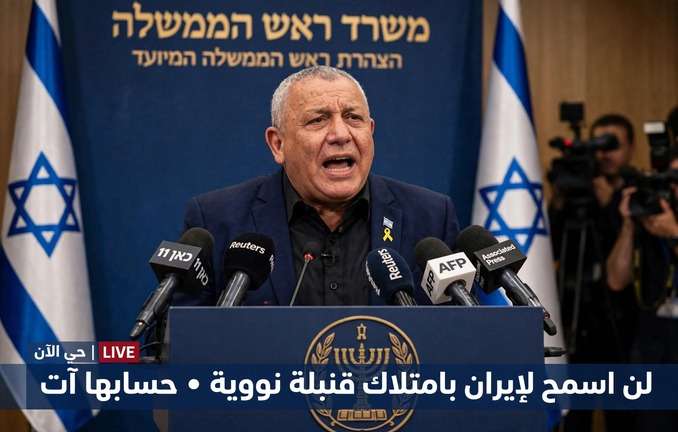
أفرزت الانتخابات الإسرائيلية الأخيرة وضعاً حرجاً بالنسبة لرئيس الوزراء السيد نتنياهو لعدم قدرته على تشكيل تحالف سياسي يمكّنه من تأليف حكومة، ما قد يرجّح كفّة رئيس الأركان السابق ورئيس حزب “يش عتيد” (أو كما ورد: يشار) الجنرال غادي أيزنكوت لتأليف الحكومة بدعم من النواب العرب، وهو ما يُعدّ موضوعاً حسّاساً في الشارع الإسرائيلي. فالنواب العرب يختلفون بتطلعاتهم عن مشروع الدولة، التي يرى السكان اليهود بأنها قامت لحمايتهم وتأمين استمراريتهم، بينما يرى النواب العرب أن هذه الدولة اغتصبت حقوق الفلسطينيين.
وكان السكان اليهود في إسرائيل قد رأوا بأمّ العين المواقف العربية عامة؛ أي في المناطق الفلسطينية وحتى العربية داخل إسرائيل، وكذلك في طول البلاد العربية وعرضها من حولهم، وخلال عشرين يوماً بعد تنفيذ الهجوم الذي قيل بأنه سيكون “مفتاح تحرير فلسطين من البحر إلى النهر وإعادة اليهود إلى البلاد التي قدموا منها”، وهي المهلة التي قدمتها إسرائيل للدول العربية المجاورة وبقية دول العالم لكي يبادر أي كان باقتراح حلول والقيام بمبادرات، أو ربما يستنكر رؤساء الدول وشعوبها ما قامت به “حماس”، وذلك قبل أن تبدأ الماكينة العسكرية الإسرائيلية بتحركها حول غزة، ردّاً على ما سُمّي بعملية “طوفان الأقصى”، والتي كانت قامت بها الحركة في السابع من أكتوبر/تشرين الأول سنة 2023 وأدت إلى فتح الحروب الدائرة حتى الآن بدون نتائج نهائية.
وبالرغم من كل القسوة والتضحيات، لم تنتهِ حركة “حماس” بعد، ولا هي اعترفت بمسؤوليتها عن إشعال الحرب، أو قبلت بتسليم السلاح والخروج من الحياة السياسية لسكان غزة، كما طلبت إسرائيل. ولم يؤدِ تدخل الرئيس ترامب بإنشاء “مجلس السلام العالمي” إلى نتائج ملموسة. وها هي حماس لا تزال تقبض على أعناق أهالي غزة وتسيطر على الحياة فيها. بينما كانت النتائج على الصعيد الإنساني مؤلمة جداً على المدنيين الفلسطينيين؛ سواء في عدد القتلى أو في كمية الدمار الذي تعرضت له المدينة، كما كان الحال بالنسبة لسكان القرى اليهودية حول القطاع، والذين تجاوز عدد القتلى بينهم 1200 ضحية وأكثر من ثلاثمئة أسير عاد أكثريتهم بعد إعلان وقف إطلاق النار الذي تعهد به الرئيس ترامب.
وطالما لم ينشق أي من الأحزاب التي تؤلف واحدة من الكتلتين الكبريين، فإن دعم الأحزاب العربية سيكون هو مفتاح الحل لتأليف حكومة برئاسة أيزنكوت أو التوجه نحو حكومة وحدة وطنية يشارك فيها الكل. وبانتظار تشكيل هذه الحكومة، والذي قد لا يتم في القريب العاجل، أو ربما تستمر المحاولات عدة أشهر، وقد تستدعي إعادة الانتخابات، فإن الأوضاع السياسية والقرارات العسكرية ستبقى بيد حكومة تصريف أعمال يستمر السيد نتانياهو برئاستها حتى تأليف حكومة جديدة. ولكن هذه الحكومة لن تتمكن من إدارة شؤون الدولة في مجالات كثيرة، بل سوف تكون ملزمة بالتشاور مع رئيس الكتلة البرلمانية الأكبر في القرارات المصيرية من الناحية العسكرية.
أما الوضع مع إيران، والذي كان تميّز بخوف إسرائيل من امتلاك إيران السلاح النووي والسعي لإقناع حكومة الملالي بالتخلي عن ذلك خلال محاولات متعددة من قبل الولايات المتحدة والدول الأوروبية، فإن التمسك بهذا الموضوع زاد بعد العمليات العسكرية التي قامت بها إسرائيل والولايات المتحدة في إيران خلال السنتين الأخيرتين. وبالرغم من كل الضغوط، لم يتمكن المجتمع الدولي ولا دول الخليج من إقناع الإيرانيين بالتخلي عن الفكرة والتسليم بالأمر الواقع والعودة إلى التفاوض الذي يسهم في اتفاق ينهي إمكانيات التخصيب المرتفعة، والتي يمكن استعمالها في برامج التسليح النووي. ومن هنا لا يزال التخوف من تجدد القتال سيد الموقف.
فهل سيسكت الإسرائيليون مع أيزنكوت -إذا تمكن من تأليف حكومة- ويقبلون بإغماض عيونهم عن هذا الخطر المحدق بهم من جهة الشرق، وقد جربوا خلال الحروب الماضية قدرة الإيرانيين الصاروخية على الوصول إلى أي مكان في إسرائيل، والتي لن يتطلب إنهاؤها أكثر من انفجار نووي واحد يشل الحركة ويسمم الأجواء ويؤدي إلى دمار أكبر من أن يُعاد التخلص منه لتتحقق مقولة السيد حسن نصرالله بأنها بالفعل “أوهى من بيت العنكبوت”؟
أم أن أيزنكوت -رئيس الأركان الذي عمل مع نتانياهو سابقاً، وهو صاحب نظرية ضرب الضاحية مقابل أي اعتداء من قبل حزب الله، والذي لن يساير الرئيس ترامب قطعاً كونه وقف ضده في الانتخابات- سيقبل بأن يترك إسرائيل تتعرض للتدمير من قبل إيران إرضاءً لطموحات ومشاريع لا تأخذ مصالحها بعين الاعتبار؟
الأيام القادمة ستكون مصيرية لمستقبل إسرائيل، وهي لا تبدو بأنها سوف تؤمن تحييدها عن الأخطار الكبرى بواسطة اتفاقات إقليمية أو دولية. فها هم العرب، وعلى رأسهم المملكة العربية السعودية التي تعاني من هجمات الحوثيين على أراضيها، يسايرون إيران ويلتحقون بحلف يضم باكستان النووية وأردوغان الذي لا يزال يحلم بالسلطنة العثمانية وإعادة بسط نفوذها على البحر والبر، ويستقوي بالإخوان المسلمين الذين يعتبرون، كالعثمانيين، بأن الجامعة الإسلامية فوق الدول وبأن الإسلام دين ودولة، والخليفة الذي يعتقد بأنه يسكن إسطنبول سوف يفرض ولايته على الكل. فكيف سيبدو بنو إسرائيل أمام الرب وهم لم يقدروا أن يحافظوا على العهد ولا أن يتحرروا من عبودية القوة والعدد؟
الأيام القادمة، خاصة بعد تقييد قدرات الرئيس ترامب من خلال نتائج الانتخابات في الولايات المتحدة نوعاً ما، ستظهر ما إذا كانت إيران سوف تتمسك بقراراتها وتفرض سيطرتها على حركة النقل البحري عبر مضيق هرمز، كمؤشر على نجاح خطتها بالتعنت في التفاوض وتراجع الضغط العسكري الأميركي عليها شيئاً فشيئاً، ما سيؤدي بدون شك إلى تمسّكها ببرنامجها النووي والصاروخي ومحافظتها على الأذرع التي بواسطتها تستمر بفرض الضغوط المتعددة الوجوه والأماكن على كل من يعاديها. وربما تتراجع الإدارة الأميركية مع الوقت عن المضي بتنفيذ الحصار الاقتصادي المحكم، ما سيؤدي، وتحت ضغوط نتائج الانتخابات الداخلية ومصالح بعض الكتل الاقتصادية الأميركية، إلى الإفراج عن أموال محتجزة مقابل مشاركة بعض الشركات الأميركية بمشاريع داخل إيران.
فهل ستغمض إسرائيل عيونها بزوال تأثير نتانياهو على الساحة ومطالبته الدائمة بوقف مشروع إيران النووي؟ أم أن ما كان يصرح به نتانياهو ليس من بنات أفكاره فقط، بل من تأثير مراكز الأبحاث الإسرائيلية التي تراقب بدقة ما يجري وتبادر لإرشاد المسؤولين عن الأخطار المحدقة بالدولة لتجنب الوقوع بها، ومن هنا فلن يكون تبدّل رأس السلطة نهاية للرؤية بعيدة المدى، بل قد يصبح تغييراً بالتكتيك مقابل الإصرار على الاحتراز والتحضر لكل السيناريوهات الممكنة؟ وإذا كان الرئيس ترامب قد قيّد تصرفات الرئيس نتانياهو بالتنسيق بينهما، فمن سيقيّد قرارات أيزنكوت؟ النواب العرب؟
What After the Election Results in Israel and the United States?
Colonel Charbel Barakat/November 09/2026
The recent Israeli elections produced an embarrassing situation for Prime Minister Benjamin Netanyahu, as he was unable to form a political alliance enabling him to establish a government. This may tip the scales in favor of former Chief of Staff and leader of the “Yesh Atid” party, General Gadi Eisenkot, to form a government with the support of Arab MKs—a sensitive issue in the Israeli street. Arab MKs differ in their aspirations from the state project, which Jewish residents believe was established to protect them and ensure their continuity, while Arabs view it as having usurped Palestinian rights.
Jewish residents in Israel witnessed firsthand general Arab positions—whether in the Palestinian territories, among Arab citizens inside Israel, or across the Arab world surrounding them—during the twenty days following the attack, which was said to be the “key to liberating Palestine from the river to the sea and returning Jews to the countries they came from.” This was the ultimatum given by Israel to neighboring Arab countries and the rest of the world for anyone to propose solutions and initiatives, or for world leaders and peoples to condemn Hamas’s actions, before the Israeli military machine began its movement around Gaza in response to the so-called “Al-Aqsa Flood” operation launched by the movement on October 7, 2023, which led to ongoing wars without definitive results.
Despite all the cruelty and sacrifices, Hamas has neither ended nor acknowledged its responsibility for igniting the war, nor has it agreed to surrender its arms and exit the political life of Gaza’s residents, as Israel demanded. President Trump’s intervention to establish a “Global Peace Council” did not yield tangible results. Hamas still holds the people of Gaza by the throat and controls life there. Meanwhile, the humanitarian consequences for Palestinian civilians were deeply painful, whether in the death toll or the massive destruction inflicted on the city, as was the case for the Jewish farming communities surrounding the strip, where casualties exceeded 1,200 victims and over 300 hostages, most of whom returned after the ceasefire announced by President Trump.
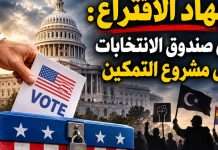
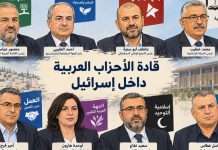
As long as none of the parties forming one of the two major blocs defects, Arab party support will be the key to forming a government led by Eisenkot or moving toward a national unity government in which everyone participates. Pending the formation of this government—which may not happen anytime soon, could take several months, or might necessitate new elections—political conditions and military decisions will remain in the hands of a caretaker government headed by Mr. Netanyahu until a new government is formed. However, this caretaker government will not be able to manage state affairs in many areas; rather, it will be obligated to consult with the leader of the largest parliamentary bloc on fateful military decisions.
As for the situation with Iran—which was characterized by Israel’s fear of Iran acquiring nuclear weapons and its pursuit to persuade the mullahs’ government to abandon them through multiple attempts by the United States and European countries—adherence to this issue has intensified following the military operations carried out by Israel and the US in Iran over the past two years. Despite all pressures, neither the international community nor the Gulf states have succeeded in
persuading the Iranians to abandon the idea, accept the status quo, and return to negotiations that could lead to an agreement ending high enrichment capabilities usable in nuclear weapons programs. Hence, the fear of renewed fighting remains the dominant sentiment.
Will Israelis remain silent under Eisenkot—if he manages to form a government—and agree to turn a blind eye to this looming threat from the east, having experienced in past wars the reach of Iranian ballistic capabilities that can hit anywhere in Israel? Bringing an end to the Jewish state would require no more than a single nuclear explosion that paralyzes movement, poisons the atmosphere, and causes destruction too vast to overcome, thereby fulfilling Sayyed Hassan Nasrallah’s famous quote that it is indeed “weaker than a spider’s web”?
Or will Eisenkot—the former chief of staff who previously worked with Netanyahu, the author of the “Dahiya doctrine” (striking the Dahiya suburb in response to any Hezbollah aggression), and someone who certainly will not pander to President Trump, having opposed him in the elections—accept letting Israel face destruction by Iran to satisfy ambitions and projects that disregard its interests?
The coming days will be decisive for Israel’s future, and it does not seem it will secure neutrality from major threats through regional or international agreements. Here are the Arabs, led by Saudi Arabia—which suffers from Houthi attacks on its territory—appeasing Iran and joining an alliance that includes nuclear Pakistan and Erdogan, who still dreams of the Ottoman Empire and re-extending its influence over land and sea, emboldened by the Muslim Brotherhood. Like the Ottomans, they believe the Islamic Caliphate is above states, that Islam is both a religion and a state, and that the Caliph residing in Istanbul will impose his mandate over all. How will the Children of Israel stand before God when they failed to keep the covenant or free themselves from the bondage of power and numbers?
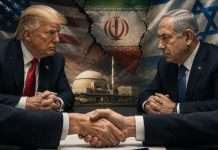
The coming days—especially after President Trump’s capabilities were somewhat curtailed by the US election results—will show whether Iran will adhere to its decisions and assert control over shipping traffic through the Strait of Hormuz. This would serve as an indicator of the success of its strategy of obstinacy in negotiations, alongside the gradual retreat of American military pressure upon it, which will undoubtedly lead it to hold onto its nuclear and missile programs and maintain the proxy arms through which it continues to exert multi-faceted pressures on its adversaries. Alternatively, the US administration may gradually back down from pursuing a tight economic blockade, leading—under domestic election pressures and the interests of certain American economic blocs—to the release of frozen funds in exchange for the participation of certain American companies in projects inside Iran.
Will Israel turn a blind eye with the fading of Netanyahu’s influence and his persistent demands to halt Iran’s nuclear project? Or were Netanyahu’s statements not merely his own brainchild, but rather influenced by Israeli research centers that closely monitor developments and guide officials regarding looming state threats to prevent falling victim to them? Thus, a change at the top of power will not mark the end of long-term vision; rather, it may become a change in tactics coupled with persistent caution and preparation for all possible scenarios. And if President Trump reined in President Netanyahu’s actions through coordination between them, who will restrain Eisenkot’s decisions? The Arab MKs?
السيرة الذاتية للكولونيل شربل بركات
خبير عسكري، كاتب، شاعر، مؤرخ، ومعلق سياسي
*ضابط متقاعد من الجيش اللبناني
*متخرج من المدرسة الحربية ومجاز بالعلوم السياسية والادارية من الجامعة اللبنانية
*كلف كأحد الضباط لتنظيم الدفاع عن القرى الحدودية منذ 1976
*تسلم قيادة تجمعات الجنوب
*تسلم قيادة القطاع الغربي في جيش لبنان الحر وأصبح مساعدا للرائد سعد حداد ثم تسلم قيادة الجيش بالوكالة عندما مرض الرائد حداد واستمر بعد وفاته حتى مجيء اللواء أنطوان لحد فأصبح مساعده ثم قائدا للواء الغربي في جيش لبنان الجنوبي
*ترك العمل العسكري في 1988 وتسلم العلاقات الخارجية
*شهد أمام لجنة العلاقات الخارجية في مجلس الشيوخ الأميركي مرتين
*كاتب سياسي وباحث في التاريخ له الكثير من الكتب والمقالات السياسية التاريخية والانسانية
نشر كتابه الأول “مداميك” (1999) الذي يحكي عن المنطقة الحدودية ومعاناة أهلها، ترجم إلى العبرية ونشرته معاريف (2001) والانكليزية (2012) Madameek – Courses – A struggle for Peace in a zone of war موجود على Amazon Books
*نشر كتابه الثاني “الجنوب جرحنا وشفانا” الذي يشرح الأحداث التي جرت في المنطقة بين 1976 – 1986
*الكتاب الثالث “Our Heritage” كتاب بالانكليزية يلخص التراث اللبناني مع رسومات لزيادة الاستيعاب موجه للشباب المغترب
*كتابه السياسي الثالث “لبنان الذي نهوى” (2022) جاهز للطبع
*كتاب مجزرة عين إبل 1920 وهو بحث تاريخي عن المجزرة التي ساهمت في نشوء وتثبيت لبنان الكبير
*كتاب “المقالات السياسية 2005 – 2013” مئة ومقالة منشور على صفحته
*كتاب “الشرق الأوسط في المخاض العسير” مجموعة مقالات سياسية (2013 – 2025)
*كتاب “العودة إلى عين إبل” بحث تاريخي بشكل قصصي عن تاريخ المنطقة بين 1600 – 1900
*كتاب شعر عن المعاناة خلال الحرب الكبرى 1914 – 1918 من خلال قصيدة زجلية نقدية جاهز للطبع
*كتاب “تاريخ فناء صور الخلفي” بحث تاريخي عن المنطقة الجنوبية – قيد الانجاز
*كتاب المقالات الانسانية وكتاب عينبليات قيد الانجاز