The Tragedy of the Shiites Today
Colonel Charbel Barakat/October 20/2026
مأساة الشيعة اليوم
الكولونيل شربل بركات/20 تشرين الأولم2026
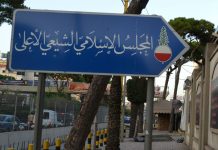
الطائفة الشيعية، التي قال رئيس وزراء إسرائيل السابق شمعون بيريز عنها، منذ خريف 1982، بأنها تشكّل “الجار الأقرب” لنا والذي يجدر بنا التنسيق معه. وقد حقق الحوار معها لاحقاً “مكتب لبنان” الذي كان يديره السفير المغفور له السيد لوبراني طيلة ثماني عشرة سنة، وأدى فيما بعد لتبني الجنرال باراك، الذي لقّبه البعض “نابليون الصغير”، فكرة الانسحاب من طرف واحد، أي حتى بدون التنسيق مع الدولة اللبنانية، التي كان يقيّدها في قراراتها الاحتلال السوري، ولم يكن من مصلحته آنذاك انسحاب إسرائيل، كما قيل، لكي لا يُفرض عليه التشبه بها وتنفيذ الانسحاب من طرفه أيضاً. هذه الطائفة الكريمة كانت تشكّل واحدة من الطوائف الأكثر انفتاحاً على بقية اللبنانيين والأكثر تقبّلاً للأفكار النقدية والبعد عن التطرف الديني، خاصة بين المثقفين من جماعتها، الذين توجّهوا نحو العلم والمعرفة لزيادة فرصهم في تولّي الوظائف والدخول إلى طبقة الصدارة الوطنية من بابها الواسع. ولكن تأثير الأحزاب أضاع فئة كبيرة منهم لدرجة تأييدهم الفكر الناصري الذي ناقض تطلعاتهم الوطنية في 1958، ومن ثم الفكر البعثي والقومي والشيوعي الذين جرفوهم نحو اليسار الغوغائي لتأييد منظمة التحرير الفلسطينية ضد مصلحتهم وكادوا أن يفقدوا الهوية الوطنية، ثم جاء الحرس الثوري، بعد اتفاق الأسد مع نظام الملالي والتخلي عن البعث لينعم بتوازن الدعم بين العرب والفرس، معتقداً بأنه قادر على التنعّم بالعطاءات بدون اضطراره لأخذ خيار واضح، فقيّدهم هذا بقيود الفكر الخميني الذي يسعى لتحويل الشرق الأوسط بكامله إلى إمبراطورية فارسية على غرار فتوحات قورش العظيم وخلفائه. وهو من ثم أدلجهم ليصبحوا أدوات ضمن المشروع الكبير لا حلم لها سوى تأمين الرضى المرتبط بإرادة الله والعامل من خلال التكليف الشرعي، فأسقط العقل ووأد المنطق واشترى الذمم، فلم يعد المتنورون قادرين على نقل النور إلى الأجيال الجديدة، بل اكتفوا بما يسهم فيه تدفق المال “الحلال” إذ عم خيره الجميع وكل بطريقة. فالأستاذ الذي حارب الإقطاع السياسي أصبح أكبر متموّل في الدولة وقد سمح له بعد القتال بين الحزب وأمل بأن يتولى ما ينتج عن الدولة ويوزع بعضه لجماعته بينما يستفرد الحزب تحت أوامر الإيرانيين بعطاءات دولة الملالي والخير المتدفق منها، كونه الذراع الأهم في تركيبة فيلق القدس ومجموعاته المقاتلة.
الإيرانيون جعلوا شيعة لبنان جزءاً أساسياً من خططهم الاستراتيجية، فهم العناصر التي تدرّب وتقود بين المجموعات العربية؛ من العراق إلى اليمن والبحرين والسعودية وبقية دول الخليج، لا بل وحتى في مصر والسودان والجزائر مع البوليساريو وغيرهم، وفي فنزويلا وباقي دول أميركا اللاتينية وبعض دول أوروبا، ومن هنا أهمية الارتباط وقيمة المصاريف التي تغدق من المؤسسات المالية والطبية والتربوية وخاصة تلك التي تحمل الطابع القتالي. وهم يعتبرون في مخططاتهم بأن لبنان هو الجبهة المتقدمة للدفاع عن الامتداد الإمبراطوري للجمهورية الخمينية، ليس فقط فيما يتعلق بإسرائيل، وإنما بمحاربة الغرب وعلى رأسه الولايات المتحدة. فخططهم تشمل طرد الجيوش “الأجنبية” من الشرق الأوسط وإحلال جيوش الحرس الثوري وأذرعها بدلاً منها. وهذا ما دفعهم لبناء الترسانة العسكرية في كل القرى والمدن التي يعيش فيها شيعة لبنان، وعلى امتداد المناطق اللبنانية. وهم أقنعوا بعض المنظورين بالطائفة للعمل على السيطرة على المناطق اللبنانية التي يعيش فيها غيرهم من الفئات، تحت شعار أنها كانت يوماً مناطق للشيعة، فيبنون فيها ويسيطرون عليها لكي يتمكنوا من فرض خططهم العسكرية على كامل الجغرافية اللبنانية كونها مناطق جبلية يصعب القتال فيها ولذا يسهل الدفاع عن من يتحصن داخلها.
المشروع الإيراني لا يأخذ بعين الاعتبار مصلحة الطائفة الشيعية في لبنان بل ما تستطيع تقديمه لمساندة وتنفيذ التوسع الإمبراطوري. وإسرائيل في مخططاتهم ليست العدو الرئيسي بل الوسيلة لجمع بقية المركبات حولهم لكي تسهل السيطرة على كامل الشرق الأوسط. من هنا النفس الطويل الذي يتحلون به ومحاولة اللعب على مصالح الدول الآنية لكسب الوقت والتركيز على المشروع النووي الذي وحده يمنحهم الحماية الكافية للاستمرار في السيطرة.
ماذا يمكن للبنان أن يفعل لكي يعيد الطائفة الشيعية إلى حضن الوطن ويمنع استغلالها والتفريط بها من أجل مصالح إيران؟
· أولاً، يجب الانتهاء من سيطرة الحزب الذي يعتبر جزءاً أساسياً في المشروع الإيراني وذلك بأية طريقة ممكنة، ولا يجوز أن يبقى حزباً مسلحاً قادراً على التأثير على الأرض.
· ثانياً، يجب أن يُشهّر بالحزب وقيادته ويمنع من ممارسة أي دور على الصعيد الوطني، فهو ذراع إيراني لا دخل له بلبنان وهو يضر بالطائفة الشيعية ويجعل من أبنائها وقوداً للمشروع الإيراني لا رأي لهم.
· ثالثاً، يجب على بقية الأحزاب والمجموعات الشيعية أن تتخلى عن الحزب وتبرز الخطر الذي يمثله وتسعى لتغيير المفاهيم التي اعتاد الحزب على تعميمها ضمن الطائفة.
· رابعاً، على الدولة أن تقوم بإعادة تأهيل شاملة ومتقنة لكل العناصر التي تعرضت لغسل الدماغ والعودة إلى طرح سياسي يبعد عن استغلال الدين والطائفة ويبني على التقارب بين اللبنانيين.
· خامساً، يجب مصادرة الأموال والمؤسسات والإمكانيات التي يستعملها الحزب لإقناع الناس بأنه يسهم في مساعدتهم، وتسليمها للدولة التي تقوم هي بدور المساعدة على إعادة الإعمار وإسكان المهجرين والتخفيف من معاناة الناس.
· سادساً، يجب إقفال مدارس المهدي وشبيهاتها على جميع الأراضي اللبنانية وتوقيف العمل بالحوزات الدينية التي تخجّر من يدّعون الفقه لأنهم كلهم مأجورون، وإعادة النظر بالبرامج التعليمية فيها.
· سابعاً، يجب الإسراع بتصليح وضع الشيعة في لبنان وتخليصهم من سيطرة الثنائي، لأن ممارسات الرئيس بري وطاقمه أضرت بالطائفة بتسليمها السلطة للحزب والتنعم بالفساد وتعميمه. ومن هنا يجب أن يؤلف مجلس من أبناء الطائفة الغيورين الذين لم تلطخ أيديهم بالمال الإيراني، الذي أذل الطائفة وجيرها لدولة الملالي حتى لو لم يسكنوا لبنان، لكي يسهموا في إعادة بناء الأسس التي يجب أن تقوم عليها خاصة التربية وإعادة التأهيل والتي يجب أن تطال كل المناصب مهما علت، لأن الفساد تمكّن في مفاصل كثيرة مدنية ودينية.
عندها فقط سيفهم المواطن العادي بأن كل ما قيل له لم يكن واقعياً وكل ما تعرض له لم يكن أمراً طبيعياً، وأن الأمل في التغيير والمستقبل يبنى على أسس صحيحة لا على زيادة الغلط والترقيع المستمر. وحتى ذلك الحين نتمنى أن يستقر الوضع في لبنان ويتعلم الحكم من أخطائه فيُقدم ولا يخاف، ويضبط الأمور ويمسك بها، ومن ثم يفتح باب السلام الدائم والتعاون مع الجيران على بناء علاقات طبيعية تسهم في إعادة الإعمار مرة لكل المرات، وقد انتهت الحروب وبعدت الصراعات وأصبح التركيز على صناعة المستقبل فقط، فيحلم الكل بأن يُبنى وطن يُفخر به ومؤسسات تسهم في تقدم بنيه.
The Tragedy of the Shiites Today
Colonel Charbel Barakat/October 20/2026
The Shiite community is the one of which former Israeli Prime Minister Shimon Peres said in the fall of 1982 that it constitutes our ‘closest neighbor’ with whom we ought to coordinate. Dialogue with them was subsequently carried out by the ‘Lebanon Bureau,’ which was managed by the late Ambassador Uri Lubrani for eighteen years, and later led General Barak—dubbed by some as the ‘Little Napoleon’—to adopt the idea of a unilateral withdrawal, meaning even without coordination with the Lebanese state, whose decisions were constrained by the Syrian occupation. At the time, it was not in Syria’s interest for Israel to withdraw, as some said, so that Syria would not be forced to follow suit and carry out a withdrawal of its own.
This noble community was once one of the most open communities toward other Lebanese, the most accepting of critical thought, and the furthest removed from religious extremism, especially among its intellectuals who turned toward science and knowledge to increase their employment opportunities and enter the upper echelons of national leadership through the widest door. However, the influence of political parties led a large faction of them astray—to the point of supporting Nasserist ideology, which contradicted their national aspirations in 1958, followed by Baathist, nationalist, and communist ideologies that swept them toward rowdy leftist movements to support the Palestine Liberation Organization against their own interests, nearly causing them to lose their national identity. Then came the Revolutionary Guard, following the agreement between Assad and the mullahs’ regime (which abandoned Baathism to enjoy balanced support between Arabs and Persians) believing it could enjoy bounty without having to make a clear choice. This bound them with the fetters of Khomeini’s ideology, which seeks to transform the entire Middle East into a Persian empire akin to the conquests of Cyrus the Great and his successors. Consequently, it indoctrinated them to become tools within the grand project, having no dream other than securing satisfaction tied to the will of God and operating through divine assignment (taklif shar’i), thus casting aside reason, burying logic, and buying consciences. Enlightened individuals were no longer able to pass the light on to new generations; instead, they settled for whatever accompanied the flow of ‘halal’ money, the goodness of which spread to everyone in its own way. The professor (Berri) who fought political feudalism became the largest financier in the state, and after the fighting between the Party and Amal, he was permitted to take charge of state outputs and distribute some to his group, while the Party—under Iranian orders—monopolized the bounties of the mullahs’ regime and the flowing goodness, being the most crucial arm in the structure of the Quds Force and its combat groups.
The Iranians made Lebanon’s Shiites an essential part of their strategic plans; they are the elements who train and lead among Arab groups from Iraq to Yemen, Bahrain, Saudi Arabia, and the rest of the Gulf countries, and even in Egypt, Sudan, Algeria (with the Polisario and others), Venezuela, the rest of Latin America, and certain European countries. Hence the importance of this affiliation and the value of the funds lavished by
financial, medical, educational, and especially combat-oriented institutions. In their plans, they consider Lebanon to be the advanced front line for defending the imperial expansion of the Khomeini republic, not only regarding Israel, but also in fighting the West, headed by the United States. Their plans include expelling ‘foreign’ armies from the Middle East and replacing them with the armies of the Revolutionary Guard and its proxies. This is what drove them to build military arsenals in every village and town inhabited by Lebanese Shiites, and across all Lebanese regions. They convinced certain prominent figures within the community to work toward taking over Lebanese regions inhabited by other groups, under the slogan that these were once Shiite areas, building upon them and seizing control so they can impose their military plans across the entirety of Lebanese geography, as these are mountainous regions where fighting is difficult and defending those entrenched within them is easy.
The Iranian project does not take into account the interests of the Shiite community in Lebanon, but rather what it can offer to support and execute imperial expansion. In their plans, Israel is not the primary enemy, but the vehicle to rally other components around them to facilitate control over the entire Middle East. This explains their long-term patience, their manipulation of short-term state interests to gain time, and their focus on the nuclear program, which alone grants them sufficient protection to maintain control.
What can Lebanon do to bring the Shiite community back to the bosom of the homeland and prevent its exploitation and squandering for Iran’s interests?
– First, the control of the Party—which is an essential part of the Iranian project—must be ended by any means possible, and it must not remain an armed party capable of exerting influence on the ground.
– Second, the Party and its leadership must be exposed and barred from playing any national role; it is an Iranian arm with nothing to do with Lebanon, and it harms the Shiite community by turning its sons into fuel for the Iranian project with no voice of their own.
– Third, the remaining Shiite parties and groups must abandon the Party, highlight the danger it poses, and seek to change the concepts the Party has accustomed the community to circulate.
– Fourth, the state must undertake a comprehensive and meticulous rehabilitation of all elements who have undergone brainwashing, returning to a political platform away from the exploitation of religion and sect, building upon rapprochement among Lebanese.
– Fifth, the funds, institutions, and capabilities used by the Party to convince people that it contributes to aiding them must be confiscated and handed over to the state, so that the state can play the role of assisting in reconstruction, housing the displaced, and alleviating people’s suffering.
– Sixth, Al-Mahdi schools and similar institutions must be closed across all Lebanese territories, work in religious seminaries that graduate those who claim jurisprudence (as they are all hirelings) must be halted, and their educational curricula must be reconsidered.
– Seventh, the situation of the Shiites in Lebanon must be swiftly repaired and freed from the control of the ‘Duo,’ because the practices of President Berri and
his crew have harmed the community by handing its authority over to the Party and embracing and institutionalizing corruption. Therefore, a council must be formed comprising zealous members of the community whose hands have not been tainted by Iranian money—which humiliated the community and subordinated it to the mullahs’ regime—even if they do not reside in Lebanon. They should contribute to rebuilding the foundations upon which the community must rest, particularly education and rehabilitation, which must reach all positions no matter how high, as corruption has taken root in many civil and religious joints.
Only then will the ordinary citizen understand that everything told to them was unrealistic, everything they endured was abnormal, and that hope for change and the future is built upon correct foundations rather than compounding mistakes and endless patching. Until then, we hope the situation in Lebanon stabilizes, the ruling authority learns from its mistakes so it steps forward without fear, takes charge and masters matters, and then opens the door to permanent peace and cooperation with neighbors to build normal relations that contribute to reconstruction once and for all. Wars having ended and conflicts having receded, the focus will turn solely to crafting the future, so that everyone may dream of a proud homeland and institutions that advance its people.
السيرة الذاتية للكولونيل شربل بركات
خبير عسكري، كاتب، شاعر، مؤرخ، ومعلق سياسي
*ضابط متقاعد من الجيش اللبناني
*متخرج من المدرسة الحربية ومجاز بالعلوم السياسية والادارية من الجامعة اللبنانية
*كلف كأحد الضباط لتنظيم الدفاع عن القرى الحدودية منذ 1976
*تسلم قيادة تجمعات الجنوب
*تسلم قيادة القطاع الغربي في جيش لبنان الحر وأصبح مساعدا للرائد سعد حداد ثم تسلم قيادة الجيش بالوكالة عندما مرض الرائد حداد واستمر بعد وفاته حتى مجيء اللواء أنطوان لحد فأصبح مساعده ثم قائدا للواء الغربي في جيش لبنان الجنوبي
*ترك العمل العسكري في 1988 وتسلم العلاقات الخارجية
*شهد أمام لجنة العلاقات الخارجية في مجلس الشيوخ الأميركي مرتين
*كاتب سياسي وباحث في التاريخ له الكثير من الكتب والمقالات السياسية التاريخية والانسانية
نشر كتابه الأول “مداميك” (1999) الذي يحكي عن المنطقة الحدودية ومعاناة أهلها، ترجم إلى العبرية ونشرته معاريف (2001) والانكليزية (2012) Madameek – Courses – A struggle for Peace in a zone of war موجود على Amazon Books
*نشر كتابه الثاني “الجنوب جرحنا وشفانا” الذي يشرح الأحداث التي جرت في المنطقة بين 1976 – 1986
*الكتاب الثالث “Our Heritage” كتاب بالانكليزية يلخص التراث اللبناني مع رسومات لزيادة الاستيعاب موجه للشباب المغترب
*كتابه السياسي الثالث “لبنان الذي نهوى” (2022) جاهز للطبع
*كتاب مجزرة عين إبل 1920 وهو بحث تاريخي عن المجزرة التي ساهمت في نشوء وتثبيت لبنان الكبير
*كتاب “المقالات السياسية 2005 – 2013” مئة ومقالة منشور على صفحته
*كتاب “الشرق الأوسط في المخاض العسير” مجموعة مقالات سياسية (2013 – 2025)
*كتاب “العودة إلى عين إبل” بحث تاريخي بشكل قصصي عن تاريخ المنطقة بين 1600 – 1900
*كتاب شعر عن المعاناة خلال الحرب الكبرى 1914 – 1918 من خلال قصيدة زجلية نقدية جاهز للطبع
*كتاب “تاريخ فناء صور الخلفي” بحث تاريخي عن المنطقة الجنوبية – قيد الانجاز
*كتاب المقالات الانسانية وكتاب عينبليات قيد الانجاز