The Land Transport Strike: Another One of Nabih Berri’s Political Rabbits to Blackmail the State and Once Again Flex Iranian Muscles at the Expense of the Lebanese People!
Elias Bejjani/November 25 2026
إضراب قطاع النقل البري: أرنب من أرانب نبيه بري الجديد لابتزاز الدولة وإعادة استعراض العضلات الإيرانية على حساب اللبنانيين!
الياس بجاني/25 تشرين الثاني/2026
ليس مستغرباً أن يستفيق قطاع النقل البري في لبنان، بقياداته النقابية الموروثة من زمن الوصاية السورية، على قرار الإضراب وتعطيل البلاد وشلّ حركة المواطنين ومصالحهم. المستغرب فعلاً هو توقيت هذه الخطوة، والجهات التي تقف وراءها، والأهداف السياسية التي تخدمها، خصوصاً أنها تأتي مباشرة بعد المواقف الوطنية والسيادية التي أطلقها رئيس الجمهورية العماد جوزيف عون في ذكرى الاستقلال، والتي سمّى فيها الأمور بأسمائها، ووضع الإصبع على جرح الاحتلال الإيراني، وممارسات حزب الله الإرهابية، وحروبه العبثية التي دمّرت لبنان وعرّضت شعبه وسيادته ومستقبله للخطر.
فهل نحن أمام تحرك نقابي بريء للدفاع عن حقوق العاملين في قطاع النقل؟ أم أمام عملية سياسية منظمة، مغلّفة بمطالب مطلبية، هدفها توجيه رسالة تهديد وابتزاز إلى الدولة ورئيس الجمهورية، وإفهام اللبنانيين أن منظومة الهيمنة والوصاية الإيرانية لا تزال تملك أدوات التعطيل والضغط والشارع والنقابات؟
إن النظر إلى هوية قيادة هذا القطاع، وفي مقدمتها بسام طليس، القيادي في حركة أمل وأحد المحسوبين سياسياً وتنظيمياً على رئيس مجلس النواب نبيه بري، يجعل من الصعب فصل الدعوة إلى الإضراب عن الحسابات السياسية المعروفة لهذه المنظومة.
نبيه بري يحرّك أدواته لإبلاغ طهران أنه لا يزال ممسكاً بالأرض والنقابات!
نبيه بري، رئيس حركة أمل والحليف الاستراتيجي لحزب الله الإرهابي ليس مجرد رئيس لمجلس النواب، بل هو أحد أركان منظومة المحاصصة والإحتلال والتعطيل والهيمنة التي كبّلت المؤسسات الدستورية وأفرغت الحياة السياسية من مضمونها الوطني والسيادي. إن هذا الرجل، الذي أطلق عليه اللبنانيون تسميات ساخرة من بينها «أبو الطقيات والأرانب»، اعتاد التعامل مع المؤسسات والنقابات والقطاعات العامة باعتبارها ساحات نفوذ وأدوات ضغط، لا مؤسسات مستقلة يفترض أن تعمل لمصلحة المواطنين والعمال. من هنا، لا يمكن التعامل مع إضراب بسام طليس بمعزل عن موقعه السياسي والتنظيمي داخل حركة أمل، ولا عن ارتباطه بمنظومة بري. فالتوقيت يطرح سؤالاً سياسياً مشروعاً: هل يريد بري أن يبعث برسالة إلى طهران مفادها أنه لا يزال رجلها القوي في لبنان، وأنه ما زال قادراً على تحريك الشارع وتعطيل البلاد والإمساك بمفاصل النقابات والقطاعات المهنية؟
إن كانت هذه هي الرسالة، فهي رسالة ابتزاز سياسي مكشوف، يدفع المواطن اللبناني ثمنها من رزقه وأعصابه ووقته وحقه في التنقل والعمل. فلبنان ليس مزرعة خاصة ببري، ولا النقابات ملكاً لحركة أمل، ولا قطاع النقل البري جهازاً لتنفيذ الأوامر السياسية الإيرانية، ولا حقوق العمال ورقة تستخدمها منظومة حزب الله وحلفائه عندما تشعر بأن نفوذها مهدد.
بسام طليس وبشارة الأسمر: نموذج النقابات التي أفسدتها الوصاية
إن أزمة النقابات اللبنانية ليست وليدة اليوم. فمنذ سنوات الاحتلال السوري، جرى إخضاع قطاعات واسعة من الحركة النقابية لمنظومة الوصاية الأمنية والسياسية، وتحويل العديد من مواقعها القيادية إلى مواقع نفوذ وتبعية، بدلاً من أن تكون منصات مستقلة للدفاع عن حقوق العمال ومصالحهم.
وبعد انسحاب الجيش السوري سنة 2005، لم تنتهِ هذه الممارسات، بل استمرت قوى سياسية وميليشياوية في المحافظة على نفوذها داخل مؤسسات وقطاعات نقابية، مستفيدة من شبكات المحاصصة والتبعية التي تأسست خلال سنوات الاحتلال. وفي هذا السياق، يبرز اسما بسام طليس وبشارة الأسمر، الذي عُيّن في مجلس إدارة الصندوق الوطني للضمان الاجتماعي، باعتبارهما من الوجوه النقابية التي تثير مواقفها وارتباطاتها السياسية تساؤلات جدية حول استقلالية العمل النقابي اللبناني. إن النقابات التي تتحول إلى أبواق سياسية، وتضع إمكاناتها في خدمة الزعامات والأحزاب، تفقد شرعيتها الأخلاقية والتمثيلية، وتتحول من مؤسسات للدفاع عن العمال إلى أدوات لتعطيل الدولة وابتزازها. وومن المؤسف أن اللبنانيين، الذين دفعوا أثماناً باهظة نتيجة عقود من الوصاية السورية والهيمنة الإيرانية، لا يزالون يجدون أنفسهم أمام قيادات نقابية تتصرف وكأن البلاد لم تغادر زمن فرمانات الوصاية، وكأن مصالح المواطنين لا قيمة لها أمام حسابات زعماء المحاور.
لماذا الآن؟ ولماذا بعد كلام رئيس الجمهورية في ذكرى الاستقلال؟ هذا هو السؤال المركزي الذي لا يجوز القفز فوقه.
لقد جاءت الدعوة إلى الإضراب في توقيت سياسي بالغ الدلالة، بعد مواقف رئيس الجمهورية جوزيف عون التي تناولت واقع حزب الله وسلاحه وحروبه وتدخلات إيران في الشؤون اللبنانية. فبدلاً من أن تتجه القوى المعنية إلى نقاش وطني مسؤول حول استعادة سيادة الدولة وحصرية قرار الحرب والسلم بيد مؤسساتها الشرعية، نرى تحركاً نقابياً من انتاج واخراج وتنفيز وفرمانات نبيه بري ومن خلفه حزب الله الإراهي والجهادي الإيراني يهدد بشلّ البلاد وتعطيل مصالح الناس. ترى هل هي مصادفة؟ أم أن هناك من يريد أن يقول لرئيس الجمهورية والحكومة وسائر اللبنانيين إن مجرد الاقتراب من ملف السلاح والهيمنة الإيرانية سيقابَل بتحريك الشارع وإقفال الطرقات وتعطيل الحياة العامة؟ إن استعمال المطالب الاجتماعية والاقتصادية غطاءً لمعارك النفوذ السياسي أمر مرفوض. فالعمال والسائقون ليسوا جنوداً في معارك بري، ولا ينبغي أن يتحولوا إلى وقود لمشاريع حزب الله أو أية جهة خارجية. وإذا كانت هناك مطالب محقة لقطاع النقل، فلتُطرح عبر الحوار والمؤسسات والقوانين، لا عبر تهديد اللبنانيين بإقفال الطرقات وشلّ الحركة في معظم المناطق.
النقابات ليست ميليشيات، وحقوق العمال ليست فرمانات حزبية!
إن ما يحتاج إليه لبنان اليوم هو نقابات مستقلة، شفافة، منتخبة بحرية، وتعمل وفق مصالح أعضائها، لا نقابات تستمد قوتها من الزعامات السياسية والارتباطات الحزبية. لقد آن الأوان لكسر الإرث النقابي الذي تأسس في ظل الاحتلال السوري، واستمر تحت مظلة تحالف قوى الأمر الواقع، وفي مقدمها حركة أمل وحزب الله. كماولا يجوز أن تبقى النقابات رهينة شبكة من المصالح السياسية والمالية، فيما العامل اللبناني يعاني من انهيار الأجور، وارتفاع الأسعار، وانعدام الحماية الاجتماعية، وتراجع الخدمات، وانهيار الدولة. فإن الإضراب الذي يؤدي إلى شلّ البلاد، من دون وضوح كافٍ حول أهدافه وتوقيته وخلفياته، وفي ظل مناخ سياسي مشحون، لا يمكن اعتباره مجرد تحرك مطلبي عادي. إنه تصرف بالغ الخطورة، خصوصاً إذا استُخدم لتأجيج الانقسامات وإعادة إنتاج مناخ التهديد والهيمنة.
إن خطورة تحويل النقابات إلى أدوات في الصراع السياسي، واستخدام الشارع لفرض إرادة فريق على بقية اللبنانيين، من شأنه أن يهدد السلم الأهلي ويثير النعرات ويخدم عملياً مناخ التطرف والإرهاب والوصاية الإيرانية. من هنا المطلوب:
التحقيق والمساءلة وحماية حق اللبنانيين في التنقل
مطالبة الحكومة ووزارتي الداخلية والعمل، والأجهزة القضائية المختصة، بالتعامل الجدي مع أي تحرك يهدف إلى فرض تعطيل قسري للحياة العامة أو تهديد سلامة المواطنين ومصالحهم.
المطالبة بفتح تحقيق شفاف في خلفيات الدعوة إلى الإضراب، ومصادر القرار، والجهات السياسية التي تقف وراءه، ومدى قانونية الإجراءات التي يجري التهديد باتخاذها.
وإذا ثبت وجود تحريض على العنف، أو تهديد للمواطنين، أو إكراه للسائقين والعمال، أو تعطيل غير قانوني للمرافق والطرقات، فيجب ملاحقة المسؤولين عنه ومحاسبتهم أمام القضاء، بمن فيهم بسام طليس وكل من يثبت تورطه، أياً كانت مرجعيته السياسية أو الحزبية.
على الدولة أن تحمي حق المواطنين في التنقل والعمل، وأن تمنع الاعتداء على الطرقات والممتلكات العامة والخاصة، وألا تسمح لأي جهة حزبية أو نقابية بأن تتصرف وكأنها صاحبة السيادة والقرار.
إن زمن الإحتلال السوري انتهى، والمطلوب ان ينتهي الإحتلال الإيراني وأن تنتهي ثقافة الخضوع والتبعية والفساد وتسييس النقابات.
وإن زمن الهيمنة الإيرانية يجب أن ينتهي أيضاً، ومعه زمن تحويل لبنان إلى ساحة لحروب حزب الله ومشاريع الحرس الثوري الإيراني، وزمن استعمال مؤسسات الدولة والشارع والنقابات كأدوات لحماية السلاح غير الشرعي ومصالح منظومة الفساد. إن نبيه بري، مهما امتلك من نفوذ سياسي ونقابي، ليس فوق الدستور، ولا يحق له أو لحلفائه استخدام مصالح اللبنانيين وسيلة لإرسال الرسائل إلى طهران أو للرد على مواقف رئيس الجمهورية.
وبسام طليس، كما سائر القيادات النقابية، ليسوا فوق المساءلة، ولا يجوز أن يتحول أي موقع نقابي إلى منصة لتنفيذ أجندات حزبية على حساب الشعب. نحن مع حقوق العمال والسائقين، ومع نقابات حرة ومستقلة، ومع الإضراب القانوني عندما يكون دفاعاً حقيقياً عن الحقوق. ولكننا ضد الإضرابات المسيسة، وضد الابتزاز، وضد تحويل لقمة عيش الناس وحقهم في التنقل إلى رهينة في أيدي منظومة السلاح والفساد والهيمنة.لبنان يحتاج إلى دولة لا إلى دويلات، وإلى مؤسسات لا إلى أدوات، وإلى نقابات تحمي العمال لا إلى أبواق تردد فرمانات الزعماء. فليعلم بري وحلفاؤه أن لبنان ليس ملكاً لهم، وأن زمن إخضاع اللبنانيين بالتهديد والتعطيل والابتزاز يجب أن ينتهي، وأن استعادة السيادة تبدأ أيضاً بتحرير النقابات والمؤسسات من قبضة الوصاية والفساد والإرهاب.
عاش لبنان سيداً حراً مستقلاً، وتسقط كل مشاريع الهيمنة والوصاية والاحتلال والإرهاب!
***الكاتب ناشط لبناني اغترابي
رابط موقع الكاتب الإلكتروني
https://eliasbejjaninews.com
عنوان الكاتب الإلكتروني
phoenicia@hotmail.com
The Land Transport Strike: Another One of Nabih Berri’s Political Rabbits to Blackmail the State and Once Again Flex Iranian Muscles at the Expense of the Lebanese People!
Elias Bejjani/November 25 2026
It is hardly surprising that Lebanon’s land transport sector, with its trade union leadership inherited from the era of Syrian tutelage, should suddenly awaken to the idea of launching a strike, disrupting the country, paralyzing citizens’ movements, and obstructing their livelihoods and interests. What is genuinely surprising is the timing of this move, the parties standing behind it, and the political objectives it serves. This is particularly significant because it comes immediately after the national and sovereign positions expressed by President of the Republic General Joseph Aoun on Independence Day. In his remarks, he called things by their proper names and pointed directly to the wound of the Iranian occupation, Hezbollah’s terrorist practices, and its futile wars that have devastated Lebanon and endangered its people, sovereignty, and future.
Are we witnessing an innocent trade union action intended to defend the rights of workers in the transport sector? Or are we facing an organized political operation, disguised as a labor-related protest, whose objective is to send a message of intimidation and blackmail to the state and the President of the Republic, while making it clear to the Lebanese that the Iranian system of domination and tutelage still possesses the tools to obstruct, exert pressure, mobilize the streets, and manipulate trade unions?
A look at the leadership of this sector, foremost among them Bassam Tlais, a leading figure in the Amal Movement and someone politically and organizationally affiliated with Parliament Speaker Nabih Berri, makes it difficult to separate the strike call from the familiar political calculations of this establishment.
Nabih Berri Is Mobilizing His Tools to Tell Tehran That He Still Controls the Streets and the Trade Unions!
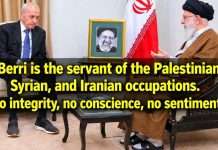
Nabih Berri, head of the Amal Movement and a strategic ally of the terrorist Hezbollah, is not merely the Speaker of Parliament. He is one of the pillars of a system of political patronage, occupation, obstruction, and domination that has shackled constitutional institutions and stripped political life of its national and sovereign substance. This man, whom the Lebanese have mockingly nicknamed, among other things, “the father of the caps and rabbits,” has grown accustomed to treating institutions, trade unions, and public sectors as spheres of influence and instruments of pressure rather than independent bodies that are supposed to serve citizens and workers.
Consequently, Bassam Tlais’s strike cannot be viewed separately from his political and organizational position within the Amal Movement or his affiliation with Berri’s establishment. The timing raises a legitimate political question: Is Berri seeking to send Tehran a message that he remains its powerful man in Lebanon, and that he is still capable of mobilizing the streets, paralyzing the country, and maintaining his grip on the key structures of trade unions and professional sectors?
If this is indeed the message, then it is an openly political act of blackmail, with ordinary Lebanese citizens paying the price through their livelihoods, nerves, time, and fundamental right to move freely and work.
Lebanon is not Berri’s private farm. Trade unions do not belong to the Amal Movement. The land transport sector is not an apparatus for implementing Iranian political orders, and workers’ rights are not bargaining chips to be exploited by Hezbollah and its allies whenever they feel their influence is threatened.
Bassam Tlais and Beshara Al-Asmar: Examples of Trade Unions Corrupted by Political Tutelage
The crisis of Lebanese trade unions did not begin today. During the years of Syrian occupation, broad sectors of the trade union movement were brought under the control of the security and political tutelage system. Many leadership positions were transformed into centers of influence and subordination instead of serving as independent platforms for defending workers’ rights and interests.
Following the withdrawal of the Syrian army in 2005, these practices did not come to an end. Political and militia forces continued to preserve their influence within trade union institutions and sectors, taking advantage of networks of political patronage and dependency established during the occupation.
In this context, the names of Bassam Tlais and Beshara Al-Asmar stand out. Al-Asmar was appointed to the board of directors of the National Social Security Fund. Both are trade union figures whose positions and political affiliations raise serious questions about the independence of Lebanon’s trade union movement.
When trade unions become political mouthpieces and place their capabilities at the service of political leaders and parties, they lose their moral and representative legitimacy. Instead of remaining institutions dedicated to defending workers, they become instruments for obstructing and blackmailing the state.
It is regrettable that the Lebanese people, who have paid a heavy price for decades of Syrian tutelage and Iranian domination, still find themselves confronted by trade union leaders who behave as though the country has never emerged from the era of political decrees issued under foreign tutelage, and as though citizens’ interests count for nothing when measured against the calculations of regional power brokers. Why now? And why immediately after the President of the Republic’s Independence Day remarks? This is the central question that cannot be ignored.
The strike call came at a politically significant moment, following President Joseph Aoun’s positions concerning Hezbollah, its weapons, its wars, and Iran’s interference in Lebanese affairs.
Instead of the concerned forces engaging in a responsible national debate about restoring state sovereignty and ensuring that decisions of war and peace rest exclusively in the hands of legitimate state institutions, we are witnessing a trade union action allegedly produced, directed, and implemented according to Nabih Berri’s orders and political decrees, with the backing of Hezbollah, the Iranian terrorist and jihadist organization, threatening to paralyze the country and disrupt people’s livelihoods.
Is this merely a coincidence? Or is someone trying to tell the President of the Republic, the government, and all Lebanese citizens that even approaching the issue of weapons and Iranian domination will be met with street mobilization, road closures, and the disruption of public life?
Using social and economic demands as a cover for political power struggles is unacceptable. Workers and drivers are not soldiers in Berri’s battles, and they must not become fuel for Hezbollah’s projects or those of any foreign power. If the land transport sector has legitimate demands, they should be presented through dialogue, institutions, and the law, not through threats to close roads and paralyze traffic across most parts of the country.
Trade Unions Are Not Militias, and Workers’ Rights Are Not Party Decrees!
What Lebanon needs today is independent, transparent trade unions, freely elected and committed to serving the interests of their members, not unions whose power derives from political leaders and partisan affiliations.
The time has come to break the trade union legacy established under the Syrian occupation and perpetuated under the umbrella of the alliance of de facto powers, foremost among them the Amal Movement and Hezbollah. Nor can trade unions remain hostage to a network of political and financial interests while Lebanese workers suffer from collapsing wages, rising prices, the absence of social protection, deteriorating public services, and the collapse of the state. A strike that paralyzes the country without sufficient clarity regarding its objectives, timing, and underlying motives, particularly amid a highly charged political atmosphere, cannot be considered an ordinary labor protest. It is an extremely dangerous course of action, especially if used to inflame divisions and recreate an atmosphere of intimidation and domination.
The danger of turning trade unions into instruments of political conflict and using the streets to impose one faction’s will on the rest of the Lebanese people is that it threatens civil peace, fuels tensions, and effectively serves the climate of extremism, terrorism, and Iranian tutelage.
Accordingly, the following measures are required:
Investigation, Accountability, and Protection of the Lebanese People’s Right to Travel and Move Freely
The government, the Ministries of Interior and Labor, and the competent judicial authorities must take any action aimed at forcibly disrupting public life or threatening citizens’ safety and interests seriously.
A transparent investigation must be opened into the background of the strike call, the sources of the decision, the political parties behind it, and the legality of the measures being threatened.
If evidence establishes incitement to violence, threats against citizens, coercion of drivers and workers, or the unlawful obstruction of public facilities and roads, those responsible must be prosecuted and held accountable before the courts. This includes Bassam Tlais and anyone else proven to have been involved, regardless of their political or partisan affiliation.
The state must protect citizens’ rights to travel, move freely, and work. It must prevent attacks on roads and public and private property, and must not allow any political party or trade union organization to behave as though it alone possesses sovereignty and decision-making authority.
The era of Syrian occupation has ended. The Iranian occupation must also come to an end, along with the culture of submission, dependency, corruption, and the politicization of trade unions.
The era of Iranian domination must end as well, together with the practice of turning Lebanon into an arena for Hezbollah’s wars and the Iranian Revolutionary Guard’s projects. The use of state institutions, the streets, and trade unions as instruments to protect illegal weapons and the interests of the corrupt establishment must also end. Regardless of the political and trade union influence Nabih Berri may possess, he is not above the Constitution. Neither he nor his allies have the right to exploit the interests of the Lebanese people as a means of sending messages to Tehran or responding to the President of the Republic’s positions.
Bassam Tlais, like all other trade union leaders, is not above accountability. No trade union position should be transformed into a platform for implementing partisan agendas at the expense of the people.
We stand with the rights of workers and drivers, with free and independent trade unions, and with lawful strikes when they genuinely defend legitimate rights. However, we oppose politicized strikes, blackmail, and the transformation of people’s livelihoods and freedom of movement into hostages in the hands of the establishment of weapons, corruption, and domination.
Lebanon needs one state, not competing mini-states; institutions, not political instruments; and trade unions that protect workers rather than mouthpieces that repeat the decrees of political leaders. Let Berri and his allies understand that Lebanon does not belong to them, that the era of subjugating the Lebanese through intimidation, obstruction, and blackmail must come to an end, and that restoring sovereignty also begins with liberating trade unions and institutions from the grip of tutelage, corruption, and terrorism.
Long live Lebanon, sovereign, free, and independent! Down with all projects of domination, tutelage, occupation, and terrorism!