What lies behind the change in official attire during the President’s and his ministers’ visit to Tripoli today?
Colonel Charbel barakat/October24/2026
ما وراء تغيير الزي الرسمي في زيارة الرئيس ووزرائه لمدينة طرابلس اليوم؟
الكولونيل شربل بركات/24 تشرين الأول/2026
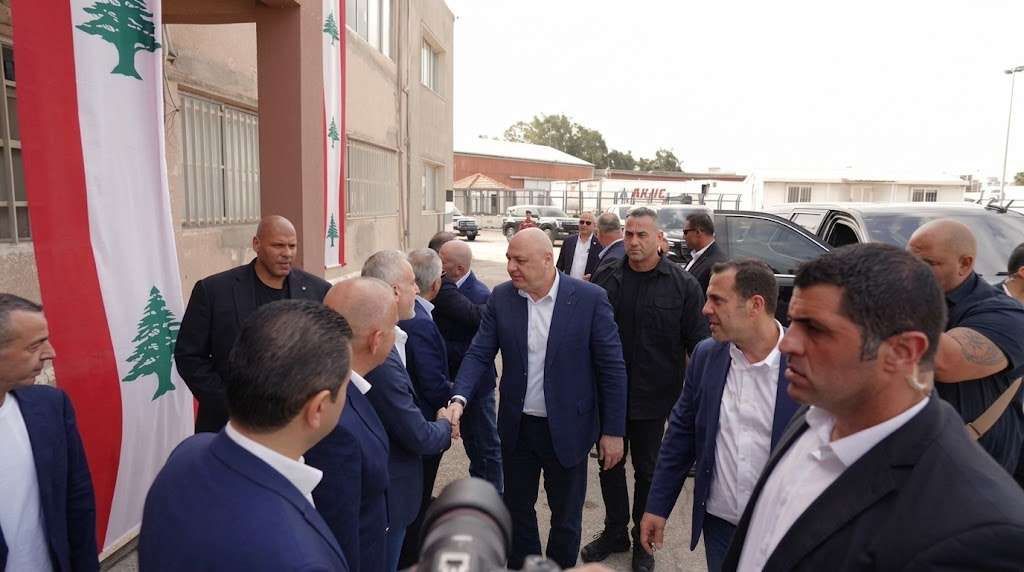
قام رئيس الجمهورية، العماد جوزاف عون، بزيارة رسمية لمدينة طرابلس اليوم، رافقه فيها عدد من الوزراء والنواب، وبمشاركة رجال دين وفعاليات طرابلسية. وقد جال في معرض رشيد كرامي الدولي، حيث ألقى كلمة أشاد فيها بدور المدينة التاريخي والوطني. ولا نريد هنا التعليق على ما جاء في الكلمة ولا على الزيارة بحد ذاتها، ولكن ما لفتنا هو الزي الذي اعتمده الزوار الرسميون، بدءاً من الرئيس وبقية الوزراء وصولاً إلى أغلب الحضور؛ ألا وهو غياب ربطات العنق عن الزي الرسمي المعتمد (البدلة والقميص الأبيض مع ياقة، ولكن بدون ربطة عنق)، وهو ما يشبه إلى حد ما تصرّف الإيرانيين مباشرة بعد نجاح الثورة سنة 1979 حين منعت فتوى من الخميني ارتداء ربطات العنق لاعتبارها تتشبه بالحضارة الغربية.
فهل إن الرئيس عون قد التزم بهذا المظهر وتم تعميم الأمر على الحضور الرسمي لكي يرضي جماعة “الحزب الإيراني” بأن الزيارة لن تكون تأييداً لطرابلس السنية ضد الهيمنة الشيعية؟
نحن نعرف بأن البروتوكول -خاصة في زمن ترأس قائد عسكري- يُحترم بتفاصيله، ومن هنا يأتي السؤال؛ فلا يمكن أن تكون هذه صدفة، كظهور رئيس حزب “القوات اللبنانية” أحياناً في لقاءات تلفزيونية بدون ربطة عنق وبذقن غير حليق مثلاً، أو كمحاولة مستشاره النائب ملحم الرياشي أحياناً اعتماد القميص بياقة صينية (ماندرين كولار) التي تشبه الزي الرسمي الإيراني، مما قد يكون للتقرب من جماعة الحزب أثناء التفاوض على أمور سياسية. ولكن أن يعتمد القصر الجمهوري تعليمات توزع على كل المدعوين -لم ينجُ منها سوى النائب أشرف ريفي وبعض الحضور المحلي الذين لم يتلقوا التعليمات- فهذه إشارة مهمة يجدر التوقف عندها، ومن هنا جاء التساؤل.
نحن نعتقد بأن الرئيس عون يعرف ما يدور على الساحة بدون شك، ويشعر بأن الزمن الإيراني إلى أفول؛ فلماذا لا يزال يداري إلى هذا الحد شعور أولئك الذين هدموا البلد، ودمّروا القرى، وهجّروا السكان، ومنعوا الدولة من استعادة عافيتها، خاصة في هذا الوقت بالذات؟ وهل يعتقد الرئيس بأن التوازن الداخلي بين الشيعة والسنة يجب أن يبقى لكيلا تسير الأمور باتجاه مختلف، فنتخلص من التطرف الشيعي -الذي ستنهيه إسرائيل- لنقع في التطرف السني -الذي ستسانده سوريا الشرع ومن خلفها نظام أردوغان العثماني؟
قراءتنا للأمور تختلف بدون شك مع قراءة الكثيرين في لبنان، ونحن مع قيام الدولة القادرة التي لا وجود فيها لغير القانون، ولا هيمنة لأي فئة تحاول التطاول. فقد اكتفى العالم من التزمت والتخريب باسم الدين والطائفة، وآن له -بدءاً من الشرق الأوسط- أن يتنعم بالتسهيلات الحضارية والاكتشافات العلمية التي تسهم في رفاهية الإنسان، وتقليل التعصب، وتسهيل الانفتاح. ولن يتطلب استقرار البلاد توزان رعب أو تسلحاً، ولا مواجهات بين متمترسين خلف شعارات العالم القديم التي يجب أن تعالج بقاياه بذهنية متطورة منفتحة تستند إلى التعاون والتطور، وتفسر المذاهب المختلفة -إن لم نقل المتخلفة- التي استعملت الإيمان لمصالح الحكام وفرضت بالعنف والتبعية سيطرتها على الشعوب واستمرار تقهقرها.
نحن نعلم بأن المستشارين في القصر الرئاسي هم من أفرزوا تلك التعليمات وفرضوها على الرئيس والوزراء، ونفهم لماذا لم يشارك البعض بهذه الزيارة، ولكننا نحاول التوجه إلى من يجلس على الكرسي، علّه يفتح عينيه ليرى كيف تُشوه صورته من تردد قيادة الجيش في تنفيذ الخطط المنتظر منها وضعها، إلى التحايل على القوانين والقرارات، والتجاهل في مواجهة الأشرار الذين لم يرتدعوا رغم أن أقرباءهم قُتلوا ودُمّرت منازل وأرزاق جماعتهم، ولا يزالون يقودون الناس صوب السراب ويوهمونهم بأن المساعدات آتية والنصر قريب.
نريد الاعتقاد بحسن نوايا الرئيس في زيارته لطرابلس، ولكننا أيضاً نريده أن يزيح الغطاء الذي وضعوه أمام عينيه ليرى بشكل أوضح، ويتصرف كمسؤول عن حماية البلاد، وصيانة الدستور، واستمرار التقدم نحو السلام النهائي والالتحاق بمشروع المنطقة للتطبيع بين كافة دولها، وعلى رأسها جارتنا إسرائيل، وهو وحده ما يخلص لبنان، ويزيد الجنوب ازدهاراً، ويمنح ساكنيه الطمأنينة والاستقرار.
What lies behind the change in official attire during the President’s and his ministers’ visit to Tripoli today?
Colonel Charbel barakat/October24/2026
Today, the President of the Republic, General Joseph Aoun, paid an official visit to the city of Tripoli, accompanied by a number of ministers and members of parliament, and with the participation of religious figures and local Tripoli dignitaries. He toured the Rashid Karami International Fair, where he delivered a speech praising the city’s historical and national role. We do not intend here to comment on what was said in the speech, nor on the visit itself; rather, what caught our attention was the attire adopted by the official visitors—starting with the President and the rest of the ministers, down to the majority of attendees. Namely, the absence of neckties from the adopted formal attire (a suit and white shirt with a collar, but without a necktie)—resembling, to an extent, the behavior of Iranians immediately following the success of the 1979 revolution, when a fatwa from Khomeini banned neckties on the grounds that they imitated Western civilization.
Has President Aoun committed to this look, with instructions generalized to the official attendees, simply to appease the “Iranian Party” group and signal that the visit is not an expression of support for Sunni Tripoli against Shia dominance?
We know that protocol—especially during the presidency of a former military commander—is strictly observed down to its finest details. Hence the question: this could hardly be a coincidence, like the occasional appearance of the leader of the Lebanese Forces party on television interviews without a tie and with an unshaven beard, or his advisor, MP Melhem Riachi, occasionally adopting a Mandarin collar shirt (resembling official Iranian attire), perhaps to curry favor with the Party during political negotiations. However, for the Presidential Palace to issue instructions distributed to all invitees—sparing only MP Ashraf Rifi and a few local figures who did not receive the directive—is an important indicator worth dwelling upon, and hence this inquiry.
We believe that President Aoun undoubtedly knows what is happening on the ground and senses that the Iranian era is waning. Why, then, does he continue to cater so heavily to the feelings of those who destroyed the country, demolished villages, displaced residents, and prevented the state from recovering, especially at this critical time? Does the President believe that the internal balance between Shias and Sunnis must be preserved so that events do not take a different turn—leaving us to escape Shia extremism (which Israel will bring to an end) only to fall into Sunni extremism (which will be backed by the Syria of Ahmed Al Sharaa and the Ottoman regime of Erdoğan behind it)?
Our reading of the situation certainly differs from that of many in Lebanon. We advocate for a capable state where nothing reigns above the law and where no faction is allowed to overreach. The world has had enough of bigotry and sabotage in the name of religion and sect; it is time—starting with the Middle East—to enjoy civilizational advancements and scientific discoveries that contribute to human well-being, reduce fanaticism, and foster openness. The stability of the country will not require a balance of terror, rearmament, or confrontations between those
entrenched behind old-world slogans—the remnants of which must be addressed with a modern, open-minded mentality grounded in cooperation and development, reinterpreting various (if not backward) doctrines that used faith for the interests of rulers and imposed their control through violence and subjugation, perpetuating their decline.
We know that advisors in the Presidential Palace were the ones who formulated these instructions and imposed them on the President and ministers, and we understand why some chose not to participate in this visit. However, we address the person sitting in the presidential chair, hoping he will open his eyes to see how his image is being tarnished—from the Army leadership’s reluctance to execute the expected plans, to circumventing laws and decisions, and acting with cowardice in the face of evildoers who remain undeterred despite their relatives being killed and their communities’ homes and livelihoods destroyed, while still leading people toward a mirage, deluding them that aid is coming and victory is near.
We wish to believe in the President’s good intentions regarding his visit to Tripoli, but we also want him to remove the blindfold placed before his eyes so he can see more clearly. He must act as a leader responsible for protecting the country, safeguarding the Constitution, and continuing to move toward final peace and joining the regional project for normalization among all its states—starting with our neighbor, Israel—which alone will save Lebanon, restore prosperity to the South, and grant its residents peace and stability.
السيرة الذاتية للكولونيل شربل بركات
خبير عسكري، كاتب، شاعر، مؤرخ، ومعلق سياسي
*ضابط متقاعد من الجيش اللبناني
*متخرج من المدرسة الحربية ومجاز بالعلوم السياسية والادارية من الجامعة اللبنانية
*كلف كأحد الضباط لتنظيم الدفاع عن القرى الحدودية منذ 1976
*تسلم قيادة تجمعات الجنوب
*تسلم قيادة القطاع الغربي في جيش لبنان الحر وأصبح مساعدا للرائد سعد حداد ثم تسلم قيادة الجيش بالوكالة عندما مرض الرائد حداد واستمر بعد وفاته حتى مجيء اللواء أنطوان لحد فأصبح مساعده ثم قائدا للواء الغربي في جيش لبنان الجنوبي
*ترك العمل العسكري في 1988 وتسلم العلاقات الخارجية
*شهد أمام لجنة العلاقات الخارجية في مجلس الشيوخ الأميركي مرتين
*كاتب سياسي وباحث في التاريخ له الكثير من الكتب والمقالات السياسية التاريخية والانسانية
نشر كتابه الأول “مداميك” (1999) الذي يحكي عن المنطقة الحدودية ومعاناة أهلها، ترجم إلى العبرية ونشرته معاريف (2001) والانكليزية (2012) Madameek – Courses – A struggle for Peace in a zone of war موجود على Amazon Books
*نشر كتابه الثاني “الجنوب جرحنا وشفانا” الذي يشرح الأحداث التي جرت في المنطقة بين 1976 – 1986
*الكتاب الثالث “Our Heritage” كتاب بالانكليزية يلخص التراث اللبناني مع رسومات لزيادة الاستيعاب موجه للشباب المغترب
*كتابه السياسي الثالث “لبنان الذي نهوى” (2022) جاهز للطبع
*كتاب مجزرة عين إبل 1920 وهو بحث تاريخي عن المجزرة التي ساهمت في نشوء وتثبيت لبنان الكبير
*كتاب “المقالات السياسية 2005 – 2013” مئة ومقالة منشور على صفحته
*كتاب “الشرق الأوسط في المخاض العسير” مجموعة مقالات سياسية (2013 – 2025)
*كتاب “العودة إلى عين إبل” بحث تاريخي بشكل قصصي عن تاريخ المنطقة بين 1600 – 1900
*كتاب شعر عن المعاناة خلال الحرب الكبرى 1914 – 1918 من خلال قصيدة زجلية نقدية جاهز للطبع
*كتاب “تاريخ فناء صور الخلفي” بحث تاريخي عن المنطقة الجنوبية – قيد الانجاز
*كتاب المقالات الانسانية وكتاب عينبليات قيد الانجاز