The Shia of Lebanon: A Stricken Community
Colonel Charbel Barakat/October 27/2026
الشيعة في لبنان بيئة منكوبة
الكولونيل شربل بركات/27 تشرين الأول/2026
منذ محاولة الشيعة اللبنانيين، بعد الاضطهاد زمن المماليك بسبب فتاوى ابن تيمية كما قيل، ومن ثم اتجاه علمائهم صوب إيران الصفوية حيث تمادوا بدعم المذهب الإثني عشري، بل صُنّف بعضهم من دعاته والمنظرين له. وبعد انكسار الشاه إسماعيل الصفوي بمواجهة السلطان سليم العثماني، اعتبر شيعة جبل عامل أنهم اختاروا الجهة الخاسرة، وبالتالي لم يستطيعوا أن يفرحوا لهزيمة المماليك في معركة مرج دابق، بل بقوا مترددين خائفين من السلطة -أياً كانت هذه السلطة- ومنتظرين انتقامها، كونهم تدخلوا في نظريات دينية تؤثر على النظام العام الذي يعتمد على سيطرة حكم الخليفة العثماني حامي المذهب السني. من هنا كان ابتعادهم عن الواجهة وانعزالهم في هضاب جنوب لبنان، حيث قدموا الولاء للأمير الدرزي الذي أمّن لهم الحماية ومنع عنهم انتقام العثمانيين، وقد تكون هذه من خصائص الجغرافيا اللبنانية بما يعني حماية التنوع الفكري.
في ظل حكم الإمارة، وبالرغم من المجزرة التي قام بها إبراهيم باشا والي مصر (والتي أدت إلى قتل عدد كبير من الدروز كما يقول بعض المؤرخين)، خاف الشيعة من إظهار الكثير من التأييد للدروز، مما فتح الباب أمام الموارنة ليصبحوا شركاء هؤلاء بالسلطة تحت زعامة الأمير فخر الدين الثاني. ولكن الشيعة حافظوا على ما سموه مبدأ “التقية”؛ أي البقاء بعيداً عن الأضواء في القرارات المصيرية، ولو أنهم شيئاً فشيئاً ساندوا الأمير وتمتعوا في ظل سلطته بكامل الحقوق.
ولكنهم يوم قرر العثمانيون التخلص من الأمير لم يختاروا جهة يقفون فيها بوضوح، مما أعطاهم الفرصة لمتابعة سياسة التقية مع أمراء الجبل الشهابيين، ولو أنهم من السنة. وبالرغم من محاولة الشيخ مشرف إظهار سيطرته ووقوفه بوجه والي صيدا، مما أدى إلى تصادمه مع الأمير الشهابي، إلا أنهم حاولوا فيما بعد الحفاظ على منطقتهم بمواجهة خطر توسع ظاهر العمر البدوي الذي حكم صفد وجرّب التمدد نحو جنوب لبنان.
وبعد عدة وقائع بقيادة الشيخ ناصيف النصّار، توصلوا إلى اتفاق مع ظاهر العمر وصل حد التحالف. ولكن الجزار الذي سيطر على عكا بعد موت ظاهر العمر أذلّهم وفرض عليهم التجنيد الإجباري وأعمال السخرة، مما أفقر المنطقة كلها وجعلها تعج بالخارجين عن القانون، فقلّ الإنتاج وزادت معاناة الناس.
ولكن بعد موت الجزار وسيطرة الأمير بشير الثاني شيئاً فشيئاً على الإمارة وفرض القانون، تحسّن الوضع وانتظمت الأمور من جديد. وخلال هذه الفترات لم يكن هناك تماس مباشر مع السلطات العثمانية بل مع الإمارة اللبنانية، إلى أن ساند الأمير بشير إبراهيم باشا بن محمد علي باشا والي مصر، الذي كان ينوي الوصول إلى الأستانة. وكان جيش الأمير قد دخل دمشق لمساندة والي عكا ضد والي الشام، ثم قلعة نابلس لفرض الأمن هناك، فلفت نظر محمد علي باشا وجعله يعتمد على قوات الأمير واعتباره حليفاً في مواجهته للباب العالي.
ومن ثم وصلت قوات إبراهيم باشا إلى كيليكيا وهددت إسطنبول، مما دعا السلطان للتفاهم مع الدول العظمى وطلب انسحاب الباشا المصري من سوريا ولبنان مقابل اعتبار محمد علي وسلالته من بعده حكام مصر باعتراف السلطان. وكان شرط هؤلاء عدم المساس بلبنان مع الموافقة على إزاحة الأمير بشير.
وبما أنه لم يكن للعثمانيين -الذين استعادوا السيطرة على لبنان- حق الاقتصاص من اللبنانيين الذين ساندوا الأمير في حربه ضدهم (وقد كُفت يد الأخير ونُفي إلى مالطا)، كانت خطتهم العملية زرع الفتنة بين الموارنة والدروز ركني القوة الأساسية في جيش الأمير، فاستغلوا الخلاف القديم بين بشير جنبلاط والأمير بشير ليزرعوا هذه الفتنة ويهدموا التعاون الذي قامت عليه الإمارة.
ومن جانب آخر حاولوا استمالة الشيعة، فأعطوا لقب البكاوية لحمد الأحمد سليل البيت الوائلي وزعيم شيعة جبل عامل، وطلبوا منه تجهيز قوة لمساندة والي الشام مباشرة دون المرور بمن يحكم الجبل، حيث أدت الأحداث إلى إقامة نظام القائمقاميتين ثم المتصرفية من بعدها، مما أخرج الجنوب والبقاع وطرابلس من سيطرة الإمارة.
بالرغم من التحاق شيعة جبل عامل بالدولة العثمانية لأول مرة، لم يتمتعوا بالاستقرار والبحبوحة التي نعمت بها المتصرفية، بل عانوا من ثقل المطالب العثمانية ومزاجية الضباط والمسؤولين الأتراك، دون أن يشعروا بالتقدم وبعض التحرر اللذين نعم بهما الجبل في عهد المتصرفية. ومن هنا كان الشعور بالغبن والتمييز الذي ساد أبناء الطائفة. وهذا ما دعا -بعد كل المعاناة، وخاصة
فرض التجنيد الإجباري بمرحلة الحرب الكبرى الذي ذكّر بمرحلة الجزار- إلى طلب شمل المناطق الشيعية ضمن دولة لبنان الكبير.
وبالرغم من محاولات بقايا العثمانيين وعملائهم تصوير الأمر بأنه تحدٍّ لقيام دولة فيصل سليل “آل البيت” والأحداث التي رافقت تلك المرحلة، فدولة فيصل كانت ستقوم على أسس اتحادية برعاية الحلفاء ولا تتنافى مع الإدارة الذاتية للمناطق، سواء في المتصرفية أو بقية المناطق اللبنانية، وحتى في سوريا المتنوعة المشارب والفئات، وكذلك فلسطين ومن ضمنها مناطق اليهود التي يسهل استيعابها كما رأينا بوثيقة الاتفاق بين فيصل ووايزمان.
ولكن مع مشروع إعادة إحياء السلطنة بشكل جديد (والذي موّله السوفيات للوقوف بوجه الحلفاء خوفاً من تمددهم صوب روسيا)، قامت بقايا المخابرات العثمانية وخاصة بعض الضباط الذين التحقوا بفيصل كيوسف العظمة وغيره، وفرضوا عليه برامجهم، ومنها المواجهة المباشرة مع الفرنسيين في سوريا والبريطانيين في العراق. وقد شملت أيضاً تشويه صورة المجموعات اللبنانية التي قامت بالمجازر وفرض الرأي بالقوة بقيادة بعض العصابات الشيعية والبدوية في جنوب لبنان.
ومن هنا، فإن البحث عن ولاء أشخاص مثل أدهم خنجر وصادق حمزة للمخابرات العثمانية قبل الحرب الكبرى لتوضيح الصورة، والبحث عن الارتباط والخلفية التي أثرت على السيد شرف الدين لإظهار الولاء لدمشق والارتباط بيوسف العظمة وزير الدفاع (الذي شغل منصب أمين سر وزارة الحربية العثمانية مع أنور باشا، والمعروف بأنه أحد الثلاثة الذين قادوا السلطنة أثناء الحرب)، هو أمر مهم؛ لأنه لطّخ وجه الشيعة كما قال المغفور له كامل بيك الأسعد يومها بجملته الشهيرة رداً على ما جرى خلال مذبحة عين إبل: “صحيح أن عين إبل فقدت شبابها، ولكن الشيعة فقدوا شرفهم”.
المشكلة ليست فقط ما جرى عند قيام لبنان الكبير، ولكن استمرار الشعور بالغبن وحقن الناس بأفكار الرفض والمكابرة التي عمّت المجتمعات الشيعية، والتي زاد عليها محاولة الأحزاب -وقد دارت في البدء بفلك الاتحاد السوفياتي، ثم بعدها من خلال برنامج عبد الناصر لمعاداة الغرب وتوحيد العرب، ومن ثم البعث بشقيه والذي سيطر على سوريا والعراق- وكلها هاجمت لبنان وأوهمت الشيعة بأنهم محرومون وأن هذه الدولة لا تعتني بهم، مما أوصلهم للالتحاق بكل معارض، إلى أن سيطر فكر الخميني والمال “الحلال” على كل مفكريهم ولم يعد هناك مجال للنقاش.
وهنا يتساءل القارئ: إذا كان الشيعة في جبل عامل وقيادتهم الدينية يدّعون الدفاع عن حق آل البيت، فلماذا لم يساندوا فيصل نفسه حين تسلّم حكم العراق؟ أو لماذا لم يساندوا شقيقه عبد الله عندما تسلّم حكم شرق الأردن؟ وهم اليوم يسعون لمساندة أئمة طهران في حروبهم ضد بقية العرب ومحاولاتهم السيطرة على بلادهم كما فعل أبو مسلم الخراساني مع الأمويين ومن بعده بقية الخلفاء العباسيين، الذين عادوا وتنكّروا للشيعة بعد سيطرتهم. فهل أُعميت عيون أبناء جبل عامل وبقايا الحرافشة أو الحمادية لكي يلتزموا أوامر الإيرانيين الفرس ويهدموا بلادهم ويسلموها للحرس الثوري؟
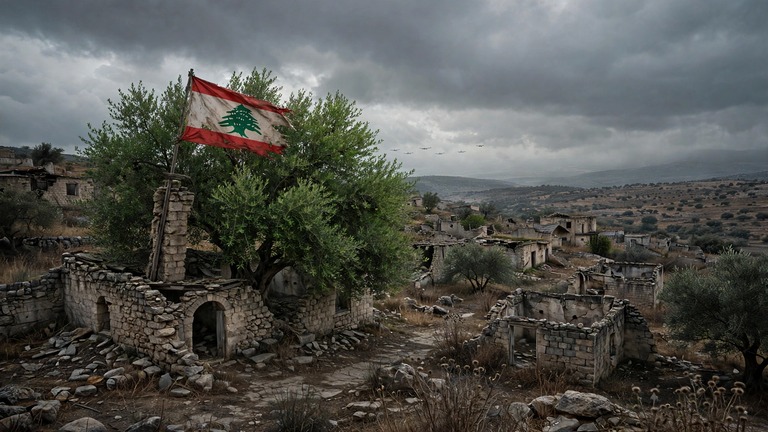
الشيعة في لبنان اليوم بيئة منكوبة، صحيح! ليس لأن الحزب المسلح أعمى عيون قادتهم ولم يعد لهم من ينظر إلا إلى مصالحه الخاصة التي تختصرها الجيوب فقط، ولكن لأنهم لم يقدّروا انسحاب إسرائيل في سنة 2000 وتسليمها الجنوب لهم، بل تمادوا في الغي ليقتحموا الحدود بعد ست سنوات فقط ويتسببوا بحرب دفع ثمنها عرب الخليج، ثم قاموا بمعاداة هؤلاء وتسميم رعاياهم بالمخدرات ومحاولة قلب الأنظمة في بلدانهم وكأنهم لا يعرفون رد الجميل. ثم ها هم، وبعد أن قبلت إسرائيل بالخروج من كل لبنان مرة ثالثة، يسيطرون على الحكم ويفرضون حروباً جديدة تخرّب قراهم وتهجّر أبناءها بدون سبب سوى تنفيذ الأوامر الشاهانية الصادرة عن الولي الفقيه. فهل من أمل أن يعي من غفوته من يدّعون القيادة؟ أو هل بقي من يمكنه أن يرى الأمور بشكل واضح؟
نحن نحزن على لبنان، صحيح، وعلى هذا الدرك الذي وصله بتغييب أي منطق وأي شعور إنساني أو وطني وأي نوع من بُعد النظر لدى القيادات أو من يجلس على الكراسي (لأننا لا نرى قيادات بمعنى الكلمة)، ولكننا نحزن أكثر على هؤلاء الذين لا يزالون يحلمون بأن الولي الفقيه سيعيد بناء بيوتهم التي دمرتها تعليماته وأوامره، وأن الحرس الثوري سينتصر لهم ويرفع عنهم ذل التهجير والتشرد ودمار كل ما بنته أيدي الأجداد وصانته جهود الآباء، لكي يعم العز والرخاء حياة الأحفاد، فيعيشون مع إخوتهم منفتحين متعاونين على الخير والعمل، لا على الحقد والتفرقة.
فهل يقوم لبنان من هذه الحالة المستعصية؟ وهل يظهر بين الشيعة رجال يفهمون كيف تُبنى علاقات الصداقة والتعاون، وكيف تُؤمَّن الاستمرارية، وكيف تُؤد الكراهية ويُدفن الحقد مرة وإلى الأبد؟
The Shia of Lebanon: A Stricken Community
Colonel Charbel Barakat/October 27/2026
A Legacy of Isolation and Rejection
The plight of Lebanese Shia Muslims can be traced back to the persecution they suffered during the Mamluk era, reportedly spurred by the fatwas of Ibn Taymiyyah. In response, their religious scholars turned toward Safavid Iran, where many played a central role in formalizing and propagating Twelver Shiism.
However, when Shah Ismail I was defeated by Ottoman Sultan Selim I, the Shia of Jabal Amel realized they had backed the losing side. Consequently, they could not join in celebrating the Ottoman victory over the Mamluks at the Battle of Marj Dabiq in 1516. Instead, they remained anxious and hesitant, fearful of Ottoman retribution for having supported a religious ideology that threatened the Sunni-led Ottoman Caliphate.
To survive, the Shia withdrew from public life and retreated into the hills of southern Lebanon. There, they pledged allegiance to local Druze emirs who offered them protection from Ottoman reprisal—a testament to how Lebanon’s rugged geography has historically shielded its religious and intellectual diversity.
Navigating the Mount Lebanon Emirate
During the era of the Emirate, the Shia maintained a low profile through Taqiyya (precautionary dissimulation), choosing to stay out of high-stakes political decisions. Following Ottoman commander Ibrahim Pasha’s 1584 expedition against the Druze, the Shia refrained from openly siding with them. This reluctance paved the way for the Maronites to emerge as the Druze’s primary political partners under Emir Fakhreddin II. Over time, the Shia gradually offered their support to Fakhreddin II and enjoyed full rights under his rule.
When the Ottomans eventually moved against the Emir, the Shia again avoided taking a definitive stance. This neutrality allowed them to maintain their policy of Taqiyya under the Sunni Shihabi emirs who succeeded the Maans. Despite internal conflicts—such as Sheikh Mushrif’s clash with the Shihabi emir over regional authority—the Shia later sought to safeguard their region against the expansionist ambitions of Daher al-Omar, the Bedouin ruler of Safed.
Led by Sheikh Naseef al-Nassar, the Shia fought several battles against Daher al-Omar before eventually forging a tactical alliance with him. But following Daher’s death, Jezzar Pasha seized Acre and subjected the Shia of southern Lebanon to brutal subjugation, forced conscription, and hard labor. The resulting economic ruin left the region lawless and impoverished.
Stability only returned with Jezzar’s death and the gradual rise of Emir Bashir II, who restored
law and order. Throughout this period, the Shia interacted primarily with the Lebanese Emirate rather than directly with Ottoman authorities.
Foreign Interventions and the Ottoman Divide
This dynamic changed when Emir Bashir II allied himself with Ibrahim Pasha—son of Egypt’s ruler, Muhammad Ali Pasha—in his military campaign against the Sublime Porte. Earlier the Emir’s army marched into Damascus and Nablus in support to Suleiman Pasha the Wali of Acre, demonstrating a military capability that led Muhammad Ali to view him as a key regional ally.
Ibrahim Pasha’s forces advanced into Cilicia, directly threatening Istanbul. Alarmed, the Ottoman Sultan enlisted the aid of European powers to force an Egyptian withdrawal from the Levant. In exchange, Muhammad Ali was recognized as the hereditary ruler of Egypt, on the condition that Ottoman authority be restored in Lebanon and Emir Bashir II be removed.
With Emir Bashir II deposed and exiled to Malta, the Ottomans sought to reassert control over Lebanon without risking open rebellion from those who had supported the Emir. Their strategy was to sow division between the two pillars of the Emir’s army: the Maronites and the Druze. They exploited long-standing rivalries between the Jumblatt clan and the Shihabi dynasty to fracture the alliance underpinning the Emirate.
Simultaneously, the Ottomans moved to co-opt the Shia leadership. They granted the title of Bey to Hamad al-Ahmad—a prominent leader from the Wa’ili family in Jabal Amel—and tasked him with raising a militia answerable directly to the Governor of Damascus. These maneuvers dismantled the unified Emirate, paving the way for the creation of the Dual Subprefecture (Qāʾim-maqāmiyya) system and, ultimately, the Mutasarrifiyya governorate—administrative shifts that severed the South, the Bekaa, and Tripoli from Mount Lebanon.
The Myth of Greater Lebanon and the Shift Toward External Allegiances
Although the Shia of Jabal Amel were formally integrated into the Ottoman administrative fold for the first time, they did not share in the stability and economic prosperity enjoyed by the Mutasarrifiyya. Subjected to heavy Ottoman taxation and the whims of Turkish officials, a deep sense of marginalization took root among them.
This discontent reached a boiling point during World War I due to forced conscription. Seeking relief, many Shia leaders advocated for their regions to be incorporated into the newly proposed state of Greater Lebanon in 1920. Pro-Ottoman elements attempted to frame this move as a betrayal of King Faisal I’s Arab Kingdom in Damascus. However, Faisal’s proposed state was intended as a decentralized federation under Allied supervision that would have accommodated regional autonomy—including for Mount Lebanon, the diverse Syrian provinces, and Palestine (including Jewish areas designated for integration, as outlined in the Faisal–Weizmann agreement).
Instead, former Ottoman officers who had joined Faisal’s movement—such as Minister of Defense Yusuf al-Azmeh—pushed a radical agenda. They forced a direct military confrontation
with the French in Syria and the British in Iraq, while orchestrating armed attacks in southern Lebanon using Shia and Bedouin militias.
The involvement of figures like Adham Khanjar and Sadiq Hamza with pre-WWI Ottoman intelligence influenced Sayyid Sharaf al-Din’s loyalty to Damascus and his association with Yusuf al-Azmeh (who had served as secretary to Ottoman War Minister Enver Pasha). This tarnished the reputation of the Shia community, prompting the prominent Shia leader Kamil Bey al-Assad to issue his famous lament following the 1920 massacre of Christians in Ain Ebel: “It is true that Ain Ebel lost its youth, but the Shia lost their honor.”
The Path to Ideological Captivity
The sense of disenfranchisement among the Shia persisted long after the establishment of Greater Lebanon. Over the decades, various political movements exploited these grievances:
· Leftists & Pan-Arabists: Marxist parties and Gamal Abdel Nasser’s pan-Arab movement framed the Lebanese state as an oppressive, Western-backed entity that neglected the Shia.
· Baathists: Both the Syrian and Iraqi factions of the Baath Party further alienated the Shia from the concept of a sovereign Lebanese state.
This cycle of marginalization culminated with the 1979 Iranian Revolution. Guided by Ayatollah Khomeini’s ideology and fueled by Iranian financial and military support, Tehran established ideological dominance over the Lebanese Shia political landscape.
This raises an important question: If the Shia leadership of Jabal Amel claims to act in defense of Ahl al-Bayt (the Prophet’s family), why did they fail to support King Faisal when he ruled Iraq, or his brother King Abdullah I in Transjordan—both direct descendants of the Prophet? Instead, they have aligned themselves with Tehran’s regional ambitions, echoing the historical precedent of Abu Muslim al-Khurasani, whose forces helped bring the Abbasids to power only for the Abbasids to turn on their Shia supporters once control was consolidated. Have the historic families of Jabal Amel, the Harfoushes, and the Hamadis surrendered their independence to serve the interests of the Iranian Revolutionary Guard?
A Community at a Crossroads
Today, the Shia of Lebanon find themselves in a disastrous position—not only because an armed party has subjugated their leadership for self-serving interests, but because that leadership failed to build upon Israel’s withdrawal from southern Lebanon in 2000. Instead of cultivating peace and state sovereignty, they initiated a cross-border conflict in 2006 whose economic and political fallout was largely absorbed by the Arab Gulf states.
Subsequently, this leadership antagonized those same Gulf nations, enabling illicit drug trafficking across the region and seeking to destabilize friendly governments. Now, even after subsequent Israeli withdrawals, they continue to dominate the Lebanese state and drag the
country into ruinous conflicts, displacing their own people solely to execute orders issued by Iran’s Velayat-e Faqih (Guardianship of the Islamic Jurist).
While we grieve for Lebanon and the collapse of its state institutions, we grieve even more for those who falsely believe that Tehran or the Revolutionary Guard will rebuild their shattered towns or restore their dignity. True prosperity cannot be built on hatred, division, and foreign dependency, but only on peaceful coexistence, mutual respect, and national integration.
Will Lebanon ever recover from this crisis? And will leaders emerge from within the Shia community who prioritize statehood, genuine friendship, and lasting national reconciliation over endless conflict?