نظام إيران غير قابل للإصلاح: حان الوقت لإنهائه مرّة واحدة وإلى الأبد
د. ماجد رفيزاده/معهد غايتستون/13حزيران/2026
(ترجمة من الإنكليزية بواسطة مواقع ألكترونية للترجمة)
Iran’s Regime Is Irreformable: Time to End It Once and For All
Dr. Majid Rafizadeh/Gatestone Institute/June 13/2026
Iran’s rulers might sign a piece of paper — as Palestine Liberation Organization (PLO) Chairman Yasser Arafat did with Israeli Prime Minister Yitzhak Rabin with the 1993 Oslo Accord – but, like the PLO, its fundamental goals will not change.
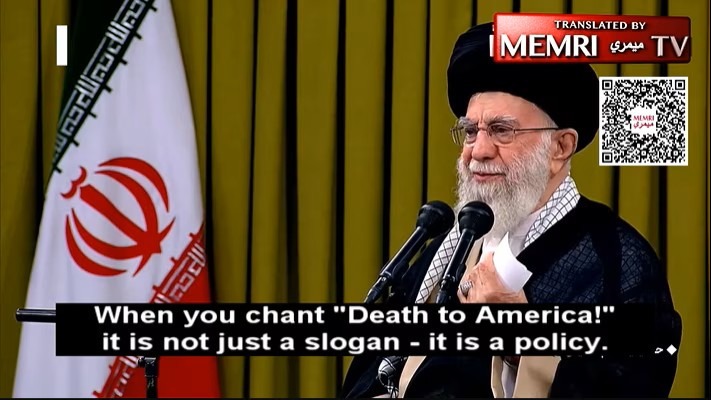
The regime cannot abandon “Death to America” or “Death to Israel” without dissolving its own reason for being. Leaving it in place only ensures that it will dig its hooks in even deeper — especially after President Donald J. Trump leaves office and his successor possibly turns to interests more enjoyable than “enforcement.”
Iran’s regime will not change — especially not for “infidels.” Deals simply buy time for the regime to rebuild its power. Deals do not alter core behavior.
If the regime wanted reform, it could easily have renounced those slogans and stopped sponsoring terrorism. Any negotiations or deals that leave the current system intact simply grant it “oxygen,” resources, and time to rebuild capabilities aimed at annihilating its perceived enemies, foreign and domestic.
The West’s — particularly the United States’ — most important decision is recognizing that the Iranian regime simply cannot be reformed. No deal will essentially alter it. It will continue its objectives, its terrorism, and its oppression. We should not be deceived by tactical “moderates” fronting for the IRGC.
The regime’s revolutionary identity has brought only suffering — for Americans, for Iran’s neighbors in the Gulf, for Israelis, and especially for the Iranian people. Ending this regime is the only path to peace.
Iran’s regime cannot abandon “Death to America” or “Death to Israel” without dissolving its own reason for being. Leaving it in place only ensures that it will dig its hooks in even deeper — especially after President Donald J. Trump leaves office and his successor possibly turns to interests more enjoyable than “enforcement.”
We have seen in the last few weeks — and for the last 47 years — that Iran’s regime is not one with which any responsible actor should seek a deal. Iran’s rulers might sign a piece of paper — as Palestine Liberation Organization (PLO) Chairman Yasser Arafat did with Israeli Prime Minister Yitzhak Rabin with the 1993 Oslo Accord – but, like the PLO, its fundamental goals will not change.
Iran’s regime is fundamentally revolutionary. It seized power in 1979 with an identity rooted in anti-Americanism, anti-Semitism, and the suppression of Iranians seeking liberty. This identity defines it. Even if individual figures shift or new “moderates” appear at the negotiating table, the underlying revolutionary structure endures. The regime cannot abandon “Death to America” or “Death to Israel” without dissolving its own reason for being. Leaving it in place only ensures that it will dig its hooks in even deeper — especially after President Donald J. Trump leaves office and his successor possibly turns to interests more enjoyable than “enforcement.”
For 47 years, through multiple U.S. administrations and various agreements, chants of “Death to America” and “Death to Israel” have continued, as have, to this day, repression and mass executions inside Iran. Past deals, such as the JCPOA in 2015, empowered Iran’s Islamic Revolutionary Guard Corps (IRGC) to grow stronger and expand the terrorism of its regional proxies.
Its anti-Americanism, its hatred toward Israel — and its hatred toward the Iranian people who yearn for freedom — remain, in the minds of their rulers, the very reason for the country’s existence ever since it began its reign by holding 66 Americans hostage, most of them for more than a year. The regime will pursue its goals as long as the core system of the Supreme Leader and the IRGC remains in place.
Despite efforts, including Trump’s, to pursue diplomatic deals and avoid broader war, the Iranian regime has continued its belligerent actions, including the recent downing of a U.S. helicopter and strikes on targets linked to U.S. interests in Bahrain, Kuwait, and Jordan.
Iran’s regime will not change — especially not for “infidels.” Deals simply buy time for the regime to rebuild its power. Deals do not alter core behavior.
If the regime wanted reform, it could easily have renounced those slogans and stopped sponsoring terrorism. Any negotiations or deals that leave the current system intact simply grant it “oxygen,” resources, and time to rebuild capabilities aimed at annihilating its perceived enemies, foreign and domestic.
We have witnessed so-called moderates or negotiators making promises, while the IRGC directs policy, launches attacks, and consolidates power.
Half-measures and endless negotiations have failed – for nearly half a century. Any new policy should rest on four pillars:
First, unwavering solidarity with Israel. As a frontline state sharing the same existential threats — but even more immediately — from the regime, Israel possesses unparalleled intelligence networks within Iran and a profound understanding of its operations. The US and Israel share aligned strategic interests against a common adversary that views both countries as enemies to be destroyed.
Second, any attempts by the regime to rebuild nuclear energy or missile capabilities should be met with immediate, decisive force to degrade those assets.
Third, intensify economic pressure. Sanctions, blockades, and targeted financial restrictions must remain robust and, where possible, expand. By denying the regime revenue from oil and other resources, its ability to fund nuclear and missile development, terrorist proxies, and domestic security forces can be curtailed. Economic isolation will weaken the pillars that sustain the theocracy’s hold on power.
Finally, genuine support for the Iranian people themselves offers the most promising lever for change. Millions of Iranians reject the fundamentalist rule and long for freedom, but face a heavily armed, crushing apparatus that mows down protesters and stifles dissent. Empowering these voices that seek freedom through material assistance, weapons, communications support, and defensive capabilities help the population — once armed and organized — to successfully challenge its oppressive regime, just as in America’s founding fathers’ struggle against British colonial rule. The Iranian people, however, need to be generously aided with the tools to level the playing field.
The West’s — particularly the United States’ — most important decision is recognizing that the Iranian regime simply cannot be reformed. No deal will essentially alter it. It will continue its objectives, its terrorism, and its oppression. We should not be deceived by tactical “moderates” fronting for the IRGC.
The regime’s revolutionary identity has brought only suffering — for Americans, for Iran’s neighbors in the Gulf, for Israelis, and especially for the Iranian people. Ending this regime is the only path to peace.
https://www.gatestoneinstitute.org/22598/iran-regime-is-irreformable
*Dr. Majid Rafizadeh is a political scientist, Harvard-educated analyst, and board member of Harvard International Review. He has authored several books on the US foreign policy. He can be reached at dr.rafizadeh@post.harvard.edu
Follow Majid Rafizadeh on X (formerly Twitter)
© 2026 Gatestone Institute. All rights reserved. The articles printed here do not necessarily reflect the views of the Editors or of Gatestone Institute. No part of the Gatestone website or any of its contents may be reproduced, copied or modified, without the prior written consent of Gatestone Institute.
نظام إيران غير قابل للإصلاح: حان الوقت لإنهائه مرّة واحدة وإلى الأبد
د. ماجد رفيزاده/ معهد غايتستون/ 13حزيران/2026
(ترجمة من الإنكليزية بواسطة مواقع ألكترونية للترجمة)
قد يوقع حكام إيران على ورقة ما ــ كما فعل رئيس منظمة التحرير الفلسطينية ياسر عرفات مع رئيس الوزراء الإسرائيلي إسحاق رابين في اتفاقية أوسلو عام 1993 ــ ولكن، تمامًا مثل منظمة التحرير الفلسطينية، لن تتغير أهداف النظام الأساسية.
لا يمكن للنظام أن يتخلى عن شعاري “الموت لأمريكا” أو “الموت لإسرائيل” دون أن يحلّ سبب وجوده ذاته. إن تركه في مكانه لا يضمن سوى أن يغرس مخالبه بشكل أعمق ــ خاصة بعد أن يغادر الرئيس دونالد جيه ترامب منصبه، واحتمال أن يتجه خلفه إلى مصالح أكثر متعة من “إنفاذ القانون”.
إن نظام إيران لن يتغير ــ وخاصة ليس من أجل “الكفار”. والاتفاقيات ببساطة تمنح النظام الوقت لإعادة بناء قوته، فهي لا تغير السلوك الأساسي.
لو كان النظام يريد الإصلاح، لكان بإمكانه بسهولة التخلي عن تلك الشعارات ووقف رعاية الإرهاب. إن أي مفاوضات أو اتفاقيات تترك النظام الحالي سليمًا تمنحه مجرد “أكسجين”، وموارد، ووقت لإعادة بناء قدراته التي تهدف إلى إبادة أعدائه المتصورين، في الداخل والخارج.
إن القرار الأكثر أهمية بالنسبة للغرب ــ وتحديدًا الولايات المتحدة ــ يتلخص في الاعتراف بأن النظام الإيراني ببساطة لا يمكن إصلاحه. ولن يغيره أي اتفاق جوهريًا؛ إذ سيستمر في تحقيق أهدافه، وممارسة إرهابه وقمعة. ولا ينبغي لنا أن ننخدع بـ “المعتدلين” التكتيكيين الذين يمثلون واجهة للحرس الثوري الإيراني.
لم تجلب الهوية الثورية للنظام سوى المعاناة ــ للأمريكيين، ولجيران إيران في الخليج، وللإسرائيليين، وخاصة للشعب الإيراني. إن إنهاء هذا النظام هو السبيل الوحيد لتحقيق السلام.
لا يمكن للنظام الإيراني أن يتخلى عن شعاري “الموت لأمريكا” أو “الموت لإسرائيل” دون أن يحلّ سبب وجوده ذاته. إن تركه في مكانه لا يضمن سوى أن يغرس مخالبه بشكل أعمق ــ خاصة بعد أن يغادر الرئيس دونالد جيه ترامب منصبه، واحتمال أن يتجه خلفه إلى مصالح أكثر متعة من “إنفاذ القانون”.
لقد رأينا في الأسابيع القليلة الماضية ــ وعلى مدار الـ 47 عامًا الماضية ــ أن النظام الإيراني ليس نظامًا ينبغي لأي طرف مسؤول أن يسعى إلى إبرام اتفاق معه. قد يوقع حكام إيران على ورقة ما ــ كما فعل رئيس منظمة التحرير الفلسطينية ياسر عرفات مع رئيس الوزراء الإسرائيلي إسحاق رابين في اتفاقية أوسلو عام 1993 ــ ولكن، تمامًا مثل منظمة التحرير الفلسطينية، لن تتغير أهداف النظام الأساسية.
إن نظام إيران ثوري بطبيعته. فقد استولى على السلطة عام 1979 بهوية تجذرت في معاداة أمريكا، ومعاداة السامية، وقمع الإيرانيين الباحثين عن الحرية. هذه الهوية هي ما تحدده. وحتى لو تغيرت الشخصيات الفردية أو ظهر “معتدلون” جدد على طاولة المفاوضات، فإن الهيكل الثوري الأساسي يستمر. لا يمكن للنظام أن يتخلى عن شعاري “الموت لأمريكا” أو “الموت لإسرائيل” دون أن يحلّ سبب وجوده ذاته. إن تركه في مكانه لا يضمن سوى أن يغرس مخالبه بشكل أعمق ــ خاصة بعد أن يغادر الرئيس دونالد جيه ترامب منصبه، واحتمال أن يتجه خلفه إلى مصالح أكثر متعة من “إنفاذ القانون”.
على مدى 47 عامًا، وعبر إدارات أمريكية متعددة واتفاقيات مختلفة، استمرت هتافات “الموت لأمريكا” و”الموت لإسرائيل”، كما استمر القمع والإعدامات الجماعية داخل إيران حتى يومنا هذا. إن الاتفاقيات السابقة، مثل الاتفاق النووي (JCPOA) في عام 2015، مكنت الحرس الثوري الإيراني من أن يصبح أقوى وتوسيع إرهاب وكلائه الإقليميين.
إن معاداته لأمريكا، وكراهيته لإسرائيل ــ وكراهيته للشعب الإيراني الذي يتوق إلى الحرية ــ تظل في عقول حكامه السبب الفعلي لوجود البلاد منذ أن بدأ عهده باحتجاز 66 أمريكيًا كرهائن، معظمهم لأكثر من عام. وسيواصل النظام السعي لتحقيق أهدافه طالما ظل النظام الأساسي للمرشد الأعلى والحرس الثوري قائمًا في مكانه.
وعلى الرغم من الجهود، بما في ذلك جهود ترامب، للسعي وراء اتفاقيات دبلوماسية وتجنب حرب أوسع نطاقًا، فقد واصل النظام الإيراني أعماله العدائية، بما في ذلك إسقاط مروحية أمريكية مؤخرًا وتوجيه ضربات لأهداف مرتبطة بالمصالح الأمريكية في البحرين والكويت والأردن.
إن نظام إيران لن يتغير ــ وخاصة ليس من أجل “الكفار”. والاتفاقيات ببساطة تمنح النظام الوقت لإعادة بناء قوته، فهي لا تغير السلوك الأساسي.
لو كان النظام يريد الإصلاح، لكان بإمكانه بسهولة التخلي عن تلك الشعارات ووقف رعاية الإرهاب. إن أي مفاوضات أو اتفاقيات تترك النظام الحالي سليمًا تمنحه مجرد “أكسجين”، وموارد، ووقت لإعادة بناء قدراته التي تهدف إلى إبادة أعدائه المتصورين، في الداخل والخارج.
لقد شهدنا ما يسمى بالمعتدلين أو المفاوضين وهم يقدمون الوعود، بينما يوجه الحرس الثوري السياسة، ويشن الهجمات، ويوطد سلطته.
إن أنصاف الحلول والمفاوضات التي لا تنتهي قد فشلت ــ لما يقرب من نصف قرن. ويجب أن ترتكز أي سياسة جديدة على أربع ركائز:
أولاً، التضامن الراسخ مع إسرائيل: باعتبارها دولة تقع في الخطوط الأمامية وتواجه نفس التهديدات الوجودية من النظام ــ ولكن بشكل أكثر إلحاحًا ــ تمتلك إسرائيل شبكات استخباراتية لا مثيل لها داخل إيران وفهمًا عميقًا لعملياتها. وتتطابق المصالح الاستراتيجية للولايات المتحدة وإسرائيل ضد خصم مشترك يرى في كلا البلدين عدوين يجب تدميرهما.
ثانيًا، القوة الحاسمة الفورية: يجب مواجهة أي محاولات من قبل النظام لإعادة بناء الطاقة النووية أو القدرات الصاروخية بقوة حاسمة وفورية لتقويض تلك الأصول.
ثالثًا، تكثيف الضغط الاقتصادي: يجب أن تظل العقوبات والحصار والقيود المالية المستهدفة قوية، وأن تتوسع حيثما أمكن ذلك. ومن خلال حرمان النظام من عائدات النفط والموارد الأخرى، يمكن تقليص قدرته على تمويل التطوير النووي والصاروخي، والوكلاء الإرهابيين، وقوات الأمن الداخلي. إن العزلة الاقتصادية ستضعف الركائز التي تدعم قبضة النظام الثيوقراطي (الديني) على السلطة.
أخيرًا، الدعم الحقيقي للشعب الإيراني: يمثل هذا الدعم الرافعة الأكثر واعدًا للتغيير. فالملايين من الإيرانيين يرفضون الحكم الأصولي ويتوقون إلى الحرية، لكنهم يواجهون جهازًا قمعيًا مدججًا بالسلاح يسحق المتظاهرين ويخنق المعارضة. إن تمكين هذه الأصوات التي تسعى إلى الحرية من خلال المساعدات المادية، والأسلحة، ودعم الاتصالات، والقدرات الدفاعية يساعد السكان ــ بمجرد تسليحهم وتنظيمهم ــ على تحدي نظامهم القمعي بنجاح، تمامًا مثل كفاح الآباء المؤسسين لأمريكا ضد الحكم الاستعماري البريطاني. ومع ذلك، يحتاج الشعب الإيراني إلى مساعدة سخية بالأدوات اللازمة لتكافؤ الفرص.
إن القرار الأكثر أهمية بالنسبة للغرب ــ وتحديدًا الولايات المتحدة ــ يتلخص في الاعتراف بأن النظام الإيراني ببساطة لا يمكن إصلاحه. ولن يغيره أي اتفاق جوهريًا؛ إذ سيستمر في تحقيق أهدافه، وممارسة إرهابه وقمعة. ولا ينبغي لنا أن ننخدع بـ “المعتدلين” التكتيكيين الذين يمثلون واجهة للحرس الثوري الإيراني.
لم تجلب الهوية الثورية للنظام سوى المعاناة ــ للأمريكيين، ولجيران إيران في الخليج، وللإسرائيليين، وخاصة للشعب الإيراني. إن إنهاء هذا النظام هو السبيل الوحيد لتحقيق السلام.
*الدكتور ماجد رفيزاده هو عالم سياسي، ومحلل خريج جامعة هارفارد، وعضو مجلس إدارة مجلة “هارفارد الدولية” (Harvard International Review). ألف العديد من الكتب حول السياسة الخارجية الأمريكية. يمكن التواصل معه عبر البريد الإلكتروني: dr.rafizadeh@post.harvard.edu
تابع ماجد رفيزاده على منصة X (تويتر سابقًا)
© 2026 معهد غيتستون. جميع الحقوق محفوظة. المقالات المطبوعة هنا لا تعكس بالضرورة آراء المحررين أو معهد غيتستون. لا يجوز إعادة إنتاج أي جزء من موقع غيتستون الإلكتروني أو أي من محتوياته، أو نسخه أو تعديله، دون موافقة خطية مسبقة من معهد غيتستون.