العروبة والقضية الفلسطينية كانا سلاحاً لتدمير الدروز ومؤسساتهم وهويتهم – الترابط بين نهج جمال جمال عبد الناصر العروبي المجرم ووليد جنبلاط العروبي المجرم – والعلاقة بجامع الأزهر/Arabism and the Palestinian Cause Were Used as Weapons to Destroy the Druze, Their Institutions, and Their Identity
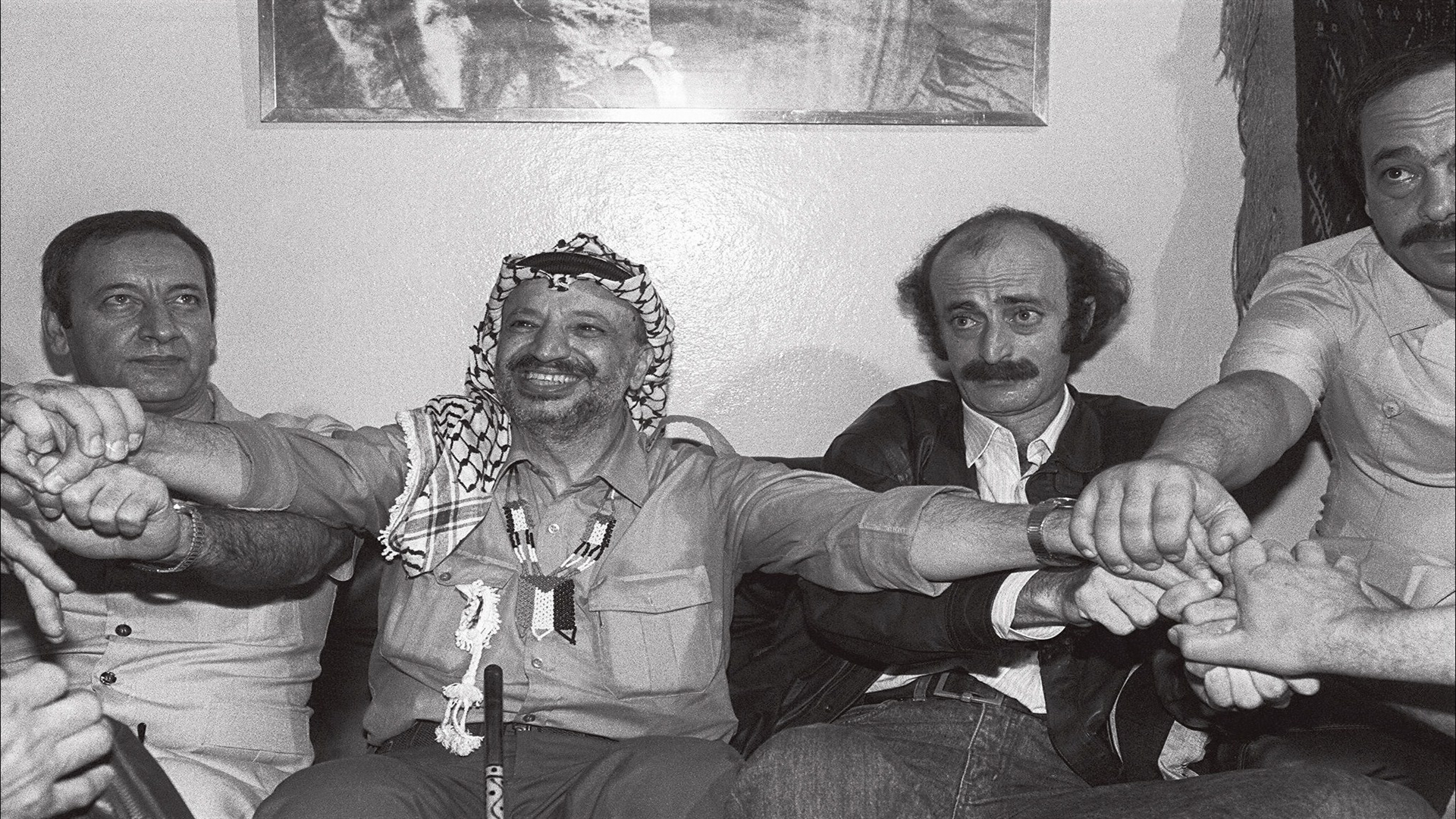
Palestine Liberation Organisation (PLO) chairman Yasser Arafat (C) shown in a picture dated 30 August 1982 in Beirut, shakes hands with his Lebanese supporters, Nabih Berri (L), leader of the Shiite Moslem Amal movement supported by Syria, and Walid Jumblatt (2nd R) leader of the minority Druze community and head of the Socialist Progressive Party, in a farewell before the Palestinian leader escaped from Israeli-occupied Beirut. Man (R) is unidentified. EDS NOTE: B/W only. AFP PHOTO DOMINIQUE FAGET (Photo credit should read DOMINIQUE FAGET/AFP/Getty Images)
Arabism and the Palestinian Cause Were Used as Weapons to Destroy the Druze, Their Institutions, and Their Identity – The Connection Between the Criminal Arabist Approach of Gamal Abdel Nasser and the Criminal Arabist Approach of Walid Jumblatt – and the Relationship with Al-Azhar Nadim Barakat/ X Platform/ June 13/2026
العروبة والقضية الفلسطينية كانا سلاحاً لتدمير الدروز ومؤسساتهم وهويتهم – الترابط بين نهج جمال جمال عبد الناصر العروبي المجرم ووليد جنبلاط العروبي المجرم – والعلاقة بجامع الأزهر ندين بركات/موقع أكس/13 حزيران/2026
وظّف الرئيس المصري جمال عبد الناصر مؤسسة الأزهر بشكل منهجي لشرعنة قراراته الاشتراكية، مستنداً إلى إعادة هيكلة قانونية شاملة للمؤسسة أتاحت للنظام دمج الخطاب الديني بالسياسات الاقتصادية والاجتماعية للدولة. وهنا نرى التشابه بين ما فعله عبد الناصر بالدولة وما فعله جنبلاط بالمؤسسات الدرزية كالاملاك والاوقاف والمجلس المذهبي، وهكذا حوّل مشيخة العقل إلى منصب دمج الدين بالسياسة لتدمير الدروز وبالقانون المدعوم من الارهابي نبيه بري. علماً ان جميع مشايخ جنبلاط ذهبوا إلى الأزهر ولا يزالوا. وحصلوا على تعليم ديني، وشيخ العقل ومشاريع الأزهر وجمعياتهم المشبوهة شغالة في لبنان، كذلك التبادل الثقافي مع مدارس المهدي والإيرانيين.. تم هذا التوظيف عبر آليات وفتاوى محددة شملت الجوانب التالية:
الهندسة القانونية وتأميم المنبر الأزهري قبل البدء في التوظيف الأيديولوجي، سعى النظام إلى السيطرة الإدارية والمالية الكاملة على المؤسسة.
قانون تنظيم الأزهر رقم 103 لعام 1961- تماماً كما قانون المجلس المذهبي ومشيخة العقل: ألغى هذا القانون الاستقلال التاريخي للأزهر وجعله تابعاً للسلطة التنفيذية (وزارة الأوقاف). وبموجبه، أصبح رئيس الجمهورية هو من يعين شيخ الأزهر مباشرة، مما حوّل المؤسسة إلى جزء من أجهزة الدولة الرسمية. وضع جنبلاط مشيخة العقل والاوقاف تحت سيطرته شخصياً.
مصادرة الأوقاف: جرى تجريد الأزهر من أوقافه الخاصة التي كانت تمنحه استقلالاً مالياً عن الحكام، فأصبح العلماء موظفين يتقاضون رواتبهم من خزينة الدولة، مما أخضع الفتوى للتوجه السياسي العام. شيخ العقل اصبح موظف دولة وجرّده جنبلاط من جميع صلاحياته.
شرعنة القوانين الاشتراكية الكبرى: أصدر شيوخ الأزهر في تلك الحقبة (مثل الشيخ محمود شلتوت) فتاوى وبيانات تعتبر القرارات الاشتراكية تطبيقاً جوهرياً لروح الإسلام، ومن أبرزها:
امرنا جنبلاط بالعودة إلى الإسلام وتحالف مع جبهة النصرة والاخوان المسلمين في ٢٠١٤.
قوانين الإصلاح الزراعي ومصادرة الأراضي: لتبرير انتزاع الأراضي من كبار الملاك، أصدر الأزهر فتاوى تؤكد أن الملكية الفردية في الإسلام ليست مطلقة، بل مقيدة بالمصلحة العامة. واستندت الفتاوى إلى القاعدة الفقهية “يجوز لولي الأمر تقييد المباح” وإجراءات عمر بن الخطاب في عام الرمادة، معتبرين أن نزع الملكية مقابل تعويض هو تحقيق للعدالة ومنع للاحتكار. استولى على أراضي الجبل عبر تزوير وفرض قوانين للترخيص البناء، والابتزاز، ومشاريع وزارة الزراعة والتعاونيات وأعمال مشبوهة، وكان لنورا جنبلاط الدور الأكبر. قوانين التأميم: شُرعنت قرارات تأميم المصانع والشركات الكبرى بوصفها حماية لأقوات الشعب من “الجشع الرأسمالي”، واعتُبرت وسائل الإنتاج الأساسية تدخل في إطار المنافع العامة التي لا يجوز للأفراد احتكارها بناءً على الحديث النبوي: “المسلمون شركاء في ثلاث: الماء والكلأ والنار”.
سبلين والمستشفيات والمؤسسات وقطع الطريق على مشاريع انمائية.
تأصيل مفهوم “الاشتراكية الإسلامية” تجاوز دور الأزهر مجرد إصدار الفتاوى العابرة إلى بناء “تأصيل فقهي” كامل للمشروع الناصري: شعار “الاشتراكية هي جوهر الإسلام”.
تحوّل المجلس المذهبي وشيخ العقل إلى مكتب للحزب الاشتراكي يروّج شعار الأسلمة.
جُندت المجلات الرسمية للأزهر (مثل مجلة الأزهر) لإصدار دراسات تؤكد أن الإسلام سبق الماركسية في صياغة النظام الاشتراكي العادل، ولكنه يمتاز عنها بأنه “اشتراكية مؤمنة” تحافظ على الأبعاد الروحية والملكية الفردية المشروطة وغير المستغلة. جنبلاط: جريدة الضحى وجريدة الانباء ..
استدعاء التاريخ والتراث: تم التركيز في الخطاب الأزهري على صحابة مثل أبو ذر الغفاري كأول #اشتراكي في #الإسلام، واعتُبرت الزكاة والتكافل الاجتماعي أشكالاً مبكرة من الضرائب التصاعدية وإعادة توزيع الثروة التي تطبقها الدولة الحديثة.
مواجهة الخصوم السياسيين والأيديولوجيين عبر استخدام النظام حيث اصبحت فتاوى الأزهر جدار صد وتبرير ديني في معاركه السياسية.
استخدام شيخ العقل كأداة وغطاء لمعاركه، استخدام الدين و “التقية” لمعارك ادلب والسويداء، التخويف من الشيعة لانتخابات ٢٠٢٢، وغيرها….
المختارة بالشمع الأحمر!
Arabism and the Palestinian Cause Were Used as Weapons to Destroy the Druze, Their Institutions, and Their Identity – The Connection Between the Criminal Arabist Approach of Gamal Abdel Nasser and the Criminal Arabist Approach of Walid Jumblatt – and the Relationship with Al-Azhar Nadim Barakat/ X Platform/ June 13/2026
Egyptian President Gamal Abdel Nasser systematically employed the Al-Azhar institution to legitimize his socialist policies, relying on a comprehensive legal restructuring of the institution that enabled the regime to integrate religious discourse with the state’s economic and social policies.
Here we see a similarity between what Abdel Nasser did to the state and what Jumblatt did to Druze institutions such as property holdings, religious endowments (waqf), and the sectarian council. In this way, he transformed the office of the Sheikh al-Aql into a position that merged religion with politics for the purpose of destroying the Druze, through laws supported by the “terrorist” Nabih Berri.
It should be noted that all of Jumblatt’s sheikhs attended Al-Azhar and continue to do so. They received religious education there, and the Sheikh al-Aql, Al-Azhar projects, and their suspicious associations remain active in Lebanon, as does cultural exchange with Al-Mahdi schools and the Iranians.
This utilization was carried out through specific mechanisms and religious rulings (fatwas), including the following aspects: Legal Engineering and the Nationalization of the Al-Azhar Platform
Before beginning its ideological deployment, the regime sought complete administrative and financial control over the institution.Al-Azhar Organization Law No. 103 of 1961—exactly like the law governing the Druze Sectarian Council and the Sheikh al-Aql: This law abolished Al-Azhar’s historical independence and made it subordinate to the executive authority (the Ministry of Religious Endowments). Under it, the President of the Republic directly appointed the Grand Imam of Al-Azhar, turning the institution into part of the state’s official apparatus. Jumblatt placed the Sheikh al-Aql and the religious endowments under his personal control. Confiscation of Endowments (Awqaf):
Al-Azhar was stripped of its private endowments, which had provided financial independence from rulers. Religious scholars became state employees paid from the public treasury, making religious rulings subject to the prevailing political orientation. The Sheikh al-Aql became a state employee, and Jumblatt stripped him of all his powers. Legitimizing Major Socialist Laws
The Al-Azhar sheikhs of that era (such as Sheikh Mahmoud Shaltut) issued fatwas and statements declaring socialist policies to be a genuine application of the spirit of Islam. Among the most prominent examples:
Jumblatt allegedly ordered people to return to Islam and formed an alliance with the Al-Nusra Front and the Muslim Brotherhood in 2014. Agrarian Reform Laws and Land Seizures
To justify taking land from large landowners, Al-Azhar issued fatwas stating that private property in Islam is not absolute but rather restricted by the public interest. These rulings relied on the legal principle that “the ruler may restrict what is otherwise permissible” and on measures taken by Caliph Umar ibn al-Khattab during the Year of Ashes, arguing that expropriation with compensation achieved justice and prevented monopolies.
He allegedly seized mountain lands through forgery, restrictive construction permit laws, extortion, Ministry of Agriculture projects, cooperatives, and other suspicious activities, with Nora Jumblatt allegedly playing the largest role. Nationalization Laws
The nationalization of factories and major companies was justified as protecting the people’s livelihood from “capitalist greed.” Essential means of production were considered public benefits that individuals could not monopolize, based on the prophetic saying: “People are partners in three things: water, pasture, and fire.”
This is linked to Siblin, hospitals, institutions, and obstructing development projects. Establishing the Concept of Islamic Socialism
Al-Azhar’s role went beyond issuing temporary fatwas and extended to creating a complete jurisprudential foundation for the Nasserist project under the slogan Socialism is the essence of Islam.
The Druze Sectarian Council and the Sheikh al-Aql allegedly became offices of the Socialist Party promoting Islamization.Official Al-Azhar publications (such as Al-Azhar Magazine) were mobilized to publish studies claiming that Islam had anticipated Marxism in formulating a just socialist system, but that it surpassed Marxism because it represented a “faith-based socialism” that preserved spiritual values and conditional, non-exploitative private ownership. Jumblatt: Al-Duha newspaper and Al-Anbaa newspaper.
Invoking History and Heritage
Al-Azhar’s discourse focused on figures such as Abu Dharr al-Ghifari, portraying him as the first socialist in Islam. Zakat and social solidarity were presented as early forms of progressive taxation and wealth redistribution implemented by the modern state. Confronting Political and Ideological Opponents
The regime used Al-Azhar’s fatwas as a religious shield and justification in its political battles.
Likewise, the Sheikh al-Aql was allegedly used as a tool and cover for political conflicts, with religion and “taqiyya” employed in the battles of Idlib and Suwayda, fearmongering about Shiites during the 2022 elections, and other matters.
“Mukhtara under red seal!” (an expression implying closure, condemnation, or being officially shut down