رابط فيدو ونص مقابلة مع العميد المتقاعد مارون حتي/شهادات من قلب المؤسسة العسكرية اللبنانية، معارك سوق الغرب، أحداث 13 تشرين، بناء القوات الخاصة، ومستقبل الدولة والجيش والسيادة
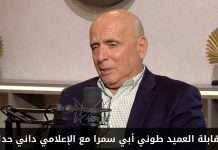
رابط فيدو ونص مقابلة مع العميد المتقاعد مارون حتي/شهادات من قلب المؤسسة العسكرية اللبنانية، معارك سوق الغرب، أحداث 13 تشرين، بناء القوات الخاصة، ومستقبل الدولة والجيش والسيادة أجرى المقابلة الإعلامي داني حداد من محطة أم تي في MTV 19 تشرين الثاني/2026 ملاحظة/تم تفريغ المقابلة وكتابة نصوصها وكل تفاصيلها وترجمتها للإنكليزية بواسطة الياس بجاني بحرية مطلقة بالإستعانة بالذكاء الإصطناعي
مقدمة
في مقابلة تلفزيونية ، بوكست، مطوّلة وغنية بالمحطات العسكرية والتاريخية والسياسية، استضافت محطة ام تي في العميد المتقاعد مارون حتّي، الذي قدّم شهادة شخصية ومهنية عن مسيرته في الجيش اللبناني، متناولاً تجارب ميدانية ومحطات مفصلية عاشها خلال سنوات الحرب اللبنانية، وصولاً إلى مسؤولياته القيادية والإدارية والتخطيطية داخل المؤسسة العسكرية، وما راكمه من خبرة في ميادين القتال والأمن والتدريب وإعادة تنظيم الوحدات العسكرية.
لم تكن هذه المقابلة مجرد استعادة لذكريات ضابط خدم في ظروف استثنائية، بل شكّلت عرضاً لتجربة عسكرية طويلة، تداخلت فيها المسؤولية الوطنية مع الانضباط المهني، والتجربة الميدانية مع الثقافة والمعرفة، والقرار العسكري مع تعقيدات الواقع السياسي اللبناني. وقد تميّزت شهادة حتّي بصراحتها، وبتطرّقها إلى وقائع حساسة لم يتناولها من باب تصفية الحسابات أو إعادة فتح جراح الماضي، بل من زاوية توثيق التجربة وفهم الظروف التي أحاطت بها.
استعاد العميد حتّي جذوره العائلية وعلاقته المبكرة بالمؤسسة العسكرية، مشيراً إلى أن انتماءه إلى الجيش لم يكن قراراً عابراً أو مجرد اختيار مهني، بل ارتبط بإيمان عائلي راسخ بالدولة اللبنانية ومؤسساتها. وتوقف عند دور جده يوسف في المراحل الأولى لتأسيس الجيش، وعند البيئة الثقافية التي نشأ فيها، حيث كان الكتاب والمعرفة حاضرين إلى جانب قيم المسؤولية والانتماء الوطني. كما استعاد صورة والديه، وما كان بينهما من اختلافات سياسية وانتخابية، في مشهد عائلي يعكس التعددية اللبنانية واحترام الاختلاف.
ومن أبرز الأفكار التي كررها حتّي في المقابلة رفضه الفصل بين الثقافة والعمل العسكري. فهو يرى أن المقاتل المثقف أكثر قدرة على فهم المعركة وتقدير المخاطر واتخاذ القرار وتنفيذه، وأن الشجاعة ليست استعراضاً جسدياً أو مجرد امتلاك للسلاح، بل موقف ومسؤولية وانضباط وقدرة على مواجهة الظروف الصعبة. وفي هذا السياق، شدّد على أن الهدف الأساسي من العمل العسكري ليس القتل، بل حماية الحياة وتأمين الظروف التي تسمح للمجتمع بالاستمرار.
وعاد بالذاكرة إلى معركة سوق الغرب ب بشهادة ميدانية ووجدانية ومهنية، ولا سيما روايته عن تكليفه بالتوجه إلى المنطقة في ظل القصف المدفعي السوري العنيف، وعن قراره التحرك وتعبئة القوة المناسبة، واختياره سرية اللواء جورج شريم للمساهمة في تثبيت الموقع. وقد عرض تفاصيل الطريق الخطرة، والنيران المباشرة، والظروف النفسية التي واجهها العسكريون، مستعيداً أيضاً أسماء رفاق السلاح الذين سقطوا، والوجع الإنساني الذي رافق خسارتهم. ومن خلال هذه الرواية، برزت لديه فكرة أساسية مفادها أن القائد لا يُقاس بالشعارات، بل بقدرته على اتخاذ القرار المناسب، واختيار القوة الملائمة، وتحمل المسؤولية عندما يكون الوطن والجيش والمجتمع في حاجة إليه.
كما تناول حتّي ظروف المواجهة العسكرية بين الجيش اللبناني والقوات اللبنانية، كاشفاً أنه كان من المعارضين لها، وأنه عمل، إلى جانب آخرين، على تجنب وقوعها. واستعاد محطات من الاتصالات واللقاءات التي سبقت تلك المواجهة، وصولاً إلى اجتماعاته مع العماد ميشال عون، حيث عبّر عن مخاوفه من أن يؤدي رفض اتفاق الطائف إلى حرب داخلية جديدة، مؤكداً أن موقفه آنذاك كان نابعاً من حرصه على تجنيب اللبنانيين مزيداً من الاقتتال.
وتطرقت المقابلة أيضاً إلى مرحلة ما بعد أحداث 13 تشرين، وما رافقها من ظروف صعبة واستجوابات وتداعيات نفسية ومهنية على العسكريين، وإلى اللقاء الذي جمعه بالعماد إميل لحود، حين طُرح عليه الانتقال إلى موقع قيادي في مكتب قائد الجيش. وقد روى بوضوح أسباب تحفظه آنذاك، مؤكداً أنه لم يكن مستعداً نفسياً للانتقال مباشرة من مرحلة المواجهات والخسائر إلى موقع جديد، وأن وفاءه لرفاقه الذين سقطوا كان حاضراً في قراره.
ومن المحطات المهمة التي عرضها تأسيس مدرسة القوات الخاصة، حيث تحدث عن رؤيته لبناء مؤسسة تدريبية متكاملة، لا تقتصر على إعداد المقاتلين بدنياً وعسكرياً، بل تشمل بناء البنية التحتية، وتأهيل المدربين، ووضع البرامج الإدارية والتدريبية، والعمل ضمن فريق متجانس. وأكد أن النجاح العسكري لا يصنعه فرد بمفرده، بل فريق قادر على التعاون والتكامل وتحقيق الأهداف المشتركة.
وفي الجانب القيادي والاستراتيجي، عرض حتّي تجربته في قيادة الوحدات، والعمل في مديرية العمليات، والتخطيط الاستراتيجي في قيادة الجيش، وتحديد الاحتياجات العسكرية والقدرات المطلوبة للمؤسسة. كما تناول دوره في ملف الهبة السعودية لتسليح الجيش اللبناني، والتعاون مع المملكة العربية السعودية وفرنسا، وما تحقق من عقود ومشاريع تسليحية، قبل أن تتعثر عملية تسليم معظم المعدات بفعل التطورات والمواقف السياسية.
أما في الشأن الوطني الراهن، فقد جاءت مواقفه واضحة بشأن العلاقة بين الدولة وحزب الله، معتبراً أن قيام دولة فعلية يستحيل في ظل وجود جيشين وقرارين سياسيين، أحدهما داخلي والآخر مرتبط بقوة خارجية. وشدد على أن مواجهة هذا الواقع لا تكون بالشعارات، بل ببناء دولة قوية وجيش قوي، يمتلكان القدرة والقرار والسيادة.
وتناول كذلك تجربته في التخطيط العسكري خلال أحداث واقعة القمصان السود واسقاط حكومة الرئيس الحريري، موضحاً أن واجب المؤسسة العسكرية هو حماية المواطنين ومنع الاعتداء عليهم، وأن التخطيط والاستعداد المسبق ليسا عملاً تصعيدياً، بل من صميم الوظيفة العسكرية ومسؤولياتها. كما عرض رؤيته لمستقبل الجيش، وأهمية الإصلاح وإعادة التنظيم والتحديث، مؤكداً أن التغيير المؤسسي الحقيقي يحتاج إلى قيادة تمتلك الإرادة والقدرة على اتخاذ القرار.
وفي ما يتعلق بالرئيس جوزيف عون، عبّر عن ثقته بما يقوم به، متناولاً التوازن الصعب بين استعجال اللبنانيين للخروج من أزماتهم وبين الحسابات الإقليمية والدولية التي تحكم القرارات السياسية. وأبدى تفهماً للضغوط التي تواجه رئاسة الجمهورية في إدارة ملف المفاوضات المباشرة مع إسرائيل، من دون أن يخفي شعوره بأن الشعب اللبناني لم يعد يحتمل إطالة أمد الأزمات، وأن استمرار البلاد في موقع المتفرج على مصيرها أمر بالغ الخطورة.
واختتم حتّي المقابلة برسالة تتجاوز تجربته العسكرية الشخصية، داعياً الشباب إلى عدم الاستسلام لليأس، والتحلي بالصلابة والقدرة على الصمود ومواجهة المصاعب. كما عبّر عن تمسكه بالهوية اللبنانية التاريخية، واعتزازه بجذور لبنان وتاريخه، وطرح رؤيته بضرورة إعادة النظر في الصيغة السياسية والإدارية للدولة، معتبراً أن النظام المركزي لم ينجح في إدارة مجتمع متعدد الهويات والثقافات، ومؤيداً البحث الجدي في النظام الاتحادي أو الفيدرالي.
إنها شهادة تستحق التوقف عندها، ليس فقط لما تتضمنه من تفاصيل عن معارك ومواقع وقرارات عسكرية، بل لما تكشفه من علاقة معقدة بين المؤسسة العسكرية والدولة والسياسة، ومن تجربة ضابط حاول أن يحافظ على احترافه العسكري واستقلالية قراره المهني وسط مرحلة لبنانية شديدة الاضطراب.
جدول بالعناوين والمحاور التي تناولتها المقابلة
*الجذور العائلية والإرث العسكري
الخلفية العائلية للعميد مارون حتّي، ودور جده يوسف في المراحل الأولى لتأسيس الجيش اللبناني، وتأثير الأسرة في اختياره الحياة العسكرية.
*الإيمان بالدولة ومؤسساتها أثر انهيار الدولة اللبنانية عام 1975 في تكوين شخصيته، وإيمانه بالمؤسسات الرسمية باعتبارها الركيزة الأساسية للدولة.
*النشأة الثقافية والتعددية السياسية
أثر صورة الوالدين واختلافهما في الخيارات الانتخابية، واحترام التعددية، وحضور الكتاب والثقافة في الحياة العائلية.
*الثقافة والسلاح
علاقة تكامل لا تناقض أهمية الثقافة في تكوين العسكري، ودورها في فهم المعارك واتخاذ القرارات، وتصحيح الصورة النمطية عن المقاتل والمثقف.
*البدايات العسكرية
التخرج من المدرسة الحربية، الاختصاص في المدرعات، والخدمة في الوحدات العسكرية، وتأثره بقيادات عسكرية بارزة.
*التجارب الأولى في الحرب اللبنانية
التعرض لإطلاق النار، والاشتباكات في بيروت، والمواجهات مع المجموعات الفلسطينية، والتحديات التي واجهت الجيش في المحافظة على وحداته وانضباطه.
*الاجتياح الإسرائيلي
مهمات الجيش، تجربة انتشار الوحدات العسكرية في بيروت، والمهام الأمنية والعسكرية في ظروف شديدة التعقيد.
*معارك سوق الغرب
معارك الدفاع عن الموقع، رواية التحرك العسكري تحت القصف السوري، الاتصال بالعماد ميشال عون، اختيار سرية اللواء جورج شريم، والتضحيات البشرية التي رافقت المعركة.
*خسارة رفاق السلاح والجانب الإنساني للحرب
استشهاد عدد من العسكريين، ومن بينهم شقيق زوجته سليمان، والآثار النفسية والإنسانية للخسارات العسكرية.
*الموقف من الحرب بين الجيش والقوات اللبنانية
معارضته للمواجهات الداخلية، والجهود المبذولة لتجنبها، والاتصالات مع شخصيات من القوات اللبنانية، ومخاوفه من حرب جديدة.
*اتفاق الطائف ومخاطر تجدد الحرب
اللقاء مع العماد ميشال عون، وموقف عون رفض اتفاق الطائف، وتحذيره عون من أن يؤدي الرفض إلى حرب داخلية جديدة.
*مفهوم القيادة والانضباط العسكري
صلاحيات القادة، التسلسل الهرمي، احترام الرتب، أهمية وضوح المسؤوليات وعدم تجاوز الأصول القيادية.
*ما بعد 13 تشرين ومرحلة إعادة بناء الجيش
الظروف التي واجهها العسكريون بعد أحداث 13 تشرين، والاستجوابات والتداعيات النفسية، واللقاء مع العماد إميل لحود.
*تأسيس مدرسة القوات الخاصة
تأسيس مدرسة القوات الخاصة، بناء البنية التحتية المادية والبشرية والإدارية، وإعداد برامج التدريب وتأهيل المغاوير.
*العمل الجماعي وصناعة الكفاءة العسكرية
دور فريق العمل والضباط والمدربين في نجاح المؤسسة، وأهمية التعاون والتكامل بدلاً من اختزال الإنجاز بشخص واحد.
*حماية المحققين التابعين المحكمة الدولية الخاصة بلبنان
قيادة فريق الحماية، والتعاون المهني مع مسؤولي المحكمة، والمحافظة على صورة الجيش والدولة خلال تنفيذ المهمة.
*أسباب عدم وصوله إلى قيادة الجيش
تقييمه لمسيرته المهنية، ومشروعه العسكري، ورؤيته للعقبات السياسية التي حالت دون وصوله إلى قيادة المؤسسة العسكرية.
*التخطيط الاستراتيجي وتسليح الجيش
دوره في أركان الجيش للتخطيط، وتحديد الاحتياجات والقدرات، وإدارة ملف الهبة السعودية والتعاون العسكري مع فرنسا.
*الدولة القوية والجيش الواحد في مواجهة حزب الله
رؤيته لضرورة حصرية القرار العسكري والسياسي بالدولة، ورفض وجود جيشين وقرارين داخل البلد الواحد.
*أحداث القمصان السود والاستعداد لحماية المواطنين
تجربته في التخطيط العملياتي، والاستعداد لمنع الاعتداءات، وضرورة أن تكون المؤسسة العسكرية جاهزة لحماية الناس.
*وضعه خطة الجيش 2025
الإصلاح المؤسسي التخطيط للمستقبل، تطوير القدرات، إعادة التنظيم، ودور القيادة العليا في إحداث التغيير داخل المؤسسة العسكرية.
*الرئيس جوزيف عون والمفاوضات المباشرة مع إسرائيل
ثقته بالرئيس عون، وقراءته للتوازن بين استعجال اللبنانيين والحسابات الدولية والإقليمية، ومخاوفه من استمرار فقدان لبنان القدرة على تقرير مصيره.
*الصمود والهوية اللبنانية
رفض اليأس، والتمسك بلبنان وهويته التاريخية، والاعتزاز بالجذور اللبنانية الممتدة عبر التاريخ.
*مراجعة النظام السياسي والطرح الفيدرالي
نقد الصيغة المركزية في إدارة مجتمع متعدد الهويات والثقافات، والدعوة إلى إعادة النظر في النظام والبحث في الفيدرالية.
الخلاصة
تكشف هذه المقابلة عن مسيرة ضابط لبناني عاش مراحل متعددة من تاريخ المؤسسة العسكرية، وانتقل من الخدمة الميدانية في المدرعات والمغاوير إلى مواقع القيادة والتخطيط والإدارة، حاملاً معه تجربة غنية في القتال والأمن والتدريب وبناء المؤسسات. ومن أبرز ما يميز شهادة العميد مارون حتّي أنها لا تختزل الحياة العسكرية في المواجهات المسلحة، بل تقدمها بوصفها منظومة متكاملة من الثقافة والانضباط والتخطيط والقيادة والمسؤولية الوطنية. وقد أظهر من خلال استعادة محطات سوق الغرب وأحداث 13 تشرين والمواجهة بين الجيش والقوات اللبنانية، حجم التحديات التي واجهت العسكريين في زمن انهارت فيه مؤسسات الدولة، وتداخلت فيه الاعتبارات العسكرية مع الصراعات السياسية. كما برزت في حديثه مسألة العلاقة بين الجيش والسلطة السياسية، وضرورة أن تكون المؤسسة العسكرية قادرة على تنفيذ مهماتها ضمن دولة تمتلك قرارها السيادي، لا أن تتحول إلى طرف في صراعات القوى المتنافسة على السلطة والنفوذ. وفي هذا السياق، حملت مواقفه من حزب الله رسالة سياسية واضحة، قوامها أن الدولة لا يمكن أن تستعيد سيادتها في ظل وجود قوة عسكرية مستقلة عنها، وأن الحل لا يكون بتسويات شكلية أو شعارات سياسية، بل بإقامة دولة فعلية تحتكر قرار الحرب والسلم، وتملك جيشاً واحداً ومؤسسات دستورية فاعلة. كذلك، فإن تجربته في تأسيس مدرسة القوات الخاصة، وفي التخطيط الاستراتيجي وتسليح الجيش، تؤكد أن بناء المؤسسات لا يتم بالارتجال، بل يحتاج إلى رؤية بعيدة المدى، وكفاءات بشرية، وإمكانات مادية، وقيادة قادرة على اتخاذ القرارات الصعبة ومتابعة تنفيذها. أما في الشأن الوطني، فقد عكست مواقفه من الرئيس جوزيف عون والمفاوضات مع إسرائيل إدراكاً لتعقيدات ميزان القوى الإقليمي والدولي، مع إصرار واضح على أن اللبنانيين لم يعودوا قادرين على تحمل استمرار الأزمات، وأن استعادة قرارهم الوطني أصبحت حاجة ملحة.
الاستنتاج
إن أهم ما يمكن استخلاصه من هذه المقابلة المميزة هو أن أزمة لبنان ليست مجرد أزمة سياسية أو اقتصادية أو عسكرية منفصلة، بل هي في جوهرها أزمة دولة وقرار وسيادة ونظام حكم. فمن خلال تجربة العميد مارون حتّي، تظهر المفارقة اللبنانية بوضوح: ضباط وجنود امتلكوا الخبرة والشجاعة والقدرة على التخطيط والتضحية، لكنهم عملوا في ظل دولة لم تكن دائماً قادرة على توفير الغطاء السياسي والمؤسساتي اللازم لنجاح مهماتهم. وهذا التناقض بين كفاءة العنصر البشري وعجز النظام السياسي عن حماية الدولة وتثبيت سلطتها يشكل أحد أبرز وجوه المأساة اللبنانية. ومن هنا، فإن بناء الجيش القوي لا يمكن فصله عن بناء الدولة القوية، ولا يمكن مطالبة المؤسسة العسكرية بحماية السيادة ما لم تكن السلطة السياسية نفسها تمتلك الإرادة والقرار والقدرة على فرض الدستور والقانون على الجميع، من دون استثناء أو ازدواجية في المعايير. كذلك، فإن دعوة حتّي إلى مراجعة النظام السياسي، وطرحه الفيدرالية باعتبارها صيغة تستحق البحث، يعكسان قناعة بأن استمرار إدارة مجتمع متعدد الهويات والثقافات بمنظومة مركزية عاجزة عن احتواء تناقضاته يستدعي نقاشاً وطنياً جاداً ومسؤولاً حول مستقبل الحكم والشراكة واللامركزية وتوزيع الصلاحيات.
لكن تبقى الرسالة الأهم في شهادته هي أن الوطنية لا تُقاس بالشعارات، ولا البطولة بالاستعراض، ولا الانتماء بالولاء للأشخاص أو الأحزاب، بل بالالتزام بالمؤسسات، واحترام القانون، وتحمل المسؤولية، والاستعداد للتضحية من أجل الوطن والمجتمع. وفي المحصلة، تضع هذه المقابلة أمام اللبنانيين سؤالاً أساسياً لا يمكن الهروب منه: هل يريدون دولة فعلية بجيش واحد وقرار سيادي واحد ومؤسسات دستورية تحكم الجميع، أم يستمرون في العيش تحت وطأة سلطات متنازعة وقرارات متناقضة وقوى مسلحة تتقاسم النفوذ على حساب الوطن؟ إن الإجابة عن هذا السؤال هي التي ستحدد مستقبل لبنان، وليس فقط مستقبل جيشه. فلبنان الذي يستحقه أبناؤه هو لبنان الدولة الحرة والسيدة، التي تحمي مواطنيها، وتصون تعدديتها، وتحترم تاريخها، وتستعيد قرارها من كل وصاية أو هيمنة خارجية.
إن الجيش يحتاج إلى دولة تحميه وتمنحه القرار، والدولة تحتاج إلى سيادة لا تتجزأ. ومن دون هذين الشرطين، يبقى الاستقلال ناقصاً، وتبقى تضحيات العسكريين والشعب مهددة بالتكرار.
Video Link and Transcript of an Interview with Retired Brigadier General Maroun Hitti/Testimonies from Within the Lebanese Military Institution, The Battle of Souk El Gharb, the Events of October 13, the Establishment of the Special Forces, the Future of the State, the Army, and Sovereignty Interview conducted by journalist Dani Haddad of MTV Lebanon November 19, 2026 Note: The interview was transcribed, written out in full, and translated into English by Elias Bejjani, with complete editorial freedom and the assistance of Artificial Intelligence. Introduction
In an extensive and informative television and podcast interview, MTV Lebanon hosted retired Brigadier General Maroun Hitti, who provided a personal and professional account of his career in the Lebanese Army. He discussed his field experiences and several pivotal military and historical events that he witnessed during the years of the Lebanese War, as well as the leadership, administrative, and strategic responsibilities he subsequently assumed within the military institution. His testimony reflected the extensive experience he accumulated in combat, security, training, and the reorganization of military units.
This interview was not merely a recollection of the memories of an officer who served under extraordinary circumstances. Rather, it presented the experience of a long military career in which national responsibility intersected with professional discipline, field experience with culture and knowledge, and military decision-making with the complexities of Lebanon’s political reality.
General Hitti’s testimony was distinguished by its frankness and its discussion of sensitive events. He did not approach these issues as an opportunity to settle old scores or reopen the wounds of the past, but rather from the perspective of documenting his experiences and understanding the circumstances surrounding them.
General Hitti revisited his family roots and his early relationship with the military institution. He explained that joining the Army was neither a passing decision nor simply a professional choice. It was rooted in a deeply established family belief in the Lebanese state and its institutions. He recalled the role played by his grandfather, Youssef, during the early stages of the establishment of the Lebanese Army, as well as the cultural environment in which he was raised, where books and knowledge were valued alongside responsibility and national belonging.
He also recalled his parents and their differing political and electoral preferences, presenting a family picture that reflected Lebanon’s pluralism and the importance of respecting political differences.
One of the central themes repeatedly emphasized by Hitti was his refusal to separate culture from military service. In his view, an educated soldier is better equipped to understand the battlefield, assess risks, make decisions, and carry them out. Courage, he stressed, is not a physical display or simply the possession of weapons; it is an attitude, a responsibility, discipline, and the ability to confront difficult circumstances. In this context, he emphasized that the fundamental purpose of military service is not killing, but protecting life and securing the conditions that allow society to survive and continue.
He revisited the Battle of Souk El Gharb, offering a testimony that was simultaneously military, personal, and emotional. In particular, he recounted being assigned to proceed to the area under intense Syrian artillery bombardment, his decision to move and mobilize the appropriate force, and his selection of the company belonging to the George Shrem Regiment to help secure and hold the position.
He described the dangerous roads, direct enemy fire, and the psychological circumstances confronting the soldiers. He also recalled the names of fellow servicemen who lost their lives and the profound human pain associated with their deaths.
Through this account, one of his fundamental convictions became evident: a commander is not judged by slogans, but by his ability to make the right decision, select the appropriate force, and assume responsibility when the homeland, the Army, and society need him.
Hitti also discussed the circumstances surrounding the military confrontation between the Lebanese Army and the Lebanese Forces. He disclosed that he had opposed this confrontation and, together with others, had worked to prevent it from taking place.
He recalled several communications and meetings that preceded the confrontation, including his meetings with General Michel Aoun. During these discussions, he expressed his concerns that rejecting the Taif Agreement could lead to another internal war. He emphasized that his position at the time stemmed from his determination to spare the Lebanese people further bloodshed.
The interview also addressed the period following the events of October 13, 1990, and the difficult circumstances that followed, including interrogations and the psychological and professional consequences for military personnel.
He recalled his meeting with General Emile Lahoud, during which he was offered a leadership position within the office of the Army Commander. He clearly explained the reasons for his reservations, emphasizing that he was not psychologically prepared to move directly from a period of confrontation and heavy losses into a new position. His loyalty to the comrades who had fallen remained a significant factor in his decision.
Another important chapter of his career was the establishment of the Special Forces School. He discussed his vision of creating a comprehensive training institution that would not be limited to the physical and military preparation of combatants, but would also encompass infrastructure development, instructor qualification, the establishment of administrative and training programs, and the creation of a cohesive working team.
He emphasized that military success is never achieved by one individual alone, but through a team capable of cooperation, coordination, and achieving common objectives.
From a leadership and strategic perspective, Hitti discussed his experience commanding military units, serving in the Operations Directorate, and undertaking strategic planning within Army Command, including identifying the military requirements and capabilities needed by the institution.
He also addressed his role in the Saudi military assistance package intended to equip the Lebanese Army, as well as cooperation with Saudi Arabia and France. He discussed the contracts and military procurement projects that were achieved before the delivery of most of the equipment was subsequently obstructed by political developments and positions.
Regarding Lebanon’s current national situation, his positions on the relationship between the state and Hezbollah were unequivocal. He argued that the establishment of a genuine state is impossible as long as two armies and two political decision-making authorities exist within the country: one Lebanese and internal, and the other connected to an external power.
He stressed that confronting this reality requires more than slogans. It requires building a strong state and a strong army, both possessing the necessary capabilities, decision-making authority, and sovereignty.
He also discussed his military planning experience during the Black Shirts events and the overthrow of Prime Minister Saad Hariri’s government. He explained that the military institution has a duty to protect citizens and prevent attacks against them. Advance planning and preparedness, he maintained, are not acts of escalation but fundamental components of military responsibilities and professional duties.
He further presented his vision for the future of the Lebanese Army and the importance of reform, restructuring, and modernization. He emphasized that genuine institutional change requires leadership with the determination and ability to make decisions.
Regarding President Joseph Aoun, he expressed confidence in what the President is doing, while addressing the difficult balance between the Lebanese people’s urgent desire to overcome their crises and the regional and international calculations governing political decisions.
He expressed an understanding of the pressures facing the Presidency in managing the issue of direct negotiations with Israel, without concealing his feeling that the Lebanese people can no longer tolerate the prolonged continuation of the country’s crises. He also warned that allowing Lebanon to remain a mere spectator to its own destiny is extremely dangerous.
Hitti concluded the interview with a message extending beyond his personal military experience. He called on young people not to surrender to despair, but to demonstrate resilience, determination, and the ability to withstand and overcome difficulties.
He also reaffirmed his attachment to Lebanon’s historical identity and his pride in the country’s roots and history. He presented his vision of the need to reconsider Lebanon’s political and administrative structure, arguing that the centralized system has failed to govern a society characterized by multiple identities and cultures. He therefore supported serious consideration of a federal system.
This is a testimony worth examining, not merely because of the details it provides about battles, military positions, and decisions, but also because it reveals the complex relationship between the military institution, the state, and politics, as well as the experience of an officer who sought to preserve his professionalism and the independence of his military judgment amid an exceptionally turbulent period in Lebanon’s history.
Table of the Interview’s Main Topics and Subjects
*Family Roots and Military Heritage
Brigadier General Maroun Hitti’s family background, his grandfather Youssef’s role during the early stages of the establishment of the Lebanese Army, and the family’s influence on his decision to pursue a military career.
*Faith in the State and Its Institutions
The impact of the collapse of the Lebanese state in 1975 on his personal development and his belief in official institutions as the fundamental foundation of the state.
*Cultural Upbringing and Political Pluralism
The influence of his parents’ differing electoral choices, respect for political pluralism, and the importance of books and culture within his family environment.
*Culture and Weapons..Complementary Rather Than Contradictory
The importance of education and culture in shaping military personnel, their role in understanding battles and making decisions, and challenging the stereotypical distinction between the intellectual and the fighter.
*The Beginning of His Military Career
Graduation from the Military Academy, specialization in armored units, service in military formations, and the influence of prominent military commanders.
*His First Experiences During the Lebanese War
Coming under fire, clashes in Beirut, confrontations with Palestinian armed groups, and the challenges facing the Army in maintaining the integrity, unity, and discipline of its units.
*The Israeli Invasion
The Army’s missions, his experience with the deployment of military units in Beirut, and the security and military responsibilities undertaken under extremely complicated circumstances.
*The Battles of Souk El Gharb
The defense of the military position, his account of the military movement under Syrian bombardment, communications with General Michel Aoun, the selection of the George Shrem Regiment’s company, and the human sacrifices associated with the battle.
*The Loss of Comrades-in-Arms and the Human Dimension of War
The deaths of several military personnel, including his wife’s brother, Sleiman, and the psychological and human consequences of military losses.
*His Position on the War Between the Army and the Lebanese Forces
His opposition to internal military confrontations, efforts to prevent them, communications with Lebanese Forces figures, and his fears of another civil war.
*The Taif Agreement and the Danger of Renewed War
His meeting with General Michel Aoun, Aoun’s rejection of the Taif Agreement, and his warning that rejecting the agreement could lead to another internal war.
*The Concept of Leadership and Military Discipline
Commanders’ authority, the military chain of command, respect for ranks, clearly defined responsibilities, and adherence to established leadership procedures.
*The Aftermath of October 13 and the Army’s Reconstruction Period
The circumstances confronting military personnel following the October 13 events, interrogations, psychological consequences, and his meeting with General Emile Lahoud.
*The Establishment of the Special Forces School
Establishing the Special Forces School, developing its physical, human, and administrative infrastructure, preparing training programs, and qualifying commando forces.
*Teamwork and the Development of Military Competence
The contribution of teams, officers, and instructors to institutional success, and the importance of cooperation and coordination rather than attributing achievements to one individual.
*Protecting Investigators Working for the Special Tribunal for Lebanon
Commanding the protection team, professional cooperation with the Tribunal’s officials, and preserving the image of the Lebanese Army and the state while carrying out the mission.
*Why He Did Not Reach the Position of Army Commander
His assessment of his professional career and military project, as well as his perspective on the political obstacles that prevented him from reaching the highest position within the military institution.
*Strategic Planning and Arming the Lebanese Army
His role in Army Command’s planning staff, identifying military requirements and capabilities, and managing the Saudi assistance package and military cooperation with France.
*A Strong State and One Army in Confronting Hezbollah
His vision of the necessity of placing military and political decision-making exclusively under state authority, and his rejection of the existence of two armies and two competing decision-making authorities within one country.
*The Black Shirts Events and Preparedness to Protect Citizens
His experience in operational planning, preparations to prevent attacks, and the necessity of ensuring that the military institution is ready to protect the population.
*His Army Plan for 2025: Institutional Reform
Future planning, capability development, restructuring, and the role of senior military leadership in bringing about change within the institution.
*President Joseph Aoun and Direct Negotiations with Israel
His confidence in President Aoun, his assessment of the balance between the Lebanese people’s urgency and international and regional calculations, and his concerns about Lebanon’s continued loss of control over its own destiny.
*Resilience and Lebanese Identity
Rejecting despair, remaining committed to Lebanon and its historical identity, and taking pride in the country’s roots extending deep into history.
*Reconsidering the Political System and the Federal Proposal
Criticism of the centralized system’s failure to govern a society with multiple identities and cultures, and the call to reconsider the political system and seriously examine federalism.
Conclusion
This interview reveals the career of a Lebanese military officer who experienced several different stages in the history of the military institution, moving from field service in armored and commando units to positions of command, strategic planning, and administration. Throughout his career, he accumulated extensive experience in combat, security, training, and institution-building.
One of the most distinctive aspects of Brigadier General Maroun Hitti’s testimony is that it does not reduce military life to armed confrontations. Instead, it presents military service as an integrated system of culture, discipline, planning, leadership, and national responsibility.
Through his recollections of the battles of Souk El Gharb, the events of October 13, and the confrontation between the Lebanese Army and the Lebanese Forces, he demonstrated the magnitude of the challenges facing military personnel during a period when state institutions had collapsed and military considerations were intertwined with political conflicts.
His remarks also highlighted the relationship between the Army and political authority, and the necessity of ensuring that the military institution can carry out its missions within a state that possesses its own sovereign decision-making authority, rather than being transformed into a party to conflicts between competing political forces seeking power and influence.
In this context, his positions regarding Hezbollah conveyed a clear political message: the state cannot restore its sovereignty while an independent military force operates outside its authority. The solution does not lie in superficial compromises or political slogans, but in establishing a genuine state that holds an exclusive monopoly over decisions of war and peace and possesses one army and effective constitutional institutions.
Furthermore, his experience in establishing the Special Forces School and in strategic planning and military procurement demonstrates that institution-building cannot be achieved through improvisation. It requires a long-term vision, qualified human resources, material capabilities, and leadership capable of making difficult decisions and ensuring their implementation.
Regarding the national situation, his positions on President Joseph Aoun and negotiations with Israel reflected an awareness of the complexities of the regional and international balance of power, combined with a clear insistence that the Lebanese people can no longer endure the continuation of their crises and that reclaiming their national decision-making authority has become an urgent necessity.
Final Assessment
The most important conclusion to be drawn from this remarkable interview is that Lebanon’s crisis is not simply a political, economic, or military crisis considered separately. At its core, it is a crisis of statehood, decision-making authority, sovereignty, and governance.
Through Brigadier General Maroun Hitti’s experience, a fundamental Lebanese paradox becomes evident: officers and soldiers possessed the experience, courage, planning capabilities, and willingness to sacrifice, yet they operated under a state that was not always capable of providing the political and institutional support necessary for the success of their missions.
This contradiction between the competence of the human element and the political system’s inability to protect the state and consolidate its authority constitutes one of the most significant dimensions of Lebanon’s tragedy.
Consequently, building a strong army cannot be separated from building a strong state. The military institution cannot be expected to defend national sovereignty unless the political leadership itself possesses the determination, authority, and ability to enforce the Constitution and the law upon everyone, without exceptions or double standards.
Likewise, Hitti’s call to reconsider the political system and his proposal that federalism deserves serious consideration reflect the conviction that continuing to govern a society characterized by multiple identities and cultures through a centralized system incapable of containing its contradictions necessitates a serious and responsible national discussion about the future of governance, partnership, decentralization, and the distribution of powers.
Nevertheless, the most important message emerging from his testimony is that patriotism is not measured by slogans, heroism is not demonstrated through theatrical displays, and national belonging is not defined by loyalty to individuals or political parties. Rather, they are measured by commitment to institutions, respect for the law, acceptance of responsibility, and readiness to sacrifice for one’s homeland and society.
Ultimately, this interview places before the Lebanese people a fundamental question from which they cannot escape:
Do they want a genuine state, with one army, one sovereign decision-making authority, and constitutional institutions governing everyone? Or will they continue living under the weight of competing authorities, contradictory decisions, and armed forces dividing power and influence at the expense of the nation?
The answer to this question will determine Lebanon’s future, and not merely the future of its Army.
The Lebanon its people deserve is a free and sovereign state that protects its citizens, safeguards its pluralism, respects its history, and reclaims its national decision-making authority from every form of foreign guardianship and domination.
The Army needs a state that protects it and grants it the authority to act, while the state needs indivisible sovereignty. Without these two essential conditions, independence remains incomplete, and the sacrifices of military personnel and the Lebanese people remain in danger of being repeated.