لماذا ينبغي أن تكون المساعدات الأمريكية للجيش اللبناني مشروطة؟
ديفيد شينكر/ناشيونال إنترست/09 أيلول/2026
(ترجمة من الإنكليزية بواسطة الذكاء الإصطناعي)
Why US Aid to the Lebanese Armed Forces Should Come with Conditions
David Schenker/Notional Interest/September 09/2026
The only way to dismantle Hezbollah is to create the right incentives for the Lebanese government.
When I served as assistant secretary of state for Near East Affairs during the first Trump administration, I spent much of my time trying to disabuse my French counterparts of their reflexive inclination to bail Lebanon out of its self-inflicted financial crisis. Instead of participating in another failed Paris donor conference, the administration pressed for conditionality, making US support for an IMF program and the disbursement of cash contributions contingent on Beirut implementing meaningful economic reforms. Seven years on, Lebanon has yet to embrace significant reform and the economic morass continues. Still, Washington’s approach—requiring tangible actions in return for billions of dollars of aid—remains the correct policy.
The United States should take the same approach to military assistance to Lebanon. In June, Lebanon committed in negotiations with Israel, mediated by Washington, to disarming (and dismantling) the Iran-backed militia Hezbollah. Beirut’s signing of the Trilateral Framework agreement was a brave decision. Yet, regrettably, early indications suggest that—like so many previous pledges on economic reform—Lebanon is failing to meet its obligations. President Donald Trump says his administration has “concrete plans” to help the Lebanese Armed Forces (LAF) disarm Hezbollah. Before he obligates funds, he would be well advised to wait and see if the LAF shows any sign that it intends to carry out the mission.
Predictably, France isn’t waiting. Despite Beirut’s disarmament inertia, Paris is poised to hold yet another donor conference for Lebanon. On September 17, President Emmanuel Macron will host a preparatory session for a later meeting to raise funds to support the LAF and the state’s Internal Security Forces. The French initiative aims to strengthen these institutions’ operational capabilities and sustainability by providing equipment and training. A key objective is to provide the LAF with the capacity to deploy to the south and take over from the Israeli military forces that currently occupy Lebanese territory.
Macron is right that the LAF needs help. The military is short on cash, can’t meet payroll, and is struggling to find gas money to fuel vehicles. Yet the main reason for LAF underperformance is not insufficient resources. Rather, the problem appears to be a matter of will. Either Beirut hasn’t issued clear guidance to the LAF, or the military isn’t following orders. Both scenarios bode poorly for the disarmament project.
This lack of will has been on clear display in Zawtar al-Gharbiya, the first pilot zone under the framework. Israeli forces withdrew from Zawtar in late July. Under the terms of the agreement, the LAF deployed to secure the area and prevent the return of Hezbollah personnel and assets. While the LAF reportedly has uncovered some arms caches, the Lebanese press is reporting that the army is not checking vehicles, and that Hezbollah-affiliated ambulances and personnel had been allowed to re-enter the town, including the militia’s local military representative.
Regrettably, additional funding, equipment, and training will not make the LAF carry out its duties in Zawtar. The LAF is sidestepping its obligations to avoid conflict with Hezbollah. While fear of the militia is understandable, the consequences of the LAF shirking its duties are considerable. If the Zawtar pilot zone doesn’t succeed, Israel is unlikely to withdraw from additional zones, and the framework’s envisioned process will stall. Ultimately, to end the Israeli presence in Lebanon and de-escalate the conflict, Beirut is going to have to compel the LAF—which ostensibly is answerable to the government—to do its job.
To be sure, Lebanon isn’t the only side falling short of expectations. Israeli officials, perhaps motivated by electoral considerations, talk brashly about digging into Lebanese positions for a long-term stay, as though the two sides didn’t just sign an agreement that envisions Israel’s departure. And there are almost daily Israeli military operations against Hezbollah terrorists or weapons caches, sometimes killing civilians in the process, reminding Lebanese that the ceasefire seems to exist in name only. Still, while Israeli actions may be unhelpful, LAF inaction in the pilot zones, if it persists, will ultimately prove the end of the framework agreement.
While France may be looking to underwrite a recalcitrant LAF, the Trump administration shouldn’t be offering additional support to an institution actively undermining its efforts to change the status quo in Lebanon. Since 2006, Washington has provided nearly $3 billion to the LAF to strengthen the force’s capabilities in preparation for this very moment. To encourage Beirut and the LAF to seize this rare opportunity to assert state sovereignty, the administration should make clear to Lebanon that its performance to date in the pilot zones is inadequate and inconsistent with the obligations the government undertook. Washington should be explicit that additional US funding for the LAF will be contingent on performance.
Proposed legislation—the Lebanon Sanctions, Stabilization, and Support Act—is a strong signal from Congress that it would endorse a tough-love approach by the administration. This bill conditions US support for the LAF on the military’s execution of government directives regarding Hezbollah and its weapons. It also demonstrates a keen awareness of Beirut’s long track record of unfulfilled commitments.
The Trump administration has invested significant diplomatic capital in the Lebanese-Israel talks. Barring a change in the Lebanese approach to the pilot zones, however, the Trilateral Framework will lose all momentum and wither. It’s not clear that conditioning US military assistance will compel Lebanon to reverse course; the approach hasn’t worked on economic reforms. But Washington can’t—and shouldn’t—bankroll Beirut’s indecision. Whether on the economy or on disarming Hezbollah, the United States cannot help the Lebanese government if it doesn’t help itself.
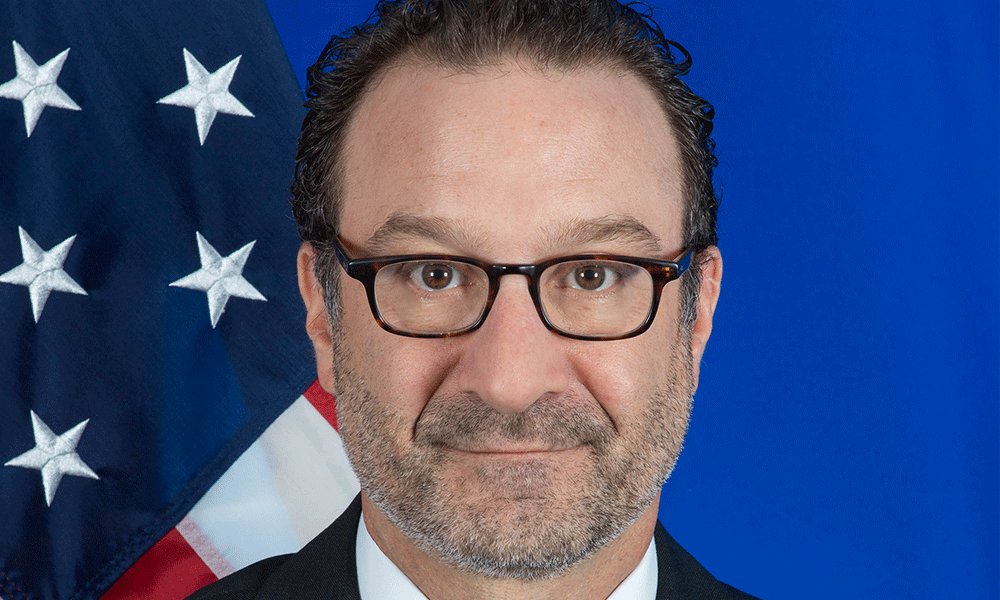
About the Author: David Schenker
https://nationalinterest.org/blog/middle-east-watch/why-us-aid-to-the-lebanese-armed-forces-should-come-with-conditions
David Schenker is the Taube senior fellow at The Washington Institute and director of the Linda and Tony Rubin Program on Arab Politics. Confirmed by the Senate on June 5, 2019, he served as assistant secretary of state for Near Eastern Affairs through January 2021. In that capacity, he was the principal Middle East advisor to the secretary of state and the senior official overseeing the conduct of US policy and diplomacy in a region stretching from Morocco to Iran to Yemen, with responsibility for 18 countries, the Palestinian Authority, and Western Sahara.
لماذا ينبغي أن تكون المساعدات الأمريكية للجيش اللبناني مشروطة؟
ديفيد شينكر/ناشيونال إنترست/09 أيلول/2026
(ترجمة من الإنكليزية بواسطة الذكاء الإصطناعي)
الطريقة الوحيدة لتفكيك حزب الله هي إيجاد الحوافز المناسبة للحكومة اللبنانية.
عندما كنت أشغل منصب مساعد وزير الخارجية لشؤون الشرق الأدنى خلال الإدارة الأولى للرئيس ترامب، أمضيت جزءاً كبيراً من وقتي في محاولة إقناع نظرائي الفرنسيين بالتخلي عن ميلهم التلقائي إلى إنقاذ لبنان من أزمته المالية التي تسبب بها بنفسه. وبدلاً من المشاركة في مؤتمر مانحين آخر فاشل في باريس، دفعت الإدارة الأمريكية باتجاه اعتماد مبدأ الشروط، بحيث يصبح الدعم الأمريكي لبرنامج صندوق النقد الدولي وصرف المساهمات النقدية مشروطين بقيام بيروت بتنفيذ إصلاحات اقتصادية ذات معنى. وبعد سبع سنوات، لا يزال لبنان يرفض تبني إصلاحات جوهرية، وما زال المستنقع الاقتصادي مستمراً. ومع ذلك، فإن المقاربة الأمريكية — أي اشتراط اتخاذ إجراءات ملموسة مقابل مليارات الدولارات من المساعدات — لا تزال السياسة الصحيحة.
ينبغي للولايات المتحدة أن تعتمد المقاربة نفسها فيما يتعلق بالمساعدات العسكرية للبنان. ففي حزيران الماضي، تعهّد لبنان خلال مفاوضات مع إسرائيل بوساطة أمريكية بنزع سلاح (وتفكيك) ميليشيا حزب الله المدعومة من إيران. وكان توقيع بيروت على اتفاقية «الإطار الثلاثي» قراراً شجاعاً. لكن المؤشرات الأولية، وللأسف، توحي بأنه، كما حصل مع العديد من الوعود السابقة المتعلقة بالإصلاح الاقتصادي، فإن لبنان يفشل في الوفاء بالتزاماته.
ويقول الرئيس دونالد ترامب إن إدارته تملك «خططاً ملموسة» لمساعدة الجيش اللبناني على نزع سلاح حزب الله. وقبل أن يخصص أموالاً لهذا الغرض، سيكون من الحكمة أن ينتظر ويرى ما إذا كان الجيش اللبناني سيُظهر أي مؤشر على نيته تنفيذ هذه المهمة.
وكما كان متوقعاً، فإن فرنسا لا تنتظر. فعلى الرغم من حالة الجمود اللبنانية فيما يتعلق بنزع السلاح، تستعد باريس لعقد مؤتمر مانحين جديد للبنان. وفي 17 أيلول، سيستضيف الرئيس إيمانويل ماكرون اجتماعاً تحضيرياً لمؤتمر لاحق يهدف إلى جمع الأموال لدعم الجيش اللبناني وقوى الأمن الداخلي التابعة للدولة. وتهدف المبادرة الفرنسية إلى تعزيز القدرات التشغيلية واستدامة هاتين المؤسستين من خلال توفير المعدات والتدريب. ويتمثل أحد الأهداف الرئيسية في تمكين الجيش اللبناني من الانتشار في الجنوب وتسلّم المهام من القوات العسكرية الإسرائيلية التي تحتل حالياً أراضي لبنانية.
وماكرون محق في قوله إن الجيش اللبناني يحتاج إلى المساعدة. فالمؤسسة العسكرية تعاني نقصاً في الأموال، ولا تستطيع الوفاء برواتب أفرادها، وتكافح لتأمين تكاليف الوقود اللازمة لتشغيل آلياتها. لكن السبب الرئيسي لضعف أداء الجيش اللبناني ليس نقص الموارد. بل يبدو أن المشكلة تتعلق بالإرادة. فإما أن بيروت لم تصدر توجيهات واضحة للجيش اللبناني، أو أن الجيش لا ينفذ الأوامر. وكلا الاحتمالين لا يبشران بالخير بالنسبة لمشروع نزع السلاح.
وقد ظهر هذا النقص في الإرادة بوضوح في زوطر الغربية، وهي أول منطقة تجريبية ضمن إطار الاتفاق. فقد انسحبت القوات الإسرائيلية من زوطر في أواخر تموز. وبموجب شروط الاتفاق، انتشر الجيش اللبناني لتأمين المنطقة ومنع عودة عناصر وأصول حزب الله إليها. وبينما أفادت التقارير بأن الجيش اللبناني اكتشف بعض مخابئ الأسلحة، فإن الصحافة اللبنانية تتحدث عن أن الجيش لا يفتش المركبات، وأن سيارات الإسعاف والعناصر المرتبطة بحزب الله سُمح لها بالعودة إلى البلدة، بما في ذلك الممثل العسكري المحلي للميليشيا.
وللأسف، فإن زيادة التمويل أو المعدات أو التدريب لن تجعل الجيش اللبناني يؤدي واجباته في زوطر. فالجيش يتجنب تنفيذ التزاماته لتفادي المواجهة مع حزب الله. ومع أن الخوف من الميليشيا مفهوم، فإن تداعيات تقاعس الجيش عن أداء واجباته كبيرة. فإذا لم تنجح المنطقة التجريبية في زوطر، فمن غير المرجح أن تنسحب إسرائيل من مناطق إضافية، وستتعطل العملية التي يتصورها الاتفاق. وفي نهاية المطاف، إذا أرادت بيروت إنهاء الوجود الإسرائيلي في لبنان وخفض التصعيد، فسيتعين عليها أن تُلزم الجيش اللبناني — الذي يفترض أنه خاضع للحكومة — بأداء واجبه.
ومن المؤكد أن لبنان ليس الطرف الوحيد الذي لا يرقى إلى مستوى التوقعات. فالمسؤولون الإسرائيليون، وربما بدوافع انتخابية، يتحدثون بلهجة متشددة عن التمركز في مواقع لبنانية لفترة طويلة، وكأن الطرفين لم يوقعا للتو اتفاقاً ينص على انسحاب إسرائيل. كما أن العمليات العسكرية الإسرائيلية ضد عناصر حزب الله أو مخازن أسلحته تكاد تكون يومية، وأحياناً تؤدي إلى مقتل مدنيين، ما يذكّر اللبنانيين بأن وقف إطلاق النار يبدو قائماً بالاسم فقط. ومع ذلك، فبينما قد تكون التصرفات الإسرائيلية غير مفيدة، فإن استمرار تقاعس الجيش اللبناني في المناطق التجريبية سيؤدي في نهاية المطاف إلى إنهاء اتفاق الإطار.
وفي حين قد تكون فرنسا مستعدة لتمويل جيش لبناني متردد، فإن إدارة ترامب لا ينبغي أن تقدم دعماً إضافياً لمؤسسة تعمل فعلياً على تقويض جهودها لتغيير الوضع القائم في لبنان. فمنذ عام 2006، قدمت واشنطن ما يقارب ثلاثة مليارات دولار للجيش اللبناني بهدف تعزيز قدراته استعداداً لهذه اللحظة تحديداً. ولتشجيع بيروت والجيش اللبناني على اغتنام هذه الفرصة النادرة لتأكيد سيادة الدولة، ينبغي للإدارة الأمريكية أن توضح للبنان أن أداءه حتى الآن في المناطق التجريبية غير كافٍ ولا يتماشى مع الالتزامات التي تعهدت بها الحكومة. كما ينبغي لواشنطن أن تكون واضحة في أن أي تمويل أمريكي إضافي للجيش اللبناني سيكون مشروطاً بالأداء.
ويُعد مشروع القانون المقترح — «قانون العقوبات والاستقرار والدعم للبنان» — إشارة قوية من الكونغرس إلى تأييده لمقاربة الحزم المشروط التي قد تعتمدها الإدارة. فهذا المشروع يربط الدعم الأمريكي للجيش اللبناني بمدى تنفيذ المؤسسة العسكرية لتوجيهات الحكومة المتعلقة بحزب الله وسلاحه. كما أنه يعكس إدراكاً عميقاً للسجل الطويل لبيروت في عدم الوفاء بالتزاماتها.
لقد استثمرت إدارة ترامب رأس مال دبلوماسياً كبيراً في المحادثات اللبنانية–الإسرائيلية. لكن ما لم يطرأ تغيير على المقاربة اللبنانية في المناطق التجريبية، فإن اتفاق الإطار الثلاثي سيفقد زخمه بالكامل ويذبل. وليس واضحاً ما إذا كان ربط المساعدات العسكرية الأمريكية بالشروط سيدفع لبنان إلى تغيير مساره؛ فهذه المقاربة لم تنجح في فرض الإصلاحات الاقتصادية. لكن واشنطن لا تستطيع، ولا ينبغي لها، أن تموّل تردد بيروت. سواء في الاقتصاد أو في نزع سلاح حزب الله، لا تستطيع الولايات المتحدة مساعدة الحكومة اللبنانية إذا لم تساعد نفسها بنفسها.
عن الكاتب: ديفيد شينكر
ديفيد شينكر هو زميل أول في برنامج تاوب بمعهد واشنطن، ومدير برنامج ليندا وتوني روبين للسياسات العربية. وبعد مصادقة مجلس الشيوخ على تعيينه في 5 حزيران/يونيو 2019، شغل منصب مساعد وزير الخارجية لشؤون الشرق الأدنى حتى كانون الثاني/يناير 2021. وفي هذا المنصب كان المستشار الرئيسي لوزير الخارجية الأمريكي لشؤون الشرق الأوسط، وكبير المسؤولين المشرفين على تنفيذ السياسة والدبلوماسية الأمريكية في منطقة تمتد من المغرب إلى إيران واليمن، مع مسؤولية تشمل 18 دولة، والسلطة الفلسطينية، والصحراء الغربية.