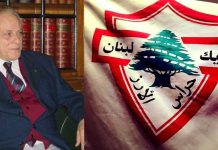
رابط فيديو ونص مقابلة “غير شكل” مع المهندس ألفرد ماضي رئيس حركة الخيار الآخر/قراءة سيادية وبشيرية وتعروية لكل ما يتعلق بقانون العفو وقضية المبعدين قسراً وأبطال جيش لبنان الجنوبي، مواقف د. جعجع المشخصنة والمنحرفة عن مبدأ السيادة، إيرانية وأخطار ومصير وإجرام حزب الله، المفاوضات مع إسرائيل، خطيئة تشبيه أي سياسي بالحلم بشير الجميل، الحرب مع إيران، اتفاقية مكة، حكم أحمد الشرع في سوريا ومصيره، ومدى قربه أو بعده عن سياسيين وحكام وأسباب ذلك/video link & text of a par excellence interview with Engineer Alfred Madi
video link & text of a par excellence interview with Engineer Alfred Madi, Head of the Other Option Movement/ a sovereign, Bashirian, and uncovering reading of everything related to the amnesty law, the case of the forcibly displaced, and the heroes of the South Lebanon Army; Dr. Samir Geagea’s personalized and deviationist stances from the principle of sovereignty; Iran and the dangers, fate, and criminality of Hezbollah; negotiations with Israel; the sin of comparing any politician to Bachir Gemayel; the war with Iran; the Mecca Agreement; Ahmed al-Sharaa’s rule in Syria, and his degree of proximity or distance to politicians and rulers, and the reasons for that.
Interviewer: Muhsin Hijazi, from As-Siyasa youtube platform Date: August 14, 2026
Note: Transcription, summarization, phrasing, headings, conclusions, and English translation were handled independently and at the absolute discretion of Elias Bejjani, Publisher of the LCCC Website.
رابط فيديو ونص مقابلة “غير شكل” مع المهندس ألفرد ماضي رئيس حركة الخيار الآخر/قراءة سيادية وبشيرية وتعروية لكل ما يتعلق بقانون العفو وقضية المبعدين قسراً وأبطال جيش لبنان الجنوبي، مواقف د. جعجع المشخصنة والمنحرفة عن مبدأ السيادة، إيرانية وأخطار ومصير وإجرام حزب الله، المفاوضات مع إسرائيل، خطيئة تشبيه أي سياسي بالحلم بشير الجميل، الحرب مع إيران، اتفاقية مكة، حكم أحمد الشرع في سوريا ومصيره، ومدى قربه أو بعده عن سياسيين وحكام وأسباب ذلك
أجرى المقابلة الإعلامي محسن حجازي من موقع السياسة/14 آب/2026 ملاحظة/تفريغ النصوص، والتلخيص، والصياغة، ووضع العناوين، واستخلاص الاستنتاجات تمّت جميعها بواسطة الياس بجاني ناشر موقع المنسقية، بحرية وتصرف مطلقين.
أجرى المقابلة الإعلامي محسن حجازي من موقع السياسة/14 آب/2026
ملاحظة/اتفريغ النصوص، التلخيص، الصياغة، العناوين، الإستنتاجات والترجمة للإنكليزية هي بواسطة ناشر موقع المنسقية الياس بجاني بحرية وتصرف مطلقين
أهم العناوين الرئيسية التي تناولها ألفرد ماضي في مقابلته
*قانون العفو العام وقضية الجنوبيين المبعدين قسراً وجيش لبنان الجنوبي.
*موقفه من محاكمة أو عودة عناصر جيش لبنان الجنوبي.
*روايته لأحداث الجنوب ودور جيش لبنان الجنوبي.
*قضية عمر فخوري والمحكمة العسكرية.
*مسؤولية حزب الله والثنائي الشيعي عن أوضاع الجنوب الحالية.
*مبدأ المحاسبة الشاملة أو العفو الشامل.
*انهيار حزب الله وتبدل موازين القوى.
*دعوته السابقة إلى قوات متعددة الجنسيات والفصل السابع.
*موقفه من مفاوضات لبنان وإسرائيل.
*شروط إسرائيل: نزع سلاح حزب الله والسلام مع لبنان.
*كيفية نزع سلاح حزب الله والسيناريوهات المحتملة.
*دور الجيش اللبناني والدولة في ملف السلاح.
*احتمال تدخل قوات دولية أو سوريا أو إسرائيل.
*انتشار مخازن وأنفاق السلاح خارج الجنوب.
تصنيفه للشخصيات السياسية اللبنانية الأقرب والأبعد عنه.
*تقييمه لجوزاف عون ونواف سلام ويوسف رجي ونبيه بري ومحمد رعد.
*تقييمه لسمير جعجع وسامي الجميل وسليمان فرنجية وجبران باسيل ووليد جنبلاط.
*خلافه مع قيادة القوات اللبنانية وتحديداً مع >زجعجع على خلفية مواقفه اللاسيادية: ربطه السلام مع إسرائيل بالإجماع العربي ودعوته الشرع للتدخل في لبنان والخ
*رفضه مقارنة سمير جعجع ببشير الجميل.
*الحرب الأميركية ـ الإيرانية ونتائجها.
*مستقبل النظام الإيراني والمشروع النووي.
*دور ترامب ونتنياهو في المواجهة مع إيران.
*اتفاقية الدفاع المشترك بين السعودية وتركيا وباكستان.
*مستقبل التحالفات السنية والإقليمية.
*الاتفاقات الإبراهيمية والضغوط على السعودية.
*تقييمه لمحمد بن سلمان.
*تقييمه لدونالد ترامب.
تقييمه للخامنئي.
*تقييمه لبنيامين نتنياهو.
*تقييمه للرئيس السوري أحمد الشرع ومستقبل سوريا.
ملخص المحاور بالتفصيل العفو العام والمبعدين قسراً عن لبنان من الجنوبيين وأفراد جيش لبنان الجنوبي
اعتبر ماضي أن الدولة اللبنانية تخلّت عن عناصر جيش لبنان الجنوبي بعد أن أرسلتهم للدفاع عن الجنوب، وأن القانون الحالي لا ينصفهم. ورأى أن التعامل معهم جرى بصورة انتقائية وغير عادلة، منتقداً اشتراط التخلي عن الجنسية الإسرائيلية للعودة.
الدفاع عن جيش لبنان الجنوبي أكد أن أفراد جيش لبنان الجنوبي كانوا يدافعون عن قراهم وأهلهم، ورفض الاتهامات الجماعية الموجهة إليهم، معتبراً أن كثيراً من الروايات السائدة حولهم صُنعت أو ضُخّمت سياسياً بعد عام 2000.
مسؤولية حزب الله عن الجنوب
حمّل حزب الله والثنائي الشيعي مسؤولية الدمار والتهجير الذي أصاب الجنوب خلال الحروب الأخيرة، معتبراً أن الذين يتهمون جيش لبنان الجنوبي يجب أن يحاسبوا أيضاً المسؤولين عن تهجير الجنوبيين اليوم.
المحاسبة أو العفو للجميع
طرح مبدأ واضحاً: إما محاسبة الجميع على كل ما ارتكبوه عبر العقود، أو إصدار عفو شامل للجميع، رافضاً أن تكون العدالة انتقائية وتُطبق فقط على الفريق الأضعف.
سقوط مشروع حزب الله
رأى أن ما جرى في الجنوب يؤكد صحة تحذيراته السابقة من سياسات حزب الله، وأن الحزب أوصل الجنوب إلى الخراب والتهجير، لذلك يجب أن يخضع للمحاسبة السياسية والتاريخية.
الفصل السابع والقوات الدولية ذكّر بأنه كان من أوائل المطالبين بقوات متعددة الجنسيات وتطبيق الفصل السابع، معتبراً أن الدولة اللبنانية أثبتت عجزها عن فرض سيادتها أو معالجة ملف السلاح غير الشرعي.
مفاوضات لبنان وإسرائيل اعتبر أن إسرائيل تتفاوض من موقع المنتصر، بينما يتصرف لبنان وكأنه يفاوض من موقع قوة. وبرأيه فإن أي تفاوض جدي يرتكز على شرطين إسرائيليين أساسيين:
نزع سلاح حزب الله.
التوصل إلى سلام مع لبنان.
مستقبل سلاح حزب الله
استبعد أن يسلم الحزب سلاحه طوعاً، كما استبعد أن يقدم الجيش اللبناني على نزعه بالقوة. وطرح ثلاثة احتمالات:
تدخل إسرائيلي.
تدخل سوري.
قوات متعددة الجنسيات.
ورجّح أن يأتي الحل من جهة خارجية لا من الداخل اللبناني.
الأنفاق ومستودعات السلاح أشار إلى اعتقاده بوجود مخازن أسلحة في مناطق جبلية وخارج الجنوب، وإن لم يجزم بكل الروايات المتداولة حول شبكات الأنفاق الممتدة بين المناطق اللبنانية.
ترتيب الشخصيات السياسية الأقرب والأبعد إليه
المجموعة الأولى/رتّب الشخصيات من الأبعد إلى الأقرب تقريباً:
محمد رعد.
نبيه بري.
نواف سلام.
يوسف رجي.
جوزاف عون (الأقرب).
أسباب اختياره
اعتبر محمد رعد الأبعد بسبب تمثيله لحزب الله.
انتقد نبيه بري لتغطيته الحزب وسياساته.
رأى في جوزاف عون شخصية تحاول إخراج البلاد من أزماتها عبر المفاوضات.
المجموعة الثانية شملت:
سمير جعجع.
وليد جنبلاط.
سامي الجميل.
سليمان فرنجية.
جبران باسيل.
أبرز مواقفه
جبران باسيل: اعتبره الأبعد بسبب تحالفه مع حزب الله واتفاق مار مخايل.
سمير جعجع: وجّه إليه انتقادات سياسية بسبب اتفاق معراب وبعض خياراته اللاحقة، وأعرب عن خيبة أمل من أداء القيادة القواتية.
سليمان فرنجية: قال إنه يحترم وضوحه السياسي وثبات مواقفه حتى لو اختلف معه.
سامي الجميل: وصفه بأنه الأقرب إليه حالياً، والأكثر وطنية ووسطية ولبنانية وفق تقييمه الشخصي.
الخلاف مع قيادة القوات اللبنانية أكد أن خلافه مع قيادة القوات اللبنانية سياسي وليس شخصياً، وانتقد الحملات التي استهدفته على المستوى الشخصي، داعياً إلى الرد السياسي بدلاً من الهجوم الشخصي.
بشير الجميل وسمير جعجع رفض بشكل قاطع المقارنة بين بشير الجميل وسمير جعجع، معتبراً أن بشير الجميل حالة استثنائية لا يمكن مقارنتها بأي شخصية سياسية أخرى.
الحرب على إيران اعتبر أن إيران لم تحقق نصراً، وأن أهداف الحرب كانت:
ضرب البرنامج النووي.
إضعاف البرنامج الصاروخي.
تقليص نفوذ الأذرع الإيرانية.
لكنه رأى أن بعض هذه الأهداف لم يتحقق بالكامل بعد.
ترامب ونتنياهو وإيران رأى أن الولايات المتحدة وإسرائيل ستواصلان الضغط على إيران، وأن الطرف الأقوى هو الذي سيربح في النهاية. كما اعتبر أن الحسابات الانتخابية قد تؤثر في توقيت أي مواجهة جديدة.
تحالف السعودية وتركيا وباكستان فسّر الاتفاقية الدفاعية الجديدة بأنها محاولة من الدول الثلاث لإعادة تنظيم توازنات المنطقة بعد تراجع النفوذ الإيراني، لكنه أبدى شكوكاً حول مدى فعاليتها العملية بسبب اختلاف مصالح الأطراف المشاركة فيها.
فقرة “صفة لكل شخصية”
محمد بن سلمان: وصفه بأنه شخصية قيادية مؤثرة تلعب دوراً رئيسياً في إعادة تشكيل الشرق الأوسط.
دونالد ترامب: اعتبره الشخصية التي ستغيّر وجه العالم وخصوصاً الشرق الأوسط.
الخامنئي: رأى أن سياساته ستجلب الويلات لإيران.
بنيامين نتنياهو: وصفه بأنه رجل يقوم بخطوات لا يجرؤ الآخرون على القيام بها، بغض النظر عن الاتفاق أو الاختلاف معه.
أحمد الشرع: أبدى حيرة وتحفظاً تجاه مستقبله السياسي، قائلاً إن نواياه قد تكون جيدة لكنه لم يثبت بعد قدرته على ضبط الوضع السوري وحماية جميع المكونات.
الخلاصة العامة
تمحورت طروحات ألفرد ماضي في هذه المقابلة حول الملفات الأساسية التالية:
*الخلاف مع قيادة حزب القوات اللبنانية على المبادئ والمواقف والمساوماتفي حين الحملات عليه هي تجني وبالشخصي.
*الدفاع عن الجنوبيين المبعدين قسراً وجيش لبنان الجنوبي ورفض التعامل الانتقائي معهم.
*تحميل حزب الله مسؤولية تدمير الجنوب والدعوة إلى نزع سلاحه.
*التشكيك بقدرة الدولة اللبنانية وحدها على حل أزمة السلاح، والدعوة إلى دور دولي أكبر.
*تأييد التوجهات الإقليمية المناهضة للمحور الإيراني ودعم مسار السلام والتسويات الإقليمية.
video link & text of a par excellence interview with Engineer Alfred Madi, Head of the Other Option Movement/ a sovereign, Bashirian, and uncovering reading of everything related to the amnesty law, the case of the forcibly displaced, and the heroes of the South Lebanon Army; Dr. Samir Geagea’s personalized and deviationist stances from the principle of sovereignty; Iran and the dangers, fate, and criminality of Hezbollah; negotiations with Israel; the sin of comparing any politician to Bachir Gemayel; the war with Iran; the Mecca Agreement; Ahmed al-Sharaa’s rule in Syria, and his degree of proximity or distance to politicians and rulers, and the reasons for that.
Interviewer: Muhsin Hijazi, from As-Siyasa youtube platform Date: August 14, 2026
Note: Transcription, summarization, phrasing, headings, conclusions, and English translation were handled independently and at the absolute discretion of Elias Bejjani, Publisher of the LCCC Website.
Main Topics Addressed by Alfred Madi General Amnesty Law and the Plight of Forcibly Displaced Southerners and the South Lebanon Army (SLA) Madi argued that the Lebanese state abandoned the members of the South Lebanon Army after sending them to defend the south, and that the current law fails to provide them with justice. He criticized the selective and unfair treatment they faced, objecting specifically to the condition requiring them to renounce Israeli citizenship in order to return.
Defense of the SLA Madi stressed that SLA members were defending their villages and families, rejecting collective accusations against them and noting that many prevailing narratives were politically fabricated or exaggerated after the year 2000.
Accountability or General Amnest Madi proposed a clear principle: either hold everyone accountable for past actions across decades or issue a comprehensive general amnesty for all, rejecting selective justice applied only to the weaker party.
Hezbollah and the South
Responsibility for Destruction: Madi held Hezbollah and the Shiite Duo responsible for the destruction and displacement suffered by the south during recent wars, stating that those who accuse the SLA should equally hold accountable those responsible for displacing southerners today.
Collapse of Hezbollah’s Iranian Project Madi asserted that events in the south validate his previous warnings regarding Hezbollah’s policies, arguing that the party drove the south into ruin and displacement and must face political and historical accountability.
Chapter VII and International Forces Madi recalled being among the early advocates for multinational forces and the implementation of Chapter VII, as the Lebanese state has proven incapable of enforcing its sovereignty or resolving the issue of illegal weapons.
Negotiations with Israel and the Future of Hezbollah Weapons
Negotiation Dynamics: Madi stated that Israel negotiates from a victor’s position, while Lebanon acts as though it negotiates from a position of strength. Serious negotiations, in his view, rest on two main Israeli conditions: disarming Hezbollah and achieving peace with Lebanon.
Scenarios for Disarmament Madi ruled out Hezbollah willingly handing over its weapons or the Lebanese Army forcibly removing them. He outlined three potential external scenarios:
An Israeli intervention.
A Syrian intervention.
Multinational forces.
He suggested the solution will likely come from external actors rather than internal Lebanese dynamics.
Tunnels and Weapon Depots Madi noted his belief that weapon caches exist in mountainous regions outside the south, without verifying every circulating report regarding tunnel networks connecting various Lebanese regions.
Political Class Rankings and Stances
First Group (Ordered roughly from furthest to closest):
Mohammad Raad: Ranked as the furthest due to representing Hezbollah.
Nabih Berri: Criticized for covering up Hezbollah and its policies.
Nawaf Salam: Viewed as a figure attempting to steer the country out of crises through negotiations.
Joseph Aoun: Viewed as the closest in this group, attempting to navigate the country past its crises.
Second Group (Gebran Bassil, Samir Geagea, Sleiman Frangieh, Sami Gemayel, Walid Joumblatt):
Gebran Bassil: Ranked as furthest due to his alliance with Hezbollah and the Mar Mikhael Agreement.
Samir Geagea: Subjected to political criticism over the Maarab Agreement and subsequent choices, expressing disappointment with the performance of the Lebanese Forces leadership.
Sleiman Frangieh: Described as politically clear and consistent in his positions, even in disagreement.
Sami Gemayel: Described as currently closest to him, and the most patriotic, centrist, and Lebanese by his personal assessment.
Dispute with the Lebanese Forces Leadership
Madi emphasized that his disagreement with the Lebanese Forces leadership is political, not personal, criticizing personal attacks against him and calling for political rebuttal instead.
Rejection of Comparison to Bachir Gemayel Madi firmly rejected any comparison between Samir Geagea and Bachir Gemayel, considering Bachir Gemayel an exceptional figure incomparable to any other Lebanese politician.
Regional Dynamics, Iran, and Global Figures
The War on Iran: Madi argued that Iran did not achieve victory, noting the objectives of the conflict included striking the nuclear program, weakening the missile program, and curbing regional proxies—though some objectives remain incomplete.
Trump, Netanyahu, and Iran Madi believes the US and Israel will continue pressing Iran, with the stronger party ultimately prevailing, while noting electoral calculations could influence new confrontations.
Saudi-Turkish-Pakistani Defense Pact Madi interpreted this defense agreement as an attempt by the three nations to reorganize regional balances following receding Iranian influence, while expressing skepticism regarding its practical effectiveness due to conflicting interests.
Character Assessments
Mohammed bin Salman: Described as an influential leader playing a major role in reshaping the Middle East.
Donald Trump: Viewed as the figure who will alter the face of the world, particularly the Middle East.
Ali Khamenei: Believed his policies will bring devastation to Iran.
Benjamin Netanyahu: Described as a man taking steps others dare not take, regardless of agreement or disagreement with him.
Ahmed al-Sharaa: Expressed uncertainty and reservation regarding his political future, stating his intentions may be good, but he has yet to prove his ability to stabilize Syria and protect all components of society.
General Conclusion
Alfred Madi’s positions center around core themes:
*Challenging the leadership of the Lebanese Forces party over principles, positions, and compromises, while *viewing campaigns against him as personal and unjust.
*Defending forcibly displaced southerners and the South Lebanon Army while rejecting selective treatment.
*Holding Hezbollah accountable for the destruction of the south and calling for its disarmament.
*Questioning the Lebanese state’s standalone ability to resolve the weapons crisis and calling for an expanded international role.
*Supporting regional orientations opposing the Iranian axis while endorsing the path of peace and regional settlements.