حرب الجمهورية الإسلامية الإيرانية على المسيحيين
أوزاي بولوت/معهد غايتستون/07 تموز/ 2026
(ترجمة من الإنكليزية بواسطة مواقع الكترونية للترجمة)
The Islamic Republic of Iran’s War on Christians
Uzay Bulut/Gatestone Institute/July 07/2026
A new 2026 annual report, “Scapegoats: Rights Violations Against Christians in Iran,” published by Article18 in partnership with Open Doors, Christian Solidarity Worldwide and Middle East Concern, sheds an alarming light on the persecutions of Christians in Iran. House churches have been labeled as enemy groups. IRGC involvement in raids tends to be characterized by increased brutality. The IRGC agents, singling out whoever was wearing a cross, tore them off and conducted body searches. After they wounded several individuals, the agents blocked emergency medical personnel who attempted to assist them.
Last month, regime security forces moved to seize Saint Peter Evangelical Church in Tehran. They ordered residents of the church compound to leave their homes, and worshippers were told to find a different church. The seizure of Saint Peter, built in 1876 and also known as Qavam Church, and the eviction of its residents, who belong to Iran’s recognized Armenian and Assyrian Christian communities, come after a state organization moved to enforce a court order issued nearly 30 years ago. The order, issued by a Revolutionary Court in 1998, ruled that the entire church compound — around 10 acres, which includes two schools and dozens of homes — should be handed over to the Execution of Imam Khomeini’s Order.
“House churches are commonly raided, often followed by arrests, interrogations, pressure to inform on other Christians and long-term imprisonment. This is typically under charges of breaching ‘national security’. The conditions in prison are dire… Each year, thousands of converts flee Iran to escape persecution.” — Open Doors. A year after the Bible Society’s closure [in 1990], Iran’s representative at the United Nations wrote to the UN’s special rapporteur, saying the Bible Society had been “temporarily closed”, pending investigation of “violations of the Islamic Republic’s laws and regulations” – without specifying which – and adding that “when the situation of the accused becomes clear, the Society could continue its activities.”
Yet, 36 years later, Iran’s Bible Society remains closed, and the Bible and other Christian books are frequently treated as illegal contraband and evidence of a crime. The same regime that terrorizes its own citizens has also been demanding the right to develop and build nuclear weapons and ballistic missiles, and plans the continued use of centrifuges for uranium enrichment in its underground site at Pickaxe Mountain. The Islamic Republic has also declared that it will charge “fees” from commercial maritime passage through the Strait of Hormuz, and retain control of its main terrorist proxy, Hezbollah, which is now controlling beautiful Lebanon — known before its 1975-1990 civil war as the “Switzerland of the Middle East.”
The Islamic Republic of Iran has no intention of giving up exporting its terrorism throughout the wider Middle East. It funds, arms, and trains a network of terrorist proxies, in addition to Hezbollah in Lebanon: the Houthis in Yemen and various Islamic militias in Syria and Iraq. The Islamabad Memorandum of Understanding that the Trump administration signed with Iran is most likely regarded by Iran’s IRGC regime as an irrelevant infidel document. It will do nothing to curb their hatred for Christians, Jews, their own citizens, and the West.
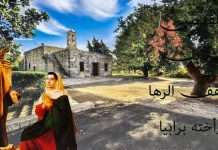
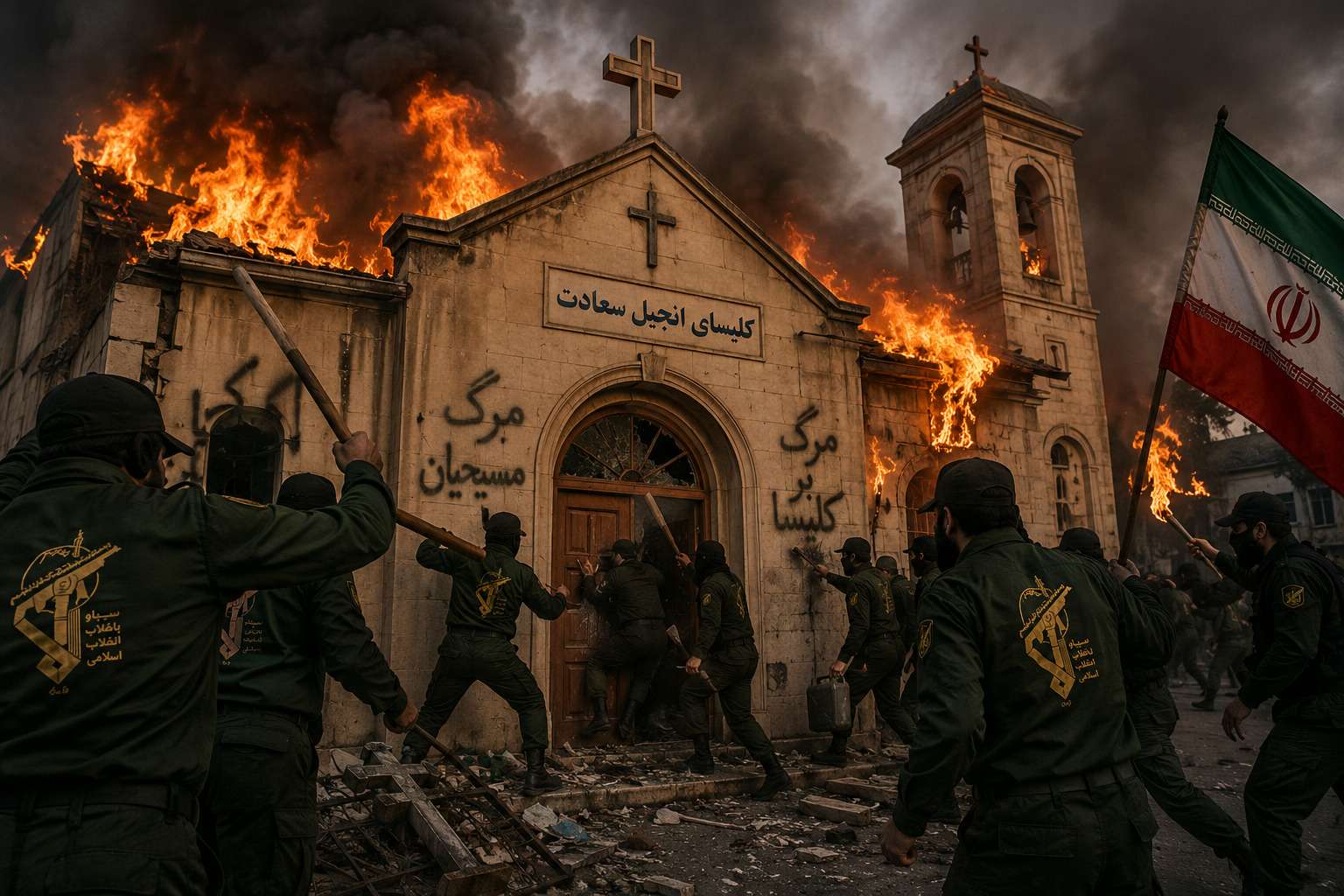
Ordinary Christian activities are criminalized and punished in the Islamic Republic of Iran. Christians are arrested and imprisoned over charges related to church activities, such as baptism, Communion, gathering for prayer or Bible study, including those conducted abroad. Last month, regime security forces moved to seize Saint Peter Evangelical Church in Tehran, which was built in 1876 (pictured). They ordered residents of the church compound to leave their homes, and worshippers were told to find a different church.
A new 2026 annual report, “Scapegoats: Rights Violations Against Christians in Iran,” published by Article18 in partnership with Open Doors, Christian Solidarity Worldwide and Middle East Concern, sheds an alarming light on the persecutions of Christians in Iran. According to the report, at least 21 Christians have received custodial sentences in 2025 related to their alleged involvement in the distribution of Bibles in Iran, in addition to other forms of punishment, such as fines, exile, and social deprivation.
In June 2025, two Christian converts were convicted under Article 500 of “propaganda activity of deviant Christian ‘Zionist’ beliefs opposed to the system of the Islamic Republic of Iran.” Each was sentenced to 10 years in prison. They were also accused of “distributing smuggled goods” (Bibles) under Articles 22 and 24, for which they received two years and additional fines. They were tried in absentia, with the only evidence produced against them being Bibles and other Christian literature found in their homes.
Contempt for the Bible, the report states, can also be seen in a reference to it as a “prohibited book” in a different indictment of two Iranian-Armenians and three Christian converts. In June 2025, they were charged with “propaganda” and “collusion,” and in November were sentenced to a combined total of more than 50 years in prison. In other court verdicts in 2025, the Bible was referred to as a “distorted”, “deviant”, “corrupt”, or “misleading” book.
Other trends, according to the report, include the increasing involvement of the Islamic Revolutionary Guard Corps (IRGC) in arresting Christians, targeting those involved in distributing the Bible; severe mistreatment of Christian detainees; consistent use of Article 500 of the penal code (relating to “propaganda contrary to the holy religion of Islam”) to convict Christians; and the monitoring of Christians’ overseas activities, such as attending theological seminars. The IRGC is now playing an expanding role in gathering intelligence on and persecuting Iran’s Christians. As the IRGC’s declared role is to defend the Islamic Republic, the increasing arrests of Christians would suggest that the regime sees them as a threat. House churches have been labeled as enemy groups. IRGC involvement in raids tends to be characterized by increased brutality. On the evening of February 6, 2026, for instance, at least 20 plainclothes IRGC agents raided a gathering of around 80 Christians in Gatab, Mazandaran Province, confiscated Bibles and musical instruments, and arrested a Christian convert, Somayeh Rajabi.
The IRGC agents, singling out whoever was wearing a cross, tore them off and conducted body searches. After they wounded several individuals, the agents blocked emergency medical personnel who attempted to assist them. A day after her arrest, Rajabi was permitted a brief phone call to her family, in which she informed them that she was being held in a prison in Sari. She was later transferred to Mati Kola Prison in Babol. On March 8, she was released on bail of more than $40,000 after being charged with “gathering and collusion” and “propaganda against the regime”. On April 15, Rajabi and six others were summoned to the prosecutor’s office of Babol to offer their final defense, the final step before an indictment. At the time of the report’s release, no further updates had been received.
In 2021, Iran’s parliament amended Articles 499 and 500 of the penal code to increase penalties and broaden the scope against those who could be charged with membership of a group “aiming to perturb the security of the country” or of engaging in “propaganda against the Islamic Republic of Iran”. Civil rights organizations, such as Article18, warned that these provisions would be used to “choke… freedoms” and intensify criminalizing minorities. The UN Human Rights Committee subsequently called on the Islamic Republic to “repeal or amend” the articles. The Islamic Republic has nevertheless abused its laws to crack down on Christians even further. In 2025, according to the report, 254 Iranian Christians were arrested, nearly twice as many as in 2024, and sentenced to a total of more than 280 years in prison. In the vast majority of cases (nearly 90%), charges against Christians were brought under the amended Article 500 of the penal code, which criminalizes “propaganda contrary to the holy religion of Islam.”
The convictions and imprisonments of Christians continue. On July 3, Article18 reported that the sentences of five Iranian Christians condemned to a combined more than 70 years in prison — for ordinary Christian activities, such as praying, performing baptisms, taking Communion and celebrating Christmas — have been upheld by an appeals court. On top of the prison sentences, the Christians’ personal property, including Bibles and other Christian literature, was confiscated by the state for the “research” purposes of the Ministry of Intelligence – as in another case last year in which two Christians were sentenced to 12 years each in prison for “smuggling” Bibles into Iran.
Last month, regime security forces moved to seize Saint Peter Evangelical Church in Tehran. They ordered residents of the church compound to leave their homes, and worshippers were told to find a different church. The seizure of Saint Peter, built in 1876 and also known as Qavam Church, and the eviction of its residents, who belong to Iran’s recognized Armenian and Assyrian Christian communities, come after a state organization moved to enforce a court order issued nearly 30 years ago. The order, issued by a Revolutionary Court in 1998, ruled that the entire church compound — around 10 acres, which includes two schools and dozens of homes — should be handed over to the Execution of Imam Khomeini’s Order (EIKO). EIKO has also been responsible for the confiscations of Assyrian Presbyterian churches in Tabriz and Mashhad, as well as an Assemblies of God church in Gorgan and a retreat center in Karaj.
According to a report on Iran by the organization Open Doors:
“[Chrisian] converts are most in the firing line. House churches are commonly raided, often followed by arrests, interrogations, pressure to inform on other Christians and long-term imprisonment. This is typically under charges of breaching ‘national security’. The conditions in prison are dire, and bail sums can be extortionately high, financially paralyzing families. For Christians who are released, that typically comes with strict conditions, such as exile to another part of Iran, or self-censorship… Each year, thousands of converts flee Iran to escape persecution.”
For 47 years, the Iranian people have been subjected to a regime that brutally quashes dissenting voices, opinions and beliefs. For 47 years, the Islamic Republic has systematically repressed its own citizens, including the Muslim majority, through ruthless state-sponsored violence, discrimination, and political persecution targeting any citizen who dissents from the government’s radical religious and political mandates. If citizens criticize the regime or protest economic distress, they face heavy state surveillance, arbitrary detention, and lethal force. Women and girls who refuse to comply with mandatory hijab laws face savage crackdowns, imprisonment, and physical and sexual abuse by “morality” police.
Apart from tormenting their own Muslim population, the Islamic Republic of Iran also criminalizes conversions to Christianity, church activities and the printing and possession of Bibles. Printing and distributing Bibles within Iran has been a criminal offense since the Islamic regime closed the Bible Society in 1990.
Globally, the Bible Society plays a key role in the translation, publishing and distribution of Bibles, and the presence of the Bible Society in Iran dates back to 1811, with the visit of Henry Martyn and the revision of his Persian translation of the New Testament. This changed in Iran in February 1990, when regime authorities raided the Bible Society of Iran in Tehran and ordered its closure. The organization had served for decades as the country’s principal publisher and distributor of Persian-language Bibles and Christian literature. Its closure effectively ended the legal printing and publication of Christian texts in Persian — the language spoken by the overwhelming majority of Iranians — and marked a significant escalation in state efforts to restrict public access to Christian teachings. Since the forced closure and confiscation of the Bible Society’s premises in Tehran in 1990, Christians have found it challenging to access printed Bibles and the Iranian authorities have criminalized importing and distributing Bibles.
A year after the Bible Society’s closure, Iran’s representative at the United Nations wrote to the UN’s special rapporteur, saying the Bible Society had been “temporarily closed”, pending investigation of “violations of the Islamic Republic’s laws and regulations” – without specifying which – and adding that “when the situation of the accused becomes clear, the Society could continue its activities.” Yet, 36 years later, Iran’s Bible Society remains closed, and the Bible and other Christian books are frequently treated as illegal contraband and evidence of a crime. Ordinary Christian activities are also criminalized and punished by the Islamic regime. Christians are arrested and imprisoned over charges related to church activities, such as baptism, Communion, gathering for prayer or Bible study, including those conducted abroad.
On December 28, 2025, mass protests erupted in Iran, leading to weeks-long nationwide demonstrations calling for an end to the Islamic Republic’s leadership of the country. “The response to those protests has been horrifying, with reports of many thousands killed, including several Christians, and every Iranian — regardless of their religious background -– affected,” states the recent report by Article18, Open Doors, Christian Solidarity Worldwide and Middle East Concern
The same regime that terrorizes its own citizens has also been demanding the right to develop and build nuclear weapons and ballistic missiles, and plans the continued use of centrifuges for uranium enrichment in its underground site at Pickaxe Mountain. The Islamic Republic has also declared that it will charge “fees” from commercial maritime passage through the Strait of Hormuz, and retain control of its main terrorist proxy, Hezbollah, which is now controlling beautiful Lebanon — known before its 1975-1990 civil war as the “Switzerland of the Middle East.”
The Islamic Republic of Iran has no intention of giving up exporting its terrorism throughout the wider Middle East. It funds, arms, and trains a network of terrorist proxies, in addition to Hezbollah in Lebanon: the Houthis in Yemen and various Islamic militias in Syria and Iraq. The Islamabad Memorandum of Understanding that the Trump administration signed with Iran is most likely regarded by Iran’s IRGC regime as an irrelevant infidel document. It will do nothing to curb their hatred for Christians, Jews, their own citizens, and the West.
https://www.gatestoneinstitute.org/22678/iran-war-on-christians
**Uzay Bulut, a Turkish journalist, is a Distinguished Senior Fellow at Gatestone Institute.
© 2026 Gatestone Institute. All rights reserved. The articles printed here do not necessarily reflect the views of the Editors or of Gatestone Institute.
حرب الجمهورية الإسلامية الإيرانية على المسيحيين
أوزاي بولوت/معهد غايتستون/07 تموز/ 2026
(ترجمة من الإنكليزية بواسطة مواقع الكترونية للترجمة)
يكشف تقرير سنوي جديد لعام 2026 بعنوان «أكباش فداء: انتهاكات الحقوق ضد المسيحيين في إيران»، نشرته منظمة «المادة 18» بالشراكة مع «الأبواب المفتوحة» و«التضامن المسيحي العالمي» و«اهتمام الشرق الأوسط»، عن صورة مقلقة لما يتعرض له المسيحيون في إيران من اضطهادات. لقد وُصفت الكنائس المنزلية بأنها جماعات معادية، وغالباً ما تتسم المداهمات التي يشارك فيها الحرس الثوري الإيراني بقدر أكبر من القسوة والعنف. وقد عمد عناصر الحرس الثوري إلى استهداف كل من كان يضع صليباً، فنزعوه عنه بالقوة، وأجروا عمليات تفتيش جسدي. وبعد أن أصابوا عدداً من الأشخاص بجروح، منعوا أفراد الطواقم الطبية الطارئة من تقديم المساعدة لهم. وفي الشهر الماضي، شرعت قوات الأمن التابعة للنظام في الاستيلاء على كنيسة القديس بطرس الإنجيلية في طهران. وأُمر المقيمون داخل مجمع الكنيسة بمغادرة مساكنهم، كما أُبلغ المصلون بوجوب البحث عن كنيسة أخرى. ويأتي الاستيلاء على كنيسة القديس بطرس، المشيدة سنة 1876 والمعروفة أيضاً باسم «كنيسة قوام»، وطرد سكانها المنتمين إلى الطائفتين الأرمنية والآشورية المسيحيتين المعترف بهما في إيران، عقب تحرك إحدى المؤسسات الحكومية لتنفيذ حكم قضائي صدر قبل ما يقارب ثلاثين عاماً. وكان ذلك الحكم، الصادر عن إحدى المحاكم الثورية سنة 1998، قد قضى بتسليم كامل مجمع الكنيسة، البالغة مساحته نحو عشرة أفدنة ويضم مدرستين وعشرات المنازل، إلى «هيئة تنفيذ أمر الإمام الخميني».
وتقول منظمة «الأبواب المفتوحة»:
«تتعرض الكنائس المنزلية للمداهمة بصورة متكررة، وغالباً ما يعقب ذلك اعتقالات واستجوابات وضغوط للإبلاغ عن مسيحيين آخرين، فضلاً عن أحكام بالسجن لفترات طويلة. ويجري ذلك عادةً تحت تهمة الإخلال بالأمن القومي. أما أوضاع السجون فهي بالغة السوء… وفي كل عام يفر آلاف المتحولين إلى المسيحية من إيران هرباً من الاضطهاد». وبعد عام واحد من إغلاق جمعية الكتاب المقدس عام 1990، كتب ممثل إيران لدى الأمم المتحدة إلى المقرر الخاص للأمم المتحدة قائلاً إن الجمعية قد أُغلقت «مؤقتاً» ريثما يتم التحقيق في «مخالفات لقوانين وأنظمة الجمهورية الإسلامية» من دون تحديد ماهية تلك المخالفات، مضيفاً أنه «عندما تتضح حقيقة وضع المتهمين يمكن للجمعية أن تواصل نشاطها». غير أنه بعد مرور ستة وثلاثين عاماً ما تزال جمعية الكتاب المقدس في إيران مغلقة، وما يزال الكتاب المقدس وغيره من الكتب المسيحية يُعامل في كثير من الأحيان بوصفه بضاعة غير مشروعة ودليلاً على ارتكاب جريمة. ويشير المقال إلى أن النظام نفسه الذي يرهب مواطنيه يطالب كذلك بحقه في تطوير وصناعة الأسلحة النووية والصواريخ الباليستية، ويخطط لمواصلة استخدام أجهزة الطرد المركزي لتخصيب اليورانيوم في منشأته الجوفية في «جبل الفأس». كما أعلنت الجمهورية الإسلامية أنها ستفرض «رسوماً» على الملاحة التجارية العابرة لمضيق هرمز، وستواصل الاحتفاظ بسيطرتها على وكيلها المسلح الرئيسي «حزب الله» في لبنان، الذي يصفه الكاتب بأنه يهيمن على لبنان الذي كان يُعرف قبل الحرب الأهلية بين عامي 1975 و1990 بـ«سويسرا الشرق الأوسط».
ويرى الكاتب أن الجمهورية الإسلامية الإيرانية لا تنوي التخلي عن تصدير ما يصفه بالإرهاب إلى أنحاء الشرق الأوسط الأوسع، إذ تقوم بتمويل وتسليح وتدريب شبكة من الوكلاء المسلحين، إضافة إلى حزب الله في لبنان، ومنهم الحوثيون في اليمن وفصائل إسلامية متعددة في سوريا والعراق. كما يذهب الكاتب إلى أن مذكرة التفاهم الموقعة في إسلام آباد بين إدارة الرئيس ترامب وإيران يُرجح أن ينظر إليها نظام الحرس الثوري الإيراني باعتبارها وثيقة لا قيمة لها، وأنها لن تسهم في الحد من ما يصفه الكاتب بعداء النظام للمسيحيين واليهود ومواطنيه والغرب. ويؤكد المقال أن الأنشطة المسيحية الاعتيادية تُجرَّم ويُعاقب عليها في الجمهورية الإسلامية الإيرانية. فالمسيحيون يُعتقلون ويُسجنون بسبب أنشطة كنسية مثل المعمودية والتناول والاجتماع للصلاة أو لدراسة الكتاب المقدس، بما في ذلك الأنشطة التي تُمارس خارج البلاد. وفي الشهر الماضي، تحركت قوات الأمن التابعة للنظام للاستيلاء على كنيسة القديس بطرس الإنجيلية في طهران، المشيدة سنة 1876، حيث أُمر سكان مجمع الكنيسة بإخلاء منازلهم، وطُلب من المصلين البحث عن كنيسة أخرى.
ويكشف التقرير السنوي الجديد لعام 2026، المعنون «أكباش فداء: انتهاكات الحقوق ضد المسيحيين في إيران»، والمنشور من قبل منظمة «المادة 18» بالشراكة مع «الأبواب المفتوحة» و«التضامن المسيحي العالمي» و«اهتمام الشرق الأوسط»، عن جوانب مقلقة من الاضطهاد الذي يتعرض له المسيحيون في إيران. ووفقاً للتقرير، فقد صدرت خلال عام 2025 أحكام بالسجن على ما لا يقل عن واحد وعشرين مسيحياً على خلفية ما زُعم أنه مشاركتهم في توزيع نسخ من الكتاب المقدس داخل إيران، إضافة إلى عقوبات أخرى شملت الغرامات والنفي والحرمان من بعض الحقوق الاجتماعية.
وفي يونيو/حزيران 2025 أُدين شخصان اعتنقا المسيحية بموجب المادة (500) بتهمة «النشاط الدعائي للمعتقدات المسيحية الصهيونية المنحرفة المخالفة لنظام الجمهورية الإسلامية الإيرانية». وصدر بحق كل منهما حكم بالسجن عشر سنوات. كما وُجِّهت إليهما تهمة «توزيع بضائع مهرّبة» (والمقصود بها نسخ الكتاب المقدس) بموجب المادتين (22) و(24)، فحُكم عليهما بالسجن سنتين إضافيتين وغرامات مالية. وقد جرت محاكمتهما غيابياً، وكان الدليل الوحيد المقدم ضدهما هو نسخ من الكتاب المقدس ومؤلفات مسيحية أخرى عُثر عليها في منزليهما. ويذكر التقرير أن ازدراء الكتاب المقدس يتجلى أيضاً في الإشارة إليه بوصفه «كتاباً محظوراً» في لائحة اتهام أخرى طالت إيرانيَّين من أصل أرمني وثلاثة متحولين إلى المسيحية. ففي يونيو/حزيران 2025 وُجهت إليهم تهمتا «الدعاية» و«التواطؤ»، وفي نوفمبر/تشرين الثاني حُكم عليهم بالسجن لمدة تجاوز مجموعها خمسين عاماً. كما أشارت أحكام قضائية أخرى صدرت خلال عام 2025 إلى الكتاب المقدس بوصفه كتاباً «محرَّفاً» أو «منحرفاً» أو «فاسداً» أو «مضلِّلاً». ووفقاً للتقرير، تشمل الاتجاهات الأخرى تزايد مشاركة الحرس الثوري الإسلامي في اعتقال المسيحيين، ولا سيما أولئك المشاركين في توزيع الكتاب المقدس، إضافة إلى سوء معاملة شديد للمسيحيين المحتجزين، والاستعمال المتكرر للمادة (500) من قانون العقوبات المتعلقة بـ«الدعاية المناقضة للدين الإسلامي المقدس» لإدانة المسيحيين، فضلاً عن مراقبة الأنشطة التي يمارسها المسيحيون خارج البلاد، مثل حضور الندوات اللاهوتية. وأصبح الحرس الثوري يؤدي دوراً متنامياً في جمع المعلومات عن المسيحيين الإيرانيين واضطهادهم. وبما أن المهمة المعلنة للحرس الثوري هي الدفاع عن الجمهورية الإسلامية، فإن تزايد اعتقال المسيحيين يوحي، بحسب التقرير، بأن النظام ينظر إليهم بوصفهم تهديداً.
وقد صُنِّفت الكنائس المنزلية على أنها جماعات معادية. وتميل المداهمات التي يشارك فيها الحرس الثوري إلى الاتسام بمزيد من العنف. ومن ذلك أنه في مساء السادس من فبراير/شباط 2026 داهم ما لا يقل عن عشرين عنصراً من الحرس الثوري بملابس مدنية تجمعاً لنحو ثمانين مسيحياً في منطقة غتاب بمحافظة مازندران، وصادروا نسخاً من الكتاب المقدس وآلات موسيقية، واعتقلوا امرأة متحولة إلى المسيحية تُدعى سمية رجبي.
وقام عناصر الحرس الثوري باستهداف كل من كان يضع صليباً، فنزعوه عنه وأخضعوه للتفتيش الجسدي. وبعد أن أصابوا عدداً من الأشخاص بجروح، منعوا طواقم الإسعاف من تقديم المساعدة لهم. وبعد يوم من اعتقالها، سُمح لرجبي بإجراء مكالمة هاتفية قصيرة مع عائلتها أخبرتهم خلالها بأنها محتجزة في سجن بمدينة ساري. ثم نُقلت لاحقاً إلى سجن «متي كولا» في بابل. وفي الثامن من مارس/آذار أُفرج عنها بكفالة تجاوزت أربعين ألف دولار، بعد أن وُجهت إليها تهمتا «التجمع والتواطؤ» و«الدعاية ضد النظام». وفي الخامس عشر من أبريل/نيسان استُدعيت رجبي وستة أشخاص آخرين إلى مكتب المدعي العام في بابل لتقديم دفاعهم النهائي، وهي الخطوة الأخيرة قبل إصدار قرار الاتهام. وعند صدور التقرير لم تكن قد وردت أي مستجدات أخرى.
وفي عام 2021 عدّل البرلمان الإيراني المادتين (499) و(500) من قانون العقوبات بهدف تشديد العقوبات وتوسيع نطاقها على الأشخاص الذين يمكن اتهامهم بالانتماء إلى جماعة «تهدف إلى الإخلال بأمن البلاد» أو بممارسة «الدعاية ضد الجمهورية الإسلامية الإيرانية». وكانت منظمات حقوقية مدنية، من بينها منظمة «المادة 18»، قد حذرت من أن هذه النصوص ستُستخدم لـ«خنق الحريات» وزيادة تجريم الأقليات. ودعت لجنة حقوق الإنسان التابعة للأمم المتحدة لاحقاً الجمهورية الإسلامية إلى «إلغاء هذه المواد أو تعديلها». إلا أن الجمهورية الإسلامية، بحسب التقرير، واصلت استخدام قوانينها لتشديد الإجراءات ضد المسيحيين. ففي عام 2025 جرى اعتقال 254 مسيحياً إيرانياً، وهو عدد يقارب ضعف عدد المعتقلين في عام 2024، كما صدرت بحقهم أحكام سجن تجاوز مجموعها 280 عاماً. وفي الغالبية الساحقة من القضايا، أي ما يقارب تسعين في المئة منها، وُجهت الاتهامات إلى المسيحيين بموجب المادة (500) المعدلة من قانون العقوبات، التي تجرم «الدعاية المخالفة للدين الإسلامي المقدس».
وتتواصل إدانات المسيحيين وسجنهم. ففي الثالث من يوليو/تموز أفادت منظمة «المادة 18» بأن محكمة استئناف أيدت الأحكام الصادرة بحق خمسة مسيحيين إيرانيين، بلغ مجموعها أكثر من سبعين عاماً من السجن، بسبب ممارستهم أنشطة مسيحية اعتيادية مثل الصلاة وإجراء المعموديات والتناول والاحتفال بعيد الميلاد. وفضلاً عن أحكام السجن، صادرت الدولة ممتلكاتهم الشخصية، بما في ذلك نسخ الكتاب المقدس والمؤلفات المسيحية الأخرى، لاستخدامها في «الأبحاث» التابعة لوزارة الاستخبارات، وذلك على غرار قضية أخرى في العام السابق حُكم فيها على مسيحيين اثنين بالسجن اثني عشر عاماً لكل منهما بتهمة «تهريب» نسخ من الكتاب المقدس إلى إيران.
وفي الشهر الماضي تحركت قوات الأمن التابعة للنظام للاستيلاء على كنيسة القديس بطرس الإنجيلية في طهران، وأمرت المقيمين في مجمع الكنيسة بمغادرة منازلهم، كما أُبلغ المصلون بضرورة البحث عن كنيسة أخرى. وقد جاء هذا الإجراء تنفيذاً لحكم قضائي صدر قبل ما يقارب ثلاثين عاماً. وكان الحكم الصادر عن محكمة ثورية سنة 1998 قد قضى بتسليم كامل مجمع الكنيسة، البالغة مساحته نحو عشرة أفدنة ويضم مدرستين وعشرات المنازل، إلى هيئة تنفيذ أمر الإمام الخميني. كما كانت الهيئة نفسها مسؤولة عن مصادرة كنائس آشورية مشيخية في تبريز ومشهد، وكنيسة تابعة لجماعات الله في جرجان، إضافة إلى مركز اعتزال ديني في كرج.
ووفقاً لتقرير صادر عن منظمة «الأبواب المفتوحة»:
«إن المتحولين إلى المسيحية هم الأكثر تعرضاً للاستهداف. فالكنائس المنزلية تتعرض للمداهمة بصورة متكررة، وغالباً ما يعقب ذلك اعتقالات واستجوابات وضغوط للإبلاغ عن مسيحيين آخرين، فضلاً عن السجن لفترات طويلة. ويجري ذلك عادةً تحت تهم تتعلق بالإخلال بالأمن القومي. أما ظروف السجون فهي بالغة السوء، كما أن مبالغ الكفالة المطلوبة قد تكون باهظة إلى حد يشل الأسر مالياً. أما المسيحيون الذين يُفرج عنهم، فإن الإفراج عنهم غالباً ما يكون مشروطاً بقيود صارمة، مثل النفي إلى منطقة أخرى داخل إيران أو فرض الرقابة الذاتية عليهم… وفي كل عام يفر آلاف المتحولين إلى المسيحية من إيران هرباً من الاضطهاد». ويرى الكاتب أن الشعب الإيراني ظل طوال سبعة وأربعين عاماً خاضعاً لنظام يقمع بعنف شديد الأصوات والآراء والمعتقدات المخالفة. ويضيف أن الجمهورية الإسلامية مارست، طوال هذه المدة، قمعاً ممنهجاً لمواطنيها، بمن فيهم أغلبية السكان المسلمين، من خلال العنف الذي ترعاه الدولة، والتمييز، والاضطهاد السياسي الذي يستهدف كل من يخالف التوجهات الدينية والسياسية التي تفرضها الحكومة. ويذكر المقال أن المواطنين الذين ينتقدون النظام أو يحتجون على الأوضاع الاقتصادية يواجهون رقابة أمنية مشددة واعتقالات تعسفية واستخداماً للقوة المميتة. كما تواجه النساء والفتيات اللواتي يرفضن الالتزام بقوانين الحجاب الإلزامية حملات قمع قاسية، والسجن، وسوء المعاملة الجسدية والجنسية على أيدي ما يُعرف بشرطة «الأخلاق». ويشير الكاتب إلى أن الجمهورية الإسلامية، إلى جانب ما يصفه بممارسة الضغوط على المواطنين المسلمين، تجرّم أيضاً التحول إلى المسيحية والأنشطة الكنسية وطباعة الكتاب المقدس واقتنائه. ويذكر أن طباعة نسخ الكتاب المقدس وتوزيعها داخل إيران أصبحت جريمة منذ أن أغلق النظام الإسلامي جمعية الكتاب المقدس عام 1990.
وعلى الصعيد العالمي، تؤدي جمعية الكتاب المقدس دوراً مهماً في ترجمة الكتاب المقدس ونشره وتوزيعه. ويعود وجود الجمعية في إيران إلى عام 1811، مع زيارة هنري مارتن ومراجعته لترجمته الفارسية للعهد الجديد. إلا أن هذا الواقع تغير في فبراير/شباط 1990، عندما داهمت السلطات الإيرانية مقر جمعية الكتاب المقدس في طهران وأمرت بإغلاقه. وكانت الجمعية، طوال عقود، الناشر والموزع الرئيس للكتاب المقدس والمؤلفات المسيحية باللغة الفارسية. وقد أدى إغلاقها فعلياً إلى إنهاء الطباعة والنشر القانونيين للنصوص المسيحية باللغة الفارسية، وهي اللغة التي يتحدث بها معظم الإيرانيين، ومثّل تصعيداً مهماً في جهود الدولة الرامية إلى تقييد الوصول العلني إلى التعاليم المسيحية. ومنذ الإغلاق القسري ومصادرة مقر الجمعية في طهران عام 1990، واجه المسيحيون صعوبات كبيرة في الحصول على نسخ مطبوعة من الكتاب المقدس، كما جرّمت السلطات الإيرانية استيراد هذه النسخ وتوزيعها. وبعد عام من إغلاق الجمعية، كتب ممثل إيران لدى الأمم المتحدة إلى المقرر الخاص للأمم المتحدة موضحاً أن الجمعية قد أُغلقت «مؤقتاً» ريثما يتم التحقيق في «مخالفات لقوانين وأنظمة الجمهورية الإسلامية»، من دون تحديد ماهية تلك المخالفات، مضيفاً أنه «عندما تتضح حقيقة وضع المتهمين يمكن للجمعية أن تواصل نشاطها». غير أنه بعد مرور ستة وثلاثين عاماً ما تزال جمعية الكتاب المقدس في إيران مغلقة، وما يزال الكتاب المقدس وغيره من الكتب المسيحية يُعاملان في كثير من الأحيان بوصفهما مواد غير مشروعة وأدلة على ارتكاب جرائم. كما يشير المقال إلى أن الأنشطة المسيحية الاعتيادية تُجرَّم ويُعاقب عليها من قبل النظام الإسلامي، وأن المسيحيين يُعتقلون ويُسجنون بسبب أنشطة كنسية مثل المعمودية والتناول والاجتماعات المخصصة للصلاة أو لدراسة الكتاب المقدس، بما في ذلك الأنشطة التي تُقام خارج إيران. وفي الثامن والعشرين من ديسمبر/كانون الأول 2025 اندلعت احتجاجات واسعة النطاق في إيران، أعقبتها أسابيع من المظاهرات في أنحاء البلاد للمطالبة بإنهاء قيادة الجمهورية الإسلامية للدولة.
وجاء في التقرير الصادر عن منظمة «المادة 18» وشركائها:
«لقد كان الرد على تلك الاحتجاجات مروعاً، مع ورود تقارير عن مقتل آلاف عديدة من الأشخاص، من بينهم عدد من المسيحيين، وتأثر كل إيراني ــ بغض النظر عن خلفيته الدينية ــ بتلك الأحداث». ويختتم الكاتب مقاله بالقول إن النظام نفسه الذي يرهب مواطنيه يطالب أيضاً بحقه في تطوير وصناعة الأسلحة النووية والصواريخ الباليستية، ويعتزم مواصلة تشغيل أجهزة الطرد المركزي لتخصيب اليورانيوم في منشأته الجوفية الواقعة في «جبل الفأس». كما يشير إلى أن الجمهورية الإسلامية أعلنت عزمها فرض «رسوم» على حركة الملاحة التجارية المارة عبر مضيق هرمز، والاستمرار في الاحتفاظ بنفوذها على حليفها الرئيسي «حزب الله» في لبنان، الذي يصفه الكاتب بأنه يسيطر على لبنان المعروف قبل الحرب الأهلية الممتدة بين عامي 1975 و1990 باسم «سويسرا الشرق الأوسط». ويرى الكاتب كذلك أن الجمهورية الإسلامية الإيرانية لا تنوي التخلي عن ما يصفه بتصدير الإرهاب في أرجاء الشرق الأوسط، وأنها تواصل تمويل وتسليح وتدريب شبكة من الوكلاء المسلحين، من بينهم حزب الله في لبنان، والحوثيون في اليمن، وفصائل إسلامية متعددة في سوريا والعراق. ويختم المقال بالإشارة إلى أن مذكرة التفاهم الموقعة في إسلام آباد بين إدارة الرئيس ترامب وإيران يُرجح، بحسب رأيه، أن ينظر إليها نظام الحرس الثوري الإيراني بوصفها وثيقة عديمة الأهمية، وأنها لن تسهم في الحد مما يصفه بعداء النظام للمسيحيين واليهود ومواطنيه والغرب.