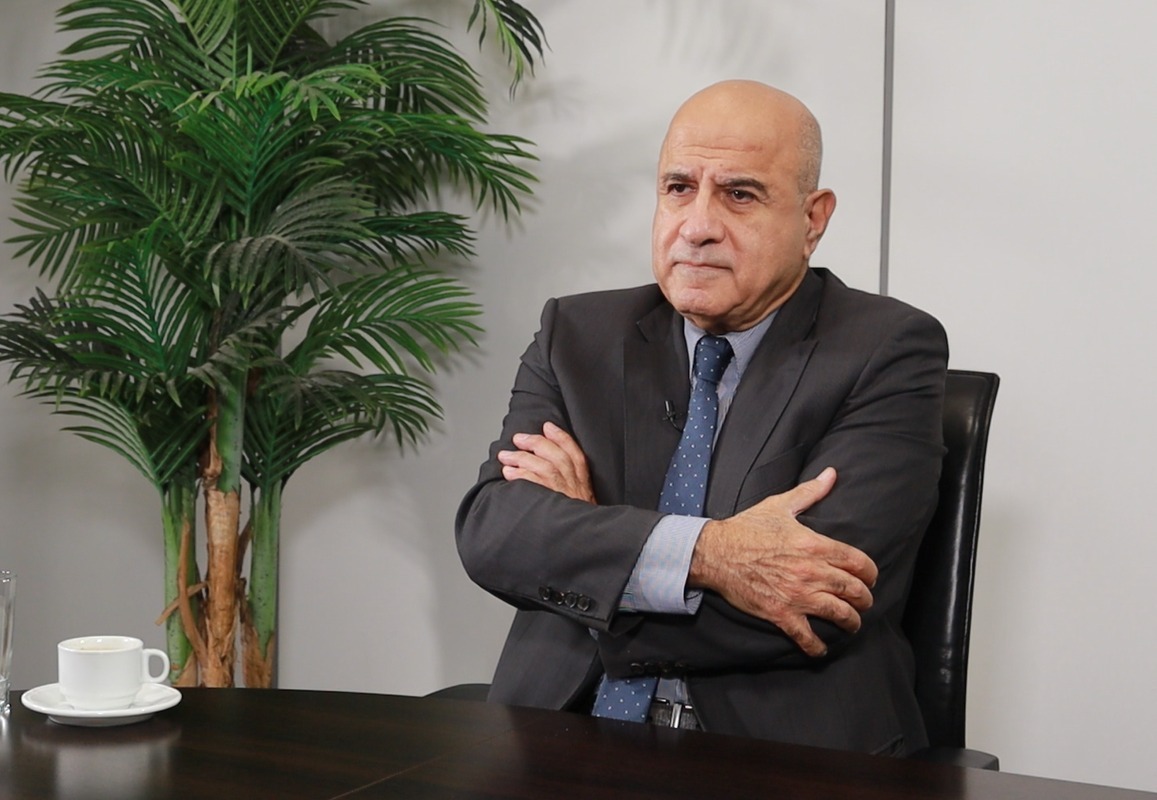
من موقع البيروتر مقابلة مع ألفرد ماضي، رئيس حركة «الخيار الآخر» ومؤسس أكاديمية بشير الجميل تسلط الأضواء على الذكرى
ال 44 لإنتخاب بشير الجميل وعلى ورؤيته لدولة لبنانية حرة وسيدة وقوية تتردد أصداؤها عبر الأجيال.تتناول
ذي بيروتر/23 آب/2026 (ترجمة بحرية من الإنكليزية بواسطة الياس بجاني)
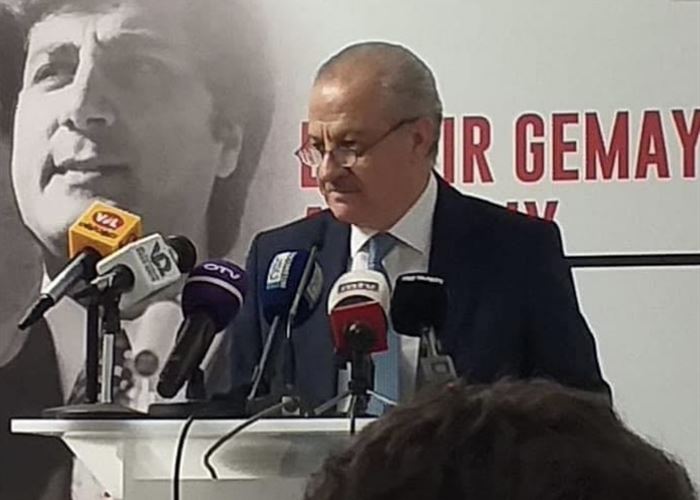
From The Beiruter: An interview with Alfred Madi, President of the “Other Choice” Movement and founder of the Bachir Gemayel Academy, shedding light on the 44th anniversary of Bachir Gemayel’s election and on his vision of a free, sovereign, and strong Lebanese state, whose echoes continue to resonate across generations.
The Beiruter/August 23, 2026
Bachir Gemayel: The vision that outlived the president
On 23 August 1982, amid one of the darkest chapters in Lebanon’s modern history, the Lebanese Parliament elected Bachir Gemayel as the country’s youngest president. Gemayel embodied, for many Lebanese, the hope of restoring state authority, national sovereignty, and effective governance after years of instability. Although he was assassinated just 21 days later, before formally assuming office, his brief period as president-elect marked a turning point in the Lebanese Civil War (1975-1990) while his vision and political legacy continue to inspire supporters who believe he represented a unique opportunity to rebuild the Lebanese state. Speaking to The Beiruter on the anniversary of Gemayel’s election, Alfred Madi, President of the “Other Choice” Movement and founder of the Bachir Gemayel Academy, reflected on the political circumstances that led to Gemayel’s presidency, the principles that shaped his political project, and why Bachir’s vision continues to resonate today.
The election was the final step, not the beginning
According to Madi, understanding Bachir Gemayel’s election requires looking far beyond parliamentary arithmetic. “Elections in Lebanon are not simply about collecting votes,” he explained. “They must fit into a broader political and geopolitical strategy.” For Madi, Gemayel’s emergence as the leading presidential candidate was the culmination of several years of political and military developments rather than a campaign focused solely on securing parliamentary support. He argued that the 1981 Battle of Zahle represented a decisive moment in Gemayel’s rise. The prolonged confrontation between the Lebanese Forces (LF) and Syrian forces transformed Bachir, in Madi’s assessment, into the country’s most prominent national leader and significantly strengthened his presidential credentials. What truly made Bachir was that he had become a popular national leader. Regional dynamics also played a central role. At the time, Lebanon had become an arena where the interests of the United States (U.S.), Israel, Syria, Arab states, and the Soviet Union intersected. Madi described the period as one dominated by two opposing geopolitical camps, arguing that international circumstances increasingly worked in Gemayel’s favor. By the time the presidential election approached, Madi believed Bachir had already become, politically speaking, the inevitable candidate.
No one else could truly rival him.
While international backing proved essential, Madi stressed that the internal political battle remained equally important. Once the external environment became favorable, attention shifted toward ensuring the parliamentary majority necessary to secure the presidency. He credited the late Zahi Boustany with overseeing the domestic electoral strategy. According to Madi, Boustany coordinated negotiations among numerous political actors with differing ambitions. While some eventually followed suit in pursuit of parliamentary seats and ministerial portfolios, others simply wanted Gemayel elected because they were loyal to him and believed in his project. “After balancing all these different elements,” Madi noted, “Zahi played the decisive role in assembling the parliamentary votes.”For Madi, the election itself ultimately represented the final stage of a much longer political process that had been shaped by military developments, international diplomacy, and internal negotiations.
A vision centered on sovereignty, reform, and trust
Beyond the election itself, Madi believed Bachir Gemayel’s enduring significance lies in the political vision he sought to advance. He explained that what later became known as “Bachir’s dream” emerged from a conviction that Lebanon’s existing political system had failed to preserve both the country’s sovereignty and its social fabric. “The situation had become unbearable,” Madi said, arguing that sectarian politics had weakened the state and left Lebanon vulnerable to external influence. Bachir, he added, had two crucial questions and concerns in mind: How do we preserve the Christian presence? And how do we preserve Lebanon?
According to him, Gemayel’s political thinking and his entire political project rested on three interconnected pillars. The first was preserving Lebanon’s Christian presence, which he viewed as an essential component of Lebanon’s pluralistic identity and coexistence. The second was building an organized resistance capable of defending Lebanon’s sovereignty during the Lebanese civil war. The third was achieving what Madi described as “revolutionary political change” through institutional reform and the creation of a capable, trustworthy leadership. Those objectives, he argued, required more than military organization. They also demanded competent individuals committed to public service rather than personal gain. Madi highlighted what he considered one of Bachir Gemayel’s defining leadership traits: his confidence in those around him. Unlike many political leaders who constantly monitored or doubted members of their own circles, Gemayel, according to Madi, cultivated relationships based on mutual trust. Political change required a clean, trustworthy team. That is how Bachir built his team. He recalled how philosopher Charles Malik had once described Bachir’s inner circle as a team built upon complete loyalty toward its leader and complete confidence from the leader toward his collaborators. For Madi, that culture of trust became one of the foundations of Gemayel’s broader political project. “That mutual confidence distinguished Bachir from everyone else,” he asserted.
The image of a disciplined state
Although Bachir Gemayel never formally exercised presidential authority, Madi argued that his election alone generated an immediate psychological transformation within state institutions.
To illustrate this point, he recounted the story of a Lebanese embassy employee in Senegal who had routinely arrived at work late each morning. Following Gemayel’s election, however, the employee reportedly began arriving at work before official opening hours. When colleagues asked why, his response was simple: “There is a President named Bachir now. There is no more joking around.”
For Madi, the anecdote illustrates how Gemayel projected seriousness, discipline, and authority long before taking office. He attributes this perception primarily to Gemayel’s personal integrity. Nor, he added, can a leader expect discipline from public servants without personally embodying those same standards.
You cannot teach people honesty and integrity if you yourself are corrupt.
He also recalled one of Gemayel’s well-known declarations: “What I say, I do. I make promises, and I keep them.” According to Madi, consistency between words and actions distinguished Bachir from many other political figures and helped create widespread expectations that state institutions would once again function according to clear rules rather than personal interests. Asked whether Bachir would have succeeded had he survived, Madi declined to speculate directly. Instead, he argued that Gemayel’s political record, principles, and leadership style offered sufficient evidence for people to form their own conclusions. “Judge him by his ideas, his message, his project, and his accomplishments,” he said. “Someone who succeeds through his actions, his vision, his principles, and his integrity leaves little room for doubt,” adding that “there was no doubt in my mind that Bachir would have succeeded completely.”Rather than focusing on one individual, however, Madi stressed that Lebanon today requires an entire generation committed to those same values of integrity, discipline, and public service. It is not enough to have one Bachir. The important thing is that his path continues.
The road to Baabda
Bachir Gemayel’s election was preceded by years of political preparation that extended well beyond the battlefield. Following the unification of the LF in 1980, he tasked a group of senior political and military figures, including Antoine Najem, with developing a strategy for Lebanon’s next phase. Their deliberations culminated in a series of meetings, most notably the retreat held at the Monastery of Our Lady of El-Bir in September 1980, attended by philosopher Charles Malik alongside leading political, military, and intellectual figures.
The following year, the Battle of Zahle significantly elevated Gemayel’s national profile as LF fighters resisted a prolonged Syrian siege of the city. The confrontation, coupled with growing international attention to Lebanon, strengthened perceptions abroad that Gemayel represented an emerging national leader. His July 1981 visit to the U.S. further enhanced his international standing, while contacts with Western and Arab officials intensified as Lebanon’s crisis deepened. As President Elias Sarkis’s term approached its conclusion, Gemayel increasingly presented himself as a candidate promising to restore state authority. After Israel’s invasion of Lebanon in June 1982, he simultaneously sought broader domestic legitimacy by engaging Muslim political leaders and visiting Saudi Arabia in an effort to reduce opposition to his candidacy.
On 24 July 1982, Gemayel formally announced his presidential bid. Less than a month later, on August 23, Parliament convened at the Military Academy in Fayadieh. 62 deputies attended the session, including 19 Muslim MPs. After falling short of the required two-thirds majority in the first round, Gemayel secured 57 votes in the second ballot, becoming President-elect of Lebanon. Forty-four years after his election, Bachir Gemayel remains one of the most influential figures in Lebanon’s contemporary history. While opinions about his political legacy continue to differ, few dispute the profound impact his election had on the country’s trajectory during one of its most turbulent periods. Although his presidency was never allowed to begin, the ideals he articulated continue to resonate with many Lebanese who see in his vision an enduring aspiration for a united, sovereign, and effective state.
من موقع البيروتر مقابلة مع ألفرد ماضي، رئيس حركة «الخيار الآخر» ومؤسس أكاديمية بشير الجميل تسلط الأضواء على الذكرى
ال 44 لإنتخاب بشير الجميل وعلى ورؤيته لدولة لبنانية حرة وسيدة وقوية تتردد أصداؤها عبر الأجيال.تتناول
ذي بيروتر/23 آب/2026 (ترجمة بحرية من الإنكليزية بواسطة الياس بجاني)
بشير الجميل: الرؤية التي عاشت بعد الرئيس
في 23 آب/1982، وفي خضم أحد أحلك الفصول في تاريخ لبنان الحديث، انتخب البرلمان اللبناني بشير الجميل أصغر رئيس للجمهورية في تاريخ البلاد. وقد جسّد الجميل، بالنسبة لكثير من اللبنانيين، الأمل في استعادة سلطة الدولة والسيادة الوطنية والحكم الفعّال بعد سنوات من عدم الاستقرار. وعلى الرغم من اغتياله بعد 21 يوماً فقط، قبل أن يتسلم مهامه رسمياً، فإن فترة رئاسته القصيرة كرئيس منتخب شكّلت نقطة تحول في الحرب الأهلية اللبنانية (1975-1990)، فيما لا تزال رؤيته وإرثه السياسي يلهمان مؤيديه الذين يعتقدون أنه مثّل فرصة فريدة لإعادة بناء الدولة اللبنانية. وفي حديثه إلى «ذي بيروتر» في ذكرى انتخاب الجميل، استعاد ألفرد ماضي، رئيس حركة «الخيار الآخر» ومؤسس أكاديمية بشير الجميل، الظروف السياسية التي أوصلت الجميل إلى الرئاسة، والمبادئ التي شكّلت مشروعه السياسي، وأسباب استمرار صدى رؤية بشير حتى اليوم.
الانتخاب كان الخطوة الأخيرة وليس البداية
بحسب ماضي، فإن فهم انتخاب بشير الجميل يتطلب النظر إلى ما هو أبعد بكثير من الحسابات البرلمانية. وقال: «الانتخابات في لبنان ليست مجرد جمع للأصوات، بل يجب أن تنسجم مع استراتيجية سياسية وجيوسياسية أوسع». وبالنسبة لماضي، فإن بروز الجميل كأبرز مرشح رئاسي كان تتويجاً لعدة سنوات من التطورات السياسية والعسكرية، وليس نتيجة حملة ركزت فقط على تأمين الدعم البرلماني. واعتبر أن معركة زحلة عام 1981 شكّلت لحظة حاسمة في صعود الجميل. فالمواجهة الطويلة بين القوات اللبنانية والقوات السورية حوّلت بشير، وفق تقييم ماضي، إلى أبرز قائد وطني في البلاد وعززت بشكل كبير مؤهلاته الرئاسية. وقال: «ما صنع بشير فعلاً هو أنه أصبح قائداً وطنياً شعبياً». كما لعبت الديناميات الإقليمية دوراً محورياً. ففي ذلك الوقت، كان لبنان قد أصبح ساحة تتقاطع فيها مصالح الولايات المتحدة وإسرائيل وسوريا والدول العربية والاتحاد السوفياتي. ووصف ماضي تلك المرحلة بأنها كانت خاضعة لمعسكرين جيوسياسيين متعارضين، معتبراً أن الظروف الدولية كانت تعمل بشكل متزايد لمصلحة الجميل. وبحلول موعد الانتخابات الرئاسية، كان ماضي يرى أن بشير أصبح، من الناحية السياسية، المرشح الحتمي. وقال: «لم يكن هناك من يستطيع منافسته فعلياً». ورغم أن الدعم الدولي كان أساسياً، شدد ماضي على أن المعركة السياسية الداخلية بقيت بالقدر نفسه من الأهمية. فبعدما أصبحت البيئة الخارجية مؤاتية، تحول الاهتمام إلى ضمان الأكثرية البرلمانية اللازمة للفوز بالرئاسة. ونسب الفضل إلى الراحل زاهي البستاني في إدارة الاستراتيجية الانتخابية الداخلية. ووفقاً لماضي، تولى البستاني تنسيق المفاوضات بين العديد من القوى السياسية ذات الطموحات المختلفة. فبينما التحق بعضهم لاحقاً بالركب سعياً وراء مقاعد نيابية وحقائب وزارية، أراد آخرون ببساطة انتخاب الجميل لأنهم كانوا أوفياء له ومؤمنين بمشروعه. وقال ماضي: «بعد الموازنة بين كل هذه العناصر المختلفة، لعب زاهي الدور الحاسم في تجميع الأصوات النيابية». وبالنسبة لماضي، فإن الانتخابات نفسها مثّلت في النهاية المرحلة الأخيرة من مسار سياسي طويل تشكل بفعل التطورات العسكرية والدبلوماسية الدولية والمفاوضات الداخلية.
رؤية تتمحور حول السيادة والإصلاح والثقة
إلى جانب الانتخابات نفسها، يرى ماضي أن الأهمية الدائمة لبشير الجميل تكمن في الرؤية السياسية التي سعى إلى تحقيقها. وأوضح أن ما عُرف لاحقاً بـ«حلم بشير» انطلق من قناعة بأن النظام السياسي القائم في لبنان فشل في الحفاظ على سيادة البلاد ونسيجها الاجتماعي. وقال: «لقد أصبح الوضع لا يُحتمل»، معتبراً أن السياسة الطائفية أضعفت الدولة وتركت لبنان عرضة للتأثيرات الخارجية. وأضاف أن بشير كان يحمل في ذهنه سؤالين وهمّين أساسيين: «كيف نحافظ على الوجود المسيحي؟ وكيف نحافظ على لبنان؟» وبحسب ماضي، فإن التفكير السياسي للجميل ومجمل مشروعه السياسي ارتكزا على ثلاثة أعمدة مترابطة:
الأول: الحفاظ على الوجود المسيحي في لبنان، الذي اعتبره مكوناً أساسياً من هوية لبنان التعددية وصيغة العيش المشترك فيه.
الثاني: بناء مقاومة منظمة قادرة على الدفاع عن سيادة لبنان خلال الحرب الأهلية اللبنانية.
الثالث: تحقيق ما وصفه ماضي بـ«التغيير السياسي الثوري» من خلال الإصلاح المؤسسي وإنشاء قيادة كفوءة وجديرة بالثقة.
ورأى أن هذه الأهداف كانت تتطلب أكثر من مجرد تنظيم عسكري، إذ كانت تحتاج أيضاً إلى أفراد أكفاء ملتزمين بالخدمة العامة لا بالمكاسب الشخصية. وسلط ماضي الضوء على ما اعتبره إحدى السمات القيادية الأساسية لدى بشير الجميل: ثقته بالمحيطين به. فعلى خلاف كثير من القادة السياسيين الذين يراقبون باستمرار أعضاء دوائرهم أو يشكّون فيهم، كان الجميل، بحسب ماضي، يبني علاقاته على الثقة المتبادلة. وقال: «كان التغيير السياسي يتطلب فريقاً نظيفاً وجديراً بالثقة. هكذا بنى بشير فريقه». كما استذكر كيف أن الفيلسوف شارل مالك وصف يوماً الدائرة المقربة من بشير بأنها فريق يقوم على الولاء الكامل للقائد والثقة الكاملة من القائد تجاه معاونيه. وبالنسبة لماضي، أصبحت ثقافة الثقة هذه إحدى ركائز المشروع السياسي الأوسع للجميل. وأضاف: «هذه الثقة المتبادلة ميّزت بشير عن الجميع».
صورة الدولة المنضبطة
على الرغم من أن بشير الجميل لم يمارس صلاحيات الرئاسة رسمياً، يرى ماضي أن مجرد انتخابه أحدث تحولاً نفسياً فورياً داخل مؤسسات الدولة.
ولشرح هذه الفكرة، روى قصة موظف في السفارة اللبنانية في السنغال كان يعتاد الوصول متأخراً إلى العمل كل صباح. إلا أنه بعد انتخاب الجميل، بدأ الموظف، بحسب الرواية، بالحضور قبل موعد افتتاح الدوام الرسمي. وعندما سأله زملاؤه عن السبب، أجاب ببساطة: «هناك رئيس اسمه بشير الآن. لم يعد هناك مجال للمزاح». وبالنسبة لماضي، فإن هذه الحادثة تبيّن كيف أن الجميل أسقط صورة الجدية والانضباط والسلطة حتى قبل تسلمه المنصب. وهو يعزو هذا الانطباع أساساً إلى نزاهة الجميل الشخصية. وأضاف أنه لا يمكن لقائد أن يطالب الموظفين العموميين بالانضباط إذا لم يجسد هو نفسه هذه المعايير.
وقال: «لا يمكنك أن تعلم الناس الصدق والنزاهة إذا كنت أنت نفسك فاسداً». كما استذكر أحد تصريحات الجميل المعروفة: «ما أقوله أفعله. أقدّم الوعود وأفي بها». ووفقاً لماضي، فإن الانسجام بين الأقوال والأفعال ميّز بشير عن كثير من الشخصيات السياسية الأخرى وساهم في خلق توقعات واسعة بأن مؤسسات الدولة ستعود للعمل وفق قواعد واضحة بدلاً من المصالح الشخصية. وعندما سُئل عمّا إذا كان بشير سينجح لو بقي على قيد الحياة، امتنع ماضي عن التكهن المباشر. لكنه اعتبر أن سجل الجميل السياسي ومبادئه وأسلوب قيادته توفر أدلة كافية ليكوّن الناس استنتاجاتهم الخاصة. وقال: «احكموا عليه من خلال أفكاره ورسالته ومشروعه وإنجازاته. فالشخص الذي ينجح عبر أفعاله ورؤيته ومبادئه ونزاهته لا يترك مجالاً كبيراً للشك»، مضيفاً: «لم يكن لدي أي شك في أن بشير كان سينجح بالكامل». إلا أن ماضي شدد على أن لبنان اليوم لا يحتاج إلى شخص واحد فقط، بل إلى جيل كامل ملتزم بالقيم نفسها من نزاهة وانضباط وخدمة عامة.وقال: «لا يكفي أن يكون لدينا بشير واحد. المهم أن يستمر نهجه».
الطريق إلى بعبدا
سبق انتخاب بشير الجميل سنوات من الإعداد السياسي الذي تجاوز بكثير حدود ساحة المعركة. فبعد توحيد القوات اللبنانية عام 1980، كلّف مجموعة من الشخصيات السياسية والعسكرية البارزة، ومن بينهم أنطوان نجم، بوضع استراتيجية للمرحلة المقبلة في لبنان. وقد تُوّجت هذه المداولات بسلسلة من الاجتماعات، أبرزها الخلوة التي عُقدت في دير سيدة البير في أيلول/1980، بحضور الفيلسوف شارل مالك إلى جانب شخصيات سياسية وعسكرية وفكرية بارزة. وفي العام التالي، رفعت معركة زحلة من المكانة الوطنية للجميل بشكل كبير، بعدما تصدى مقاتلو القوات اللبنانية لحصار سوري طويل للمدينة. وقد عززت المواجهة، إلى جانب الاهتمام الدولي المتزايد بلبنان، الانطباع في الخارج بأن الجميل يمثل قائداً وطنياً صاعداً. كما عززت زيارته إلى الولايات المتحدة في تموز/1981 مكانته الدولية، فيما تكثفت اتصالاته مع المسؤولين الغربيين والعرب مع تفاقم الأزمة اللبنانية.
ومع اقتراب نهاية ولاية الرئيس إلياس سركيس، بدأ الجميل يقدّم نفسه بصورة متزايدة كمرشح يعد بإعادة سلطة الدولة. وبعد الاجتياح الإسرائيلي للبنان في حزيران/1982، سعى في الوقت نفسه إلى توسيع شرعيته الداخلية من خلال التواصل مع القيادات السياسية الإسلامية وزيارة المملكة العربية السعودية بهدف تخفيف الاعتراض على ترشحه. وفي 24 تموز/1982، أعلن الجميل رسمياً ترشحه للرئاسة. وبعد أقل من شهر، في 23 آب، اجتمع مجلس النواب في الكلية الحربية في الفياضية. حضر الجلسة 62 نائباً، بينهم 19 نائباً مسلماً. وبعد أن أخفق في الحصول على أغلبية الثلثين المطلوبة في الدورة الأولى، نال الجميل 57 صوتاً في الدورة الثانية وأصبح الرئيس المنتخب للبنان. وبعد أربعة وأربعين عاماً على انتخابه، لا يزال بشير الجميل أحد أكثر الشخصيات تأثيراً في التاريخ اللبناني المعاصر. وبينما تستمر الآراء في الاختلاف حول إرثه السياسي، فإن قلة فقط تشكك في الأثر العميق الذي تركه انتخابه على مسار البلاد خلال إحدى أكثر مراحلها اضطراباً. ورغم أن رئاسته لم يُكتب لها أن تبدأ، فإن المبادئ التي عبّر عنها لا تزال تتردد لدى كثير من اللبنانيين الذين يرون في رؤيته تطلعاً دائماً إلى دولة موحدة وسيدة وفاعلة.
https://www.thebeiruter.com/article/the-lebanese-constitution-a-century-of-endurance-and-crisis/1750