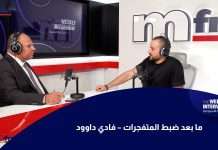
رابط فيديو مقابلة مع الشيخ الشيعي عباس يزبك وهو من الأوائل الذين التحقوا بحزب الله ومن ثم انقال عليه وعارضه/ننصح بمشاهدهذه المقابلة كونها تحكي قصة تكوين حزب الله الإرهابي والإيراني والفاسط والمفاياوي من الفه حتى يائه كما تشرح بالإثباتات كل التغيرات التي واجهها وكيف انتهى مجرد أداة اجرام ومتاجرة بالممنوعات وإرهابي بيد الملالي الفرس وعدو شيطاني للبنان ولشيعة لبنان وخاطفاً لهم ومتاجرن بهم/Link to a video interview with the Shiite cleric Abbas Yazbek
Link to a video interview with the Shiite cleric Abbas Yazbek, who was among the early figures to join Hezbollah and later broke away from it and opposed it. It is strongly recommend to watch this interview because it recounts the story of the formation of Hezbollah—from beginning to end—describing it as an Iranian-backed, corrupt, and mafia-like organization. It also explains, with what are presented as supporting evidence, the changes the party went through and how it eventually became merely a tool of crime, trafficking in illicit activities, and terrorism in the hands of the Persian mullahs—portrayed as a hostile force toward Lebanon and toward the Shiites of Lebanon, whom it is accused of controlling and exploiting.
The interview was conducted by journalist Fadi Shehwan on YouTube. April 14, 2026
رابط فيديو مقابلة مع الشيخ الشيعي عباس يزبك وهو من الأوائل الذين التحقوا بحزب الله ومن ثم انقال عليه وعارضه/ ننصح بمشاهدهذه المقابلة كونها تحكي قصة تكوين حزب الله الإرهابي والإيراني والفاسط والمفاياوي من الفه حتى يائه كما تشرح بالإثباتات كل التغيرات التي واجهها وكيف انتهى مجرد أداة اجرام ومتاجرة بالممنوعات وإرهابي بيد الملالي الفرس وعدو شيطاني للبنان ولشيعة لبنان وخاطفاً لهم ومتاجرن بهم.
أجرى المقابلة الإعلامي فادي شهوان من موقع ع اليوتيوب/14 نيسان/2026
أهم عناوين ومحاور المقابلة تفريخ وتخلص بحرية الياس بجاني ناشر موقع المنسقية 14 نيسان/2026
1) هوية حزب الله وعلاقته بإيران
يقدّم عباس يزبك الحزب على أنه مرتبط عضوياً بإيران وليس حركة لبنانية مستقلة.
يعتبر أن قراراته الأساسية مرتبطة بالمشروع الإيراني في المنطقة.
يرى أن الحزب يعمل كـ”فصيل عسكري” يخدم سياسات خارجية.
2) استخدام لبنان كورقة في صراعات إقليمية
يطرح أن لبنان يُستخدم كساحة تفاوض ومقايضة لصالح إيران.
ينتقد إدخال البلاد في حروب أو صراعات لا تخدم مصلحة اللبنانيين.
يشير إلى أن ذلك أدى إلى أزمات إنسانية واقتصادية كبيرة.
3) انتقاد مفهوم “ولاية الفقيه”
يعتبر أن هذا المفهوم:
غريب عن تاريخ التشيّع التقليدي.
تجربة حديثة فرضت سياسياً.
يصفه بأنه سبب رئيسي في أزمات المنطقة وفشل الأنظمة المرتبطة به.
4) اتهام الحزب بتجاهل معاناة اللبنانيين
يقول إن الحزب:
لا يعطي أولوية لمصالح الشعب اللبناني.
يبرر أفعاله بخطابات يصفها بـ”المضللة”.
يربط ذلك بأزمات مثل النزوح والضغط الاقتصادي.
5) الداخل الشيعي والمعارضة
يشير إلى وجود معارضة داخل البيئة الشيعية للحزب.
ينتقد فكرة احتكار تمثيل الطائفة.
يلمّح إلى أن بعض الشيعة أصبحوا متضررين من سياسات الحزب.
6) مسألة القمع واستخدام القوة
يحذر من أن الأنظمة المرتبطة بإيران:
قد تستخدم العنف ضد شعوبها للحفاظ على السلطة.
ويقول إن أي احتجاج داخلي قد يُقابل بالقوة.
7) سردية الحرب والتبريرات
ينتقد تبريرات دخول الحروب.
يعتبر أن هذه السرديات تُستخدم لتغطية:
أزمات داخلية
أو نتائج كارثية على المدنيين
8) مستقبل لبنان
يلمّح إلى أن استمرار هذا المسار:
يعيق قيام دولة قوية
ويمنع الاستقرار الاقتصادي والسياسي
ملاحظة مهمة: المقابلة تعبّر عن وجهة نظر معارضة داخل البيئة الشيعية رغم كل بطش واجرام وتهميش الحزب للمعارضين.
من هو عباس يزبك؟
رجل دين شيعي لبناني من منطقة البقاع.كان في بداياته قريباً من حزب الله وشارك في البيئة الفكرية التي رافقت نشأته في الثمانينيات.
يُعد من الأصوات الدينية التي عاصرت مرحلة التأسيس، ثم تحوّل لاحقاً إلى ناقد ومعارض لسياسات الحزب.
لماذا عارض حزب الله؟
بحسب تصريحاته ومقابلاته: انتقد ارتباط الحزب بمشروع إيران واعتبره يتقدّم على المصلحة اللبنانية. رفض مبدأ ولاية الفقيه بصيغته السياسية. انتقد تدخل الحزب في صراعات إقليمية (مثل سوريا). اعتبر أن الحزب لم يعد يمثل كل الشيعة في لبنان
ما طبيعة “الاضطهاد” أو الضغوط التي يقول إنه تعرّض لها؟
1) تهميش ديني وإعلامي
منعه أو تضييق ظهوره في منابر دينية وإعلامية داخل البيئة المؤيدة للحزب.
استبعاده من مؤسسات أو نشاطات مرتبطة بالحزب.
2) ضغوط اجتماعية
تعرضه لحملات انتقاد وتشويه من جمهور الحزب.
تضييق في بيئته المحلية (خصوصاً في مناطق نفوذ الحزب).
3) تهديدات غير مباشرة
أشار في بعض المقابلات إلى وجود ترهيب أو تخويف غير مباشر بسبب مواقفه.
الحديث هنا غالباً عام وليس موثقاً بحوادث قضائية واضحة.
4) العزلة داخل البيئة الشيعية
تحوّله من شخصية قريبة من الحزب إلى صوت معارض داخل نفس الطائفة جعله في موقع حساس.
فقدان الدعم الشعبي من جمهور الحزب.
الخلاصة
عباس يزبك هو مثال لشخصية: بدأت داخل محيط حزب الله ثم تحوّلت إلى معارضة له ويقول إنه دفع ثمن ذلك عبر تضييق اجتماعي وإعلامي وربما أمني غير مباشر
Link to a video interview with the Shiite cleric Abbas Yazbek, who was among the early figures to join Hezbollah and later broke away from it and opposed it. It is strongly recommend to watch this interview because it recounts the story of the formation of Hezbollah—from beginning to end—describing it as an Iranian-backed, corrupt, and mafia-like organization. It also explains, with what are presented as supporting evidence, the changes the party went through and how it eventually became merely a tool of crime, trafficking in illicit activities, and terrorism in the hands of the Persian mullahs—portrayed as a hostile force toward Lebanon and toward the Shiites of Lebanon, whom it is accused of controlling and exploiting.
The interview was conducted by journalist Fadi Shehwan on YouTube. April 14, 2026
Main Topics and Axes of the Interview Summary, translation and compilation by Elias Bejjani, publisher of the LCCC website April 14, 2026
1) The identity of Hezbollah and its relationship with Iran
Abbas Yazbek presents Hezbollah as being organically linked to Iran rather than an independent Lebanese movement.
He argues that its key decisions are tied to Iran’s regional project.
He believes strongly that Hezbollah functions as a “military faction” serving external Iranian policies.
2) Using Lebanon as a bargaining card in regional conflicts
He suggests that Lebanon is being used as a negotiation arena and bargaining chip for Iran.
He criticizes dragging the Lebanon into wars or conflicts that do not serve the interests of the Lebanese people.
He says this has led to major humanitarian and economic crises.
3) Criticism of the concept of “Wilayat al-Faqih” (Guardianship of the Jurist)
He considers this concept:
Foreign to the history of traditional Shiism.
A modern political experiment imposed for political purposes.
He describes it as a major cause of the region’s crises and the failure of systems associated with it.
4) Accusing Hezbollah of ignoring the suffering of the Lebanese people and particulat the Shiites.
He says that Hezbollah, Does not prioritize the interests of the Lebanese people.
Justifies its actions through narratives he describes as “misleading.”He links this to crises such as displacement and economic pressure.
5) The Shiite community and internal opposition
He points to the existence of opposition within the Shiite community toward Hezbollah.
He criticizes the idea that the Hezbollah monopolizes representation of the sect.
He suggests that many in many domains and on all levels Shiites have become harmed by Hezbollah’s policies.
6) Repression and the use of force
He warns that regimes linked to Iran may use violence against their own people in order to maintain power.
He says any internal protest may be met with force.
7) Narratives of war and their justifications
He criticizes the justifications used for entering wars.
He believes such narratives are used to cover: Internal crises and catastrophic consequences for civilians.
8) The future of Lebanon
He suggests that continuing on this path:
Obstructs the establishment of a strong state
Prevents economic and political stability.
Important note:
The interview reflects an oppositional viewpoint within the Shiite environment despite repression, violence, and marginalization by Hezbollah against its opponents and partuculat the Shiites.
Who is Abbas Yazbek?
He is a Lebanese Shiite cleric from the Bekaa region.
In his early years, he was close to Hezbollah and participated in the intellectual environment that accompanied its emergence in the 1980s. He is considered one of the religious voices who witnessed the Hezbollah’s founding phase, but he later became a critic and opponent of its policies.
Why did he oppose Hezbollah?
According to his statements and interviews: He criticized Hezbollah connection to Iran’s political project and argues that it takes precedence over Lebanon’s national interests.
He rejected the political interpretation of the doctrine of Wilayat al-Faqih.
He criticized Hezbollah’s involvement in regional conflicts (such as Syria).
He argues that the Hezbollah no longer represents all Shiites in Lebanon.
What kind of “persecution” or pressure does he say he faced?
1) Religious and media marginalization
Restrictions or prevention of his appearances on religious and media platforms within the party’s supportive environment.
Exclusion from institutions or activities associated with Hezbollah.
2) Social pressure
Exposure to criticism and smear campaigns from supporters of Hezbollah.
Restrictions within his local environment, particularly in areas under Hezbollah’s influence.
3) Indirect threats
In some interviews he referred to intimidation or indirect threats because of his positions.
These claims are documented in clear legal cases.
4) Isolation within the Shiite community
His transformation from a figure close to Hezbollah into an opposing voice within the same sect placed him in a sensitive position.
Loss of popular support among Hezbollah’s supporters.
Conclusion
Abbas Yazbek is brave Shiite Lebanese figure who began within Hezbollah’s environment but later became an opponent of it after finding its Iranian Schemes. He says he paid the price for this shift through social and media pressure, and possibly indirect security pressure.