جماعة الإخوان المسلمين كمنظمة إرهابية: ماذا يكشف قرار المحكمة المصرية عن أوروبا؟
دريو غودفريدي/معهد غيتستون/ 21 تشرين الثاني 2026
(ترجمة من الإنكليزية بواسطة الذكاء الإصطناعي)
The Muslim Brotherhood as a Terrorist Organization: What Egypt’s Court Ruling Reveals About Europe
Drieu Godefridi/Gatestone Institute/November 21/2026
The following day, the Second Criminal Chamber of Badr placed 35 organizations and 36 individuals on the terrorist list…
Among those named are the powerful Council of European Muslims, successor to the Federation of Islamic Organizations in Europe (FIOE); Musulmans de France; the League of Muslims of Belgium; and national organizations operating in Britain, Germany, and other European countries. The ruling also names the European Council for Fatwa and Research, the European Council of Imams and the European Institute of Human Sciences.
[T]he Egyptian judiciary is not merely targeting political leaders and isolated local initiatives. What emerges is a distinctly European Islamist and terrorist network, driven by a single, coherent ideological project: that of the Muslim Brotherhood in Europe.
Political action does not necessarily begin at the ballot box. It begins much earlier, with the dissemination of religious doctrines and the patient construction of lasting institutions. The method is similar to that of the Italian communist Antonio Gramsci: conquer society from below, and political power will eventually fall into your hands.
Every link in the network shares one overriding point of reference: Sharia, “the divine guidance revealed in the Qur’an and the Sunnah, covering both worship and everyday dealings.”
Taken together, these provisions form a coherent logic: to undermine democracy. Islamic Sharia law is placed above all other laws — first for Muslims, then for everyone else.
Sharia offers no dialogue. It blocks all dissenting voices — Jewish, Christian, atheist — especially when Islamists consider themselves sufficiently numerous to impose their will.
The late, influential Sunni spiritual leader, Yusuf al-Qaradawi, forced to flee from Egypt to Qatar, admitted on his popular Al Jazeera television show, “Sharia and Life,” that “If they had gotten rid of the apostasy punishment Islam wouldn’t exist today.”
Does anyone grasp the magnitude of the humiliation involved in leaving it to Egypt to expose the Muslim Brotherhood’s sprawling network across Europe?
On November 10, an Egyptian court placed 35 organizations and 36 individuals on its list of terrorist entities and persons. The case brought to light the institutional architecture built by the Muslim Brotherhood across Europe. What emerged is a distinctly European Islamist and terrorist network, driven by a single, coherent ideological project: that of the Muslim Brotherhood. Pictured: The court complex in Badr, Egypt. (Photo by Khaled Desouki/AFP via Getty Images)
On November 10, 2026, an Egyptian court placed 35 organizations and 36 individuals on its list of terrorist entities and persons. Cairo is targeting far more than a handful of exiled leaders; also national federations, religious councils, training institutes, and organizations devoted to families, women and students. What the Egyptian government has brought to light is the institutional architecture built by the Muslim Brotherhood across Europe.
What purpose does this elaborate structure serve? What is its ultimate objective? And why Egypt?
The Court Ruling That Exposed an Entire Network
A day earlier, on November 9, 2026, on the basis of earlier criminal proceedings, Egypt formally confirmed the Muslim Brotherhood’s permanent designation as a terrorist organization.
The following day, the Second Criminal Chamber of Badr placed 35 organizations and 36 individuals on the terrorist list for five years, in State Security Case No. 11108/2026. The ruling was published in the Egyptian Official Gazette, No. 250.
Among those named are the powerful Council of European Muslims, successor to the Federation of Islamic Organizations in Europe (FIOE); Musulmans de France; the League of Muslims of Belgium; and national organizations operating in Britain, Germany, and other European countries. The ruling also names the European Council for Fatwa and Research, the European Council of Imams and the European Institute of Human Sciences.
At first glance, this may seem like a tedious inventory of institutions engaged in apparently innocuous activities: education, local community work and political organizing. But to stop at these lists would be to miss the essential point. What matters is the coherence of the whole.
For this is the decisive element: the Egyptian judiciary is not merely targeting political leaders and isolated local initiatives. What emerges is a distinctly European Islamist and terrorist network, driven by a single, coherent ideological project: that of the Muslim Brotherhood in Europe.
The Ideology: Transform Society to Capture the State
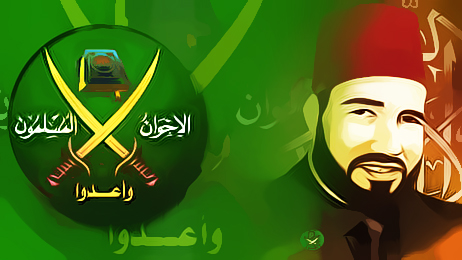
The Muslim Brotherhood was founded in 1928 by Hassan al-Banna. Its doctrine does not confine Islam to personal faith. It makes Islam an organizing principle for education, the family, social relations, government and law.
This is entirely consistent with Islamic scripture.
The Qur’an is by Muslims regarded as the word of Allah. In could be considered comparable to the Bible, except with severe real-time punishments for infractions. One cannot say, “Oh, God did not really mean that about adultery….”
“Muslims firmly believe that the Arabic words, phrases, and sentences of the Qur’an come directly from God,” writes Jane Dammen McAuliffe in The Qur’an: What Everyone Needs to Know. Muslims consider it a divine word that, through the interpretations of the Sunnah and fiqh (jurisprudence that implements Sharia law), provides guidance on how everyone should live.
Islam, not merely a religion, advances an all-encompassing, radical project: Sharia, literally, a clear path leading to a water source. “We believe that the doctrines and teachings of Islam are all-comprehensive and govern the affairs of men in this world and the next.” wrote al-Banna in Introducing Islam. Commercial law, family law, property law, labor law — absolutely everything, according to the Muslim Brotherhood, is contained within Sharia law. The very notion of a source of law outside of Sharia is not only inconceivable; it is an insult to the word of God (see Tamara Sonn, What is Shari’ah?, Oxford University Press, 2012).
The Brotherhood’s historical method of imposing Sharia follows a progression: shape the individual, direct the family, transform society and ultimately influence the state.
Political action does not necessarily begin at the ballot box. It begins much earlier, with the dissemination of religious doctrines and the patient construction of lasting institutions. The method is similar to that of the Italian communist Antonio Gramsci: conquer society from below, and political power will eventually fall into your hands.
A school transmits ideas. An imam teaches. A religious council interprets. An association brings people together. A federation coordinates. A representative organization makes demands of public authorities.
These are merely the individual cogs of a single, overarching mechanism: the imposition of Sharia.
The European Instruments: Doctrine, Cadres, Networks, Institutions
The organizations designated by the Egyptian government perform several complementary functions.
Coordination. The Council of European Muslims brings together national networks, trains leaders and promotes common positions. What begins as a scattering of small associations becomes an organized structure with continent-wide representation.
Defining religious doctrine. The European Council for Fatwa and Research issues opinions on the application of Islamic prescriptions to life in Europe: family, religious practices, personal conduct and social relations. The European Council of Imams operates in religious training and supervision. Their influence concerns the norms governing everyday life.
Training the next generation of cadres. The European Institute of Human Sciences trains imams, teachers and association leaders. To train a cadre is to prepare someone who will, in turn, teach, lead and transmit the doctrine to transform the society.
Shaping family life and youth. The Egyptian list includes organizations devoted to families, women and students. These are central domains in al-Banna’s doctrine: the environments in which values are reproduced and the next generation is formed.
Influencing public policy. Federations and associations seek a place at the table when public authorities discuss religious worship, education, religious practices, and the representation of Muslim communities.
These functions reinforce one another. A doctrine is formulated. Cadres are trained. Associations disseminate it. Federations carry it into the institutional and political arena.
And none of this requires a single, centralized command structure.
Every link in the network shares one overriding point of reference: Sharia, “the divine guidance revealed in the Qur’an and the Sunnah, covering both worship and everyday dealings.” Sharia is what gives coherence to this constellation of apparently modest, local initiatives: education and youth support.
Sharia offers no dialogue. It blocks all dissenting voices — Jewish, Christian, atheist — especially when Islamists consider themselves sufficiently numerous to impose their will.
Let us briefly recall what Sharia prescribes for “dissidents”: for Jews and Christians, it is a choice between conversion or dhimmi status (second-class, tolerated residents who are ordered to pay jizya protection money); for polytheists, it is a choice between conversion or death; for atheists and apostates, it is simply death.
The late, influential Sunni spiritual leader, Yusuf al-Qaradawi, forced to flee from Egypt to Qatar, admitted on his popular Al Jazeera television show, “Sharia and Life,” that “If they had gotten rid of the apostasy punishment Islam wouldn’t exist today.”
Evidence of Institutional Ambition: Their Own Charter
The “Charter of European Muslims,” published in 2008 by the Federation of Islamic Organisations in Europe (now the Council of European Muslims), sets out the federation’s objectives in its own words. It was developed with organizations from 28 countries, several of which have now been designated as terrorist organizations by the Egyptian government.
Several provisions are particularly revealing:
Article 3: Sharia is a reference not only for religious worship but also for human relations.
Article 15: Muslim organizations are encouraged to coordinate their activities across Europe in the service of a common ideology.
Article 17: Where religious prescriptions conflict with national laws, the charter advocates seeking “solutions” from public authorities.
Article 18: The Charter defends establishing religious, educational, and social institutions.
Article 21: The Charter encourages political participation, including access to public institutions.
Taken together, these provisions form a coherent logic: to undermine democracy. Islamic Sharia law is placed above all other laws — first for Muslims, then for everyone else.
Sharia is Islamic supremacism in the strictest sense of the word.
What This Means in Practice: The Example of Sudan
In Sudan, the Muslim Brotherhood demonstrated what its ideological project could become when it controlled the machinery of the state.
In June 1989, the National Islamic Front (NIF), led by Hassan al-Turabi, a former leader of the Sudanese Muslim Brotherhood, seized control of the country through Omar al-Bashir’s military coup.
Political parties were banned. State institutions were purged of non-Islamists. Opponents and dissident were imprisoned and tortured.
In 1991, a new Sharia-inspired Penal Code introduced, among other provisions, the death penalty for apostasy (leaving Islam).
It was in southern Sudan’s Nuba Mountains, however, that the regime’s logic assumed its bloodiest form. In 1992, the authorities proclaimed jihad (holy war) against rebellious populations in this region inhabited by Muslims, Christians and followers of traditional religions.
A fatwa issued in April 1992, publicly endorsed at the highest levels of the state, declared Muslims who participated in the rebellion to be apostates and portrayed non-Muslim insurgents as obstacles to the spread of Islam.
The religious decree explicitly authorized their murder and led to a campaign of massacres, deportations and persecution. The Sudanese army and its allied Islamist militias burned villages, executed civilians, abducted women and children, and organized forced population transfers.
An official United Nations report published in February 1996 documented summary executions, rape, abductions, enslavement, forced conversions, and the separation of children from their families before placing them in camps for religious indoctrination and military training.
According to a 1998 estimate cited by the United States Holocaust Memorial Museum, approximately 100,000 Nuba people died as a result of government attacks in 1992-1993.
As early as 1994, Human Rights Watch described the regime’s objective as the establishment of a totalitarian Islamic state, in which people’s rights would depend, among other things, on their religion, sex, and political affiliation.
This was no mere theoretical pronouncement. A government emerging from the Muslim Brotherhood movement had combined religious legislation, the suppression of civil liberties, fatwas authorizing the killing of political opponents, and the massacre of “dissident” civilian populations. That is the reality of the Muslim Brotherhood once it seizes power – not exactly the “dialogue” it advocates in its early stages.
Conclusion
The major development of November 2026 in Egypt is twofold: the definitive designation of the Muslim Brotherhood as a terrorist organization, followed by the explicit judicial designation of its European institutional network.
The coherence of this network becomes clear in light of the Muslim Brotherhood’s historical doctrine: gradually intervening in education, the family, religious norms, associations, and public institutions to enshrine the totalitarian ideology called Sharia.
The real European issue, therefore, is not just a list of names. It is the existence of structures capable of transmitting an ideology, training cadres, coordinating networks, and influencing the rules governing collective life.
How will the authorities of the European countries named in the Egyptian ruling respond? What about the European Union? Does anyone grasp the magnitude of the humiliation involved in leaving it to Egypt to expose the Muslim Brotherhood’s sprawling network across Europe?
**Drieu Godefridi is a jurist (University Saint-Louis, University of Louvain), philosopher (University Saint-Louis, University of Louvain) and PhD in legal theory (Paris IV-Sorbonne). He is an entrepreneur, CEO of a European private education group and director of PAN Medias Group. He is the author of The Green Reich (2020).
https://www.gatestoneinstitute.org/22986/muslim-brotherhood-europe-egypt
© 2026 Gatestone Institute. All rights reserved. The articles printed here do not necessarily reflect the views of the Editors or of Gatestone Institute.
جماعة الإخوان المسلمين كمنظمة إرهابية: ماذا يكشف قرار المحكمة المصرية عن أوروبا؟
دريو غودفريدي/معهد غيتستون/ 21 تشرين الثاني 2026
(ترجمة من الإنكليزية بواسطة الذكاء الإصطناعي)
في اليوم التالي، أدرجت الدائرة الجنائية الثانية في بدر 35 منظمة و36 شخصاً على قائمة الإرهاب لمدة خمس سنوات…
ومن بين الأسماء المدرجة مجلس مسلمي أوروبا النافذ، الذي خلف اتحاد المنظمات الإسلامية في أوروبا (FIOE)، ومنظمة مسلمون فرنسا، ورابطة مسلمي بلجيكا، ومنظمات وطنية تنشط في بريطانيا وألمانيا ودول أوروبية أخرى. كما شمل القرار المجلس الأوروبي للإفتاء والبحوث، والمجلس الأوروبي للأئمة، والمعهد الأوروبي للعلوم الإنسانية.
إن القضاء المصري لا يستهدف مجرد قادة سياسيين ومبادرات محلية متفرقة. فما تكشف عنه هذه القضية هو شبكة إسلاموية وإرهابية أوروبية بامتياز، تقودها رؤية أيديولوجية واحدة ومتماسكة، هي رؤية جماعة الإخوان المسلمين في أوروبا.
لا يبدأ العمل السياسي بالضرورة عند صناديق الاقتراع. بل يبدأ قبل ذلك بكثير، من خلال نشر العقائد الدينية وبناء المؤسسات الدائمة بصبر وتأنٍّ. وتشبه هذه الطريقة أسلوب الشيوعي الإيطالي أنطونيو غرامشي: السيطرة على المجتمع من الأسفل، وعندها ستسقط السلطة السياسية في أيديكم في نهاية المطاف.
وتشترك جميع حلقات هذه الشبكة في مرجعية أساسية واحدة، هي الشريعة، أي «الهداية الإلهية المنزلة في القرآن والسنة، والتي تشمل العبادات والتعاملات اليومية على حد سواء».
وتشكّل هذه الأحكام، مجتمعة، منطقاً متماسكاً هدفه تقويض الديمقراطية. إذ توضع أحكام الشريعة الإسلامية فوق جميع القوانين الأخرى، أولاً بالنسبة إلى المسلمين، ثم بالنسبة إلى الجميع.
الشريعة لا تتيح الحوار. إنها تسد الطريق أمام جميع الأصوات المخالفة، سواء كانت يهودية أو مسيحية أو إلحادية، ولا سيما عندما يعتبر الإسلاميون أنفسهم قد أصبحوا بالعدد الكافي لفرض إرادتهم.
وقد أقرّ الزعيم الروحي السني الراحل والنافذ يوسف القرضاوي، الذي اضطر إلى الفرار من مصر إلى قطر، خلال برنامجه التلفزيوني الشهير «الشريعة والحياة» على قناة الجزيرة، قائلاً: «لو أنهم تخلّصوا من عقوبة الردة، لما كان الإسلام موجوداً اليوم».
هل يدرك أحد حجم الإذلال الكامن في ترك مهمة كشف الشبكة الواسعة لجماعة الإخوان المسلمين في أوروبا لمصر؟
في 10 تشرين الثاني، أدرجت محكمة مصرية 35 منظمة و36 شخصاً على قائمة الكيانات والأشخاص الإرهابيين. وقد كشفت القضية البنية المؤسساتية التي أنشأتها جماعة الإخوان المسلمين في مختلف أنحاء أوروبا. وما ظهر هو شبكة إسلاموية وإرهابية أوروبية بامتياز، تحركها رؤية أيديولوجية واحدة ومتماسكة، هي رؤية جماعة الإخوان المسلمين.
في 10 تشرين الثاني 2026، أدرجت محكمة مصرية 35 منظمة و36 شخصاً على قائمتها للكيانات والأشخاص الإرهابيين. ولا تستهدف القاهرة حفنة من القادة المنفيين فحسب، بل تشمل أيضاً اتحادات وطنية ومجالس دينية ومعاهد تدريب ومنظمات تُعنى بالعائلات والنساء والطلاب. وما كشفته الحكومة المصرية هو البنية المؤسساتية التي بنتها جماعة الإخوان المسلمين في مختلف أنحاء أوروبا.
ما الغرض من هذه البنية المعقدة؟ وما هدفها النهائي؟ ولماذا مصر؟
الحكم القضائي الذي كشف شبكة كاملة
قبل ذلك بيوم، في 9 تشرين الثاني 2026، أكدت مصر رسمياً، استناداً إلى إجراءات جنائية سابقة، التصنيف الدائم لجماعة الإخوان المسلمين باعتبارها منظمة إرهابية.
وفي اليوم التالي، أدرجت الدائرة الجنائية الثانية في بدر 35 منظمة و36 شخصاً على قائمة الإرهاب لمدة خمس سنوات، بموجب القضية رقم 11108/2026 أمن دولة. ونُشر القرار في الجريدة الرسمية المصرية، العدد 250.
ومن بين الأسماء المدرجة مجلس مسلمي أوروبا النافذ، الذي خلف اتحاد المنظمات الإسلامية في أوروبا (FIOE)، ومنظمة مسلمون فرنسا، ورابطة مسلمي بلجيكا، ومنظمات وطنية تعمل في بريطانيا وألمانيا ودول أوروبية أخرى. كما شمل القرار المجلس الأوروبي للإفتاء والبحوث، والمجلس الأوروبي للأئمة، والمعهد الأوروبي للعلوم الإنسانية.
للوهلة الأولى، قد يبدو هذا الأمر مجرد جرد ممل لمؤسسات تمارس أنشطة تبدو غير مؤذية، مثل التعليم والعمل المجتمعي المحلي والتنظيم السياسي. لكن الاكتفاء بهذه القوائم يعني إغفال النقطة الجوهرية. فما يهم هو الترابط والتماسك بين هذه المؤسسات بمجملها.
وهنا تكمن النقطة الحاسمة: فالقضاء المصري لا يستهدف مجرد قادة سياسيين ومبادرات محلية معزولة. وما تكشف عنه القضية هو شبكة إسلاموية وإرهابية أوروبية بامتياز، تحركها رؤية أيديولوجية واحدة ومتماسكة، هي رؤية جماعة الإخوان المسلمين في أوروبا.
الأيديولوجية: تحويل المجتمع للاستيلاء على الدولة
تأسست جماعة الإخوان المسلمين عام 1928 على يد حسن البنا. ولا تحصر عقيدتها الإسلام في الإيمان الشخصي، بل تجعله مبدأً تنظيمياً للتعليم والأسرة والعلاقات الاجتماعية والحكم والقانون.
وهذا يتوافق تماماً مع النصوص الإسلامية المقدسة.
فالقرآن يعتبره المسلمون كلام الله. ويمكن اعتباره شبيهاً بالكتاب المقدس، باستثناء أنه يتضمن عقوبات قاسية تُنفذ في الوقت الحاضر عند ارتكاب المخالفات. فلا يستطيع المرء أن يقول: «أوه، لم يكن الله يقصد حقاً ما قاله بشأن الزنا…».
تكتب جين دامِن ماكوليف في كتابها «القرآن: ما يحتاج الجميع إلى معرفته»: «يؤمن المسلمون إيماناً راسخاً بأن الكلمات والعبارات والجمل العربية في القرآن صادرة مباشرة عن الله». ويعتبر المسلمون القرآن كلاماً إلهياً يوفر، من خلال تفسيرات السنة والفقه (أي الاجتهاد القانوني الذي يطبق أحكام الشريعة)، إرشادات حول كيفية عيش الجميع.
إن الإسلام، باعتباره أكثر من مجرد دين، يطرح مشروعاً جذرياً شاملاً لكل مناحي الحياة، هو الشريعة، التي تعني حرفياً الطريق الواضح المؤدي إلى مصدر للمياه.
وقد كتب حسن البنا في كتابه «التعريف بالإسلام»: «نحن نؤمن بأن عقائد الإسلام وتعاليمه شاملة لكل شيء، وتحكم شؤون البشر في هذه الدنيا والآخرة».
فالقانون التجاري وقانون الأسرة وقانون الملكية وقانون العمل، وكل شيء على الإطلاق، موجود بحسب جماعة الإخوان المسلمين ضمن أحكام الشريعة. إن مجرد فكرة وجود مصدر للقانون خارج الشريعة ليست أمراً غير قابل للتصور فحسب، بل تشكل إهانة لكلمة الله (راجع تمارا سون، «ما هي الشريعة؟»، مطبعة جامعة أكسفورد، 2012).
وتتبع الطريقة التاريخية لجماعة الإخوان المسلمين في فرض الشريعة مساراً متدرجاً: تشكيل الفرد، وتوجيه الأسرة، وتحويل المجتمع، وفي نهاية المطاف التأثير على الدولة.
لا يبدأ العمل السياسي بالضرورة عند صناديق الاقتراع. بل يبدأ قبل ذلك بكثير، من خلال نشر العقائد الدينية وبناء المؤسسات الدائمة بصبر وتأنٍّ. وتشبه هذه الطريقة أسلوب الشيوعي الإيطالي أنطونيو غرامشي: السيطرة على المجتمع من الأسفل، وعندها ستسقط السلطة السياسية في أيديكم في نهاية المطاف.
فالمدرسة تنقل الأفكار، والإمام يعلّم، والمجلس الديني يفسّر، والجمعية تجمع الناس، والاتحاد ينسّق، والمنظمة التمثيلية تقدم المطالب إلى السلطات العامة.
وهذه ليست سوى تروس منفردة ضمن آلية شاملة واحدة، هدفها فرض الشريعة.
الأدوات الأوروبية: العقيدة، والكوادر، والشبكات، والمؤسسات
تؤدي المنظمات التي صنفتها الحكومة المصرية عدة وظائف متكاملة.
التنسيق: يجمع مجلس مسلمي أوروبا الشبكات الوطنية، ويدرّب القادة، ويعزز المواقف المشتركة. وما يبدأ كمجموعة متناثرة من الجمعيات الصغيرة يتحول إلى بنية منظمة ذات تمثيل على مستوى القارة الأوروبية.
تحديد العقيدة الدينية: يصدر المجلس الأوروبي للإفتاء والبحوث آراء بشأن تطبيق الأحكام الإسلامية على الحياة في أوروبا، بما يشمل الأسرة والممارسات الدينية والسلوك الشخصي والعلاقات الاجتماعية. أما المجلس الأوروبي للأئمة، فيعمل في مجال التدريب والإشراف الديني. ويتعلق نفوذ هذه المؤسسات بالمعايير التي تحكم الحياة اليومية.
تدريب الجيل المقبل من الكوادر: يقوم المعهد الأوروبي للعلوم الإنسانية بتدريب الأئمة والمعلمين وقادة الجمعيات. فتدريب الكوادر يعني إعداد أشخاص سيتولون بدورهم التعليم والقيادة ونقل العقيدة بهدف تحويل المجتمع.
تشكيل الحياة الأسرية والشباب: تشمل القائمة المصرية منظمات تُعنى بالعائلات والنساء والطلاب. وهذه مجالات أساسية في عقيدة حسن البنا، لأنها البيئات التي تُعاد فيها إنتاج القيم ويتشكل فيها الجيل المقبل.
التأثير في السياسات العامة: تسعى الاتحادات والجمعيات إلى الحصول على مكان لها على طاولة الحوار عندما تناقش السلطات العامة شؤون العبادة الدينية والتعليم والممارسات الدينية وتمثيل الجاليات المسلمة.
وتعزز هذه الوظائف بعضها بعضاً. فتوضع العقيدة، وتُدرّب الكوادر، وتنشرها الجمعيات، وتنقلها الاتحادات إلى المجالين المؤسساتي والسياسي.
ولا يتطلب أي من ذلك وجود هيكل قيادة مركزي واحد.
وتشترك جميع حلقات الشبكة في مرجعية أساسية واحدة، هي الشريعة، «الهداية الإلهية المنزلة في القرآن والسنة، والتي تشمل العبادات والتعاملات اليومية على حد سواء». والشريعة هي ما يمنح هذا التجمع من المبادرات المحلية التي تبدو متواضعة، والمتعلقة بالتعليم ودعم الشباب، تماسكه وترابطه.
الشريعة لا تتيح الحوار. إنها تسد الطريق أمام جميع الأصوات المخالفة، سواء كانت يهودية أو مسيحية أو إلحادية، ولا سيما عندما يعتبر الإسلاميون أنفسهم قد أصبحوا بالعدد الكافي لفرض إرادتهم.
دعونا نتذكر بإيجاز ما تفرضه الشريعة على «المخالفين»:
بالنسبة إلى اليهود والمسيحيين، هناك خيار بين اعتناق الإسلام أو وضع أهل الذمة، أي الإقامة بوصفهم سكاناً من الدرجة الثانية يُسمح لهم بالبقاء مع إلزامهم بدفع الجزية مقابل الحماية.
أما المشركون، فخيارهم بين اعتناق الإسلام أو الموت.
وبالنسبة إلى الملحدين والمرتدين، فالعقوبة هي الموت ببساطة.
وقد أقرّ الزعيم الروحي السني الراحل والنافذ يوسف القرضاوي، الذي اضطر إلى الفرار من مصر إلى قطر، خلال برنامجه التلفزيوني الشهير «الشريعة والحياة» على قناة الجزيرة، قائلاً: «لو أنهم تخلّصوا من عقوبة الردة، لما كان الإسلام موجوداً اليوم».
دليل الطموح المؤسساتي: ميثاقهم الخاص
يحدد «ميثاق مسلمي أوروبا»، الذي نشره اتحاد المنظمات الإسلامية في أوروبا عام 2008 (الذي أصبح الآن مجلس مسلمي أوروبا)، أهداف الاتحاد بكلماته الخاصة. وقد جرى إعداده بالتعاون مع منظمات من 28 دولة، صُنّف عدد منها الآن من قبل الحكومة المصرية على أنها منظمات إرهابية.
وتكشف عدة مواد من الميثاق بشكل خاص عن توجهاته:
المادة 3: الشريعة مرجعية ليس فقط للعبادات الدينية، بل أيضاً للعلاقات الإنسانية.
المادة 15: تشجيع المنظمات الإسلامية على تنسيق أنشطتها في مختلف أنحاء أوروبا خدمةً لأيديولوجية مشتركة.
المادة 17: عندما تتعارض الأحكام الدينية مع القوانين الوطنية، يدعو الميثاق إلى السعي لدى السلطات العامة لإيجاد «حلول».
المادة 18: يدافع الميثاق عن إنشاء مؤسسات دينية وتعليمية واجتماعية.
المادة 21: يشجع الميثاق المشاركة السياسية، بما في ذلك الوصول إلى المؤسسات العامة.
وتشكل هذه الأحكام مجتمعة منطقاً متماسكاً هدفه تقويض الديمقراطية. إذ توضع أحكام الشريعة الإسلامية فوق جميع القوانين الأخرى، أولاً بالنسبة إلى المسلمين، ثم بالنسبة إلى الجميع.
الشريعة هي تعبير عن التفوق والسيادة الإسلامية بأشد المعاني الحرفية للكلمة.
ماذا يعني ذلك عملياً: نموذج السودان
في السودان، أظهرت جماعة الإخوان المسلمين ما يمكن أن يصبح عليه مشروعها الأيديولوجي عندما تسيطر على أجهزة الدولة.
في حزيران 1989، استولت الجبهة الإسلامية القومية (NIF)، بقيادة حسن الترابي، وهو زعيم سابق لجماعة الإخوان المسلمين السودانية، على السلطة في البلاد من خلال الانقلاب العسكري الذي قاده عمر البشير.
حُظرت الأحزاب السياسية، وطُهّرت مؤسسات الدولة من غير الإسلاميين، وسُجن المعارضون والمخالفون وعُذّبوا.
وفي عام 1991، أُدخل قانون عقوبات جديد مستوحى من الشريعة، تضمن، من بين أحكام أخرى، عقوبة الإعدام بتهمة الردة، أي مغادرة الإسلام.
لكن منطق النظام اتخذ أكثر أشكاله دموية في جبال النوبة بجنوب السودان. ففي عام 1992، أعلنت السلطات الجهاد (الحرب المقدسة) ضد السكان المتمردين في هذه المنطقة التي يسكنها مسلمون ومسيحيون وأتباع ديانات تقليدية.
وفي نيسان 1992، صدر فتوى أُيّدت علناً على أعلى مستويات الدولة، أعلنت أن المسلمين المشاركين في التمرد مرتدون، وصوّرت المتمردين غير المسلمين باعتبارهم عقبة أمام انتشار الإسلام.
وقد أجاز هذا القرار الديني صراحةً قتلهم، وأدى إلى حملة من المجازر والترحيل والاضطهاد. وأحرق الجيش السوداني والميليشيات الإسلامية المتحالفة معه القرى، وأعدموا المدنيين، وخطفوا النساء والأطفال، ونظموا عمليات نقل قسري للسكان.
ووثّق تقرير رسمي للأمم المتحدة نُشر في شباط 1996 عمليات إعدام ميدانية واغتصاب وخطف واستعباد وتحويل قسري إلى الإسلام، وفصل الأطفال عن عائلاتهم قبل وضعهم في معسكرات للتلقين الديني والتدريب العسكري.
وبحسب تقدير صدر عام 1998 واستشهد به متحف ذكرى الهولوكوست في الولايات المتحدة، فقد قُتل نحو 100 ألف شخص من أبناء النوبة نتيجة هجمات الحكومة خلال عامي 1992 و1993.
وفي وقت مبكر يعود إلى عام 1994، وصفت منظمة هيومن رايتس ووتش هدف النظام بأنه إقامة دولة إسلامية شمولية، تعتمد فيها حقوق الناس، من بين أمور أخرى، على دينهم وجنسهم وانتمائهم السياسي.
لم يكن هذا مجرد إعلان نظري. فقد جمعت حكومة انبثقت من حركة الإخوان المسلمين بين التشريعات الدينية وقمع الحريات المدنية والفتاوى التي تجيز قتل الخصوم السياسيين ومجازر بحق السكان المدنيين «المخالفين».
هذه هي حقيقة جماعة الإخوان المسلمين عندما تستولي على السلطة، وهي بالتأكيد ليست «الحوار» الذي تدعو إليه في مراحلها الأولى.
الخاتمة
إن التطور الرئيسي الذي شهدته مصر في تشرين الثاني 2026 يتألف من خطوتين: التصنيف النهائي لجماعة الإخوان المسلمين باعتبارها منظمة إرهابية، ثم التصنيف القضائي الصريح لشبكتها المؤسساتية الأوروبية.
ويتضح ترابط هذه الشبكة وتماسكها في ضوء العقيدة التاريخية لجماعة الإخوان المسلمين، التي تقوم على التدخل التدريجي في مجالات التعليم والأسرة والمعايير الدينية والجمعيات والمؤسسات العامة، من أجل ترسيخ الأيديولوجية الشمولية التي تُسمى الشريعة.
وعليه، فإن القضية الأوروبية الحقيقية لا تقتصر على مجرد قائمة أسماء، بل تتمثل في وجود هياكل قادرة على نقل أيديولوجية معينة، وتدريب الكوادر، وتنسيق الشبكات، والتأثير في القواعد التي تحكم الحياة الجماعية.
كيف سترد سلطات الدول الأوروبية المذكورة في القرار المصري؟ وماذا عن الاتحاد الأوروبي؟ هل يدرك أحد حجم الإذلال الكامن في ترك مهمة كشف الشبكة الواسعة لجماعة الإخوان المسلمين في أوروبا لمصر؟
دريو غودفريدي محامٍ (جامعة سان لويس، جامعة لوفان)، وفيلسوف (جامعة سان لويس، جامعة لوفان)، وحاصل على الدكتوراه في النظرية القانونية من جامعة باريس الرابعة – السوربون. وهو رجل أعمال، والرئيس التنفيذي لمجموعة أوروبية للتعليم الخاص، ومدير مجموعة PAN الإعلامية. وهو مؤلف كتاب «الرايخ الأخضر» (2020).
المصدر:
https://www.gatestoneinstitute.org/22986/muslim-brotherhood-europe-egypt
© 2026 معهد غيتستون. جميع الحقوق محفوظة. إن المقالات المنشورة هنا لا تعكس بالضرورة آراء المحررين أو آراء معهد غيتستون.