The War on the Kingdom of Saudi Arabia
Colonel Charbel Barakat/September 14/2026
الحرب على المملكة العربية السعودية
الكولونيل شربل بركات/14 أيلول/2026
المواقف الجريئة التي اتخذها ولي العهد السعودي الأمير محمد بن سلمان خلال السنوات الماضية — والتي تلخصت في مواجهة التقليديين الذين احتموا بالوهابية داخلياً كستار لتأمين مصالحهم والسيطرة على الأرض، وفي الوقت نفسه المحافظة على علاقات متوازنة مع القوى اليسارية في الغرب التي تحمي هذه المصالح نفسها — تجلت في مشاريع تغيير كبيرة كانت ستؤدي إلى الالتحاق بالاتفاقيات الإبراهيمية وتطبيع العلاقات مع إسرائيل. غير أن عملية “طوفان الأقصى” التي كان وراءها الحرس الثوري الإيراني أجهضت هذه المشاريع، في مقابل صعود واضح للتيار الذي يتلطى خلف التعنت الديني القديم. ورغم أن تيار الحداثة اتخذ عدة خطوات لم تتوقف بعد، إلا أن الدفع في تنفيذها بدأ يتباطأ على ما يبدو، مما أدى إلى تبني موقف متذبذب خلال الحرب على إيران، بالرغم من استهداف الأخيرة للمملكة في مواقع كثيرة.
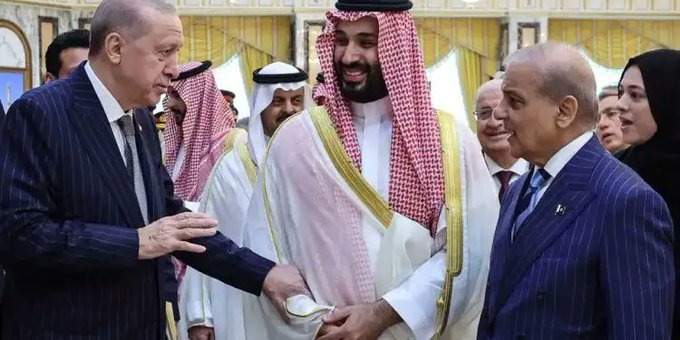
وهنا تبرز محاولة الالتفاف على مشروع الرئيس ترامب بقيام حلف من الدول السنية التي تدفع نحو التطرف؛ سواء في باكستان أو تركيا، حيث كانت باكستان معقل طالبان الأساسي، بينما يشكل أردوغان رأس الحربة في اندفاع التيار الإخواني المتشدد الذي كانت المملكة قد أعلنت حربها عليه.
من هنا يبدو أن الحرب على إيران لن تتوقف أو تُحسم سريعاً قبل تغير الموقف السعودي الذي بُنيت عليه. ومن هنا أيضاً يأتي الموقف الإسرائيلي المتصلب في مواجهة الانتشار العسكري التركي في سوريا، والحرب الفاشلة على الحوثيين؛ حيث ظهر جلياً موقف الرئيس ترامب الذي أشار إلى عدم الدخول في حرب ضد الحوثيين طالما التزموا بعدم قطع طرق المواصلات البحرية في مضيق باب المندب.
فأين معاهدة الدفاع المشترك مع باكستان وتركيا؟ وأين مفاعيلها على أرض الواقع بينما تتعرض المملكة للقصف وتصدير نفطها يتوقف بعد ضربات الحوثيين التي ستزداد يوماً بعد يوم إن بقي الموقف على حاله؟
وهنا يلفت النظر موقف الرئيس نتنياهو الذي قال إن إسرائيل ستنجد المملكة السعودية في حربها ضد الحوثيين إن طلبت ذلك علناً. وهذا ما يُظهر بوضوح أين تكمن العقدة: فهل تريد السعودية الخروج نهائياً من التحالف مع الإرهاب والتطرف، والدخول في حلول واضحة ونهائية للمنطقة ككل تضمنها الولايات المتحدة وتدخل فيها إسرائيل كشريك في سلام حقيقي واستقرار واضح؟ أم أنها ستهرب إلى التذبذب القديم الذي يعيد خلط الأوراق؟
فها هو الحرس الثوري يستعيد استعراضاته في العاصمة طهران بـ 300 ألف عنصر على مرأى من الولايات المتحدة وإسرائيل وبدون أي خوف، وكأنه يقول: رغم كل ما جرى، لا أزال موجوداً وقادراً! فأين الحلف السني الكبير الذي يهدد بالمواجهة؟ أم أن كل ما يقوله أردوغان وباكستان لا يتعدى التهويل على الأمير الذي قيل إنه يتمتع برؤية جديدة وخطة شاملة تخرج المملكة من الدائرة الوهابية الضيقة إلى العالم الحر المتفاعل والمنفتح على المنطقة؟
إن الأمير السعودي الذي أظهر نضجاً سياسياً كبيراً وتفهماً لقضايا المنطقة، والذي حُورب من الحرس القديم واليسار العالمي والاسلاميين على حد سواء — وعلى رأسهم تركيا أردوغان التي لا تمثل الشعب التركي بل تقوده بديكتاتورية وتفرد بالرأي كما في عهد السلاطين — يجد نفسه مكبلاً بقيود يفرضها عليه أعداؤه الداخليون، مما دفعه نحو تصرفات غير مدروسة لن تفيده. فمن أقام عليه الدنيا يوم تبنى قضية الخاشقجي وحاول حصاره عالمياً لن يرحمه اليوم، بل سيدفعه نحو قرارات تجرده من كل مصداقية وتحشره ضمن منطق الرجعية الدينية المتخلفة والمتعصبة ليمحو كل أثر للإصلاح حاول طرحه، وكل فكر منطلق وحر حاول تبنيه، وبذلك يعيده إلى دائرة التخلف التي يسعى لفرضها مجدداً على المجتمعات التي تدين بالإسلام وتطمح للتحرر من قيود الرجعية؛ تلك القيود التي تكبلها بما قال عنه الأمير مرة إنه لا علاقة له بالإسلام، كونه يرتكز على أحاديث منسوبة تناقض في أحيان كثيرة ما جاء واضحاً في القرآن الكريم، لتأطير الناس بما يمليه عليهم قلة من الأئمة والمشرعين الذين يخدمون الحكام الرجعيين أمثال أردوغان وأتباعه من بقايا العثمانيين الذين زرعوا الفكر الإخواني ورعوه في مصر لتكون لعنة على مصر المتطورة والمنفتحة أيام الملكية. وهي اللعنة التي أعادها عبد الناصر وخريجو الأزهر بالفكر المتخلف الذي تأثروا به ولا يزالون يزرعونه في المؤسسات والقوانين.
ورغم أن مصر عانت من ثقافة الإخوان بعد انقلاب مرسي وجماعته، فإنها لا تزال تعاني — وخاصة بعد عملية حماس في غزة — من رواسب هذه الأفكار وتُعجز عن التخلص منها. وها هي تقترح في لبنان بقاء سلاح حزب الله لكن تحت إشراف الدولة، وكأنها ترضى بذلك لجماعات القتلة في سيناء وغيرهم ممن سمموا الفكر داخل مصر وخارجها وحاربوا الجيش وقوى الأمن. فهل يقبل الرئيس المصري أن يبقى لهؤلاء سلاح جاهز للاستعمال متى شاؤوا ليعيدوا تهديد المجتمع المصري وإشغال الدولة بمخططاتهم؟
إن الدول العربية التي تدين بالإسلام لم تقبل بعد بلبنان دولةً يحكمها المسيحيون ولو على سبيل التنويع، ومن هنا جاء رفضهم لإغلاق وضع الساحة المفتوحة في جنوبه؛ فكيف سيرضون بالتطبيع مع الدولة اليهودية حتى لو حكمها مسلم؟ فهذا العقل المتخلف الذي لا يعرف الانفتاح ولم يقدر على التفاوض مع جيرانه خلال سبعين سنة، لن يستوعب شرق أوسط جديداً ومنفتحاً، وسيسعى دوماً لمساندة التخلف والرجعية والتعصب الديني.
ومن هنا، لن يقدر الأمير السعودي الشاب على مجابهة هؤلاء إلا بالمجاهرة برغبته في إنهاء حالة العداء مع إسرائيل بشكل واضح وصريح، والذهاب نحو التفاوض والتطبيع والالتحاق بالاتفاقيات الإبراهيمية لتخليص المسلمين من الفكر الحاقد، بصفته خادماً للحرمين الشريفين ومسؤولاً عن مستقبل العلاقات بين المسلمين وسائر الشعوب.
وحتى ذلك الحين، سيضغط الإثيوبيون على مصر في ملف المياه، وسيكمل الحوثيون منازلة السعودية، وسيسقط أردوغان وأحلامه بعد أن بدأت قصة نجاحه الاقتصادية تفشل، وسوف تستمر الحروب بين المسلمين إلى ما شاء الله. فهل يفهم القادة وهل يتعظ المسؤولون؟ وهل يعود الأمير السعودي إلى سياسته الأساسية بمواجهة التطرف والتعصب ويمد يده للولايات المتحدة وإسرائيل؟ ويعلّم بقية العرب — بدءاً من أهل بيته — السير على خطى الإمارات العربية المتحدة في أقصى الشرق والمملكة المغربية في أقصى الغرب؟
الأيام القادمة دقيقة ومصيرية؛ فلندعُ الله أن يفتح العيون لتبصر والعقول لتفهم، ولننتهِ من الشر والغطرسة، وليعد كلٌّ إلى حجمه الطبيعي لنتفهم معنى التعاون والتفاهم والانفتاح، علّ السلام يخيّم على هذه المنطقة بدلاً من الحروب والشرور.
The War on the Kingdom of Saudi Arabia
Colonel Charbel Barakat/September 14/2026
The bold stances taken by Saudi Crown Prince Mohammed bin Salman over past years — summarized in confronting traditionalists who sheltered behind Wahhabism internally as a cover to secure their interests and power over the land, while simultaneously maintaining balanced relations with Western leftist forces that protect these same interests — manifested in major transformational projects. These initiatives were set to lead to joining the Abraham Accords and normalizing relations with Israel. However, Operation “Al-Aqsa Flood,” orchestrated by the Iranian Islamic Revolutionary Guard Corps (IRGC), derailed these projects. In return, a clear resurgence emerged for the faction hiding behind old religious stubbornness. Although the modernization movement took several steps that have not stopped, the momentum in their implementation appears to be slowing down, leading to a fluctuating position during the war on Iran, despite the latter targeting the Kingdom in numerous locations.
Here, an attempt emerges to circumvent President Trump’s project through the creation of an alliance of Sunni nations that push toward extremism, whether in Pakistan or Turkey. Pakistan was the primary stronghold of the Taliban, while Erdogan forms the spearhead in the drive of the militant Muslim Brotherhood movement, against which the Kingdom had declared war.
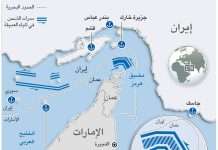
From this perspective, it appears that the war on Iran will not stop or be swiftly resolved before a shift in the Saudi position upon which it was built. Hence also comes the firm Israeli position against Turkish military deployment in Syria, alongside the failed war against the Houthi movement; where President Trump’s position became clear when he indicated that the US would not enter a war against the Houthis as long as they refrain from disrupting maritime transit routes in the Bab al-Mandab Strait.
Where, then, is the joint defense treaty with Pakistan and Turkey? What are its real-world effects while the Kingdom is subjected to bombardment and its oil exports face disruptions following Houthi strikes, which will only increase day after day if the position remains unchanged?
Here, the position of Prime Minister Netanyahu draws attention when he stated that Israel would come to Saudi Arabia’s aid in its war against the Houthis if requested publicly. This clearly illustrates where the core obstacle lies: Does Saudi Arabia want to permanently exit alliances with terrorism and extremism, entering clear and definitive regional solutions guaranteed by the United States with Israel as a partner in genuine peace and stability? Or will it retreat into old hesitation that reshuffles the deck?
Here is the IRGC resuming its parades in Tehran with 300,000 personnel in full view of the United States and Israel without fear, as if signaling: Despite everything that happened, I am still present and capable! Where is the great Sunni alliance that threatens confrontation? Or are the declarations from Erdogan and Pakistan merely posturing against the Prince who was said to possess a new vision and comprehensive strategy to transition the Kingdom out of narrow Wahhabi bounds into a free world that interacts and opens up to the region?
The Saudi Prince — who demonstrated political maturity and an understanding of regional affairs, and who was opposed by the old guard, the global left, and Islamists alike (led by Erdogan’s Turkey, which does not represent the Turkish people but governs them through dictatorship and absolute rule reminiscent of the Ottoman sultans) — finds himself bound by constraints imposed by internal opponents, driving him toward ill-considered actions that offer no benefit. Those who turned the world against him over the Khashoggi affair and attempted to isolate him globally will show no mercy today; rather, they will push him toward decisions that strip him of credibility and confine him within the logic of backward and fanatical religious reactionism. This threatens to erase every reform effort he attempted to introduce and every open-minded idea he sought to adopt, returning him to the cycle of backwardness that some seek to reimpose on societies belonging to Islam that aspire to break free from reactionist constraints.
These constraints bind society to concepts that the Prince once noted have no relation to Islam, as they rely on attributed sayings that frequently contradict clear Quranic teachings, aimed at locking people into what a few clerics and legislators dictate to serve reactionary rulers like Erdogan and his followers — remnants of Ottoman influences who planted and nurtured Brotherhood ideology in Egypt to serve as a blight on a once-developed, open monarchical Egypt. It was a curse brought back by Abdel Nasser and Al-Azhar graduates through backward ideas that influenced them and continue to be embedded within institutions and laws.
Although Egypt suffered under Brotherhood rule following Morsi and his group, it continues to suffer — especially after Hamas’s operation in Gaza — from the remnants of these ideas, struggling to rid itself of them. Now it proposes in Lebanon that Hezbollah’s weaponry remain intact under state supervision, as if accepting similar arrangements for militant groups in Sinai and others who poisoned thought within Egypt and abroad while fighting the military and security forces. Would the Egyptian President accept these groups retaining weapons ready for use whenever they choose, threatening Egyptian society anew and distracting the state with their agendas?
Arab nations following Islam have not yet accepted Lebanon as a state governed by Christians, even if for diversity’s sake; hence their refusal to close the open arena in its south. How then would they accept normalization with a Jewish state, even if governed by a Muslim? This backward mindset, which knows no openness and was unable to negotiate with its neighbors over seventy years, will not absorb a new and open Middle East, and will always seek to support backwardness, reactionism, and religious fanaticism.
Consequently, the young Saudi Prince will not be able to confront these forces except by publicly declaring his desire to end the state of hostility with Israel clearly and explicitly, advancing toward negotiations, normalization, and joining the Abraham Accords to free Muslims from hateful ideology, given his role as the Custodian of the Two Holy Mosques responsible for the future of relations between Muslims and other peoples.
Until then, the Ethiopians will continue pressing Egypt on the water file, the Houthis will persist in fighting Saudi Arabia, Erdogan and his ambitions will collapse as his economic success story falters, and wars among Muslims across differing sects and conflicting ideas will continue indefinitely. Will leaders understand, and will officials take heed? Will the Saudi Prince return to
his foundational policy of confronting extremism and fanatical thought, extending his hand to the United States and Israel, and leading the rest of the Arab world — starting from his own household — to follow the path of the United Arab Emirates in the far east and the Kingdom of Morocco in the far west?
The coming days are delicate and decisive. May God open eyes to see and minds to comprehend, that we may bring an end to evil and arrogance, return everyone to their true size, and understand the meaning of cooperation, mutual understanding, and openness — so that peace may prevail over this region instead of endless wars and conflict.
السيرة الذاتية للكولونيل شربل بركات
خبير عسكري، كاتب، شاعر، مؤرخ، ومعلق سياسي
*ضابط متقاعد من الجيش اللبناني
*متخرج من المدرسة الحربية ومجاز بالعلوم السياسية والادارية من الجامعة اللبنانية
*كلف كأحد الضباط لتنظيم الدفاع عن القرى الحدودية منذ 1976
*تسلم قيادة تجمعات الجنوب
*تسلم قيادة القطاع الغربي في جيش لبنان الحر وأصبح مساعدا للرائد سعد حداد ثم تسلم قيادة الجيش بالوكالة عندما مرض الرائد حداد واستمر بعد وفاته حتى مجيء اللواء أنطوان لحد فأصبح مساعده ثم قائدا للواء الغربي في جيش لبنان الجنوبي
*ترك العمل العسكري في 1988 وتسلم العلاقات الخارجية
*شهد أمام لجنة العلاقات الخارجية في مجلس الشيوخ الأميركي مرتين
*كاتب سياسي وباحث في التاريخ له الكثير من الكتب والمقالات السياسية التاريخية والانسانية
نشر كتابه الأول “مداميك” (1999) الذي يحكي عن المنطقة الحدودية ومعاناة أهلها، ترجم إلى العبرية ونشرته معاريف (2001) والانكليزية (2012) Madameek – Courses – A struggle for Peace in a zone of war موجود على Amazon Books
*نشر كتابه الثاني “الجنوب جرحنا وشفانا” الذي يشرح الأحداث التي جرت في المنطقة بين 1976 – 1986
*الكتاب الثالث “Our Heritage” كتاب بالانكليزية يلخص التراث اللبناني مع رسومات لزيادة الاستيعاب موجه للشباب المغترب
*كتابه السياسي الثالث “لبنان الذي نهوى” (2022) جاهز للطبع
*كتاب مجزرة عين إبل 1920 وهو بحث تاريخي عن المجزرة التي ساهمت في نشوء وتثبيت لبنان الكبير
*كتاب “المقالات السياسية 2005 – 2013” مئة ومقالة منشور على صفحته
*كتاب “الشرق الأوسط في المخاض العسير” مجموعة مقالات سياسية (2013 – 2025)
*كتاب “العودة إلى عين إبل” بحث تاريخي بشكل قصصي عن تاريخ المنطقة بين 1600 – 1900
*كتاب شعر عن المعاناة خلال الحرب الكبرى 1914 – 1918 من خلال قصيدة زجلية نقدية جاهز للطبع
*كتاب “تاريخ فناء صور الخلفي” بحث تاريخي عن المنطقة الجنوبية – قيد الانجاز
*كتاب المقالات الانسانية وكتاب عينبليات قيد الانجاز