Amb. Alberto M. Fernandez/MEMRI/25 Years Later: Al-Qaeda’s Weaker, Islamic Supremacists Alive And Kicking/السفير ألبرتو م. فرنانديز: تحليل: بعد 25 عاماً منظمة القاعدة أضعف، لكن دعاة التفوق الإسلامي ما زالوا أحياء وفاعلين
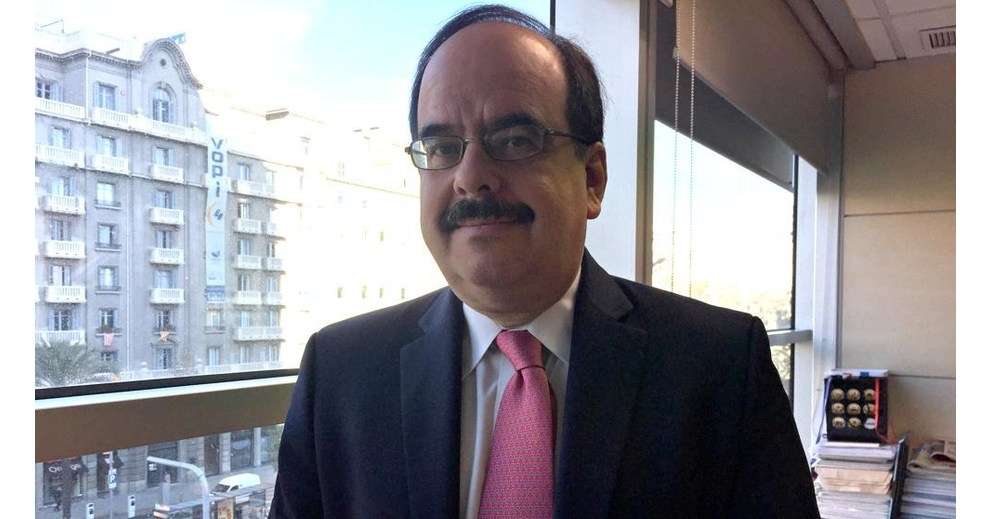
Ambassador Alberto M. Fernandez (PRNewsfoto/Broadcasting Board of Governors)
تحليل: بعد 25 عاماً منظمة القاعدة أضعف، لكن دعاة التفوق الإسلامي ما زالوا أحياء وفاعلين السفير ألبرتو م. فرنانديز/نقلاً عن موقع ميمري/08 أيلول 2026 (ترجمة من الإنكليزية بواسطة الذكاء الإصطناعي)
Analysis: 25 Years Later: Al-Qaeda’s Weaker, Islamic Supremacists Alive And Kicking Amb. Alberto M. Fernandez/MEMRI/September 08/21026
The terrorist attacks on September 11, 2001, were a close-run thing. Not so much because of the danger of disruption by the Americans but because much of Al-Qaeda’s Shura Council itself was uneasy about the plot. This was not due to any love of the Americans or squeamishness but because of strategic concerns (and because they did not want to abuse the hospitality of their Taliban hosts). Some Jihadist veterans did not like Bin Ladin’s vanity: “I think our brother has caught the disease of screens, flashes, fans, and applause” one hostile email from Abu Khalid Al-Suri and Abu Musab Al-Suri warned of Bin Ladin.
Today Al-Qaeda, as a leadership cadre has a much lower profile even while some Al-Qaeda branches, specifically in the African Sahel and in the Horn of Africa, are still powerful and growing. The rift between Al-Qaeda and its unruly, brutal offspring, the Islamic State (IS, or ISIS), has never healed and they sometimes fight each other. IS also has a much lower profile in terms of leaders than it used to, although it too is flourishing in its work in Africa, particularly in its specialty of slaughtering African Christians.
Westerners are still inspired by Jihadism, despite the seemingly diminished capacity of the groups’ leadership and the (relative) decrease in their propaganda. Only last month, 34-year-old American Jessica Bowie, a convert to Islam five years ago, was arrested for plotting an ISIS-inspired terrorist attack.[1] In 2025, 117 people were arrested in Spain on charges related to Islamist terrorism, the highest number from any of the EU states in 2025.[2] The Hamas attack on Israel of October 7, 2023, generated more enthusiasm, as far as activism is concerned, in the West than it did in the East, if for no other reason than there is greater freedom for such agitation in the West than there is in the police states of the Muslim world.[3] Youth radicalization, to a “salad bar” of varied radical options, is a global phenomenon.[4]
We forget, at our peril, that Al-Qaeda, unlike the Islamic State, was relatively flexible and pragmatic in its choice of allies and tactics. Al-Zawahiri privately criticized the beheading videos coming out of Iraq, believing that such things should be done off camera. In another letter, he warned against targeting religious minorities – Sikhs, Hindus, and Christians – in Pakistan. He saw both as distracting from the main lines of effort in confronting the United States and winning over the Muslim masses.
Despite eventually fighting and killing other Muslims, Al-Qaeda saw itself as part of a larger, political and ideological project.[5] The specific group and leader may rise or fall, but the larger project remains intact to this day. The revolutionary goal was the same, that Islam should be defended and that it should be, at least, dominant if not victorious.[6] Bin Ladin himself was especially interested in seeing the two greatest defeats of Islam, as he saw it, reversed in Palestine and Spain.[7] Abdullah Azzam said something similar.
If we look at the broad scope of Islamism worldwide, it is obvious that much has changed over the past quarter century. While there is a serious uptick in Jihadist violence in Africa, Salafi-Jihadism is weaker in the Arab world overall even though an Islamist militant group seized power in Syria in December 2024. If Islamism is making major political and societal strides anywhere right now, that would be in the West and it is not happening through terror – although Islamist terror still exists – but through migration and politics.[8]
Ayman Al-Zawahiri went from the ideological extremism of the Muslim Brotherhood to the regional violent extremism of Egyptian Islamic Jihad and then to the global scope of Al-Qaeda. Today, the equation is reversed as the Islamic “revolution” is demographic, mostly legal and local, in terms of numbers and percentages in the West that lead to greater power, including enhanced political power.[9] This is not to say that all or most Muslims in the West are Islamists, far from it. Most are, like most non-Muslims in the West, bystanders, largely passive participants in unfolding dramas driven by a focused and engaged political minority.
The broad goals of the violent revolutionaries of September 11th, 2001 and the activists of today do overlap in a type of modern Asabiyya or group feeling that seeks to promote and enlarge the power of Islam (as interpreted by the Islamists themselves) by whatever means necessary. Al-Zawahiri the Muslim Brother turned Jihadist may have felt that he had no other options in Egypt. In the West, you do have options, especially if temporarily, cynically, allied with the political left.[10]
It is deeply ironic that Islamic Supremacism (or Islamic Nationalism) advanced in the West mostly unchallenged over the past quarter century while liberal elites simultaneously demonized “Christian Nationalism” and, especially since October 7, Zionism (which is, after all, Jewish Nationalism).[11] Runaway immigration, especially Muslim immigration, has turbocharged the polar factionalism trending in the West which, coupled with economic crises and loss of faith in the legitimacy of the system, threatens to bring new levels of civil strife to Europe and North America.[12]
Bin Ladin wanted to bring about a type of global “Islamic Moment” and it has finally come about in ways he did not quite expect (although Islamists at the time boasted about how the 9/11 attacks had led to many conversions to Islam in the West).[13] We in the West are in a sort of twilight struggle for meaning that many of us also do not quite comprehend.[14] Only last month, the head of an influential Qatar-funded Muslim cleric organization made the connection: Without the Hamas attacks of October 7, Muslim political leaders like Mamdani in New York City and El-Sayed in Michigan would not have risen.[15] Terror led to political success. A non-Muslim making such an expansive claim would have been regarded, at best, as an ignorant alarmist.
Rather than being some sort of dated, retrograde backwater, the Middle East pathologies that reigned for decades, and among which political Islam grew and festered, have now been implanted or reconfigured in the West: identity politics, disinformation, antisemitism. 9/11 and subsequent events accelerated this process. This all happens right at the time that the West, and the world, are confronting other, unrelated existential crises: the birth dearth, the debt bomb, and the economic and social dislocation caused by new technologies including artificial intelligence. The fateful fuse lit by Al-Qaeda a quarter century ago has now joined a wider conflagration.[16] *Alberto M. Fernandez is Vice President of MEMRI. [1] Thehill.com/regulation/court-battles/6042548-woman-arrested-ny-state-capitol-bomb-plot, August 20, 2026. [2] Europeanconservative.com/articles/news/europol-islamist-terrorism-report-spain-france-youth-radicalization-antisemitism, July 23, 2026. [3] Insights.telosinstitute.net/p/free-palestine-moral-exhibitionism, October 9, 2025. [4] Thesoufancenter.org/intelbrief-2025-september-9, September 9, 2025. [5] Lahoud, Nelly “Beware of Imitators: Al-Qa’ida through the Lens of Its Confidential Secretary (Harmony Program, CTC at West Point, 4 June 2012 [6] Journals.lib.unb.ca/index.php/JCS/article/download/219/377?inline=1, Fall 2003. [7] Militantislammonitor.org/article/id/3558, August 4, 2008. [8] Zinebriboua.com/p/the-west-faces-two-islams, September 4, 2026. [10] Longbrief.com/florence-bergeaud-blackler-the-muslim-brotherhood-wants-to-make-our-society-sharia-compatible, May 14, 2024. [11] Ideas.tikvah.org/mosaic/essays/responses/old-new-anti-semitism, September 4, 2026. [12] Militarystrategymagazine.com/article/civil-war-comes-to-the-west, Summer 2023. [16] Statecraftandstrategy.com/the-new-counterterrorism-terrain/the-war-of-ideas-to-come, April 27, 2023.
تحليل: بعد 25 عاماً منظمة القاعدة أضعف، لكن دعاة التفوق الإسلامي ما زالوا أحياء وفاعلين السفير ألبرتو م. فرنانديز/نقلاً عن موقع ميمري/08 أيلول 2026 (ترجمة من الإنكليزية بواسطة الذكاء الإصطناعي)
كانت الهجمات الإرهابية في 11 أيلول/سبتمبر 2001 قاب قوسين أو أدنى من الفشل. ليس بسبب خطر إحباطها من قبل الأميركيين بقدر ما كان بسبب حالة القلق التي سادت داخل مجلس شورى تنظيم القاعدة نفسه تجاه الخطة. ولم يكن ذلك نابعاً من أي تعاطف مع الأميركيين أو شعور بالاشمئزاز من العملية، بل بسبب اعتبارات استراتيجية (وأيضاً لأنهم لم يرغبوا في إساءة استغلال ضيافة مضيفيهم من طالبان). بعض قدامى الجهاديين لم تعجبهم نزعة بن لادن إلى التباهي؛ فقد جاء في رسالة إلكترونية عدائية من أبو خالد السوري وأبو مصعب السوري تحذير من بن لادن جاء فيه: «أعتقد أن أخانا قد أصيب بمرض الشاشات والأضواء والمعجبين والتصفيق».
اليوم، يتمتع تنظيم القاعدة، بوصفه قيادة مركزية، بحضور أقل بكثير، رغم أن بعض فروعه، ولا سيما في منطقة الساحل الأفريقي والقرن الأفريقي، ما زالت قوية ومتنامية. أما الانقسام بين القاعدة ووليدها العنيف والمتمرد، تنظيم الدولة الإسلامية (داعش)، فلم يلتئم أبداً، بل إن الطرفين يتقاتلان أحياناً. كما أن داعش نفسه أصبح أقل بروزاً من حيث قياداته مقارنة بالماضي، رغم أنه يواصل التوسع في أفريقيا، ولا سيما في اختصاصه المتمثل بذبح المسيحيين الأفارقة.
ولا يزال الغربيون يتأثرون بالفكر الجهادي، رغم التراجع الظاهر في قدرة قيادات هذه الجماعات والتراجع النسبي في دعايتها. ففي الشهر الماضي فقط، تم اعتقال الأميركية جيسيكا بوي، البالغة من العمر 34 عاماً والتي اعتنقت الإسلام قبل خمس سنوات، بتهمة التخطيط لهجوم إرهابي مستوحى من داعش. وفي عام 2025، تم توقيف 117 شخصاً في إسبانيا بتهم تتعلق بالإرهاب الإسلامي، وهو أعلى عدد بين دول الاتحاد الأوروبي في ذلك العام. كما أن هجوم حماس على إسرائيل في 7 أكتوبر/تشرين الأول 2023 ولّد حماساً أكبر للنشاط السياسي في الغرب منه في الشرق، ولو لسبب واحد فقط هو أن حرية التحريض من هذا النوع متاحة في الغرب أكثر مما هي عليه في الدول البوليسية في العالم الإسلامي. أما تطرف الشباب، عبر ما يشبه «بوفيه مفتوح» من الخيارات الراديكالية المتنوعة، فقد أصبح ظاهرة عالمية.
ونحن ننسى، بما يعرضنا للخطر، أن تنظيم القاعدة، بخلاف داعش، كان مرناً وبراغماتياً نسبياً في اختيار حلفائه وتكتيكاته. فقد انتقد أيمن الظواهري، في رسائل خاصة، مقاطع الذبح التي خرجت من العراق، معتبراً أن مثل هذه الأمور يجب أن تُنفذ بعيداً عن الكاميرات. وفي رسالة أخرى، حذر من استهداف الأقليات الدينية في باكستان – السيخ والهندوس والمسيحيين – لأنه رأى أن ذلك يصرف الانتباه عن خط الجهد الرئيسي المتمثل في مواجهة الولايات المتحدة وكسب الجماهير المسلمة.
ورغم أن القاعدة انتهت إلى قتال وقتل مسلمين آخرين، فإنها كانت ترى نفسها جزءاً من مشروع سياسي وأيديولوجي أكبر. فقد ينهض تنظيم أو يسقط، وقد يبرز قائد أو يختفي، لكن المشروع الأكبر ما زال قائماً حتى اليوم. وكان الهدف الثوري واحداً: الدفاع عن الإسلام وضمان هيمنته، إن لم يكن انتصاره الكامل. وكان بن لادن مهتماً على نحو خاص برؤية ما اعتبره أعظم هزيمتين للإسلام يتم التراجع عنهما، في فلسطين وإسبانيا. وقد قال عبد الله عزام شيئاً مشابهاً.
وإذا نظرنا إلى المشهد الواسع للإسلاموية على مستوى العالم، يتضح أن الكثير قد تغير خلال ربع القرن الماضي. ففي حين شهدت أفريقيا تصاعداً خطيراً في العنف الجهادي، فإن السلفية الجهادية أضعف عموماً في العالم العربي، رغم استيلاء جماعة إسلامية مسلحة على السلطة في سوريا في ديسمبر/كانون الأول 2024. وإذا كانت الإسلاموية تحقق اليوم تقدماً سياسياً ومجتمعياً كبيراً في أي مكان، فإن ذلك يحدث في الغرب، وليس عبر الإرهاب – رغم استمرار وجود الإرهاب الإسلامي – بل من خلال الهجرة والسياسة.
لقد انتقل أيمن الظواهري من التطرف الأيديولوجي لجماعة الإخوان المسلمين إلى التطرف العنيف الإقليمي في تنظيم الجهاد الإسلامي المصري، ثم إلى الأفق العالمي لتنظيم القاعدة. أما اليوم فقد انقلبت المعادلة، إذ أصبحت «الثورة» الإسلامية ذات طابع ديموغرافي، وقانوني في معظمه، ومحلي، يقوم على زيادة الأعداد والنسب في الغرب بما يؤدي إلى تعزيز النفوذ، بما في ذلك النفوذ السياسي. ولا يعني ذلك أن جميع المسلمين أو حتى معظمهم في الغرب إسلاميون؛ فالأمر بعيد كل البعد عن ذلك. فمعظمهم، مثل معظم غير المسلمين في الغرب، مجرد متفرجين أو مشاركين سلبيين إلى حد كبير في أحداث تقودها أقلية سياسية منظمة وفاعلة.
إن الأهداف العامة للثوريين العنيفين في 11 سبتمبر 2001 والنشطاء الإسلاميين اليوم تتقاطع في نوع من العصبية الحديثة أو الشعور الجماعي الذي يسعى إلى تعزيز وتوسيع قوة الإسلام – كما يفسره الإسلاميون أنفسهم – بكل الوسائل الممكنة. وربما شعر الظواهري، الإخواني الذي تحول إلى جهادي، بأنه لم يكن يملك خيارات أخرى في مصر. أما في الغرب فهناك خيارات عديدة، خاصة إذا جرى التحالف مؤقتاً وبشكل انتهازي مع اليسار السياسي.
ومن المفارقات العميقة أن نزعة التفوق الإسلامي (أو القومية الإسلامية) تقدمت في الغرب طوال ربع القرن الماضي من دون مقاومة تذكر، في الوقت الذي كانت فيه النخب الليبرالية تهاجم «القومية المسيحية»، ولا سيما منذ 7 أكتوبر، الصهيونية أيضاً (التي هي في نهاية المطاف قومية يهودية). وقد أدت الهجرة غير المنضبطة، وخصوصاً الهجرة الإسلامية، إلى تسريع الانقسامات الفئوية الحادة في الغرب، وهو ما يهدد، إلى جانب الأزمات الاقتصادية وتراجع الثقة بشرعية الأنظمة القائمة، باندلاع مستويات جديدة من الاضطرابات الأهلية في أوروبا وأميركا الشمالية.
كان بن لادن يسعى إلى خلق ما يشبه «اللحظة الإسلامية» العالمية، وقد تحققت أخيراً بطرق لم يكن يتوقعها تماماً (مع أن الإسلاميين آنذاك تفاخروا بأن هجمات 11 سبتمبر أدت إلى اعتناق كثيرين الإسلام في الغرب). ونحن في الغرب نعيش نوعاً من الصراع الغامض على المعنى والهوية، وهو أمر لا يدركه كثيرون منا تمام الإدراك. ففي الشهر الماضي فقط، ربط رئيس منظمة مؤثرة لرجال دين مسلمين ممولة من قطر بين الأحداث بشكل مباشر، قائلاً إن قادة سياسيين مسلمين مثل ممداني في مدينة نيويورك وإل-سيد في ميشيغان ما كانوا ليصعدوا لولا هجمات حماس في 7 أكتوبر. لقد أدى الإرهاب إلى نجاح سياسي. ولو أن غير مسلم أدلى بمثل هذا الادعاء الواسع، لاعتُبر في أفضل الأحوال جاهلاً ومثيراً للذعر.
وبدلاً من أن تكون أمراض الشرق الأوسط السياسية والاجتماعية مجرد بقايا متخلفة من الماضي، فإن هذه الأمراض التي ازدهر في ظلها الإسلام السياسي لعقود قد انتقلت الآن إلى الغرب أو أُعيد تشكيلها فيه: سياسات الهوية، والتضليل الإعلامي، ومعاداة السامية. وقد ساهمت أحداث 11 سبتمبر وما تلاها في تسريع هذه العملية. ويحدث كل ذلك في وقت يواجه فيه الغرب والعالم أزمات وجودية أخرى لا علاقة مباشرة لها بهذا الملف، مثل انخفاض معدلات المواليد، وأزمة الديون المتفاقمة، والاضطرابات الاقتصادية والاجتماعية الناتجة عن التقنيات الجديدة، بما في ذلك الذكاء الاصطناعي. إن الفتيل الذي أشعله تنظيم القاعدة قبل ربع قرن قد أصبح اليوم جزءاً من حريق أوسع نطاقاً. ألبرتو م. فرنانديز هو نائب رئيس معهد ميمري (MEMRI).