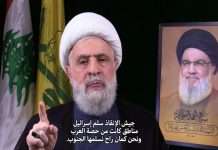
The newly adopted strategy of the Israeli army in its operations in Southern Lebanon reflects a clear tactical evolution.
Colonel Charbel Barakat/August 18/2026
الاستراتيجية المستحدثة للجيش الإسرائيلي في عملياته في الجنوب اللبناني
الكولونيل شربل بركات/18 آب/2026
يوم هدد الراحل السيد حسن نصر الله في 16 شباط 2016 بتفجير مستودعات الأمونيوم في حيفا وقتل وتهجير أكثر من 800 ألف من الإسرائيليين، لم ينم الإسرائيليون قبل أن يؤمنوا كيفية نقل هذه المواد وحفظها في أماكن لا تشكل خطراً على المدنيين. بينما كان التقرير الذي قُدم للسيد عن خطر هذه المواد المخزنة منذ 2013 في العنبر رقم 12 من مرفأ بيروت، والتي بلغت 2750 طناً من هذه المادة، يشكل خطراً حقيقياً على اللبنانيين، قيل له يومها إنها قادرة على تفجير بيروت بكاملها، ولكنه لم يفعل سوى تهديد الإسرائيليين. ولم يتنبّه لا هو ولا قيادة الجيش اللبناني وبقية الأجهزة المكلفة بأمن المواطنين إلى أن ما يقوله بالنسبة لحيفا قادرٌ أن يحصل في بيروت. وفي النهاية.. حصل.
نذكّر هنا بهذه الواقعة لنقول إنه يوم تكلّم السيد نتنياهو عن الخنادق التي تُحفر في جنوب لبنان، بدأ السيد حسن وربعه بالاستهزاء من نتنياهو وخوفه من عملية الحفر والخنادق، لدرجة أن يتندر في إحدى مقابلاته ويصف الهلع عند الإسرائيليين كلما سمعوا طرق “الشاكوش”.
صحيحٌ أن الإسرائيليين جديون عندما يتعلق الموضوع بحياة أبنائهم، إن في القرى القريبة من الحدود أو بين أفراد جيش الدفاع، وهم حريصون على كل نفس وكل إنسان يمكن أن يطاله أي أثر من قبل العدو، كائناً من كان هذا العدو. ولذا فهم يعتبرون أن الاحتراز واجب دوماً، والتخطيط لتجنّب الوقوع بالمحظور مهم، مهما كلف الأمر. ومن هنا رأينا كيف اتّخذ هؤلاء العِبَر من حرب 2006 ومن المواجهات التي جرت خلالها. ومن هنا أيضاً نعرف لماذا إطالة الوقت قبل الهجوم واحتلال المناطق هذه المرة. ولماذا كل هذا التدمير الذي يعتمدونه، والذي لا شك في أنه بالنسبة للمواطنين العزل، الذين لا ناقة لهم ولا جمل، مستهجن، لا بل مرفوض، فشقاء العمر كله ذهب بضربة واحدة. ولكن إذا ما عرفنا خطط الحزب وأسياده، وما قاموا به من حفر تحت بيوت الناس وفي الأماكن العامة، وتحت الكنائس والمساجد والمواقع الأثرية، وفي كل مكان دون تمييز، نعرف أن من واجب الإسرائيليين أخذ ذلك بعين الاعتبار وعدم التساهل. ومن هنا نفهم لماذا دُمّرت البيوت في دبل أو القوزح وغيرها، أو لماذا قُتل أبناء القليعة وعين إبل وعلما الشعب بينما سكان هذه البلدات لم يكونوا من المتعاونين مع الحزب.
كان الحزب قد خطط لمعركة طويلة ومضنية مع إسرائيل ليمنعها من دخول الأراضي اللبنانية بحسب قوله، وذلك بالتصدي لأي تقدم قد يجري باتجاه القرى والمدن. فالمعركة ستكون بين البيوت حيث يُستدرج العدو ليقع في كمائن محضّرة يخرج المقاتلون خلالها من خنادق تحت الأرض، قادرين على التخفي فيها لمدة طويلة، وقادرين على الانتقال بين المواقع بشكل آمن ومحمي، حيث لن تنقصهم الذخيرة ولا العتاد ولا التموين، فهم قد جهزوا اللازم لتلك المعركة منذ زمن طويل، وأمنيتهم أن يأتي العدو ليقاتلوه.
من هنا كان على الإسرائيليين تغيير الخطط؛ أولاً من حيث محاور التقدم، ومن ثم المناورة، أي التقدم والتراجع، لجس النبض والاستطلاع، وبالتالي إيهام العدو بالتقدم من محور ثم تغيير المسار. حتى بالنسبة لتطويق المواقع، فهم في كثير من الأحيان أبقوا على طرق للخروج والدخول قد يستعملها مقاتلو العدو لغاية في نفس يعقوب، ربما لاستدراج أعداد أكبر منهم، أو لكي يستطيعوا ترك المواقع بدون قتال. وما حدث في الخيام وبنت جبيل أمثلة واضحة على ذلك، سوف تُدرّس لاحقاً في المعاهد القتالية؛ لأن معركة دامت ستة أشهر لم يسقط فيها في الجانب الإسرائيلي سوى بضعة قتلى لا يتجاوز عددهم أصابع اليد، مع وجود هكذا تحضيرات وخنادق وكميات من الذخيرة والأسلحة والعناصر المدربة، هي مما يبهر بدون شك.
لقد سقطت المنطقة بشكل كامل في مهلة كان يمكن أن تكون ثلاثة أيام يصل خلالها الجيش إلى النبطية، ولكن ماذا بعد الدخول؟ كانت المواجهات، خلال التنقل أو خلال الانسحابات، أو حتى التقدم لمواقع جديدة، ستكون مكلفة جداً مع وجود كل هذه التحصينات والخنادق والأسلحة والذخائر وأعداد المقاتلين. ولكن معلومات الإسرائيليين كانت قادرة على اختراق قيادات العدو ومعرفة خططه، وبالتالي التصدي لها بالشكل الذي حصل. ومن هنا، فحتى الآن لا يعرف الحزب مثلاً عدد القتلى من عناصره أو الأسرى لدى العدو، ولم يستطع استعمال خطة الذئاب المنفردة التي تجهّز الكثيرون من عناصره لتنفيذها، ولم يقدر على الصمود في المواقع القيادية التي تحصّن فيها بكامل عتاده وعديده، ولم يستعمل الكثير من مخازنه التي قد يكون يحتفظ بها لملاحقة العدو أثناء انسحابه، وبالرغم من وجود ضباط من الحرس الثوري وعناصر من كافة أذرعه في هذه المواقع.
القرى المحصنة والخنادق التي تبدأ في بنت جبيل والخيام ولا تنتهي بمجدل زون أو زبقين، ولا بالطيبة أو بالقنطرة، ولا بوادي السلوقي أو زوطر الغربية، ولا بكفر تبنيت أو أرنون، وهي بالطبع لن يكون آخرها في النبي طاهر، ولو كان من المواقع القيادية المحصنة، فجبل الريحان كله، من سجد إلى جرجوع وجبل صافي وبركة جبور باتجاه مشغرة وسحمر ويحمر، كلها مجهزة ويجب تنظيفها، ولن يتقدم الإسرائيليون صوبها إلا بعد تنظيف ما يمكن، فهل سيعجز الحزب في النهاية عن تأمين كل هذه المواقع؟ وبالتالي يسلمها للدولة أو لإسرائيل؟
لقد دفع المواطنون الشيعة حتى اليوم ثمن كل فاتورة أُسلفت لهم خلال السنوات التي أغدقت خلالها إيران من المساعدات المجانية، وهي تعلم أن كل ذلك لا يغني عما سيدفعونه خلال المواجهات. وها هم اليوم لا يعرفون ماذا يقولون ولا كيفية التصرف. فمنهم من لا يزال يعتقد أن الحزب وأسياده سوف يعودون للسيطرة على البلد، ومنهم من يعتقد أنه خسر الرهان ولكنه لا يجرؤ بعد على المواجهة، فليس هناك من يحميه. ولكن الأهم أن الدولة التي من المفترض بها أن تكون حامية الجميع وتملك ما يكفي من بُعد النظر والعلاقات الكفيلة بتأمين رؤية واضحة لرسم المستقبل، لا تعرف حتى الآن ماذا تقول ولا كيف تتصرف، فكثيرون من قياداتها اعتادوا منذ الاحتلال السوري على الاكتفاء بمصالحهم الأنانية لكي لا يزعجوا المحتل، وهم يتصرفون مع جماعة الحزب كأنه احتلال إيراني لا يمكن الوقوف بوجهه، ومن هنا يستسهلون مسايرته، وحتى قبض المساعدات المالية من جماعته، حتى أصبح الكثير منهم على لوائح رواتب ومخصصات الحرس الثوري. فكيف بهم يعارضون أو يتصوّرون سقوطه أو مواجهته؟ ومن هنا تبدأ كارثة المواطنين في ما يسمى البيئة، لأن أبناءهم مأجورون والقيادات التي يجب أن توجّه هي نفسها مأجورة، ومن هنا المعضلة.
إسرائيل تقوم بتنفيذ خططها للدفاع عن شعبها وحدودها لفترة طويلة، ولبنان يرزح تحت ثقل العمالة بين قياداته ومواطنيه، ولا من يسأل عن كيفية التخلّص من هذا العبء. ومن هنا يبدو أن أكثر جماعة الحزب ومن يدور في فلكهم موضوعٌ ميؤوس منه، لا يمكن أن يتطور باتجاه الانتفاض على الواقع ومحاولة التغيير. فهل سيأتي التغيير بالقوة ومن الخارج، بفرض قيادة جديدة تسهم في خلاص لبنان من مأزقه، بمباركة الولايات المتحدة والتنسيق مع إسرائيل، بما يمكن لتجنب المزيد من الويلات؟ أم أن الاحتلال الفعلي للأرض والذي قد يترافق مع نوع من الإسكان اليهودي فيها سيكون الحل المؤقت أو الطويل الأمد لتجنب المزيد من الحرب على الجبهة الشمالية؟
نتمنى أن ينتفض اللبنانيون ويتوقفوا عن الأحلام ويبادروا لتخليص وطنهم من آفة الاحتلال الإيراني ومن زبانيته الطفيليين الذين يعيشون على الحقد وتلقي الأوامر والأموال ولا تهمهم مصلحة شعبهم أو مصيره. أملنا أن يقف الأهل ويستعيدوا المبادرة ليفهموا جيراننا الإسرائيليين أن لبنان لا يريد أكثر من السلام والتعاون عبر الحدود ولن يألو جهداً للتخلص من بقايا المرتزقة الذين دمّروا المستقبل وهدموا الحاضر ونشروا الذعر بين الناس. فهل من مجيب؟..
The newly adopted strategy of the Israeli army in its operations in Southern Lebanon reflects a clear tactical evolution.
Colonel Charbel Barakat/August 18/2026
On the day the late Sayyed Hassan Nasrallah threatened, on February 16, 2016, to blow up the ammonium nitrate depot in Haifa to kill and displace more than 800,000 Israelis, the Israelis did not sleep until they secured a way to transfer these materials and store them in places that posed no threat to civilians. Meanwhile, the report presented to the Sayyed regarding the danger of these materials—stored since 2013 in Hangar 12 at the Port of Beirut, amounting to 2,750 tons of this substance—represented a genuine danger to the Lebanese people. He was told at the time that it was capable of blowing up all of Beirut, yet he did nothing except threaten the Israelis. Neither he, nor the leadership of the Lebanese Army, nor the rest of the agencies tasked with citizen security realized that what he was saying about Haifa could actually happen in Beirut. And in the end… it happened.
We recall this incident here to point out that when Mr. Netanyahu spoke about the tunnels being dug in Southern Lebanon, Sayyed Hassan and his circle began mocking Netanyahu and his fear of the digging process and the tunnels—to the extent that he joked in one of his interviews, describing the panic among Israelis whenever they heard the sound of a “hammer.”
It is true that the Israelis are serious when it comes to the lives of their people, whether in villages near the border or among the personnel of the Defense Forces. They are protective of every human being who might be reached by any impact from the enemy, whoever that enemy may be. Therefore, they consider precaution to be a constant duty, and planning to avoid falling into peril essential, whatever the cost. From here, we saw how they drew lessons from the 2006 war and the engagements that took place during it. From here, too, we understand why they prolonged the time before attacking and occupying these areas this time around, and why they adopted all this destruction—which is undoubtedly deplored, if not rejected, by unarmed civilians who have no dog in this fight, as a lifetime of hard work vanished in a single strike. However, when we understand the plans of the Party and its masters, and what they did by digging beneath people’s homes, in public places, and under churches, mosques, and archaeological sites—everywhere without distinction—we understand that it was the duty of the Israelis to take that into account and show no leniency. From here, we comprehend why houses were destroyed in Debel, Al-Qawzah, and elsewhere, or why the people of Al-Qlaiaa, Ain Ebel, and Alma El-Chaeb were killed, even though the residents of these towns were not collaborators with the Party.
Hezbollah had planned for a long, grueling battle with Israel to prevent it from entering Lebanese territory, according to its own narrative, by confronting any advance toward the villages and cities. The battle was supposed to take place among the houses, where the enemy would be lured into prepared ambushes, out of which fighters would eemerge from underground tunnels—capable of remaining hidden for long periods and moving between positions safely and securely, lacking neither ammunition, gear, nor supplies, having prepared the necessary resources for this battle long ago, with their ultimate wish being that the enemy would come so they could fight them.
Hence, the Israelis had to change their plans:
· Tactical Maneuvering: First, in terms of advance axes, and then in maneuvering—that is, advancing and retreating to test the waters and conduct reconnaissance, thereby deceiving the enemy by feigning an advance from one axis before changing course.
· Controlled Encirclement: Even regarding the encirclement of positions, in many cases they left exit and entry routes open that enemy fighters might use for an ulterior motive—perhaps to draw in larger numbers of them, or so they could abandon positions without a fight.
· Intelligence Operations: What happened in Khiam and Bint Jbeil are clear examples of this that will later be taught in military academies; a battle lasting six months in which the Israeli side suffered only a few casualties that do not exceed the fingers of one hand—despite the existence of such preparations, tunnels, stockpiles of weapons and ammunition, and trained personnel—is undoubtedly astounding.
The area fell completely within a timeframe that could have been three days for the army to reach Nabatieh. But what comes after entry? Engagements during movement, withdrawals, or even advancing to new positions would have been extremely costly given all these fortifications, tunnels, weapons, ammunition, and numbers of fighters. However, Israeli intelligence was capable of penetrating the enemy’s leadership and knowing its plans, thereby countering them in the manner that occurred. Because of this, even now, the Party does not know, for instance, the number of its fallen members or those captured by the enemy. It was unable to deploy the “lone wolf” strategy that many of its members were prepared to execute; it could not hold out in the fortified command posts where it had entrenched itself with full gear and personnel; and it did not use many of its depots that it may have been keeping to pursue the enemy during a withdrawal, despite the presence of Revolutionary Guard officers and members of all its branches in these locations.
The fortified villages and tunnels that start in Bint Jbeil and Khiam and do not end in Majdal Zoun or Zibqine, nor in Al-Taybe or Al-Qantara, nor in Wadi Al-Salouqi or Zautar Al-Gharbiya, nor in Kfar Tibnit or Arnoun—and will certainly not end at Nabi Taher, even if it is among the fortified command posts—the entirety of Jabal Al-Rihan, from Sojod to Jargjou, Jabal Safi, and Brikat Jabbour toward Mashghara, Sohmor, and Yohmor, are all equipped and must be cleared. The Israelis will not advance toward them until what can be cleared has been cleared. Will the Party ultimately be unable to secure all these sites, and consequently hand them over to the state or to Israel?
To this day, Shiite citizens have paid the price for every bill advanced to them over the years during which Iran showered them with free aid, knowing full well that none of it compensates for what they would pay during confrontations. Today, they do not know what to say or how to act. Some still believe that the Party and its masters will return to control the country, while others believe they have lost the gamble but do not yet dare to confront it, as there is no one to protect them. But most importantly, the state—which is supposed to be the protector of all and
possess enough foresight and relations to ensure a clear vision for shaping the future—still does not know what to say or how to act. Many of its leaders have been accustomed since the Syrian occupation to focusing solely on their selfish interests so as not to disturb the occupier. They treat Hezbollah’s group as an Iranian occupation that cannot be stood up to; hence, they find it easy to humor it, and even accept financial aid from its circle, to the point that many of them have ended up on the payrolls and allowances of the Revolutionary Guard. How then could they oppose it, or imagine its fall or confrontation? From here begins the catastrophe of the citizens within the so-called “environment,” because their children are paid, and the leaders who ought to guide them are themselves paid—and herein lies the dilemma.
Israel is executing its plans to defend its people and borders for the long term, while Lebanon groans under the weight of treason among its leaders and citizens, with no one asking how to break free from this burden. From here, it appears that the majority of the Party’s group and those revolving in their orbit are a hopeless cause that cannot evolve toward revolting against reality and attempting change. Will change then come by force from the outside, by imposing a new leadership that contributes to saving Lebanon from its predicament—with the blessing of the United States and coordination with Israel, in a way that avoids further disasters? Or will the actual occupation of the land, which might be accompanied by a form of Jewish settlement in it, be the temporary or long-term solution to avoid further war on the northern front?
We hope that the Lebanese people will rise up, stop dreaming, and take the initiative to rid their homeland of the scourge of Iranian occupation and its parasitic henchmen who live on hatred, receiving orders and money without caring for their people’s interest or fate. Our hope is that our people will stand up and regain the initiative to make our Israeli neighbors understand that Lebanon wants nothing more than peace and cross-border cooperation, and will spare no effort to get rid of the remnants of mercenaries who destroyed the future, demolished the present, and spread terror among the people. Will anyone answer the call?
السيرة الذاتية للكولونيل شربل بركات
خبير عسكري، كاتب، شاعر، مؤرخ، ومعلق سياسي
*ضابط متقاعد من الجيش اللبناني
*متخرج من المدرسة الحربية ومجاز بالعلوم السياسية والادارية من الجامعة اللبنانية
*كلف كأحد الضباط لتنظيم الدفاع عن القرى الحدودية منذ 1976
*تسلم قيادة تجمعات الجنوب
*تسلم قيادة القطاع الغربي في جيش لبنان الحر وأصبح مساعدا للرائد سعد حداد ثم تسلم قيادة الجيش بالوكالة عندما مرض الرائد حداد واستمر بعد وفاته حتى مجيء اللواء أنطوان لحد فأصبح مساعده ثم قائدا للواء الغربي في جيش لبنان الجنوبي
*ترك العمل العسكري في 1988 وتسلم العلاقات الخارجية
*شهد أمام لجنة العلاقات الخارجية في مجلس الشيوخ الأميركي مرتين
*كاتب سياسي وباحث في التاريخ له الكثير من الكتب والمقالات السياسية التاريخية والانسانية
نشر كتابه الأول “مداميك” (1999) الذي يحكي عن المنطقة الحدودية ومعاناة أهلها، ترجم إلى العبرية ونشرته معاريف (2001) والانكليزية (2012) Madameek – Courses – A struggle for Peace in a zone of war موجود على Amazon Books
*نشر كتابه الثاني “الجنوب جرحنا وشفانا” الذي يشرح الأحداث التي جرت في المنطقة بين 1976 – 1986
*الكتاب الثالث “Our Heritage” كتاب بالانكليزية يلخص التراث اللبناني مع رسومات لزيادة الاستيعاب موجه للشباب المغترب
*كتابه السياسي الثالث “لبنان الذي نهوى” (2022) جاهز للطبع
*كتاب مجزرة عين إبل 1920 وهو بحث تاريخي عن المجزرة التي ساهمت في نشوء وتثبيت لبنان الكبير
*كتاب “المقالات السياسية 2005 – 2013” مئة ومقالة منشور على صفحته
*كتاب “الشرق الأوسط في المخاض العسير” مجموعة مقالات سياسية (2013 – 2025)
*كتاب “العودة إلى عين إبل” بحث تاريخي بشكل قصصي عن تاريخ المنطقة بين 1600 – 1900
*كتاب شعر عن المعاناة خلال الحرب الكبرى 1914 – 1918 من خلال قصيدة زجلية نقدية جاهز للطبع
*كتاب “تاريخ فناء صور الخلفي” بحث تاريخي عن المنطقة الجنوبية – قيد الانجاز
*كتاب المقالات الانسانية وكتاب عينبليات قيد الانجاز