Between Al-Sharaa’s Interview and Al-Shaibani’s Visit
Nadim Qoteish/Asas Media/July 6, 2026 (google translation from Arabic)
بين مقابلة الشرع وزيارة الشيباني
نديم قطيش/اساس ميديا/06 تموز/2026
ثمة مشهدان متزامنان يكشفان معاً ما لا يكشفه كلٌّ منهما منفرداً.
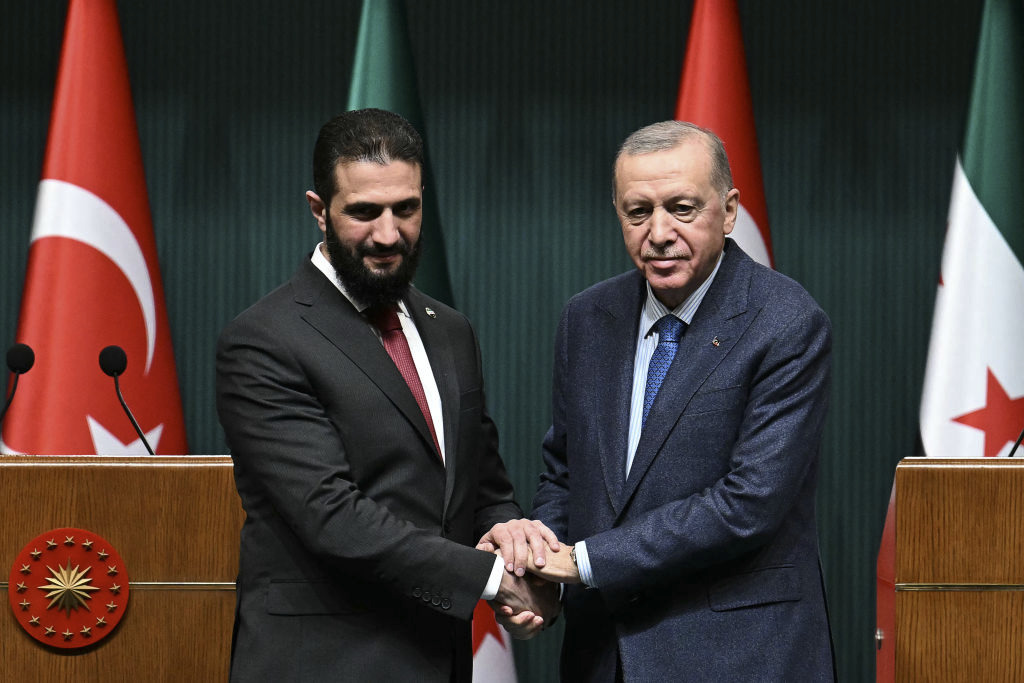
المشهد الأول هو الرئيس السوري أحمد الشرع في مقابلة تلفزيونية قرر أن يخصصها للعلاقات اللبنانية ـ السورية، وقال فيها، بلغة هادئة ومدروسة إن سوريا الجديدة لن تتدخل في لبنان، وإن دورها سيكون “من خلال المؤسسات اللبنانية والدولة اللبنانية”، وإن عهد الوصاية طُوي إلى غير رجعة. المشهد الثاني هو وزير خارجيته أسعد الشيباني في بيروت، يجول على رؤساء أحزاب ورؤساء طوائف، ويزور حواضر بعينها، متنقلاً على خريطة لبنان الطائفية والسياسية بطلاقة من يحفظ مفردات القاموس القديم للعلاقات بين البلدين.
بين المشهدين مسافة لا يمكن تجاهلها.
حاجة سوريا ولبنان إلى بعضهما البعض
الجديد الأبرز في خطاب الشرع هو قطيعته الواضحة مع منطق الوصاية. حين رفض التدخل العسكري في لبنان رغم وجود غطاء أميركي صريح أتاحه تصريح الرئيس دونالد ترامب. قال الشرع إن سوريا الجديدة لا تسعى إلى استعادة أدوار الماضي بأثواب جديدة. لهذا الموقف ثقله السياسي الاستثنائي بصرف النظر عن الظروف الموضوعية لقدرات سوريا الراهنة التي لا تسمح موضوعياً بمثل هذا التدخل. الجديد الثاني هو رؤيته الاقتصادية للعلاقة بين البلدين، فحين قال إن بيروت هي الواجهة البحرية لدمشق وطرابلس هي الواجهة البحرية لحمص، كان الشرع يعيد تأطير العلاقة مع لبنان من زاوية الشراكة والتكامل الاقتصادي لا من زاوية النفوذ السياسي والهيمنة الأمنية والعسكرية. فسوريا التي تتموضع اليوم كعقدة ربط استراتيجية بين الشرق والغرب تحتاج منافذ لبنان البحرية، ولبنان الذي يبحث عن إعادة إنتاج دور اقتصادي يحتاج إلى العمق السوري. الجديد الثالث هو براغماتيته في ملف “الحزب” والعلاقة بالطائفة الشيعية. إعلانه الاستعداد للجلوس مع الحزب إذا خدم ذلك لبنان، مع إدانته الواضحة لتدخل الحزب في سوريا، يعكس تفكيراً سياسياً ناضجاً ومسؤولاً يفصل بين محاسبة التاريخ وإدارة الحاضر.
القديم اللبناني نحو سوريا الجديدة
في المقابل تحمل زيارة وزير الخارجية السوري أسعد الشيباني، في الشكل المبالغ فيه، ملامح من السلوك السوري القديم تجاه لبنان، وتكشف عن فجوة يصعب القفز فوقها. الشرع قال في مقابلته إن الدور السوري في لبنان يجب أن يكون “من خلال المؤسسات اللبنانية والدولة اللبنانية”، لكن الشيباني جال في يوم واحد على رئيس الجمهورية ورئيس الحكومة ورئيس مجلس النواب والمفتي والبطريرك الماروني وقادة احزاب، قبل أن يختتم لقاءاته بزيارة شعبية حاشدة إلى طرابلس. تتجاوز خارطة الزيارة البروتوكول الدبلوماسي وترسم شبكة نفوذ كاملة مع الزعيم والشيخ والمدينة والطائفة. هنا تقتضي الأمانة القول إن الشيباني لم يأتِ من فراغ، بل جاء بدعوة من لبنان الذي يطالب بأن يُعامَل كدولة ذات سيادة، ثم يبادر هو نفسه إلى فتح أبوابه الطائفية والحزبية للضيف الدمشقي. الزيارة بهذا المعنى ليست تناقضاً سورياً فقط، بل هي الحقيقة الأعمق والأكثر إزعاجاً ومفادها أن لبنان كان طرفاً فاعلاً في إنتاج تفاصيلها، مكرراً بذلك عادة قديمة متجذرة: استجلاب الخارج لحل تناقضات الداخل.
الشيباني لم يأتِ إلى بيروت لأن دمشق قررت التمدد. جاء لأن أبواباً لبنانية فُتحت له، ولأن أصواتاً لبنانية رحّبت بإتساع رقعة زيارته، ولأن مدناً بعينها أرادت أن تقول لدمشق “نحن هنا، ونحن معكم”. لكن ثمة من رأى فيها تخويفاً ضرورياً للـ “الحزب” لا بد منه ولا حرج يترتب عليه.
لبنان بسلطات ومناطق نفوذ كثيرة
لو أن المؤسسات اللبنانية كانت تعمل بكامل طاقتها، ولو أن الدولة اللبنانية كانت تمتلك سلطة مركزية فعلية، لكانت الزيارة عبر البروتوكول مختلفة تماماً: وزير خارجية يلتقي وزير خارجية، ورئيس حكومة يلتقي رئيس حكومة، ومؤسسة تتحدث إلى مؤسسة. لكن لبنان ليس كذلك. لبنان دولة تتوزع سلطتها الفعلية على زعماء طوائف وأمراء أحزاب ومناطق نفوذ. ومن يريد أن يبني علاقة مع لبنان الحقيقي لا لبنان الرسمي الهشّ، يجد نفسه مضطراً إلى سلوك الشيباني لا إلى بروتوكول الشرع.
السؤال الكامل هو: هل قرر اللبنانيون أن يتوقفوا عن تعبيد الطرق أمام شهوات الوصاية الكامنة في كل علاقة سورية مع لبنان؟
هذا السؤال لا يُجيب عنه الشرع ولا الشيباني. يُجيب عنه اللبنانيون وحدهم، في لحظة يقررون فيها أن يبنوا دولة لا تحتاج إلى ملء فراغها من الخارج. يبدو تلك اللحظة لم تأتِ بعد. وحتى تأتي، ستظل الوصاية تُستدعى، وتجد باباً مفتوحاً، بصرف النظر عمّن يجلس في قصر المهاجرين ومن يحمل حقيبة الخارجية السورية.
Between Al-Sharaa’s Interview and Al-Shaibani’s Visit
Nadim Qoteish/Asas Media/July 6, 2026 (google translation from Arabic)
Two simultaneous scenes reveal together what neither can reveal individually.
The first scene is Syrian President Ahmed Al-Sharaa in a televised interview he chose to dedicate to Lebanese-Syrian relations. In it, he stated, in calm and measured terms, that the new Syria would not interfere in Lebanon, that its role would be “through Lebanese institutions and the Lebanese state,” and that the era of tutelage was over for good. The second scene is his Foreign Minister, Asaad Al-Shaibani, in Beirut, meeting with party leaders and heads of religious communities, visiting specific cities, and navigating Lebanon’s sectarian and political landscape with the fluency of someone who knows the old lexicon of relations between the two countries.
Between the two scenes lies a distance that cannot be ignored.
The Need for Syria and Lebanon
The most prominent new element in Al-Sharaa’s discourse is his clear break with the logic of tutelage. He rejected military intervention in Lebanon despite the explicit American cover provided by President Donald Trump’s statement. Al-Sharaa stated that the new Syria does not seek to revive past roles under new guises. This position carries exceptional political weight, regardless of the objective circumstances of Syria’s current capabilities, which objectively preclude such intervention. The second novel aspect is his economic vision for the relationship between the two countries. When he said that Beirut is Damascus’s seafront and Tripoli is Homs’s seafront, al-Sharaa was reframing the relationship with Lebanon from the perspective of partnership and economic integration, not from the perspective of political influence and security and military dominance. Syria, which is now positioned as a strategic link between East and West, needs Lebanon’s sea access, and Lebanon, which seeks to revive its economic role, needs Syria’s strategic depth. The third novel aspect is his pragmatism regarding Hezbollah and the relationship with the Shiite community. His declaration of willingness to engage with Hezbollah if it serves Lebanon’s interests, while clearly condemning the party’s intervention in Syria, reflects a mature and responsible political thinking that distinguishes between holding the party accountable for past actions and managing the present.
Lebanon’s Old Approach to the New Syria
In contrast, the visit of Syrian Foreign Minister Asaad al-Shaibani, in its exaggerated form, bears traces of Syria’s old behavior toward Lebanon and reveals a chasm that is difficult to bridge. Al-Sharaa stated in his interview that the Syrian role in Lebanon should be “through Lebanese institutions and the Lebanese state,” yet al-Shaibani met in a single day with the President, the Prime Minister, the Speaker of Parliament, the Grand Mufti, the Maronite Patriarch, and party leaders, before concluding his meetings with a massive public visit to Tripoli. The itinerary of the visit transcends diplomatic protocol and establishes a complete network of influence with the leader, the sheikh, the city, and the sect. It is only fair to say that al-Shaibani did not come in a vacuum, but rather at the invitation of Lebanon, which demands to be treated as a sovereign state, and then proceeds to open its sectarian and partisan doors to the Damascus guest. In this sense, the visit is not merely a Syrian contradiction, but a deeper and more disturbing truth: that Lebanon was an active participant in shaping its details, thus repeating an old, deeply rooted habit: inviting foreign intervention to resolve internal conflicts. Al-Shaybani didn’t come to Beirut because Damascus decided to expand its influence. He came because Lebanese doors were opened to him, because Lebanese voices welcomed the broadening scope of his visit, and because certain cities wanted to tell Damascus, “We are here, and we are with you.” But some saw it as a necessary and unavoidable intimidation tactic against Hezbollah.
Lebanon with its many authorities and spheres of influence: If Lebanese institutions were functioning at full capacity, and if the Lebanese state possessed genuine central authority, the visit, conducted through protocol, would have been entirely different: a foreign minister meeting a foreign minister, a prime minister meeting a prime minister, one institution speaking to another. But Lebanon is not like that. Lebanon is a state where actual power is distributed among sectarian leaders, party chiefs, and spheres of influence. Anyone who wants to build a relationship with the real Lebanon, not the fragile official Lebanon, finds themselves compelled to adopt al-Shaybani’s approach, not the protocol of legitimacy.
The fundamental question is: Have the Lebanese decided to stop paving the way for the latent ambitions of tutelage inherent in every Syrian relationship with Lebanon? This question cannot be answered by Sharia law or by al-Shaybani. Only the Lebanese themselves can answer it, at the moment they decide to build a state that does not need external intervention to fill its void. That moment, it seems, has not yet arrived. Until it does, foreign tutelage will continue to be invoked and will find an open door, regardless of who sits in the Presidential Palace or who holds the Syrian Foreign Ministry portfolio.