The Jihadists of Political Islam, Both Sunni and Shiite, Are Dragging the Middle East Back to the Stone Age
Elias Bejjani/June 26/2026
الجهاديون من الإسلام السياسي السني والشيعي يعيدون الشرق الأوسط إلى العصور الحجرية
إلياس بجاني/26 حزيران/2026
إن الكارثة التي يتسبب بها المتطرفون —المتخلفون فكرياً وحضارياً من حاملي رايات التكفير والأصولية— تمثّل ممارسة علنية لثقافة الموت والبربرية. فالإنسان في قاموس هؤلاء مخلوق مجرد من أي ميزة تفصله عن باقي الكائنات، وهو في ثقافتهم بلا قيمة، ولا كرامة، ولا حرية، ولا حقوق. واليوم، تعيث الجماعات التكفيرية والأصولية فساداً وقتلاً وتدميراً وتهجيراً في العراق، وسوريا، ولبنان، وغزة، ومصر، فضلاً عن بعض الدول الأفريقية، مرتكبةً أبشع المجازر بحق الإنسانية.
إن تهجير المسيحيين من الدول العربية والإسلامية هو عمل بربري بامتياز، وإجرام كامل الأوصاف يتجرد من كل قيم الأخلاق، والحضارة، والإيمان، ومخافة الله. هذه الجماعات ليست سوى أدوات للقتل، وهي أبعد ما تكون عن الفطرة الإنسانية بعد أن انسلخت من آدميتها. وتُعد المأساة الأبرز التي شهدها الشرق الأوسط خلال العقود الأخيرة هي الانهيار المتسارع للوجود المسيحي التاريخي؛ فمن العراق إلى سوريا، ومن مصر إلى غزة، وصولاً إلى السودان ونيجيريا وتركيا ولبنان، يتراجع الحضور المسيحي بصورة مأساوية تحت وطأة العنف الديني، والتطرف، وصعود حركات الإسلام السياسي بمختلف تجلياتها الجهادية. لقد شكّل الإسلام السياسي، بمدرستيه السنية والشيعية، بيئة معادية للتعددية الدينية والثقافية. فبينما رفعت الجماعات التكفيرية السنية رايات الجهاد والقتل والتطهير الديني، مارست جماعات شيعية مسلحة نهجاً طائفياً وهيمنة لا تقل خطورة في العديد من الساحات العربية، مما أدى في النهاية إلى تهجير الملايين، وتدمير المجتمعات التاريخية، وتقويض أسس العيش المشترك.
في العراق: تعرض المسيحيون لأكبر عملية اقتلاع في تاريخهم الحديث، حيث فرغت مدن وقرى عريقة في الموصل وسهل نينوى من سكانها إثر حملات الإرهاب التي قادتها التنظيمات الجهادية، وصودرت الممتلكات، وأُحرقت الكنائس، وخُيِّرت العائلات بين النزوح أو الموت.
في سوريا: دفعت الحرب وصعود التنظيمات المتشددة أعداداً هائلة من المسيحيين إلى الهجرة، بعد أن تعرضت بلداتهم التاريخية للهجمات والخطف والابتزاز، وتحول الفكر التكفيري إلى قوة مدمرة لكل مظاهر التعددية والانفتاح.
في مصر: عاش الأقباط لعقود تحت تهديد الاعتداءات الطائفية والهجمات الإرهابية التي استهدفت الكنائس والمصلين ورجال الدين. ورغم الجهود الأمنية والرسمية، لا تزال المخاوف قائمة من الفكر المتطرف الذي يرى في المسيحي مواطناً من درجة أدنى.
في غزة: تقلص الوجود المسيحي دراماتيكياً جراء وقوعهم بين مطرقة العنف والحروب وسيطرة الحركات الإسلامية، مما دفع الأغلبية الساحقة منهم إلى الهجرة بحثاً عن الأمان.
في تركيا: تراجع الوجود المسيحي (من أرمن ويونانيين وسريان) إلى نسبة ضئيلة جداً بعد قرن من الاضطرابات، والتهجير، والتغيير الديموغرافي العميق.
في أفريقيا (السودان ونيجيريا): ساهمت عقود الأسلمة السياسية في تمزيق السودان وإضعاف وجوده المسيحي، بينما تستمر الجماعات الجهادية في نيجيريا باستهداف القرى والكنائس لزرع الرعب.
إن هذه الكارثة لا تقتصر على الشرق الأوسط وأفريقيا؛ إذ يرى العديد من نقاد الإسلام السياسي أن بعض الحركات في الغرب تسعى لنقل هذه الصراعات إلى المجتمعات الغربية عبر فرض معايير اجتماعية وثقافية مستمدة من الشريعة على مجتمعات تقوم أساساً على العلمانية، والديمقراطية، والحريات الفردية. والخطر هنا لا يكمن في المسلمين كأفراد ومواطنين، بل في الأيديولوجيات السياسية التي تضع الولاء العقائدي فوق قيم المواطنة والاندماج. بناءً على ذلك، فإن الدفاع عن المسيحيين والأقليات المضطهدة ليس قضية دينية فئوية، بل هي قضية إنسانية وحضارية؛ فالمجتمعات التي يُطرد منها التنوع وتُقمع فيها الحريات هي مجتمعات تسير حتماً نحو الاستبداد والانهيار. ولن ينهض الشرق الأوسط ما دام أسيراً لثقافة التكفير، ولا مستقبل للاستقرار إلا بقيام دول مدنية تحترم الإنسان وتضع القانون فوق الأيديولوجيا.
واقع المسيحيين في وطن الأرز
في لبنان، تشير الحقائق إلى أن المسيحيين يواجهون خطراً وجودياً متدرجاً لم يعد يقتصر على الهجرة وتراجع الأعداد، بل بات يهدد الأرض، والهوية، والدور السياسي. فخلال العقود الماضية، تصاعدت عمليات تغيير ديموغرافي واسعة النطاق عبر انتقال الملكيات العقارية —بالتسلّط، والترهيب، أو بالإغراءات المالية— في مناطق ذات أكثرية مسيحية لصالح جهات مرتبطة بالنفوذ السياسي والعسكري للثنائي الشيعي (حركة أمل وحزب الله). وفي هذا السياق، فإن ما يُعرف اليوم بالضاحية الجنوبية لبيروت كانت تضم تاريخياً مساحات واسعة وبلدات ذات طابع مسيحي قبل أن تؤدي الحروب، والنزوح، والضغوط السياسية والاقتصادية إلى تبدل بنتيها السكانية. واليوم، تتكرر التحذيرات من عمليات شراء مكثفة ووضع يد على عقارات في مناطق من كسروان، وجبيل، والبقاع، والجنوب، وجبل لبنان ضمن مخطط بعيد المدى لتوسيع مناطق نفوذ الثنائي الشيعي. إن وجود حزب الله كقوة عسكرية وأمنية موازية للدولة —بل ومصادرة لقرارها— خلق واقعاً غير متوازن، جعل العديد من المسيحيين واللبنانيين عاجزين عن مواجهة التمدد العقاري والأمني الذي يمارسه المحور الإيراني في حين أن استمرار هذا المسار يهدد التعددية اللبنانية التاريخية ويقوض الشراكة الوطنية التي قام عليها لبنان الكبير منذ تأسيسه.
في الخلاصة: إن حماية الوجود المسيحي في لبنان لا تتحقق بالشعارات والذمية والتعامي عن مجريات الوقائع المخيفة والإرهابية التي يمارسها القادة المسيحيين السياسيين ورعاة كنائسهم من رجال الدين، بل عبر فرض سيادة الدولة الكاملة على أراضيها، وحصر السلاح بيد المؤسسات الشرعية، ومنع أي تغيير ديموغرافي مقنّع يفرض بقوة النفوذ واختلال موازين القوى، صوناً لحق جميع اللبنانيين في البقاء بأرضهم والحفاظ على هويتهم التاريخية.
**الكاتب ناشط لبناني اغترابي
رابط موقع الكاتب الألكتروني
https://eliasbejjaninews.com
*عنوان الكاتب الألكتروني
phoenicia@hotmail.com
The Jihadists of Political Islam, Both Sunni and Shiite, Are Dragging the Middle East Back to the Stone Age
Elias Bejjani/June 26/2026
The catastrophe caused by those who are intellectually and culturally backward—the flag-bearers of Takfirism (excommunication) and fundamentalism—represents an overt practice of the culture of death and barbarism. In their dictionary, a human being is a creature stripped of any distinction that separates them from non-human entities. In their culture, human life carries no value, no dignity, no freedom, no sanctity, and no rights. Today, Takfiri and fundamentalist groups spread corruption, murder, destruction, and displacement across Iraq, Syria, Lebanon, Gaza, and Egypt, as well as several African nations, committing the most heinous massacres against humanity.
The forced displacement of Christians from Arab and Islamic countries is an inherently barbaric act. It is a fully-fledged crime entirely devoid of ethics, civilization, faith, and the fear of God. These groups are nothing more than instruments of slaughter, completely detached from human nature after stripping themselves of their own humanity.
One of the most profound tragedies witnessed by the Middle East in recent decades is the accelerating collapse of the historic Christian presence. From Iraq to Syria, Egypt to Gaza, and onward to Sudan, Nigeria, Turkey, and Lebanon, the Christian presence is tragically receding under the weight of religious violence, extremism, and the rise of Political Islam in its various jihadist manifestations.
Political Islam, in both its Sunni and Shiite schools, has fostered a hostile environment for religious and cultural pluralism. While Sunni Takfiri groups raised the banners of jihad, slaughter, and religious cleansing, armed Shiite factions practiced an equally dangerous sectarian approach and dominance across multiple Arab arenas. The ultimate result has been the displacement of millions, the destruction of historical communities, and the undermining of the foundations of coexistence.
In Iraq: Christians faced one of the largest uprooting operations in their modern history. Ancient towns and villages in Mosul and the Nineveh Plains were emptied of their inhabitants following terror campaigns led by jihadist organizations. Properties were confiscated, churches were torched, and families were forced to choose between displacement or death.
In Syria: The war and the rise of extremist Islamic factions drove massive numbers of Christians to emigrate. Historic Christian towns faced attacks, kidnappings, and extortion, as the Takfiri ideology transformed into a destructive force against all forms of pluralism and openness.
In Egypt: For decades, Copts have lived under the threat of sectarian assaults and terrorist attacks targeting churches, worshippers, and clergy. Despite official and security efforts, fears persist regarding an extremist ideology that views Christians as second-class citizens.
In Gaza: The Christian presence has shrunk dramatically due to being caught between the hammer of violence and wars, Islamist control, and ongoing conflict, forcing the vast majority to emigrate in search of safety.
In Turkey: The Christian presence (comprising Armenians, Greeks, and Syriacs) has dwindled to a tiny fraction of the population after a century of upheavals, displacement, and profound demographic shifts.
In Africa (Sudan and Nigeria): Decades of political Islamization contributed to tearing Sudan apart and weakening its Christian presence. Meanwhile, armed jihadist groups in Nigeria continue to attack villages and churches to sow terror across vast regions.
This catastrophe is not confined to the Middle East and Africa. Many critics of Political Islam argue that certain Islamist movements in the West seek to export these conflicts to Western societies by demanding special religious privileges or seeking to impose social and cultural norms derived from Islamic Sharia onto societies fundamentally built on secularism, democracy, and individual liberties. The danger here lies not in Muslims as individuals and citizens, but in the political ideologies that prioritize ideological allegiance over the values of citizenship and integration.
Consequently, defending persecuted Christians and minorities is not a sectarian religious issue; it is a human, cultural, and moral cause. Societies from which diversity is expelled and where religious freedoms are suppressed are societies inevitably marching toward tyranny and collapse. The Middle East will not rise as long as it remains captive to the culture of Takfirism, sectarianism, jihad, and fundamentalism. There is no future for stability except through the establishment of civil states that respect human beings, safeguard freedoms, and place the law above all religious ideologies.
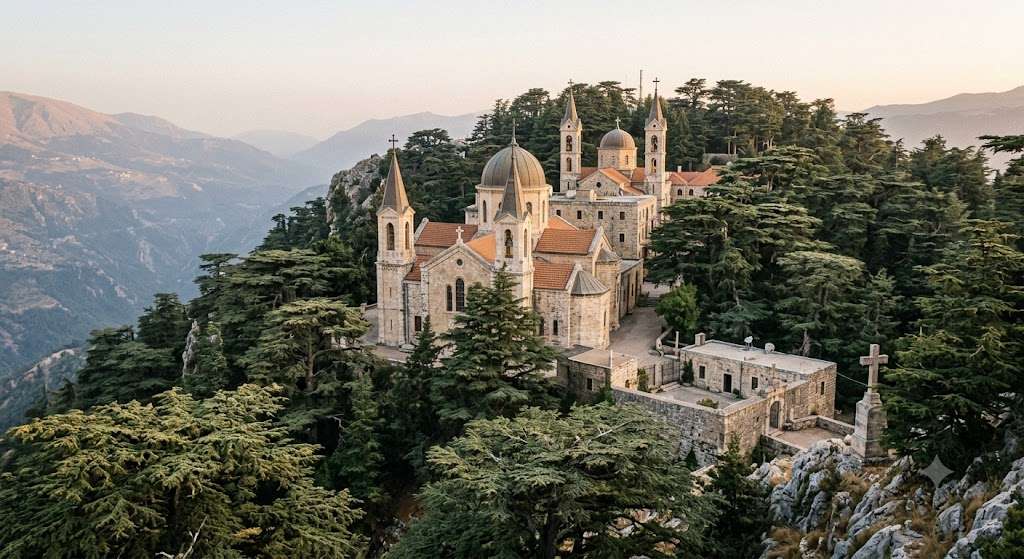
The Reality of Christians in the “Land of the Cedars”
In Lebanon, facts indicate that Christians face a gradual existential threat that is no longer limited to emigration and declining numbers, but now directly endangers their land, identity, and political role. Over the past decades, large-scale demographic changes have escalated through the transfer of real estate ownership—by coercion, intimidation, or financial inducements—in predominantly Christian areas to entities linked to the political, financial, and military influence of the Shiite Duo (Amal Movement and Hezbollah).
In this context, the area known today as the Southern Suburbs of Beirut historically encompassed vast expanses and towns of a distinctly Christian character before wars, displacement, and security, political, and economic pressures led to a massive shift in its demographic fabric. Today, warnings are repeatedly raised regarding intensive purchasing operations and the expropriation of properties and real estate in regions across Keserwan, Jbeil, the Beqaa, the South, and Mount Lebanon, as part of a long-term demographic plan aimed at expanding the spheres of influence belonging to the Shiite Duo.
The existence of Hezbollah as a military and security force parallel to the state—and indeed, one that hijacks its decision-making—has created an imbalanced reality. This has left many Christians and other Lebanese powerless to confront the real estate, security, and political expansion practiced by the Iranian axis. The continuation of this trajectory threatens historic Lebanese pluralism and undermines the national partnership upon which Greater Lebanon was founded since its inception.
In conclusion: Protecting the Christian presence in Lebanon cannot be achieved through slogans, dhimmitude (subservience), and turning a blind eye to the frightening and terrorizing realities practiced by Christian political leaders and the clerical shepherds of their churches. Instead, it requires enforcing the state’s full sovereignty over all Lebanese territory, restricting weapons exclusively to legitimate state institutions, and preventing any disguised demographic changes imposed by force of influence or skewed power balances. This is vital to safeguarding the right of all Lebanese to remain in their land and preserve their historical identity and heritage.