The Story of the Crosses on the Peaks of Lebanon’s Mountains!
George Hayek/June 23, 2026 (Translated from Arabic by Google)
قصة الصلبان على قمم جبال لبنان!
جورج حايك/23 حزيران/2026
بين الصليب وقمم الجبال اللبنانية قصة عشقٍ قديمة، حتى يكاد مشهد الجبل من دون صليب يبدو ناقصاً في الوجدان اللبناني. وليس ذلك من باب الصدفة، بل هو ثمرة تاريخ طويل من الإيمان المتجذّر في هذه الأرض.
تعود العلاقة بين الصلبان والمرتفعات إلى القرون المسيحية الأولى، وتحديداً إلى زمن القديس مار سمعان العمودي الكبير، تلميذ القديس مار مارون، حين كانت قرى شمال لبنان وجبّته تعاني هجمات الوحوش المفترسة التي كانت تزرع الخوف في نفوس السكان وتهدّد أرزاقهم وحياتهم.
وكان همّ الفلاحين الأول حماية أرضهم وحقولهم ومواشيهم. وبعد أن عمّد القديس مار سمعان أهالي تلك القرى، طلب منهم أن ينقشوا سبعة صلبان في الصخر حول حدود كل قرية وعلى القمم المحيطة بها. فأُقيمت الصلبان كعلامة إيمانية ورمز للحماية الإلهية، وتباركت المنطقة حتى انحسرت عنها هجمات الوحوش، بحسب ما توارثته الأجيال في الذاكرة الشعبية.
وليس سراً أن هذه الصلبان لا تزال مغروسة في الأرض حتى اليوم، وخصوصاً على قمم الجبال الشمالية، شاهدة على عمق الإيمان المسيحي والتجذّر في هذه الربوع. وهي الصلبان السبعة التي تنتصب في حصرون، وبشري، وإهدن، وأيطو، وحدث الجبّة، والعاقورة، واللقلوق.
ولا يزال أبناء بعض هذه المناطق يردّدون حتى يومنا هذا عبارات الحماية الشعبية، مثل: «باسم السبع صلبان»، طلباً للبركة ودفعاً للشرور والمخاطر. كما تنتشر كنائس ومزارات أثرية مكرّسة لمار سمعان العمودي، أبرزها دير مار سمعان العمودي في أيطو، وكنيسة العاقورة، ومحبسة في بقرقاشا.
لكن الصلبان لم تبقَ محصورة في تلك المواقع التاريخية، بل راحت تنتشر على قمم جبلية أخرى في مختلف أنحاء لبنان، لتتحوّل إلى منارات إيمان تلامس السماء وتُرى من مسافات بعيدة.
ومن أبرز هذه الصلبان:
• صليب كل الشعوب – قناة باكيش: يُعدّ من أشهر المعالم الدينية في لبنان، ويقع في جرود بسكنتا. يبلغ ارتفاعه نحو 74 متراً، ويتربّع على قمة جبلية شامخة، ويُصنَّف بين أكبر الصلبان المضيئة في العالم.
• جبل الصليب – فاريا: يرتفع هذا الصليب على علوّ 1851 متراً عن سطح البحر. وقد كان حلماً راود أبناء المنطقة منذ عام 1951، إلى أن تُوّجت المساعي برفع صليب ضخم عام 2011، فتحوّل المكان إلى مقصد للمؤمنين والسيّاح.
• صليب إهدن: ينتصب صليب عملاق يبلغ ارتفاعه نحو 16 متراً فوق قمة جبل مار سركيس، مشرفاً على إهدن ومحيطها. وقد أصبح من أبرز معالم المنطقة، رغم ما يتعرّض له من ظروف مناخية قاسية خلال الشتاء.
• صليب القنزوحة – قاع الريم: يرتفع هذا الصليب نحو 8.45 أمتار فوق قمة جبلية يتجاوز ارتفاعها 1900 متر عن سطح البحر، ويشكّل علامة روحية بارزة في أعالي البقاع.
وفي القرن العشرين، حمل الأب يعقوب الكبوشي رسالة الصليب إلى آفاق جديدة. فقد كان يؤمن بأن الصليب ليس مجرد رمز ديني، بل علامة خلاص ورجاء وحضور دائم للمسيح في حياة البشر. لذلك اعتاد أن يرفع الصلبان الكبيرة على قمم الجبال والتلال، لتبقى شاهدة على الإيمان ومنارة روحية تهدي النفوس.
ومن أشهر الصلبان التي ارتبطت باسمه:
صليب تلة جلّ الديب.
صليب دير القمر المشرف على البلدة التاريخية.
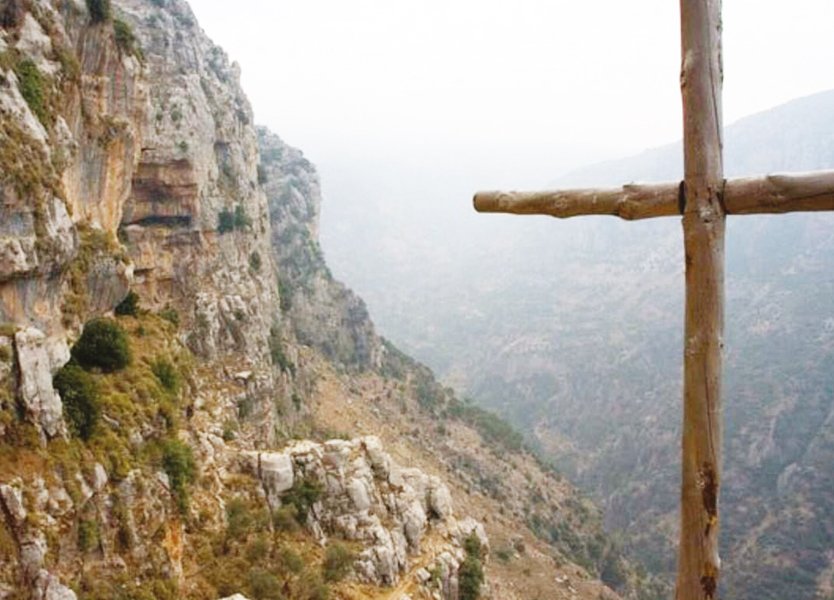
أما في عنايا، حيث تنبض الأرض بقداسة شربل، فتأخذ قصة الصليب بُعداً آخر. فمن يسلك «درب القديسين» الممتد بين دير مار مارون والمحبسة، يجد نفسه في مسيرة صلاة وتأمل تعبر غابات السنديان، قبل أن تنتهي عند صليب أبيض كبير مغروس في الصخر، يواجه التلة التي تحتضن محبسة القديس شربل.
ويرتبط صليب عنايا في الذاكرة المسيحية اللبنانية بمعنيين متداخلين: البعد الروحي المرتبط بالقديس شربل، والبعد الوطني المرتبط بالمقاومة اللبنانية خلال سنوات الحرب.
ففي ثمانينيات القرن الماضي، كان هذا الصليب أحد أبرز المعالم المسيحية في جبل لبنان. ومع اشتداد الحرب، اكتسب رمزية خاصة لدى كثير من أبناء المناطق المسيحية ومقاتلي المقاومة اللبنانية، الذين رأوا فيه علامة للصمود والبقاء والتمسّك بالأرض والهوية.
ومع مرور السنوات، تحوّل صليب عنايا إلى رمز معنوي يختصر فكرة أن المعركة لم تكن عسكرية أو سياسية فحسب، بل كانت أيضاً معركة وجود وحفاظ على الحرية والإيمان. ولذلك ردّد كثيرون خلال تلك المرحلة عبارة: «صليب عنايا لا يسقط»، في إشارة رمزية إلى ثبات الحضور المسيحي في لبنان مهما اشتدّت المحن وتعاظمت التحديات.
وهكذا، بقيت الصلبان المنتشرة على قمم لبنان أكثر من حجارة أو معالم هندسية. إنها شهادات صامتة على تاريخ شعبٍ حمل إيمانه إلى أعلى الجبال، وكتب بالصليب حكاية بقاءٍ متجذّرة بين الأرض والسماء.
The Story of the Crosses on the Peaks of Lebanon’s Mountains!
George Hayek / June 23, 2026 (Translated from Arabic by Google)
Between the cross and the peaks of Lebanon’s mountains lies an ancient love story, so much so that the image of a mountain without a cross seems incomplete in the Lebanese consciousness. This is not by chance, but rather the fruit of a long history of faith deeply rooted in this land. The relationship between crosses and the highlands dates back to the early Christian centuries, specifically to the time of Saint Simeon Stylites the Great, disciple of Saint Maron, when the villages of northern Lebanon and its surrounding mountains suffered from attacks by wild beasts that instilled fear in the hearts of the inhabitants and threatened their livelihoods and lives. The farmers’ primary concern was protecting their land, fields, and livestock. After Saint Simeon baptized the people of those villages, he asked them to carve seven crosses into the rock around the boundaries of each village and on the surrounding peaks. The crosses were erected as a sign of faith and a symbol of divine protection, and the region was blessed until the attacks of the wild beasts subsided, according to what has been passed down through generations in popular memory. It is no secret that these crosses remain planted in the earth to this day, especially on the peaks of the northern mountains, bearing witness to the depth of Christian faith and its deep roots in this region. These are the seven crosses that stand in Hasroun, Bsharri, Ehden, Ayto, Hadath El Jebbeh, Aqoura, and Laqlouq. Even today, the inhabitants of some of these areas still recite popular protective phrases, such as “In the name of the seven crosses,” seeking blessings and warding off evil and danger. Churches and ancient shrines dedicated to Saint Simeon Stylites are also scattered throughout the region, most notably the Monastery of Saint Simeon Stylites in Ayto, the Church of Aqoura, and the hermitage in Bqerqasha. But the crosses did not remain confined to these historical sites; they spread to other mountain peaks across Lebanon, becoming beacons of faith that reach for the heavens and are visible from afar.
Among the most prominent of these crosses is:
• The Cross of All Nations – Qanat Bakish: Considered one of the most famous religious landmarks in Lebanon, it is located in the mountains of Baskinta. Standing at approximately 74 meters tall atop a towering mountain peak, it is among the largest illuminated crosses in the world.
• Mount of the Cross – Faraya: This cross rises to an altitude of 1,851 meters above sea level. It was a dream cherished by the people of the region since 1951, culminating in the erection of this massive cross in 2011, transforming the site into a destination for believers and tourists alike.
• Ehden Cross: A colossal cross, approximately 16 meters high, stands atop Mount Mar Sarkis, overlooking Ehden and its surroundings. Despite enduring harsh winter weather, it has become one of the region’s most prominent landmarks.
• Qanzouha Cross – Qaa al-Rim: This cross rises approximately 8.45 meters above a mountain peak exceeding 1,900 meters above sea level, forming a significant spiritual landmark in the upper Bekaa Valley. In the 20th century, Father Jacob the Capuchin carried the message of the Cross to new heights. He believed that the Cross was not merely a religious symbol, but a sign of salvation, hope, and the enduring presence of Christ in human life. Therefore, he made it a practice to erect large crosses on mountaintops and hills, to stand as witnesses to faith and spiritual beacons guiding souls.
Among the most famous crosses associated with his name are:
The Cross of Jall el-Dib Hill.
The Cross of Deir el-Qamar, overlooking the historic town.
In Annaya, where the land pulsates with the sanctity of Saint Charbel, the story of the Cross takes on another dimension. Those who walk the “Path of the Saints,” which stretches between the Monastery of Saint Maron and the hermitage, find themselves on a journey of prayer and contemplation that traverses oak forests before culminating at a large white cross embedded in the rock, facing the hill that houses the hermitage of Saint Charbel.
The Annaya Cross is linked in the Lebanese Christian memory to two intertwined meanings: the spiritual dimension associated with Saint Charbel, and the national dimension associated with the Lebanese resistance during the years of war. In the 1980s, this cross was one of the most prominent Christian landmarks in Mount Lebanon. As the war intensified, it acquired a special symbolism for many residents of Christian areas and Lebanese resistance fighters, who saw in it a sign of resilience, survival, and attachment to the land and identity. Over the years, the Annaya Cross transformed into a moral symbol, encapsulating the idea that the battle was not merely military or political, but also a battle for existence and the preservation of freedom and faith. Therefore, many during that period repeated the phrase, “The Annaya Cross will not fall,” a symbolic reference to the steadfastness of the Christian presence in Lebanon, no matter how severe the trials or how great the challenges. Thus, the crosses scattered across the peaks of Lebanon remain more than just stones or architectural landmarks. They are silent testaments to the history of a people who carried their faith to the highest mountains and, with the cross, inscribed a story of survival rooted between earth and heaven.