






What Comes After the U.S.–Iranian Negotiations?
Colonel Charbel Barakat/June 23/2026
ماذا بعد المفاوضات الأميركية – الإيرانية؟
الكولونيل شربل بركات/23 حزيران/2026
قام الرئيس ترامب، بعد القضاء على قوة إيران العسكرية والاقتصادية على كافة الأصعدة، بتمثيلية إعطاء الحكم فيها بعض الوسائل للادعاء بأن نظام الملالي لا يزال يملك مفاتيح مهمة تؤثر على مجريات الأمور، وبالتالي تجب المفاوضات معه حولها. وقد برع بطريقته المعهودة، بين التصريحات العشوائية التي تظهر نوعاً من الرعونة والتسرع وبين الخطوات العملية الدقيقة، برسم خطوط جديدة لحل الصراع. فهو لم يدّعِ النصر، ولو أنه تمكّن من تحقيقه بطريقة حازمة ونهائية وبدون خسائر بشرية تُذكر، وهي التي كانت دوماً تخيف الجانب الأميركي، ولا ادّعى إسقاط النظام الذي كان قد أعلن رغبته في التخلص منه، ولا هو أعطى حليفه الأساسي إسرائيل مادة للتشاوف على دول المنطقة، التي لا تزال تخشى التعاون معه، وهو ما كان يدعو إليه في خططه نحو رسم شرق أوسط جديد.
ولكنه أدخل كل هذه الدول، من باكستان إلى تركيا ومصر، في التحضير للتفاوض لتكون شاهدة على ولادة نوع من العلاقات الجديدة التي، تحت إشراف الولايات المتحدة، سوف تُبنى وتستمر لسنوات طويلة، تسهم خلالها بالسيطرة على المواضيع الأمنية وخاصة لعبة الإرهاب، وتدفع نحو الاستقرار والتعاون المجدي الذي سيكتشف الجميع أهميته عملياً وليس فقط من الناحية النظرية.
إن إيران، التي قام نظام الملالي فيها بقيادة التطرف الشيعي من جهة ومساندة التطرف السني “الإخواني” من جهة أخرى، وبالطبع التحضر الدائم لمحاربة إسرائيل، وهي العامل الأساسي لتجميع كل الحقد والقوى “المناضلة” التي عملت ولا تزال في كافة البلدان المحيطة لزعزعة استقرارها، هذه الإيران سقطت في حرب بدأتها إسرائيل بمساندة الولايات المتحدة، وقد تأذى منها جيرانها العرب في دول الخليج وحدهم، لأن “العالم الحر” لم يتبنَّ نظريات الرئيس ترامب ولا هو بادر للتعاون على حسم المعركة. من هنا، يبدو الآن بأن قراري الحرب والسلم هما بيده وحده، وهو الذي يحدد مجالات المناورة داخل اللعبة. وما مطالبة إيران وتصريحات قاليباف حول الوضع في لبنان إلا مؤشر على إنهاء عمل صنيعتها “حزب الله” كما كانت قد بدأته، فهي مسؤولة عن تربيته وأدلجته وتنظيمه وسلاحه وتمويله الأساسي، وربما أيضاً خطوط إمداده الجانبية من عائدات المخدرات وغيرها حول العالم. إذن، لا أحد أفضل من إيران قادر على حلّ الحزب وتسليمه لكامل أسلحته وإفراغه من المحتوى، وإعادة الطائفة الشيعية لتكون أكثر طواعية وأقل مطالب في استعادة لبنان لعافيته، لاسيما وأن ثروته البحرية المنتظرة وانفتاحه على جارته إسرائيل سوف يسهمان في استقراره في المدى القريب.
إن ما ستقوم به إيران في لبنان من لملمة الأوساخ التي سببتها هيمنتها عليه طيلة أربعين سنة يتطلب الكثير من الجهد والمعلومات للإمساك بتفاصيل الأمور، التي وحدها تقدر أن تنهيها بتسليم لوائح القبض وتفاصيل المخازن وأنواع الأسلحة، لاسيما وأنها ستصدر الأمر لهؤلاء للبدء بتنفيذ الاتفاقات بدون أي اعتراض، لأن النظام ليس بقادر على المراوغة ولا التلاعب. من هنا نرى تلك الثقة الكبيرة لدى المسؤولين الأميركيين عند الكلام عن إيران والمفاوضات الجارية معها، وحتى عبارات الشكر والتقدير للجهود التي تقوم بها لتأمين الاستقرار في المنطقة.
أما في التفاصيل العملية على الأرض، وخاصة على الجبهة اللبنانية، فإن الدولة اللبنانية ستستمر في التفاوض مع إسرائيل في واشنطن على مسار آخر، هو الذي سيؤدي إلى رسم مستقبل العلاقات بين الجارين، والذي سيكون تفاعلياً بامتياز مع حدود مفتوحة وتعاون اقتصادي وثقافي سينعكس على الشرق الأوسط بكامله. وسينعم الجنوب، المدمر اليوم، بكثير من الازدهار والعمران اللذين سترعاهما مخططات دولية وتنفيذ عصري يعكس التطور والتقدم في كافة المجالات، مما يُنسي الجنوبيين فترات الحروب والدمار التي عاشوها ويضعهم مجدداً على خريطة العالم الحديث في كافة المجالات العمرانية والاقتصادية والتجارية. وقد يكون انفتاح سوق العمل داخل إيران أحد جوانب الازدهار الذي يرافق من بقي على قيد الحياة من الذين أتقنوا اللغة الفارسية وتعاونوا مع الإيرانيين وفهموا طرقهم في الإدارة والعمل. فمن هنا، ويوم نصل إلى التفاصيل العملية لما بعد التفاوض، والتي سوف تُنظَّم بواسطة الشركات الأمريكية العاملة في إيران وبقية المنطقة، وسوف تسعى لدوام الاستقرار وتوزيع الثروات وبناء النظم الحديثة، سيشكر العالم ذلك القرار التاريخي لرئيس وزراء إسرائيل السيد نتانياهو ورئيس الولايات المتحدة السيد ترامب على تلك المبادرة الجريئة بضرب نظام الملالي وإنهاء سيطرته على الساحة، والتي بدت وكأنها هي مَن كان يمنع أي مجال للتقدم في هذا الشرق الأوسط الكبير.
فأهلاً بالسلام الآتي، والذي ستنضم إليه كافة دول المنطقة وعلى رأسها إسرائيل، وسيكون نتيجة الجهود التي بذلتها الولايات المتحدة والأموال التي استُعملت لتنفيذ أهم عملية عسكرية “نظيفة” خلال أكثر من مئة سنة من تاريخ البشرية.
What Comes After the U.S.–Iranian Negotiations?
Colonel Charbel Barakat/June 23/2026
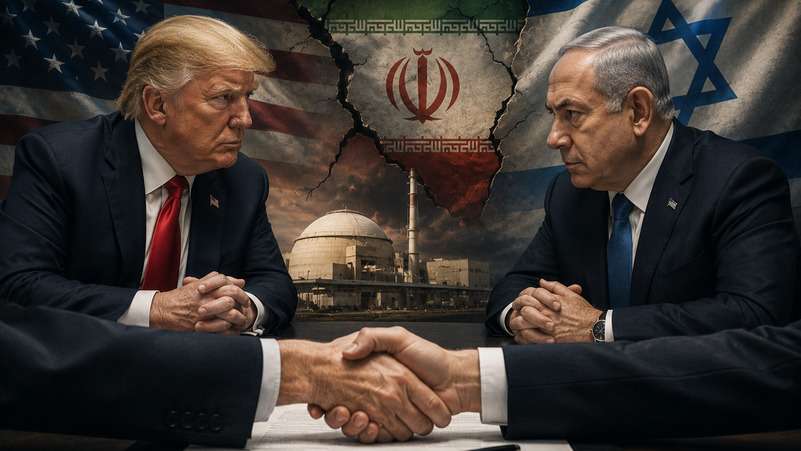
Following the devastation of Iran’s military and economic capabilities on all fronts, President Trump staged a theatrical display, granting its leadership certain tools to claim that the Mullah regime still holds crucial keys influencing the course of events, thereby rendering negotiations with it necessary. In his signature style—balancing erratic statements that display a semblance of recklessness and haste with meticulous, practical steps—he mastered drawing new blueprints to resolve the conflict. He did not claim victory, even though he achieved it decisively, conclusively, and with virtually no human casualties (a factor that has always haunted the American side). Nor did he claim to overthrow the regime he had previously vowed to get rid of, nor did he provide his primary ally, Israel, with material to gloat over the region’s nations, which remain apprehensive about cooperating with it—something he had championed in his plans for shaping a New Middle East.
Instead, he integrated all these nations, from Pakistan to Turkey and Egypt, into the preparation for negotiations. This was done so they could witness the birth of a new framework of relations. Built and sustained for years under United States supervision, this framework will help control security issues—particularly the game of terrorism—and drive toward stability and fruitful cooperation, the practical importance of which everyone will discover firsthand, rather than just theoretically.
Iran, whose Mullah regime spearheaded Shiite extremism while backing Sunni “Muslim Brotherhood” extremism—and, of course, maintained constant mobilization for war against Israel—served as the primary catalyst for pooling all the malice and “resistance” forces that have operated, and continue to operate, to destabilize surrounding countries. This Iran has fallen in a war initiated by Israel with United States backing. Its Arab neighbors in the Gulf states alone bore the brunt of it, as the “Free World” neither embraced President Trump’s theories nor took the initiative to cooperate in settling the battle. Consequently, it now appears that the decisions of war and peace rest in his hands alone, and he is the one dictating the parameters of maneuver within the game.
Iran’s demands and Qalibaf’s statements regarding the situation in Lebanon are merely an indicator of winding down the operations of its proxy, Hezbollah, just as it had initiated them. Iran is responsible for nurturing, ideologizing, organizing, arming, and primarily funding it, and perhaps also for its secondary supply lines from global drug trafficking revenues and other illicit activities. Therefore, no one is better equipped than Iran to dissolve the group, compel the total surrender of its weapons, hollow it out of substance, and steer the Shiite community toward being more compliant and less demanding as Lebanon recovers its health. This is especially true since Lebanon’s anticipated maritime wealth and its openness toward its neighbor, Israel, will contribute to its stability in the near future.
What Iran will do in Lebanon—cleaning up the mess left by its forty-year hegemony—requires extensive effort and intelligence to grasp the finer details. Iran alone can bring this to a close by handing over wanted lists, intelligence on warehouses, and weapon inventories, especially since it will order these factions to implement the agreements without any objection, given that the regime is no longer capable of maneuvering or manipulation. From here, we see the profound
confidence displayed by American officials when discussing Iran and the ongoing negotiations, and even expressions of gratitude and appreciation for the efforts it is making to secure regional stability.
As for the practical details on the ground, particularly on the Lebanese front, the Lebanese state will continue to negotiate with Israel in Washington along a separate track. This track will map the future of relations between the two neighbors, which will be highly interactive, featuring open borders and economic and cultural cooperation that will reverberate across the entire Middle East. The South, currently devastated, will enjoy immense prosperity and reconstruction sponsored by international frameworks and modern execution, reflecting progress and advancement in all fields. This will make Southerners forget the periods of war and destruction they endured, placing them once again on the map of the modern world across all urban, economic, and commercial sectors. Furthermore, the opening of the job market inside Iran might be one aspect of the prosperity awaiting those who survived, mastered the Persian language, cooperated with the Iranians, and understood their methods of management and business.
Thus, when we reach the practical aftermath of the negotiations—which will be organized by American companies operating in Iran and the rest of the region, aiming to sustain stability, distribute wealth, and build modern systems—the world will thank the historic decision of Israeli Prime Minister Mr. Netanyahu and United States President Mr. Trump for that bold initiative to strike the Mullah regime and end its dominance over the arena, a dominance that seemed to be the very obstacle preventing any progress in this Greater Middle East.
Welcome to the coming peace, which will be joined by all nations of the region, led by Israel. It will stand as the fruition of the efforts exerted by the United States and the capital deployed to execute the most significant “clean” military operation in more than a century of human history.
**اضغط هنا لدخول صفحة الكولونيل شربل بركات على موقعنا المنشورة عليها كل مقالاته وكتبه وتحليلاته
**Click here to access Colonel Charbel Barakat’s page on our website, where all his articles, books, and analyses are published
اضغط هنا لدخول بلوك الكولونيل شربل بركات لقراءة كتبه ومؤلفاته فورمات بي دي أف PDF
السيرة الذاتية للكولونيل شربل بركات
خبير عسكري، كاتب، شاعر، مؤرخ، ومعلق سياسي
*ضابط متقاعد من الجيش اللبناني
*متخرج من المدرسة الحربية ومجاز بالعلوم السياسية والادارية من الجامعة اللبنانية
*كلف كأحد الضباط لتنظيم الدفاع عن القرى الحدودية منذ 1976
*تسلم قيادة تجمعات الجنوب
*تسلم قيادة القطاع الغربي في جيش لبنان الحر وأصبح مساعدا للرائد سعد حداد ثم تسلم قيادة الجيش بالوكالة عندما مرض الرائد حداد واستمر بعد وفاته حتى مجيء اللواء أنطوان لحد فأصبح مساعده ثم قائدا للواء الغربي في جيش لبنان الجنوبي
*ترك العمل العسكري في 1988 وتسلم العلاقات الخارجية
*شهد أمام لجنة العلاقات الخارجية في مجلس الشيوخ الأميركي مرتين
*كاتب سياسي وباحث في التاريخ له الكثير من الكتب والمقالات السياسية التاريخية والانسانية
نشر كتابه الأول “مداميك” (1999) الذي يحكي عن المنطقة الحدودية ومعاناة أهلها، ترجم إلى العبرية ونشرته معاريف (2001) والانكليزية (2012) Madameek – Courses – A struggle for Peace in a zone of war موجود على Amazon Books
*نشر كتابه الثاني “الجنوب جرحنا وشفانا” الذي يشرح الأحداث التي جرت في المنطقة بين 1976 – 1986
*الكتاب الثالث “Our Heritage” كتاب بالانكليزية يلخص التراث اللبناني مع رسومات لزيادة الاستيعاب موجه للشباب المغترب
*كتابه السياسي الثالث “لبنان الذي نهوى” (2022) جاهز للطبع
*كتاب مجزرة عين إبل 1920 وهو بحث تاريخي عن المجزرة التي ساهمت في نشوء وتثبيت لبنان الكبير
*كتاب “المقالات السياسية 2005 – 2013” مئة ومقالة منشور على صفحته
*كتاب “الشرق الأوسط في المخاض العسير” مجموعة مقالات سياسية (2013 – 2025)
*كتاب “العودة إلى عين إبل” بحث تاريخي بشكل قصصي عن تاريخ المنطقة بين 1600 – 1900
*كتاب شعر عن المعاناة خلال الحرب الكبرى 1914 – 1918 من خلال قصيدة زجلية نقدية جاهز للطبع
*كتاب “تاريخ فناء صور الخلفي” بحث تاريخي عن المنطقة الجنوبية – قيد الانجاز
*كتاب المقالات الانسانية وكتاب عينبليات قيد الانجاز