The Ceasefire Between Iran and the United States and Its Impact on Lebanon
Colonel Charbel Barakat/June 16/2026
وقف إطلاق النار بين إيران والولايات المتحدة وانعكاسه على لبنان
الكولونيل شربل بركات/16 حزيران/2026
بعد الإعلان عن التوصل إلى اتفاق بين إيران والولايات المتحدة حول وقف الأعمال العدائية، والتي لم تُنشر كامل تفاصيلها بعد (وربما تُنشر بعد التوقيع يوم الجمعة المقبل)، بدأت في لبنان حملة إعلامية تقودها السفارة الإيرانية ويردد صداها حزب الله وبقية حلفائه، تبشّر بشمول لبنان ضمن هذا الاتفاق.
بناءً على ذلك، توجه بعض المواطنين إلى المناطق التي كانوا قد أخلوها تنفيذاً لأوامر الجيش الإسرائيلي، ظناً منهم أن الحرب قد انتهت، وبدأت الاحتفالات للتعبير عن شكر إيران على هذا الإنجاز.
معضلة الجبهة اللبنانية وغياب اللاعب الإسرائيلي
من الطبيعي، في حال توصل الولايات المتحدة وإيران إلى اتفاق لوقف الأعمال العدائية بينهما، أن توقف إيران اعتداءاتها من لبنان أيضاً؛ فالحرس الثوري الإيراني هو من يقاتل على الأرض اللبنانية، ولا دخل للبنان بهذا القتال إلا من حيث تحمّل نتائجه الكارثية. ولذا، فإن ما يقال في هذا الصدد هو الصحيح وعكسه هو الشواذ؛ فإذا توصل الطرفان إلى اتفاق لوقف القتال، فلماذا لا يتوقف على جبهة لبنان التي أشعلها الإيرانيون؟
إن إيران تقاتل إسرائيل في لبنان كجزء من حربها ضد الولايات المتحدة وحلفائها، وهي الحرب التي شملت هجمات داخل إيران، بينما اقتصرت الردود الإيرانية على إسرائيل ودول الخليج باستهداف مواقع مدنية كالمطارات، والمراكز التجارية، والفنادق، والمباني السكنية، ولم تقتصر على القواعد العسكرية الأمريكية فحسب.
نقطة التحول: اعتبرت إسرائيل تعرّض سكانها المدنيين للقصف أمراً غير مقبول، فجاء ردها أقسى، ليطال المدنيين اللبنانيين في المدن والقرى المتعاطفة مع حزب الله، وبالتالي مع إيران. أما الاتفاق المزعوم، فقد تم بين الولايات المتحدة وإيران دون أن يشمل إسرائيل على ما يبدو. ومن هنا يتساءل اللبنانيون: هل سيكون إعلان إيران وقف عملياتها من لبنان كافياً لتوقف إسرائيل ردود أفعالها على المواطنين اللبنانيين؟
الخلفية العسكرية وحسابات القوى
في حزيران الماضي (أي منذ سنة تقريباً)، شنت إسرائيل منفردة هجمات على إيران بهدف الضغط لإنهاء برنامجها النووي، وتوقفت تلك العمليات بعد أن ساهم الأمريكيون في أواخرها بشن هجمات على المواقع التي تحوي مواد نووية عالية التخصيب في مفاعلي “قطز” وأصفهان. غير أن الإيرانيين لم يفهموا الرسالة، بل تمادوا في التصعيد إلى أن اندلعت الحرب الثانية بدءاً من آذار الماضي، ولم يُعلن عن اتفاق لإنهائها إلا ما جرى في نهاية هذا الأسبوع.
لكن اللاعب الإسرائيلي الذي بدأ الحرب على إيران لم يشارك في التوصل إلى الحلول المعلنة مؤخراً؛ فهل وافق عليها؟ وهل أُمّنت أهدافه، سواء ما يتعلق بالملف النووي الإيراني، أو بإنهاء خطر القصف الذي يهدد مواطنيه من جبهة لبنان؟
مصالح إسرائيل وشروط السلام المستدام
قد تكون لدى الرئيس ترامب اهتمامات ومصالح تدعوه إلى الإسراع في التوصل لحل ينهي الصراع مع إيران، ولكن وضع حليفه الإسرائيلي وأهدافه ــ خاصة عندما يتعلق الأمر بأمن مواطنيه في قرى ومدن الشمال ــ أمر لا يمكن التغاضي عنه. من هنا، وعندما نريد تفهّم الواقع الناتج عن المفاوضات التي أفضت إلى اتفاق وقف إطلاق النار، علينا البحث عن مصالح إسرائيل في هذه العملية.
فلا يكفي أن يفرح اللبنانيون بأمل العودة إلى قراهم، حتى لو دُمّرت البيوت وجُرّفت البلدات، بل السؤال الأهم: ماذا عن السلاح، والمخازن، وإعلان انتهاء العمل العسكري من لبنان بشكل كامل ونهائي؟
· السيناريو الأول (بناء الدولة): إذا كان قرار طهران هو تسليم سلاح الحزب للدولة وإنهاء حالة الحرب كلياً، وعدم السماح لأي طرف بتعريض الاتفاق للخطر، فإن الحكم في لبنان سيتحرر لينطلق بأقصى سرعة نحو إنهاء التفاوض مع إسرائيل، والتوصل إلى صيغة نهائية تمنع استعمال لبنان ساحة لقتال الآخرين، والبدء في مسار السلام الحقيقي. حينها، سيصفق الجميع لهذا الإنجاز الذي سيؤدي إلى قيام دولة حقيقية في لبنان، لا يهددها سلاح منفلت ولا قرارات تأتي من خارج الحدود.
· السيناريو الثاني (تأجيل الصراع): أما إذا كان الإيرانيون وجماعتهم في لبنان يعتقدون أنهم كسبوا وقفاً مؤقتاً للأعمال العدائية مع بقاء السلاح والمقاتلين وتدفق الأموال بلا حساب ليبقى لبنان ساحة مفتوحة وصراعاً مستمراً تتغير فيه المسميات ويبقى المضمون كما هو، فإن ذلك لن ينجح ولن يقبله اللبنانيون ولا الإسرائيليون.
إن الدمار الذي تعرضت له القرى في جنوب لبنان، والتهجير الذي فُرض على أبنائها، والمعاناة التي تحملها بقية اللبنانيين، لن تتكرر كرمى لعيون “الولي الفقيه” ولا لعيون الرئيس ترامب أو غيرهما. كما لن يتحمل مواطنو إسرائيل المزيد من المعاناة لكي يقبض بعض المتكسبين في لبنان أموال إيران والدول الأخرى التي تسعى لفرض سلطتها وتحقيق مآربها عبر تعريض أمن اللبنانيين والإسرائيليين للخطر والذل والتهجير مجدداً.
الرؤية المستقبلية: من التبعية إلى الاستقرار
إن الحلول المشتركة اليوم بين إسرائيل ولبنان يجب أن تأخذ في الاعتبار أمن، وسلامة، واستقرار، وازدهار المدنيين على جانبي الحدود. يجب أن ينتهي زمن التبعية وبث الأحقاد، ويبدأ العمل على نشر السلام الحقيقي والوعي بأهميته بين المواطنين، ليعمل الجميع على إعادة بناء القرى والبيوت، ويُسهم أهلنا في الجنوب في حماية مستقبل أولادهم، فلا حاجة بعد اليوم للرحيل أو المعاناة.
وإذا كان الحكم في إيران قد اقتنع أخيراً بعدم جدوى إحياء العنف ومحاولة السيطرة على جيرانه ــ سواء في الخليج أو ما بعده غرباً وجنوباً في العراق، ولبنان، واليمن وغيرها ــ فإن المستقبل سيكون زاهراً. وعلى جماعة الحزب أن يفهموا أن الحروب والتجييش لا يجدون نفعاً مهما صُرف في سبيلهم من أموال، وأن التركيز يجب أن ينصب على إنهاء الصراعات وبناء السلام الحقيقي.
أملنا أن ينتهي حكم الولي الفقيه بعد دفن خامنئي، وأن تسير إيران في قطار التعاون مع جيرانها دون مزيد من الأحقاد أو اتخاذ العنف وسيلة للتعبئة الداخلية، بل بالتركيز على البناء والإنتاج اللذين سينهضان بها بعد ما أصابها من دمار. ولنتأمل أيضاً أن يكون اللبنانيون قد سئموا العنف والحروب، وبدأوا مراجعة نقدية ذاتية تلهمهم التوجه نحو العمل المنتج، بدلاً من الركض خلف شعارات تستسهل العداء بدلاً من بناء الصداقات والبحث عن القواسم المشتركة للتقدم والازدهار
The Ceasefire Between Iran and the United States and Its Impact on Lebanon
Colonel Charbel Barakat/June 16/2026
Following the announcement of an agreement between Iran and the United States to halt hostilities—the full details of which have not yet been published (and will likely be released after the signing next Friday)—a media campaign has commenced in Lebanon. Led by the Iranian Embassy and echoed by Hezbollah and its allies, this campaign heralds that Lebanon is included in the agreement.
Consequently, some citizens headed back to the areas they had evacuated under Israeli military orders, believing the war had ended, and celebrations broke out to express gratitude to Iran for this achievement.
The Dilemma of the Lebanese Front and the Absence of Israel
Naturally, if the United States and Iran reach an accord to halt hostilities between them, Iran should logically stop its attacks from Lebanon as well. It is the Iranian Revolutionary Guard Corps (IRGC) fighting on Lebanese soil, and Lebanon has no stake in this conflict except for bearing its catastrophic consequences. Therefore, what is being said in this regard is logical, and the alternative would be the anomaly; if the two parties have agreed to stop fighting, why shouldn’t it stop on the Lebanese front, which was ignited by the Iranians?
Iran is fighting Israel in Lebanon as part of its wider war against the United States and its allies. That conflict included strikes inside Iran, while Iranian responses against Israel and the Gulf states targeted civilian sites—such as airports, commercial centers, hotels, and residential buildings—rather than being confined to American military bases.
The Turning Point: Israel considered the targeting of its civilian population unacceptable, prompting a harsher retaliation that impacted Lebanese civilians in cities and villages sympathetic to Hezbollah, and by extension, Iran. However, the alleged agreement was brokered between the United States and Iran, and apparently does not include Israel. Hence, Lebanese citizens are left asking: Will Iran’s declaration of a halt to its operations from Lebanon be enough for Israel to cease its retaliatory actions against Lebanese citizens?
The Military Background and the Balance of Power
Last June (approximately a year ago), Israel launched unilateral strikes on Iran to pressure it into halting its nuclear program. Those operations ceased after the Americans joined the final phases, striking facilities housing highly enriched nuclear materials in the Qotz and Isfahan reactors. Yet, the Iranians failed to grasp the message, escalating further until a second war erupted last March. No agreement to end it had been announced until this past weekend.
However, the Israeli player—who initiated the war on Iran—did not participate in reaching these recently announced solutions. Has Israel agreed to them? And have its objectives been secured,
both regarding the Iranian nuclear file and eliminating the threat of shelling that menaces its citizens from the Lebanese front?
Israeli Interests and the Conditions for a Sustainable Peace
President Trump may have numerous interests and priorities urging him to expedite a solution to end the conflict with Iran. However, the situation and objectives of his Israeli ally—especially regarding the security of its citizens in northern towns and cities—cannot be overlooked. Therefore, to comprehend the reality resulting from the negotiations that culminated in the ceasefire, we must examine Israel’s interests in this process.
It is not enough for the Lebanese people to rejoice at the prospect of returning to their villages, even if homes have been destroyed and towns bulldozed. The more critical question remains: What about the weapons, the stockpiles, and a complete, definitive declaration ending all military action from Lebanon?
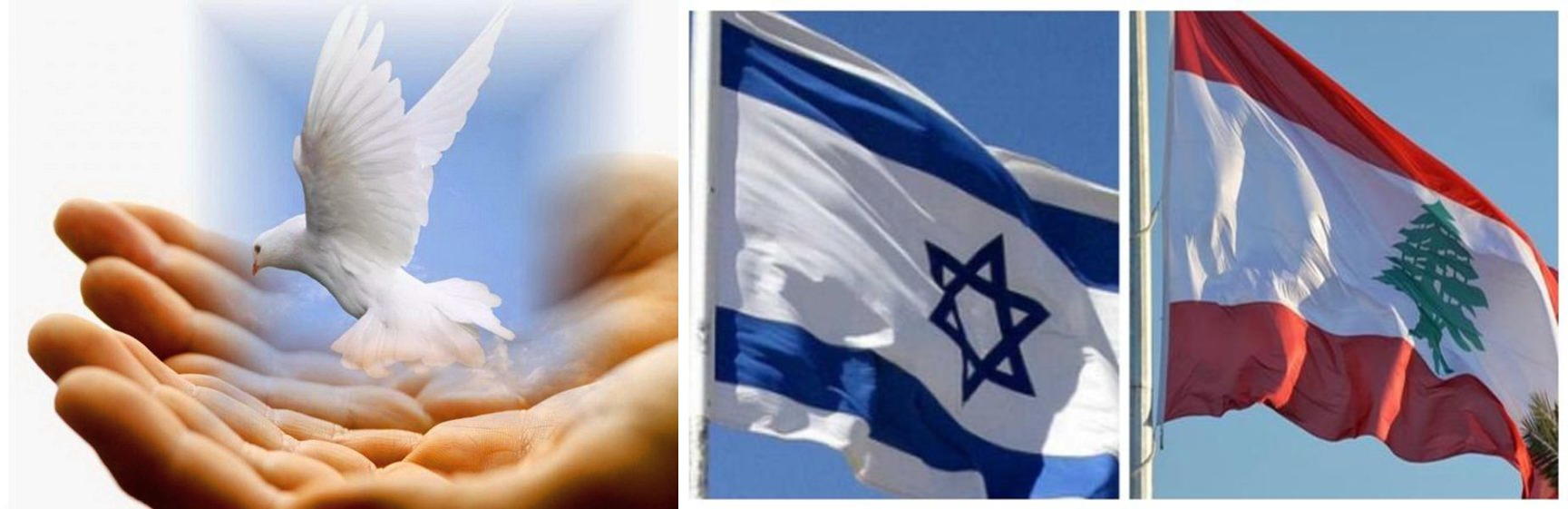
Scenario One (State-Building): If Tehran’s decision is to hand Hezbollah’s weapons over to the state and permanently end the state of war—disallowing any party from jeopardizing the agreement—then the Lebanese government will be liberated. It can then move swiftly to conclude negotiations with Israel, reaching a definitive formula that prevents Lebanon from being used as an arena for others’ wars, and beginning a true path toward peace. In that case, everyone will applaud this achievement, which would lead to the rebirth of a real state in Lebanon—one no longer threatened by rogue weapons or dictates coming from across the border.
Scenario Two (Deferred Conflict): On the other hand, if the Iranians and their proxies in Lebanon believe they have merely secured a temporary halt to hostilities while retaining their weapons, fighters, and the unaccountable flow of funds—leaving Lebanon as an open arena for a continuous conflict where only names change but the substance remains the same—then this will fail. Neither the Lebanese nor the Israelis will accept it.
The destruction inflicted upon the villages of southern Lebanon, the displacement forced upon their inhabitants, and the suffering endured by the rest of the Lebanese people will not be repeated—not for the sake of the “Supreme Leader” (Wali al-Faqih), nor for President Trump, or anyone else. Similarly, Israeli citizens will not tolerate further suffering just so certain idle factions in Lebanon can pocket money from Iran and other nations that seek to impose their hegemony and fulfill their agendas by exposing the security of both Lebanese and Israelis to danger, humiliation, and displacement once again.
A Vision for the Future: From Dependency to Stability
Today, mutual solutions between Israel and Lebanon must prioritize the security, safety, stability, and prosperity of civilians on both sides of the border. The era of dependency and the sowing of hatred must end. Work must begin on spreading real peace and raising awareness of its importance among citizens, so that everyone can cooperate to rebuild villages and homes. Our people in the South must contribute to protecting the future of their children, ensuring there is no longer a need for displacement or suffering.
If the regime in Iran has finally been convinced of the futility of reviving violence and attempting to dominate its neighbors—whether in the Gulf or further west and south in Iraq, Lebanon, Yemen, and other nations—the future will be bright. Hezbollah’s factions must understand that wars and mobilization yield no benefits, regardless of the funds poured into them. Instead, the focus must shift entirely toward ending conflicts and building a genuine peace.
Our hope is that the rule of the Supreme Leader will come to an end after Khamenei is buried, and that Iran will join the train of cooperation with its neighbors without harboring further malice or using violence as a tool for domestic mobilization. Instead, it should focus on construction and production, which will revive the country after the destruction it has suffered. We also hope that the Lebanese people have grown weary of violence and wars, and will initiate a critical self-reflection that inspires them to move toward productive work, rather than chasing slogans that easily choose hostility over building friendships and seeking common ground for progress and prosperity.
السيرة الذاتية للكولونيل شربل بركات
خبير عسكري، كاتب، شاعر، مؤرخ، ومعلق سياسي
*ضابط متقاعد من الجيش اللبناني
*متخرج من المدرسة الحربية ومجاز بالعلوم السياسية والادارية من الجامعة اللبنانية
*كلف كأحد الضباط لتنظيم الدفاع عن القرى الحدودية منذ 1976
*تسلم قيادة تجمعات الجنوب
*تسلم قيادة القطاع الغربي في جيش لبنان الحر وأصبح مساعدا للرائد سعد حداد ثم تسلم قيادة الجيش بالوكالة عندما مرض الرائد حداد واستمر بعد وفاته حتى مجيء اللواء أنطوان لحد فأصبح مساعده ثم قائدا للواء الغربي في جيش لبنان الجنوبي
*ترك العمل العسكري في 1988 وتسلم العلاقات الخارجية
*شهد أمام لجنة العلاقات الخارجية في مجلس الشيوخ الأميركي مرتين
*كاتب سياسي وباحث في التاريخ له الكثير من الكتب والمقالات السياسية التاريخية والانسانية
نشر كتابه الأول “مداميك” (1999) الذي يحكي عن المنطقة الحدودية ومعاناة أهلها، ترجم إلى العبرية ونشرته معاريف (2001) والانكليزية (2012) Madameek – Courses – A struggle for Peace in a zone of war موجود على Amazon Books
*نشر كتابه الثاني “الجنوب جرحنا وشفانا” الذي يشرح الأحداث التي جرت في المنطقة بين 1976 – 1986
*الكتاب الثالث “Our Heritage” كتاب بالانكليزية يلخص التراث اللبناني مع رسومات لزيادة الاستيعاب موجه للشباب المغترب
*كتابه السياسي الثالث “لبنان الذي نهوى” (2022) جاهز للطبع
*كتاب مجزرة عين إبل 1920 وهو بحث تاريخي عن المجزرة التي ساهمت في نشوء وتثبيت لبنان الكبير
*كتاب “المقالات السياسية 2005 – 2013” مئة ومقالة منشور على صفحته
*كتاب “الشرق الأوسط في المخاض العسير” مجموعة مقالات سياسية (2013 – 2025)
*كتاب “العودة إلى عين إبل” بحث تاريخي بشكل قصصي عن تاريخ المنطقة بين 1600 – 1900
*كتاب شعر عن المعاناة خلال الحرب الكبرى 1914 – 1918 من خلال قصيدة زجلية نقدية جاهز للطبع
*كتاب “تاريخ فناء صور الخلفي” بحث تاريخي عن المنطقة الجنوبية – قيد الانجاز
*كتاب المقالات الانسانية وكتاب عينبليات قيد الانجاز