Will Hezbollah Risk Joining the Houthis?
Brigadier General Khaled Hamadeh/Al-Liwaa/September 16, 2026
(translated from Arabic)
هل يغامر حزب الله بملاقاة الحوثيِّين؟
العميد الركن خالد حماده/اللواء/16 أيلول/2026
استُبدلت جولة التفاوض المجدولة إفتراضياً في روما خلال الشهر الحالي بين إسرائيل ولبنان، بلقاء لسفيرة لبنان ندى حمادة معوض ونظيرها الإسرائيلي يحيئيل ليتر في واشنطن. لم ترقَ الأسباب التي أوردها موقع أكسيوس الأميركي كموجبة لتغيير طبيعة الجلسة واقتصارها على لقاء السفيرين إلى الواقعية، فالأعياد اليهودية والتحضيرات لانعقاد مؤتمر باريس أو الجمعية العامة للأمم المتحدة ليست مفاجئة ولا تستدعي تأجيلاً مفتوحاً خلال شهر أكتوبر/ لمفاوضات لم تكن محددة أصلاً.
لم يأت التأجيل المذكور من فراغ، بل أتى في سياق سلسلة من المستجدات الدبلوماسية والميدانية بدأت بعد فشل جولة التفاوض الأخيرة التي عُقدت في روما في 6 أغسطس/ آب المنصرم وكشفت عن استحالة التوصل لتصوّر مشترك حول معايير التحقق من تنفيذ المناطق التجريبية بالرغم من هول التدمير الذي تنفذه إسرائيل في العديد من القرى الجنوبية. قرأت واشنطن في جولة روما الأخيرة رغبة لدى دولة لبنان العميقة بتكرار تجربة التعامل مع القرار 1701 بما يعني تكريس قراءة لبنانية لاتّفاق الإطار وإخضاع تنفيذه لشروط تمليها التوليفة السياسية اللبنانية ومصالحها المشتبكة.
الرد الأميركي إزاء ذلك أتى من خلال وسيلة الضغط المتاحة لإسرائيل وهي الإمعان في تدمير وإزالة القرى. لقد مثّل إعلان إسرائيل سقوط تلة علي الطاهر والتهديد بتوسيع المنطقة الأمنية، تحت عنوان تدمير البنية التحتية لحزب الله، دفعة في مسار أميركي اتّسم باعتبار التصعيد ضرورة ميدانية وبتجاهل نتائجه بهدف إعادة لبنان الى طاولة التفاوض. هذا وقد شكّل تراجع طهران عن تهديداتها أمام سقوط المرتفع الشهير نموذجاً صادماً لما يمكن أن تكون عليه المواجهات القادمة بين الحزب وإسرائيل. حروب وصراعات
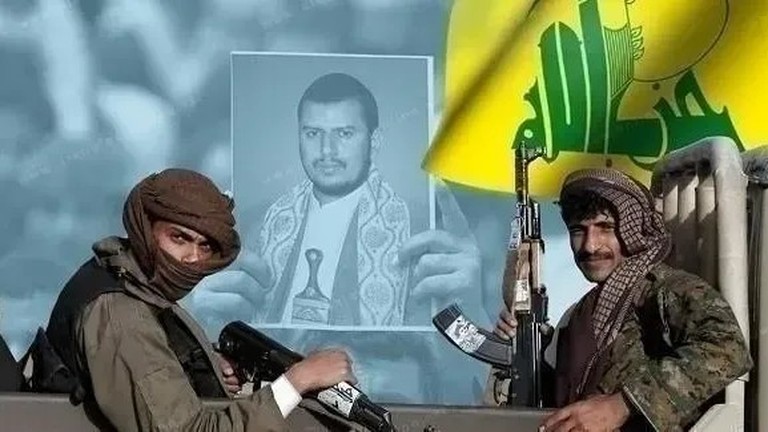
قد يكون من موجبات الواقعية السياسية أن يُفضي الواقع الأمني المتدهور وتداعياته المتعددة المستويات إلى تشكيل بداية لصحوة وطنية تتجاوز الإنقسامات السياسية وتحاول ترميم ما تبقى من الوحدة الوطنية. لكن سكوت طهران عن سقوط علي الطاهر أعقبه تقدم ميداني للحوثيين على مشارف باب المندب، بما قد يعيد تشكيل المشهد الذي بنت عليه طهران حربها في مضيق هرمز. بالتزامن مع ذلك تحوّلت المنابر إلى ميدان للتهديد والوعيد أراد محور حزب الله من خلاله تحويل ما أفضت إليه نتائج حروبه إلى مادة يثأر بها من خصوم سلاحه، ويبني عليها خطابه السياسي.
أليس انتقال السجال المحموم إلى المنابر الطائفية واتهام المفتي الجعفري أحمد قبلان السلطة التنفيذية بالتواطؤ والتحريض والإنقسام، واعتبارها شريكاً كاملاً بما يجري في الجنوب من قتل وإبادة وفظاعات وتفجير وتدمير وتجريف، أليس ذلك مناورة لتحويل الإخفاق الميداني لحزب الله إلى قضية اضطهاد متعمد يتقاسمها أبناء الطائفة الشيعية على اختلاف توجههاتهم السياسية؟. ثم ماذا يعني قبلان بأن «الحل هو بإطلاق صرخة وطنية وورشة عملانية تمنع السلطة المجنونة من أسوأ فتنة داخلية وأخطر كارثة سيادية، لا سيما أنها تعطي إسرائيل الإرهابية المدة الكافية للخلاص من تدمير الجنوب وجرفه»؟
من جهة أخرى ألا يعني إعلان رئيس المجلس النيابي نبيه بري أنّ «اتّفاق الإطار قد سقط عملياً» أنه في موقع منفصل تماماً عن رئيس الجمهورية جوزاف عون والحكومة وأنه ينتمي لمحور آخر يتحفز لمواجهة مقبلة؟ ثم أليس في تهديده بمحاسبة الحكومة تحت عناوين لها طابعها الإجتماعي كفرض الضرائب ــــ بالرغم من إدراكه للخسارات الإقتصادية التي تسبب بها شريكه حزب الله ـــــــ مقدمة لإثارة الشارع وتحويل المساءلة إلى استثمار في مواجهة بين الحكومة والمواطنين؟ تاريخ إسرائيل
فهل يمكن قراءة التصعيد المتجدد في خطاب محور حزب الله كنتيجة للتطورات الميدانية على مشارف باب المندب؟ وهل يغامر محور حزب الله بملاقاة الحوثيين عبر الداخل للبناني؟
* مدير المنتدى الإقليمي للدراسات والإستشارات
Will Hezbollah Risk Joining the Houthis?
Brigadier General Khaled Hamadeh/Al-Liwaa/September 16, 2026
(translated from Arabic)
The round of negotiations hypothetically scheduled in Rome this month between Israel and Lebanon was replaced by a meeting between Lebanon’s Ambassador Nada Hamada Mouaouad and her Israeli counterpart Yehiel Leiter in Washington. The reasons given by the American site Axios to justify changing the nature of the session and limiting it to a meeting of the two ambassadors did not rise to the level of realism. Jewish holidays and preparations for the convening of the Paris conference or the UN General Assembly are neither surprising nor do they call for an open-ended postponement during October of negotiations that were not even specifically scheduled in the first place.
The aforementioned postponement did not come out of nowhere, but rather came in the context of a series of diplomatic and field developments that began after the failure of the last round of negotiations held in Rome on August 6, which revealed the impossibility of reaching a common vision on the verification criteria for the implementation of the pilot zones, despite the magnitude of the destruction that Israel is carrying out in many southern villages. Washington read in the last Rome round a desire on the part of the Lebanese deep state to repeat the experience of dealing with Resolution 1701, meaning to consecrate a Lebanese reading of the Framework Agreement and subject its implementation to conditions dictated by the Lebanese political formula and its intertwined interests.
The American response to that came through the pressure tool available to Israel, which is to persist in destroying and removing villages. Israel’s announcement of the fall of Ali al-Taher hill and the threat to expand the security zone, under the title of destroying Hezbollah’s infrastructure, represented a push in an American track characterized by considering escalation a field necessity and ignoring its consequences with the aim of bringing Lebanon back to the negotiating table. Moreover, Tehran’s backtracking from its threats in the face of the fall of the famous highland was a shocking model of what the coming confrontations between Hezbollah and Israel could be like.
It may be part of political realism that the deteriorating security reality and its multi-level repercussions would lead to the formation of the beginning of a national awakening that transcends political divisions and tries to salvage what remains of national unity. But Tehran’s silence over the fall of Ali al-Taher was followed by a field advance by the Houthis on the outskirts of Bab al-Mandab, which may reshape the scene upon which Tehran built its war in the Strait of Hormuz. At the same time, podiums have turned into a field of threats and intimidation through which the Hezbollah axis wanted to transform the results of its wars into material with which to take revenge on the opponents of its weapons, and upon which to build its political discourse.
Isn’t the heated debate moving to sectarian podiums and the Jaafari Mufti Ahmad Qabalan accusing the executive authority of collusion, incitement and division, and considering it a full partner in what is happening in the south in terms of killing, extermination, atrocities, bombings, destruction and bulldozing, isn’t that a maneuver to transform Hezbollah’s field failure into a case of deliberate persecution shared by the sons of the Shiite sect regardless of their different political orientations? Then what does Qabalan mean by saying that “the solution is to launch a national outcry and an operational workshop to prevent the insane authority from the worst internal strife and the most dangerous sovereign catastrophe, especially as it gives terrorist Israel enough time to get rid of destroying and bulldozing the south”?
On the other hand, doesn’t the announcement by Parliament Speaker Nabih Berri that “the Framework Agreement has practically fallen” mean that he is in a position completely separate from President Joseph Aoun and the government and that he belongs to another axis that is bracing for a coming confrontation? And isn’t his threat to hold the government accountable under headings that have a social character such as imposing taxes — despite his awareness of the economic losses caused by his partner Hezbollah — a prelude to stirring up the street and turning accountability into an investment in a confrontation between the government and citizens?
So can the renewed escalation in the discourse of the Hezbollah axis be read as a result of field developments on the outskirts of Bab al-Mandab? And will the Hezbollah axis risk meeting the Houthis through the Lebanese interior?
*Brigadier General Khaled Hamadeh/ Director of the Regional Forum for Studies and Consultations