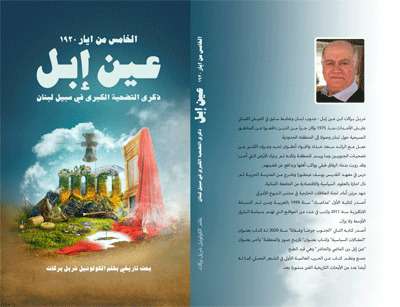
A reading in Colonel Charbel Barakat’s book: Ain Ebel, May 5, 1920… A commemoration of the great sacrifice for the sake of Lebanon
قراءة في كتاب الكولونيل شربل بركات: عين إبل الخامس من أيار 1920 … ذكرى التضحية الكبرى في سبيل لبنان
29 حزيران/2026/ (رابط الكتاب موجود في اسفل الصفحة)
مقدمة: تفكيك الرواية التقليدية
يقدّم الكولونيل شربل بركات في هذا البحث دراسة تاريخية توثيقية جريئة تخترق القشرة الرومانسية الشائعة للأحداث التي تلت الحرب العالمية الأولى في المشرق العربي (1918-1920). ولا يقف البحث عند حدود سرد مجزرة بلدة “عين إبل” الجنوبية كحدث محلي معزول، بل يربطها بخيوط “اللعبة الكبرى” والتحالفات السرية الإقليمية والدولية التي كانت تدار من خلف ظهر الأمير فيصل، لتدفع المنطقة بأسرها نحو الصدام الدموي.
المحاور الرئيسية للبحث
1. عين إبل: رمزية الخيار اللبناني والوحدة التاريخية
· البلدة الحيوية: يضيء البحث على “عين إبل” كقرية مسيحية ناشطة ومنتجة في “بلاد البشارة” (جنوب لبنان)، شكّلت تاريخياً مركزاً تجارياً حيوياً.
· الامتداد التاريخي والشراكة الوطنية: يستحضر الكاتب مرحلة الشيخ “ناصيف النصار” (زعيم جبل عامل الشيعي) وفرسانه الذين رسموا حدود جنوب لبنان، مبرزاً كيف أحب أهالي عين إبل الشيخ ناصيف وحاربوا معه، لدرجة إطلاق اسمه على أبنائهم كدليل على وحدة المصير والعيش المشترك.
· موقف حاسم من “لبنان الكبير”: مع طرح استفتاء لجنة “كينغ – كرين” الأمريكية، كان أهالي عين إبل سبّاقين في التعبير عن رغبتهم بالانضمام إلى دولة “لبنان الكبير” وإعادة ضم الأقضية المسلوخة، رفضاً للمشاريع البديلة (سواء الضم لفلسطين تحت الحماية البريطانية أو الذوبان في المملكة العربية بدمشق).
2. اختراق الأجندة العثمانية لحكومة دمشق
· تغلغل الضباط “الاتحاديين”: يكشف البحث أن الخطر الحقيقي على مشروع الأمير فيصل لم يكن من الخصوم الخارجيين بقدر ما كان من النخبة العسكرية المحيطة به. هؤلاء الضباط (بقايا الجيش العثماني وخريجو مدارس إسطنبول الحربية) لم يكن لديهم حس وطني بمصلحة سوريا، بل كان ولاؤهم المطلق للأستانة والعقيدة الطورانية (الاتحاد والترقي).
· يوسف العظمة وأدوات الاختراق: يركز التحليل على شخصية وزير الحربية يوسف العظمة؛ كونه ضابطاً تركمانياً ومساعداً عسكرياً مباشراً لأنور باشا (أحد الجناة الثلاثة الذين أسقطوا السلطنة وتسببوا في مجاعة جبل لبنان)، مما يجعله أداة لتنفيذ أجندة عثمانية كامنة تهدف إلى منع استقرار الحلفاء في المنطقة بأي ثمن.
3. المحور البلشفي – الكمالي: خطة الإشغال المموّلة
يقدم البحث مساهمة نوعية في كشف الخلفية الدولية لعام 1920:
· الرعب الروسي: كان البلاشفة (بقيادة لينين) يخوضون حرباً أهلية طاحنة ضد “الجيش الأبيض”. وكان خوفهم الأكبر وصول بريطانيا وفرنسا إلى أرمينيا والقوقاز لفتح جبهة خنق جنوبية ضد روسيا.
· الذهب الروسي والسلاح التركي: التقت مصلحة البلاشفة مع مصطفى كمال أتاتورك وبقايا المخابرات العثمانية (التشكيلات المخصوصة). فضخ الروس كميات هائلة من المال والعتاد لإثارة الفوضى وإشعال الثورات والعصابات في سوريا، والعراق، وفلسطين.
تكتيك الاستنزاف: لم يكن إصرار يوسف العظمة وتياره المتشدد على مواجهة الفرنسيين ورفض الدبلوماسية انتحاراً عسكرياً بريئاً، بل كان مهمة إشغال مدفوعة ومخططاً لها لإنهاك جيوش فرنسا وبريطانيا في رمال المشرق، ومنعها من مؤازرة الجبهات المناهضة للبلاشفة في الشمال.
4. مجزرة عين إبل (5 أيار 1920) كإفراز للفوضى الممنهجة
· تحريك العصابات: تحت غطاء “مؤتمر وادي الحجير”، أطلقت القيادات المرتبطة بدمشق (مثل الأمير محمود الفاعور) يد العصابات المسلحة (بقيادة صادق حمزة وأدهم خنجر) لترهيب القرى، وفرض الخوات وعلم المملكة بقوة السلاح.
· الصمود والمأساة: رفضت عين إبل الرضوخ لحكم العصابات ودافعت عن جاراتها. وفي 5 أيار 1920، هاجمها أكثر من 3000 مسلح. وبعد 9 ساعات من الصمود، لجأ المهاجمون إلى “خدعة” وقف إطلاق النار برفع المصاحف، وما إن دخلوا البلدة حتى أعملوا فيها القتل والنهب والحرق، مهجّرين أهاليها إلى فلسطين.
· الاستنكار العام: أورد البحث الموقف النبيل لزعيم جبل عامل كامل بيك الأسعد الذي عبّر عن عمق المأساة التاريخية بقوله لأحد أبناء البلدة: «إن عين إبل خسرت بالفعل أبناءها ولكن الشيعة خسروا شرفهم».
النتيجة التاريخية التي وصل إليها البحث
يخلص بحث الكولونيل شربل بركات إلى نتيجة محورية وصادمة تُعيد قراءة التاريخ الحديث للمنطقة:
النتيجة: إن سقوط العهد الفيصلي في معركة ميسلون (تموز 1920) وما سبقه من مجازر وفوضى عارمة كـ “مجزرة عين إبل”، لم تكن نتاج “بطولة وطنية غير متكافئة”، بل كانت نتيجة حتمية لعملية اختراق واستغلال ممنهجة قادها ضباط عثمانيون (كـ يوسف العظمة) وبتمويل بلشفي روسي.
لقد تمت التضحية المتعمدة بأمن واستقرار شعوب المشرق العربي، وإجهاض فرصة قيام “مملكة سورية دستورية فدرالية” هادئة ومستقرة، وتحويل المنطقة بدلاً من ذلك إلى “ساحة إشغال وحرق مراكب” لخدمة مصالح أنقرة وموسكو.
هذه الخطيئة التاريخية هي التي أسست لـ “ثقافة الانقلابات العسكرية” غريبة الجذور، وغيّبت العقلانية السياسية، مما فتح الباب على مصراعيه لجميع الكوارث اللاحقة؛ بدءاً من حرب فلسطين، مروراً بحروب لبنان، وصولاً إلى التفتيت الحالي عبر التمدد الإيراني، وإعادة فتح شهية الأطماع التركية الحديثة في الشمال السوري. لقد دفع الأبرياء في عين إبل أولى أثمان هذه اللعبة الدولية المصيرية.
A reading in Colonel Charbel Barakat’s book: Ain Ebel, May 5, 1920… A commemoration of the great sacrifice for the sake of Lebanon
29 June/2026
Introduction: Deconstructing the Conventional Narrative
In this bold historical and documentary study, Colonel Charbel Barakat pierces through the common, romanticized veneer of the events that followed World War I in the Levant (1918–1920). The research does not treat the massacre of the southern village of “Ain Ebel” as an isolated local incident. Instead, it connects the tragedy to the strings of the “Great Game” and the covert regional and international alliances being orchestrated behind Prince Faisal’s back, which ultimately pushed the entire region into a bloody confrontation.
Main Themes of the Research
1. Ain Ebel: A Symbol of the Lebanese Choice and Historical Unity
· A Vibrant Village: The research highlights Ain Ebel as a dynamic and productive Christian village in “Bilad al-Bishara” (Southern Lebanon) that historically served as a vital commercial hub.
· Deep Historical Roots and National Partnership: The author evokes the era of Sheikh Nassif al-Nassar (the Shiite leader of Jabal Amel) and his cavalry, who drew the borders of Southern Lebanon. He underscores how the people of Ain Ebel loved Sheikh Nassif and fought alongside him, even naming their children after him as a testament to their shared destiny and coexistence.
· A Decisive Stance on “Greater Lebanon”: When the American King-Crane Commission conducted its plebiscite, the people of Ain Ebel were among the first to demand integration into the state of “Greater Lebanon” and the restoration of the annexed districts. They firmly rejected alternative projects—whether annexation to Palestine under British protection or dissolution into the Arab Kingdom in Damascus.
2. The Ottoman Infiltration of the Damascus Government
· The Influx of “Unionist” Officers: The research reveals that the true threat to Prince Faisal’s project came not from external adversaries, but from the military elite surrounding him. These officers—remnants of the Ottoman army and graduates of Istanbul’s military academies—lacked a genuine “Syrian national conscience.” Their absolute loyalty belonged to the Sublime Porte and the Turanian ideology of the Committee of Union and Progress (CUP).
· Youssef al-Azma as an Instrument of Infiltration: The analysis focuses on the Minister of War, Youssef al-Azma. As a Turkmen officer and the direct military aide to Enver Pasha (one of the ruling triumvirate who brought down the Empire and caused the Great Famine of Mount Lebanon), al-Azma acted as an instrument to execute a latent Ottoman agenda aimed at preventing Allied stability in the region at any cost.
3. The Bolshevik-Kemalist Axis: A Funded Distraction Strategy
The research provides a unique contribution by exposing the international geopolitics of 1920:
· Bolshevik Anxiety: The Bolsheviks (led by Lenin) were fighting a brutal civil war against the “White Army.” Their greatest fear was that Britain and France would establish a foothold in Armenia and the Caucasus, opening a southern choking front against Soviet Russia.
· Russian Gold and Turkish Weapons: The interests of the Bolsheviks aligned perfectly with Mustafa Kemal Atatürk and the remnants of Ottoman intelligence (the Special Organization). Consequently, the Russians injected massive amounts of money, gold, and military hardware to stoke chaos and ignite rebellions and armed factions across Syria, Iraq, and Palestine.
· The Tactics of Attrition: The insistence of Youssef al-Azma and his hardline faction on military confrontation with the French—and their rejection of diplomacy—was not an innocent act of military martyrdom. Rather, it was a calculated, well-funded diversionary mission designed to bog down French and British armies in the sands of the Levant, preventing them from supporting anti-Bolshevik fronts in the North.
4. The Ain Ebel Massacre (May 5, 1920) as a Product of Engineered Chaos
· Unleashing the Militias: Under the cover of the “Wadi Hujair Conference,” leadership elements tied to Damascus (such as Prince Mahmoud al-Faour) unleashed armed gangs (led by Sadiq Hamza and Adham Khanjar) to terrorize villages, extort protection taxes (khawat), and impose the Kingdom’s flag by force.
· Resilience and Tragedy: Ain Ebel refused to bow to militia rule and defended its neighboring villages. On May 5, 1920, more than 3,000 armed men attacked the village. After nine hours of fierce resistance, the attackers resorted to a “ruse,” raising Qurans and requesting a ceasefire. Once they entered the village, they unleashed a wave of killing, looting, and burning, displacing the inhabitants into Palestine.
· Widespread Condemnation: The research notes the noble stance of the leader of Jabal Amel, Kamel Bey al-Assad, who expressed the profound depth of this historical tragedy by telling a survivor from the village: “Ain Ebel has indeed lost its children, but the Shiites have lost their honor.”
Historical Conclusion Reached by the Research
Colonel Charbel Barakat’s research concludes with a pivotal and striking result that reframes the modern history of the region:
The Conclusion: The collapse of the Faisalite era at the Battle of Maysalun (July 1920), and the preceding massacres and rampant chaos such as the “Ain Ebel Massacre,” were not the result of an “unequal but noble national heroic struggle.” Instead, they were the inevitable outcome of a
systematic infiltration and exploitation campaign led by Ottoman officers (like Youssef al-Azma) and funded by Russian Bolshevik money.
The security and stability of the peoples of the Levant were deliberately sacrificed. The opportunity to establish a peaceful, stable, and constitutional federal “Syrian Kingdom” was sabotaged, transforming the region instead into a “theater of distraction and burnt bridges” to serve the geopolitical interests of Ankara and Moscow.
This historical sin laid the groundwork for a “culture of military coups” with foreign roots and marginalized political pragmatism. This opened the floodgates to all subsequent catastrophes: from the war of Palestine and the Lebanese civil wars to the current fragmentation driven by Iranian expansion and the revived Turkish ambitions in northern Syria. The innocent people of Ain Ebel paid the very first price for this fateful international game.
في اسفل رابط الكتاب المنشور على الموقع سنة 2021
الكولونيل شربل بركات: نص بحث تاريخي لمجزرة الخامس من أيار سنة 1920 التي تعرضت لها بلدة عين إبل الجنوبية/عنوان البحث: عين إبل… ذكرى التضحية الكبرى في سبيل لبنان
الكولونيل شربل بركات: نص بحث تاريخي لمجزرة الخامس من أيار سنة 1920 التي تعرضت لها بلدة عين إبل الجنوبية/عنوان البحث: عين إبل… ذكرى التضحية الكبرى في سبيل لبنان
السيرة الذاتية للكولونيل شربل بركات
خبير عسكري، كاتب، شاعر، مؤرخ، ومعلق سياسي
*ضابط متقاعد من الجيش اللبناني
*متخرج من المدرسة الحربية ومجاز بالعلوم السياسية والادارية من الجامعة اللبنانية
*كلف كأحد الضباط لتنظيم الدفاع عن القرى الحدودية منذ 1976
*تسلم قيادة تجمعات الجنوب
*تسلم قيادة القطاع الغربي في جيش لبنان الحر وأصبح مساعدا للرائد سعد حداد ثم تسلم قيادة الجيش بالوكالة عندما مرض الرائد حداد واستمر بعد وفاته حتى مجيء اللواء أنطوان لحد فأصبح مساعده ثم قائدا للواء الغربي في جيش لبنان الجنوبي
*ترك العمل العسكري في 1988 وتسلم العلاقات الخارجية
*شهد أمام لجنة العلاقات الخارجية في مجلس الشيوخ الأميركي مرتين
*كاتب سياسي وباحث في التاريخ له الكثير من الكتب والمقالات السياسية التاريخية والانسانية
نشر كتابه الأول “مداميك” (1999) الذي يحكي عن المنطقة الحدودية ومعاناة أهلها، ترجم إلى العبرية ونشرته معاريف (2001) والانكليزية (2012) Madameek – Courses – A struggle for Peace in a zone of war موجود على Amazon Books
*نشر كتابه الثاني “الجنوب جرحنا وشفانا” الذي يشرح الأحداث التي جرت في المنطقة بين 1976 – 1986
*الكتاب الثالث “Our Heritage” كتاب بالانكليزية يلخص التراث اللبناني مع رسومات لزيادة الاستيعاب موجه للشباب المغترب
*كتابه السياسي الثالث “لبنان الذي نهوى” (2022) جاهز للطبع
*كتاب مجزرة عين إبل 1920 وهو بحث تاريخي عن المجزرة التي ساهمت في نشوء وتثبيت لبنان الكبير
*كتاب “المقالات السياسية 2005 – 2013” مئة ومقالة منشور على صفحته
*كتاب “الشرق الأوسط في المخاض العسير” مجموعة مقالات سياسية (2013 – 2025)
*كتاب “العودة إلى عين إبل” بحث تاريخي بشكل قصصي عن تاريخ المنطقة بين 1600 – 1900
*كتاب شعر عن المعاناة خلال الحرب الكبرى 1914 – 1918 من خلال قصيدة زجلية نقدية جاهز للطبع
*كتاب “تاريخ فناء صور الخلفي” بحث تاريخي عن المنطقة الجنوبية – قيد الانجاز
*كتاب المقالات الانسانية وكتاب عينبليات قيد الانجاز