The Importance of the Ali Al-Tahir Site in the Ongoing Fighting
Colonel Charbel Barakat/June 21/2026
أهمية موقع علي الطاهر في القتال الجاري
الكولونيل شربل بركات/21 حزيران/2026
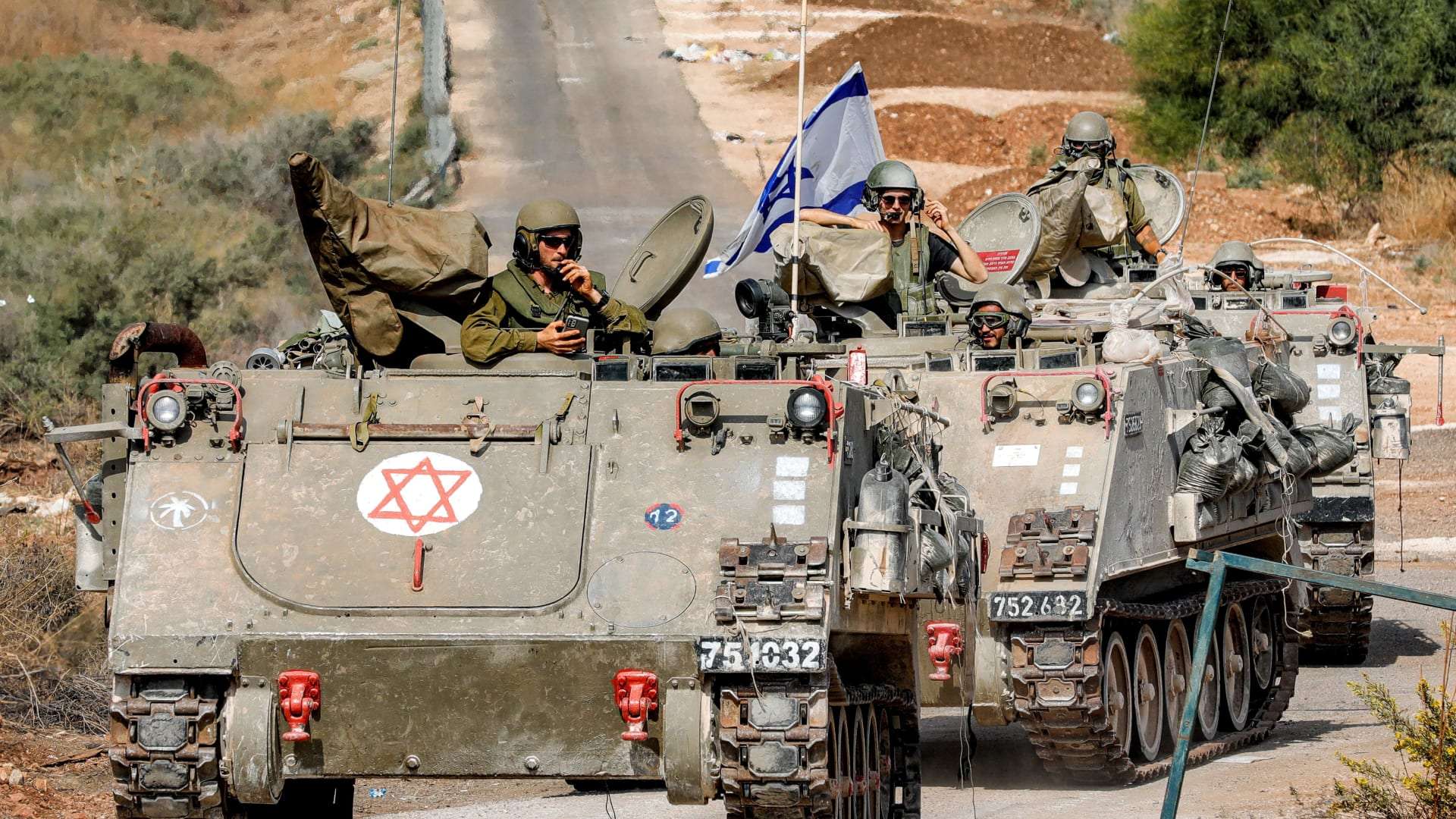
تدور الاشتباكات منذ أكثر من أسبوع، وخاصة بعد الانتهاء من السيطرة الفعلية الكاملة على قلعة الشقيف وجوارها، حول مرتفع النبي طاهر أو “علي الطاهر”. ويقع هذا المرتفع إلى الشرق من مدينة النبطية، عاصمة جبل عامل ومركز المحافظة الشيعية الأولى التي عمل السيد موسى الصدر على إنشائها بفصل أقضية النبطية، وبنت جبيل، وحاصبيا، ومرجعيون عن محافظة الجنوب لتشكل المحافظة السادسة، بينما تضم محافظة الجنوب ما تبقى من الأقضية، أي: صور، والزهراني، وجزين. وقد بقي هذا المرتفع تحت سيطرة جيش لبنان الجنوبي حتى سنة 2000، يوم قررت حكومة إسرائيل الانسحاب من لبنان نهائياً بدون شروط، مما جعل حزب الله، وبدفع من الاحتلال السوري، يسيطر على كامل المنطقة مدعياً تحريرها من الإسرائيليين.
كان تخطيط الحرس الثوري الإيراني يهدف إلى جعل جنوب لبنان قاعدة متقدمة على حدود إسرائيل تمكّنه من مقارعتها يوم يحتاج إلى ذلك، فسيطرتُه على دول الشرق الأوسط توجب الاستعداد لمواجهة إسرائيل في حال حاولت الخروج عن الطاعة. ومن هنا، مُنعت الدولة اللبنانية وجيشها من السيطرة على الجنوب من جهة، كما مُنعت قوات الأمم المتحدة من معرفة ما كان يجري على الأرض من عمليات تحصين وبناء خنادق ومخازن أسلحة، بينما تمت تعبئة المواطنين وإفهامهم بأن حزب الله يقوم بكل هذا للدفاع عنهم ومنع تهجيرهم من ديارهم.
لم يكن العمل في المناطق القريبة من الحدود سهلاً بالرغم من تواجد القوات الدولية، ولكنه تم بغض الطرف أحياناً وبالتهديد أحياناً أخرى، وخاصة باختراق عناصر الجيش اللبناني وضباطه الذين كانوا الغطاء الشرعي لتقليص حرية القوات الدولية في المنطقة. ولكن العمل خارج مناطق تواجد القوات الدولية يصبح أسهل؛ حيث يمكن استعمال الآليات الخاصة بالحفر وبدون أي حاجة للتخفي. ومن هنا، كان العمل في مرتفع علي الطاهر أسهل، ولو أنه كان يجري بشكل لا يلفت الأنظار؛ فقد حُفر الجبل وبنيت فيه مخازن للعتاد العسكري ومراكز لإطلاق الصواريخ والمسيّرات، وغرف قيادة وتحكم، ومقرات لاستيعاب المقاتلين وكل ما يحتاجونه. وقد بنيت على أعماق تؤمّن حمايتها حتى من القصف بقنابل الطائرات، ومن هنا، فقد أخذ الجيش الإسرائيلي الكثير من الوقت لدراسة الأرض ومداخل الأنفاق ومخارجها، وخاصة أماكن الكمائن المحضرة سلفاً وتلك التي تؤمّن المراقبة والقتال، لا سيما وأن الذين يقيمون داخل هذه المواقع لا يحتاجون للتمون والخروج منها لمدة طويلة، مما يمنحهم القدرة على الصمود والمواجهة.
أمس، تعرضت إحدى مجموعات الاستطلاع المتقدمة من قوات جيش الدفاع الإسرائيلي لعبوة ناسفة مركزة أدت إلى إصابة جنود ومقتل عدد منهم بينهم أحد القادة، فكانت هناك ضرورة للدفع أكثر باتجاه السيطرة على الموقع وإكمال محاصرة أغلب المداخل لمنع مَن في الداخل من الخروج أحياء. ويقول بعض المراقبين بأن عملية السيطرة على فتحات العبور انتهت بشكل كامل اليوم، وأصبح الإطباق وتدمير الخنادق على رؤوس مَن في الداخل عملية ساعات معدودة. ومن هنا، تحرك الإيرانيون لمنع عملية السيطرة الكاملة، وربما الإبادة لكل مَن في الداخل.
الأميركيون الذين توصلوا لتفاهم -على ما يبدو- مع الإيرانيين حول وقف الحرب الدائرة في الخليج، كان من المقرر أن يجتمعوا اليوم في سويسرا مع وفد إيراني للبدء بدراسة بعض النقاط المتعلقة بالاتفاق. ويقال بأن الوفد الإيراني تأخر عن الحضور؛ حيث يخشى البعض بأن ما يحدث في لبنان له علاقة بذلك. ولكن موقف إسرائيل معروف في هذا الشأن، وهي – ولو شاركت الولايات المتحدة في عملياتها ضد إيران- إلا أنها لا ترغب في ربط ما يحدث في لبنان بموضوع إيران ولو أصر الإيرانيون على ذلك؛ فما يحدث في لبنان ينعكس مباشرة على أمن إسرائيل، ولا يمكن لأي حكومة أن تتنازل عن حقها في منع التعدي على شمال إسرائيل من لبنان، لا سيما وأن الموقع الذي نشير إليه، أي “علي الطاهر”، لا يبعد عن مستوطنة المطلة أكثر من ستة كيلومترات خط نار، وهو يشكل خطراً دائماً لن ترضى إسرائيل بتركه بدون تنظيف كامل وتدمير كل المنشآت التي جُهزت فيه، ومنع عودته إلى سابق عهده.
يبقى أن مدينة النبطية، وهي – كما قلنا – عاصمة جبل عامل ومركز المحافظة وبالطبع من أهم المدن الجنوبية اقتصادياً وإدارياً، تقع مباشرة تحت المرتفع المذكور، وقد يُبقي جيش الدفاع على قوات فيه حتى بعد تدمير المنشآت، وبالتالي فسوف تكون الحركة داخل النبطية تحت المراقبة القريبة لتلك القوات. فهل تدخل القوات الإسرائيلية إلى المدينة بعد الانتهاء من مرتفع علي الطاهر؟ أم هل ستعرض الدولة اللبنانية تنظيف المدينة من المسلحين والمخازن وغيرها من العتاد العسكري بقواها الذاتية كمحاولة منها للبدء بما سُمي “المناطق التجريبية” لتكون النبطية أولاها؟ أم أن الدولة لن تجرؤ على ذلك قبل أن تدخل القوات الإسرائيلية وتنظف المدينة وتنتهي من تدمير المنشآت، ومن ثم تعرض الدولة اللبنانية فكرة استلامها كنقطة تجريبية؟
المهم في كل ما يجري هو موقف الشيخ نعيم قاسم وحزبه المتهالك، والذي كان ينادي بالنصر أمس ويطلب من الأهالي العودة إلى ديارهم؛ فهل سيبقى أحد من جماعته على قيد الحياة في منطقة النبطية ليسلّم السلاح والعتاد للإسرائيليين أو الجيش اللبناني كبادرة حسن نية ومقدمة لحل يمكن اعتماده في بقية المناطق اللبنانية توفيراً للدمار والخراب وزيادة عدد القتلى؟ أم أن الدولة التي تفاوض في واشنطن سوف تتشجع بعد تنظيف النبطية لتقدم نفسها كحل لبقية المناطق؟ أم أن تنظيف لبنان بأكمله لن يتم إلا على أيدي جيش الدفاع، وعندها ماذا سيكون الثمن؟
The Importance of the Ali Al-Tahir Site in the Ongoing Fighting
Colonel Charbel Barakat/June 21/2026
For more than a week, and particularly after the completion of actual, full control over the Beaufort Castle (Qala’at al-Shaqif) and its surroundings, clashes have been centering around the Nabi Tahir or “Ali Al-Tahir” ridge. This ridge is located to the east of the city of Nabatieh, the capital of Jabal Amel and the center of the first Shia governorate, which Sayyid Musa al-Sadr worked to establish by separating the districts of Nabatieh, Bint Jbeil, Hasbaya, and Marjayoun from the South Governorate to form the sixth governorate, while the South Governorate retained the remaining districts: Tyre, Jezzine, and Sidon (Zahrani). This ridge remained under the control of the South Lebanon Army until the year 2000, when the Government of Israel decided to withdraw completely and unconditionally from Lebanon. This allowed Hezbollah, prompted by the Syrian occupation, to seize control of the entire area, claiming to have liberated it from the Israelis.
The Iranian Islamic Revolutionary Guard Corps (IRGC) planned to turn South Lebanon into an advanced base on Israel’s border, enabling it to confront Israel whenever necessary. Since controlling Middle Eastern countries requires preparation for a confrontation with Israel should it attempt to step out of line, the Lebanese State and its army were prevented from controlling the South on one hand, and the United Nations forces were kept from knowing what was actually happening on the ground in terms of fortification, trench building, and weapon storage on the other. Meanwhile, citizens were mobilized and led to believe that Hezbollah was doing all of this to defend them and prevent their displacement from their homes.
Working in areas close to the border was not easy despite the presence of international forces. However, it was accomplished by turning a blind eye at times and through intimidation at others, particularly by infiltrating elements and officers of the Lebanese Army, who served as the legitimate cover to restrict the freedom of international forces in the region. However, working outside the deployment zones of international forces becomes easier, where heavy excavation machinery can be used without any need for concealment. Hence, work on the Ali Al-Tahir ridge was easier, even though it was conducted in a manner that did not attract attention. The mountain was excavated, and inside it, military equipment depots, rocket and drone launch sites, command and control rooms, and quarters to accommodate fighters with all their needs were built. These were constructed at depths that secure their protection even from aerial bombardment. Consequently, the Israeli Army took a lot of time to study the terrain, the tunnel entrances and exits, and especially the pre-arranged ambush locations and those that provide surveillance and combat capabilities—particularly since those stationed inside these sites do not need to resupply or exit for a long time, granting them the capacity to endure and resist.
Yesterday, an advanced reconnaissance unit of the Israel Defense Forces (IDF) was hit by a concentrated improvised explosive device (IED), which led to the wounding of soldiers and the killing of a number of them, including a commander. Thus, there arose a necessity to push further toward controlling the site and completing the encirclement of most entrances to prevent those inside from escaping alive. Some observers state that the operation to control the transit openings was fully completed today, and that closing in and destroying the trenches over the
heads of those inside has become a matter of mere hours. As a result, the Iranians moved to prevent the full takeover and perhaps the eradication of everyone inside.
The Americans, who have apparently reached an understanding with the Iranians regarding stopping the ongoing war in the Gulf, were scheduled to meet today in Switzerland with an Iranian delegation to begin studying certain points related to the agreement. It is said that the Iranian delegation was late to arrive, leading some to fear that what is happening in Lebanon is connected to this. However, Israel’s position on this matter is well-known; even if it participates with the United States in its operations against Iran, it does not wish to link what is happening in Lebanon to the Iranian issue, even if the Iranians insist on doing so. What happens in Lebanon directly impacts Israel’s security, and no government can waive its right to prevent aggression on northern Israel from Lebanon. This is especially true since the site we are referring to, “Ali Al-Tahir,” is no more than six kilometers as the crow flies from the Metula settlement. It poses a permanent threat that Israel will not tolerate leaving without a complete cleanup, the destruction of all facilities prepared within it, and preventing it from returning to its previous state.
It remains that the city of Nabatieh—which is, as we mentioned, the capital of Jabal Amel, the center of the governorate, and naturally one of the most important southern cities economically and administratively—is located directly beneath the aforementioned ridge. The IDF may maintain forces there even after destroying the facilities; consequently, movement inside Nabatieh will be under the close surveillance of those forces. Will the Israeli forces enter the city after finishing with the Ali Al-Tahir ridge? Or will the Lebanese State offer to clear the city of militants, warehouses, and other military equipment using its own forces, in an attempt to initiate what have been called “pilot zones,” making Nabatieh the first of them? Or will the State not dare to do so before the Israeli forces enter, clean the city, and finish destroying the facilities, after which the Lebanese State proposes the idea of taking it over as a pilot point?
What matters in all that is happening is the stance of Sheikh Naim Qassem and his crumbling party, which was calling for victory yesterday and asking residents to return to their homes. Will anyone from his group remain alive in the Nabatieh area to hand over weapons and equipment to the Israelis or the Lebanese Army as a gesture of good faith and a prelude to a solution that could be adopted in the remaining Lebanese regions to spare them destruction, ruin, and an increased death toll? Or will the State, which is negotiating in Washington, be emboldened after Nabatieh is cleared to present itself as a solution for the rest of the regions? Or will the clearing of the entirety of Lebanon only be achieved at the hands of the IDF, and what will the price be then?
السيرة الذاتية للكولونيل شربل بركات
خبير عسكري، كاتب، شاعر، مؤرخ، ومعلق سياسي
*ضابط متقاعد من الجيش اللبناني
*متخرج من المدرسة الحربية ومجاز بالعلوم السياسية والادارية من الجامعة اللبنانية
*كلف كأحد الضباط لتنظيم الدفاع عن القرى الحدودية منذ 1976
*تسلم قيادة تجمعات الجنوب
*تسلم قيادة القطاع الغربي في جيش لبنان الحر وأصبح مساعدا للرائد سعد حداد ثم تسلم قيادة الجيش بالوكالة عندما مرض الرائد حداد واستمر بعد وفاته حتى مجيء اللواء أنطوان لحد فأصبح مساعده ثم قائدا للواء الغربي في جيش لبنان الجنوبي
*ترك العمل العسكري في 1988 وتسلم العلاقات الخارجية
*شهد أمام لجنة العلاقات الخارجية في مجلس الشيوخ الأميركي مرتين
*كاتب سياسي وباحث في التاريخ له الكثير من الكتب والمقالات السياسية التاريخية والانسانية
نشر كتابه الأول “مداميك” (1999) الذي يحكي عن المنطقة الحدودية ومعاناة أهلها، ترجم إلى العبرية ونشرته معاريف (2001) والانكليزية (2012) Madameek – Courses – A struggle for Peace in a zone of war موجود على Amazon Books
*نشر كتابه الثاني “الجنوب جرحنا وشفانا” الذي يشرح الأحداث التي جرت في المنطقة بين 1976 – 1986
*الكتاب الثالث “Our Heritage” كتاب بالانكليزية يلخص التراث اللبناني مع رسومات لزيادة الاستيعاب موجه للشباب المغترب
*كتابه السياسي الثالث “لبنان الذي نهوى” (2022) جاهز للطبع
*كتاب مجزرة عين إبل 1920 وهو بحث تاريخي عن المجزرة التي ساهمت في نشوء وتثبيت لبنان الكبير
*كتاب “المقالات السياسية 2005 – 2013” مئة ومقالة منشور على صفحته
*كتاب “الشرق الأوسط في المخاض العسير” مجموعة مقالات سياسية (2013 – 2025)
*كتاب “العودة إلى عين إبل” بحث تاريخي بشكل قصصي عن تاريخ المنطقة بين 1600 – 1900
*كتاب شعر عن المعاناة خلال الحرب الكبرى 1914 – 1918 من خلال قصيدة زجلية نقدية جاهز للطبع
*كتاب “تاريخ فناء صور الخلفي” بحث تاريخي عن المنطقة الجنوبية – قيد الانجاز
*كتاب المقالات الانسانية وكتاب عينبليات قيد الانجاز