لا تنخدعوا بمسرحية إيران — هذا النظام لا يمكنه تحمل تكلفة السلام بأي ثمن
مارك دوبوويتز وميعاد ملكي/نيويورك بوست/12 حزيران/2026
(ترجمة من الإنكليزية بواسطة مواقع ترجمة ألكترونية)
Don’t buy Iran’s charade — this regime can’t afford peace at ANY price
Mark Dubowitz and Miad Maleki/New York Post/June 12/2026
For the last two months, President Donald Trump’s rhetoric on Iran has seesawed between expressing optimism on negotiations and making explicit threats to remove the mullahs from power.
This week, Trump has returned to pugilistic mode, boasting of the strikes that quickly followed a regime drone attack on a US Apache helicopter — and warning, “We’re going to hit them hard again.”
Yet as long as Trump sees negotiations as an option, there’s a danger that he’ll try to treat the Islamic Republic in much the same way as he’s approached the leftist regime in Venezuela after the capture of President Nicolás Maduro by US forces.
That is, that he expects extraordinary military and political pressure will force a pivot to incentive-based negotiations through which Tehran, like Caracas, can be bargained into behaving like a normal state.
Sign the right agreement and ease the right sanctions, the thinking goes, and the mullahs will trade their revolution for a seat at the table.
The trouble is that Iran’s regime — with its record of wars, inflation, capital flight, water shortages and a currency in free fall — cannot afford the bargain.
It can’t win legitimacy from success, so it has to manufacture it from confrontation.
That’s exactly why, for at least two decades, the regime has built its deterrence upon its neighbors’ borders, not its own.
Yemen provides the clearest example of Tehran’s strategy.
While Western nuclear negotiators spent a decade developing the flawed 2015 nuclear deal, the IRCG’s Quds Force was quietly turning the Houthi militia into a strategic weapon, boosted by a military allocation that rose by 90% in the year after the nuclear deal’s implementation.
After the United States and Israel struck Iran directly in February, the regime closed the Strait of Hormuz and turned the Houthis loose on the Bab al-Mandab, another chokepoint to the world economy.
This same method of using proxies in the Middle East has crossed into the Western Hemisphere via Iran’s close ally, Venezuela.
In December 2025, the US Treasury sanctioned a Venezuelan firm that was assembling Iran’s Mohajer combat drones for Maduro’s regime, warning that the trade “constitutes a threat to US interests in the Western Hemisphere, including the Homeland.”
One month later, the US forcibly removed Maduro, replacing him with his former comrade Delcy Rodriguez.
And while Rodriguez has skillfully managed her relationship with Trump, pulling US investment into Venezuela’s oil sector, supposedly giving Washington a say in where its oil goes and toning down her regime’s anti-American rhetoric, her foreign policy remains closely aligned with Iran, Russia, China and other US adversaries.
That’s the peril of changing the dictator but not the underlying regime, as Washington will likely discover in the coming months and years.
All the more crucial, then, to avoid that same mistake with Iran — especially as Tehran has, with Venezuelan consent, been doing in the Caribbean what it did in Yemen: pre-positioning a capability against a target it cannot reach by conventional means.
This is why a continued cease-fire or a fresh agreement with the Iranian regime would settle nothing.
The Houthis emerged from a year of war stronger and more technically proficient than when they started.
If they and Iran’s other proxies now watch the United States reach for the familiar off-ramp — sanctions relief and a deal that lets its terror network survive intact — they’ll read it as confirmation that pain pays, just as Tehran taught them.
And a presidential administration that has shown its readiness to act would be squandering its own leverage if it trades pressure for the illusion of calm.
The key point is this: The Islamic Republic is not Venezuela.
Rodriguez and her cronies are corrupt autocrats who want to survive; pressure can change their calculus.
Iran’s rulers are corrupt too, but the regime’s true believers also see themselves as participants in a religious struggle for jihad.
They believe they have a duty to destroy Israel and defeat America — or die trying.
That makes them a much more dangerous enemy.
Therefore, breaking the cycle requires maintaining US pressure on Iran’s oil, drone and missile-procurement networks — without trading sanctions relief for promises that will only evaporate.
It also requires treating Iran’s proxy network as a single target, from the Houthis astride Bab al-Mandab to the shops in Venezuela assembling Iranian drones, rather than chasing each flashpoint after it ignites.
And it requires providing US support to the millions of Iranians who want to bring down the regime — and have been on the streets for years facing the brutal Islamist security services alone.
All of this is grounded in a refusal to allow the regime any lifeline to continue its external aggression and internal repression.
**Mark Dubowitz is chief executive of the Foundation for Defense of Democracies, where Miad Maleki is a senior fellow.
https://nypost.com/2026/06/11/opinion/dont-buy-the-charade-iran-cant-afford-peace-at-any-price/
Read in New York Post
لا تنخدعوا بمسرحية إيران — هذا النظام لا يمكنه تحمل تكلفة السلام بأي ثمن
مارك دوبوويتز وميعاد ملكي/نيويورك بوست/12 حزيران/2026
(ترجمة من الإنكليزية بواسطة مواقع ترجمة ألكترونية)
على مدى الشهرين الماضيين، تأرجحت تصريحات الرئيس دونالد ترامب بشأن إيران بين التعبير عن التفاؤل بإجراء مفاوضات، وتوجيه تهديدات صريحة بالإطاحة بالملايين من السلطة.
وهذا الأسبوع، عاد ترامب إلى لغة التحدي والقتال، متباهياً بالضربات التي أعقبت هجوماً بطائرة مسيرة تابعة للنظام على مروحية أمريكية من طراز “أباتشي”، ومحذراً: “سوف نضربهم بقوة مرة أخرى”.
ومع ذلك، طالما أن ترامب يرى في المفاوضات خياراً مطروحاً، فإن ثمة خطراً من أن يحاول التعامل مع الجمهورية الإسلامية بالطريقة نفسها التي تعامل بها مع النظام اليساري في فنزويلا بعد اعتقال القوات الأمريكية للرئيس نيكولاس مادورو.
بمعنى آخر، إنه يتوقع أن الضغوط العسكرية والسياسية الاستثنائية ستجبر طهران على التحول نحو مفاوضات قائمة على الحوافز، يمكن من خلالها مقايضة طهران — تماماً كما حدث مع كاراكاس — لتتصرف كدولة طبيعية.
وتسير هذه الفكرة على النحو التالي: وقع على الاتفاق المناسب وخفف العقوبات الملائمة، وسيقوم الملالي بمقايضة ثورتهم بمقعد على طاولة المفاوضات.
لكن المشكلة تكمن في أن النظام الإيراني — بسجله الحافل بالحروب، والتضخم، وهروب رؤوس الأموال، ونقص المياه، والانهيار الحاد في قيمة العملة — لا يمكنه تحمل هذه المقايضة.
فالنظام لا يستطيع اكتساب الشرعية من خلال النجاح، ولذلك يتعين عليه صناعتها من خلال المواجهة.
وهذا هو السبب وراء قيام النظام، طوال عقدين من الزمن على الأقل، ببناء قوته الردعية على حدود جيرانه، وليس على حدوده هو.
واليمن يقدم المثال الأوضح على استراتيجية طهران هذه.
فبينما أمضى المفاوضون النوويون الغربيون عقداً من الزمن في صياغة الاتفاق النووي المعيب لعام 2015، كان فيلق القدس التابع للحرس الثوري الإيراني يحول ميليشيا الحوثي بهدوء إلى سلاح استراتيجي، مدعوماً بمخصصات عسكرية ارتفعت بنسبة 90% في العام الذي تلى تنفيذ الاتفاق النووي.
وبعد أن ضربت الولايات المتحدة وإسرائيل إيران بشكل مباشر في فبراير، أغلق النظام مضيق هرمز وأطلق العنان للحوثيين في مضيق باب المندب، وهو نقطة اختناق أخرى للاقتصاد العالمي.
وهذا الأسلوب نفسه القائم على استخدام الوكلاء في الشرق الأوسط انتقل إلى نصف الكرة الغربي عبر فنزويلا، حليفة إيران الوثيقة.
وفي ديسمبر 2025، فرضت وزارة الخزانة الأمريكية عقوبات على شركة فنزويلية كانت تقوم بتجميع طائرات “مهاجر” القتالية الإيرانية بدون طيار لصالح نظام مادورو، محذرة من أن هذه التجارة “تشكل تهديداً للمصالح الأمريكية في نصف الكرة الغربي، بما في ذلك الوطن”.
وبعد شهر واحد، أطاحت الولايات المتحدة بمادورو بالقوة، وحل محلّه رفيقتُه السابقة ديلسي رودريغيز.
وعلى الرغم من أن رودريغيز أدارت علاقتها مع ترامب بذكاء، فجذبت الاستثمارات الأمريكية إلى قطاع النفط الفنزويلي، ومنحت واشنطن افتراضياً حق التدخل في تحديد وجهة نفطها، وخففت من الخطاب المناهض لأمريكا لنظامها، إلا أن سياستها الخارجية تظل متماشية بشكل وثيق مع إيران وروسيا والصين وغيرهم من خصوم الولايات المتحدة.
وهذا هو خطر تغيير الديكتاتور دون تغيير النظام الأساسي، وهو ما ستكتشفه واشنطن على الأرجح في الأشهر والسنوات القادمة.
ومن هنا، يصبح من الأهمية بمكان تجنب الوقوع في الخطأ نفسه مع إيران — لا سيما وأن طهران، وبموافقة فنزويلية، تفعل في منطقة الكاريبي ما فعلته في اليمن: وهو التموضع المسبق لقدرات عسكرية ضد هدف لا يمكنها الوصول إليه بالوسائل التقليدية.
لهذا السبب، فإن استمرار وقف إطلاق النار أو إبرام اتفاق جديد مع النظام الإيراني لن يحسم شيئاً.
لقد خرج الحوثيون من عام كامل من الحرب وهم أقوى وأكثر كفاءة من الناحية التقنية مما كانوا عليه عندما بدؤوا.
وإذا رأى الحوثيون ووكلاء إيران الآخرون الآن أن الولايات المتحدة تلجأ إلى المخرج المألوف — أي تخفيف العقوبات وإبرام صفقة تسمح لشبكتهم الإرهابية بالبقاء سليمة — فسينظرون إلى ذلك كدليل على أن إلحاق الأذى يؤتي ثماره، تماماً كما علمتهم طهران.
والإدارة الرئاسية التي أظهرت استعدادها للتحرك ستكون قد أهدرت أوراق ضغطها إذا قايضت الضغط بوهم الهدوء.
والنقطة الجوهرية هي: أن الجمهورية الإسلامية ليست فنزويلا.
فرودريغيز وحاشيتها حكام مستبدون فاسدون يريدون البقاء؛ والضغط يمكن أن يغير حساباتهم.
أما حكام إيران فهم فاسدون أيضاً، لكن المؤمنين الحقيقيين بالنظام يصفون أنفسهم بأنهم مشاركون في نضال ديني من أجل الجهاد.
إنهم يعتقدون أن واجبهم يملي عليهم تدمير إسرائيل وهزيمة أمريكا — أو الموت في سبيل ذلك.
وهذا ما يجعلهم عدواً أكثر خطورة بكثير.
لذلك، فإن كسر هذه الحلقة يتطلب مواصلة الضغوط الأمريكية على شبكات النفط، والطائرات المسيرة، وشراء الصواريخ الإيرانية — دون مقايضة تخفيف العقوبات بوعود سرعان ما تتبخر.
كما يتطلب الأمر التعامل مع شبكة وكلاء إيران كهدف واحد، بدءاً من الحوثيين المهيمنين على باب المندب، وصولاً إلى الورش في فنزويلا التي تجمع الطائرات المسيرة الإيرانية، بدلاً من ملاحقة كل بؤرة توتر بعد اشتعالها.
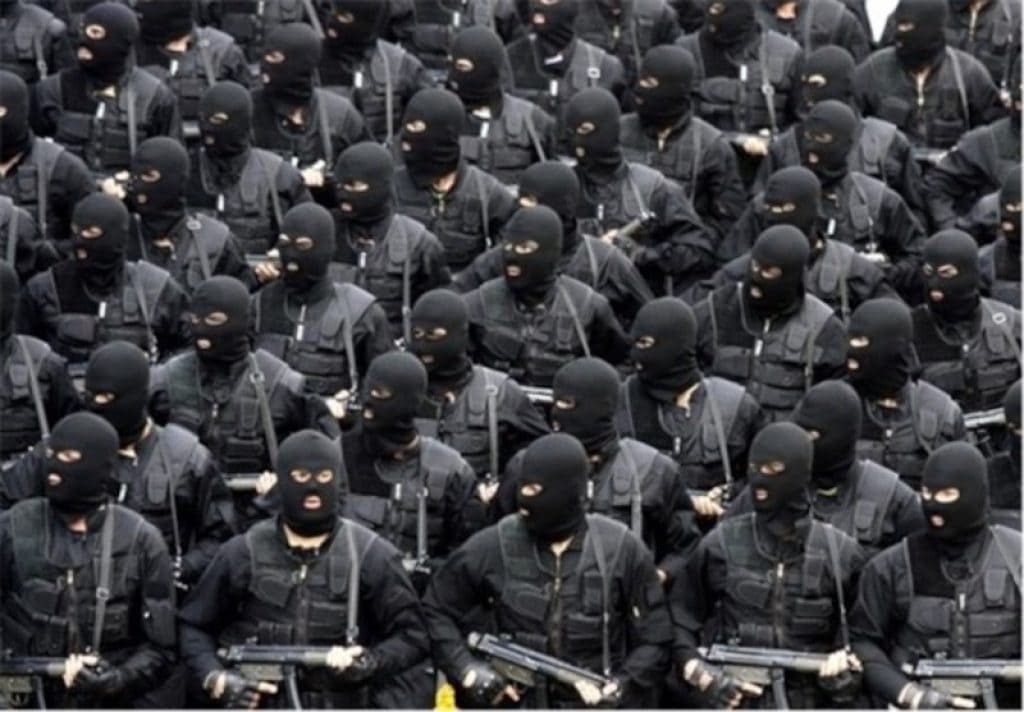
ويستلزم كذلك تقديم الدعم الأمريكي لملايين الإيرانيين الذين يريدون إسقاط النظام — والذين ينزلون إلى الشوارع منذ سنوات يواجهون أجهزة الأمن الإسلامية الوحشية بمفردهم.
وكل هذا يستند إلى رفض منح النظام أي شريان حياة لمواصلة عدوانه الخارجي وقمع الداخلي.
ملاحظة ختامية حول الكاتب والمصدر:
*مارك دوبوويتز هو الرئيس التنفيذي لمؤسسة الدفاع عن الديمقراطيات، حيث يشغل ميعاد ملكي منصب باحث أول فيها.