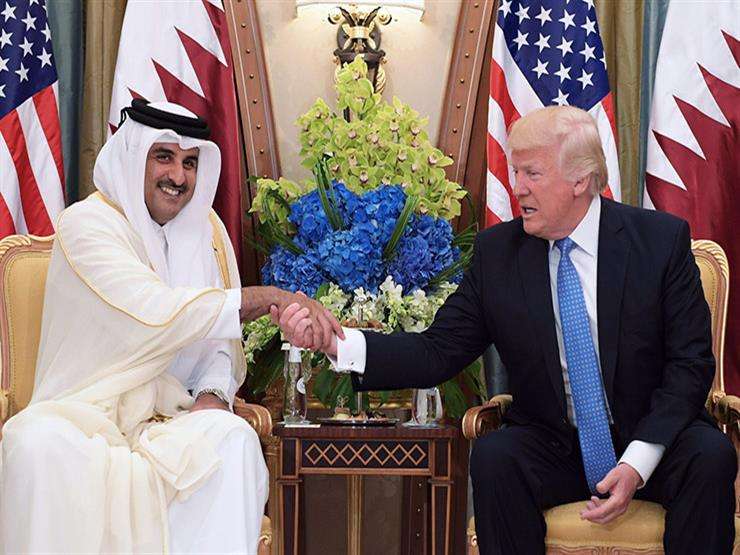
ثلاثة مقالات بالإنكليزية مع ترجمها للعربية تتناول دور قطر الإعلامي الجهادي ونفوذها المالي الدولي التخريبي والأدوار التي تلعبها لدعم الأصولية والإرهابيين
روبرت ويليامز/معهد غاتستون/قطر: إدارة ترامب “تعيد عظمة الدول الراعية للإرهاب
كليفورد د. ماي/صحيفة واشنطن تايم/القطريون الأثرياء بـ جنون
آري بن عام وناتالي إيكانو/منصة ذا سيفير بريف/آلة النفوذ القطرية الجديدة عبر الإنترنت
(الترجمة من الإنكليزية للعربية بواسطة مواقع ذكاء اصطناعي للترجمة)
Three articles in English with Arabic translations address Qatar’s role in jihadist media, its subversive international financial influence, and the roles it plays in supporting fundamentalism and terrorists.
*Qatar: Trump Administration ‘Making States that Sponsor Terrorism Great Again’
Robert Williams/ Gatestone Institute/June 10, 2026
*Crazy rich Qataris
Clifford D. May/The Washington Times/June 10/2026
*Qatar’s New Online Influence Machine
Ari Ben Am and Natalie Ecanow/The Cipher Brief/June10/2026
Qatar: Trump Administration ‘Making States that Sponsor Terrorism Great Again’
Robert Williams/ Gatestone Institute/June 10/ 2026
“Qatar is at the top of funding terrorism worldwide…. Even more than Iran.” — Udi Levy, a former senior official of Israel’s Mossad spy agency who dealt with economic warfare against terrorist organizations, YNet, April 18, 2024.
It was disclosed last week that Qatar has been funding US institutions of learning for years with donations amounting to more than $400 billion. Those were just the ones for which there were receipts.
Qatar also hosts the forward headquarters of US Central Command (CENTCOM) at Al Udeid Air Base in addition to a recent promise from the Trump administration to defend the emirate if it is attacked. It is hardly a secret that Qatar is no friend to Israel. Qatar has been called “A genocidal anti-Israel propaganda machine.” After Trump leaves office, will Qatar be one of the new launchpads from which to try to eliminate the Jewish State?
During the first Trump administration, the US warned Israel that “security cooperation with the U.S. could be reduced,” due to a deal signed with China’s Shanghai International Port Group to operate a new terminal at Haifa Port, where the U.S. Navy ships often dock. How come the US does not have the same concerns with Qatar?
US President Donald J. Trump is reportedly strengthening Qatar’s military and giving immunity from any potential future attack by supplying it with state-of-the-art counter-drone capabilities, including Raytheon’s FS-LIDS system. Qatar is also purchasing the MQ-9B SkyGuardian remotely piloted aircraft system (“the most advanced multi-mission remotely piloted aircraft in the world”). The rapid increase in Qatar’s military power is a direct reflection of the strides that the terror-sponsoring and terror-propagandizing Islamist state has been able to make in its gradual buy-up of a greedy and flatterable Western world.
Wherever you look, Western leaders are engaging in policies that invite civilizational suicide by arming enemies of the West who would like to see it dead. Sadly, the last place one would expect such policies is the Trump administration. It claims it wants to “Make America Great Again.” Now it has been incentivizing countries — such as Qatar, Turkey and Pakistan — that want to “Make States that Sponsor Terrorism Great Again.”
“Qatar,” according to Udi Levy, a former senior official of Israel’s Mossad spy agency who dealt with economic warfare against terrorist organizations, “is at the top of funding terrorism worldwide…. Even more than Iran.”
It was disclosed last week that Qatar has been funding US institutions of learning for years with donations amounting to more than $400 billion. Those were just the ones for which there were receipts.
US President Donald J. Trump is reportedly strengthening Qatar’s military and giving immunity from any potential future attack by supplying it with state-of-the-art counter-drone capabilities, including Raytheon’s FS-LIDS system, for which Qatar will be “the first international customer,” the Trump administration recently boasted. Qatar is also purchasing the MQ-9B SkyGuardian remotely piloted aircraft system (“the most advanced multi-mission remotely piloted aircraft in the world”).
Qatar already has a fleet of F-15 fighter jets and AH-64 Apache attack helicopters. That does not even count what weapons systems Qatar has procured from the Europeans and Communist China.
Since 2014, when all Qatar had to show for itself was a negligible defensive air force, the emirate has been able to attain, according to MEMRI, “one of the most powerful air fleets in the Middle East.”
Qatar also hosts the forward headquarters of US Central Command (CENTCOM) at Al-Udeid Air Base in addition to a recent promise from the Trump administration to defend the emirate if it is attacked.
The rapid increase in Qatar’s military power is a direct reflection of the strides that the terror-sponsoring and terror-propagandizing Islamist state has been able to make in its gradual buy-up of a greedy and flatterable Western world.
President Barack H. Obama began promising fighter jets to Qatar. He approved the sale of F-15s at the end of his term in 2016. It was, however, the first Trump administration that ultimately signed and finalized the fighter jets deal in 2017, ironically after Trump himself had declared that “the nation of Qatar, unfortunately, has historically been a funder of terrorism at a very high level.”
Significantly, this announcement came at a time when Saudi Arabia, Egypt, the UAE and Bahrain had cut diplomatic ties with Qatar, closed their borders and airspace to Qatar, and imposed an economic blockade that lasted more than three years, to counter “Qatar’s embrace of various terrorist and sectarian groups aimed at destabilizing the region, including the Muslim Brotherhood, Al-Qaeda, Daesh and groups supported by Iran,” according to Saudi Arabia.
Arming Qatar is a terrible idea: Qatar is most likely still supporting most of the same terrorist forces. What is to stop Qatar from supplying terrorist groups with the very military technology to which the US is giving it access?
Empowering Qatar is irresponsible – not just to the region, but to the US and the world at large.
It is hardly a secret that Qatar is no friend to Israel. Qatar has been called “A genocidal anti-Israel propaganda machine.” After Trump leaves office, will Qatar be one of the new launchpads from which to try to eliminate the Jewish State?
The US and Qatar, during Trump’s visit in May, agreed that this terror-sponsoring Islamist state would be investing up to $38 billion “in potential investments including support for burden-sharing at Al Udeid Air Base and future defense capabilities related to air defense and maritime security.”
Communist China’s Huawei is supplying Qatar’s telecommunications network, deepening its AI engagement in Qatar and building “smart cities” to surveil everyone.
The Trump administration, however, evidently has no problem operating in Qatar, hostile as it is to the entire West, and presumably swarming in Chinese spying devices. During the first Trump administration, the US warned Israel that “security cooperation with the U.S. could be reduced,” due to a deal signed with China’s Shanghai International Port Group to operate a new terminal at Haifa Port, where the U.S. Navy ships often dock. How come the US does not have the same concerns with Qatar?
Robert Williams is based in the United States.
https://www.gatestoneinstitute.org/22593/trump-qatar-terrorism
© 2026 Gatestone Institute. All rights reserved. The articles printed here do not necessarily reflect the views of the Editors or of Gatestone Institute.
قطر: إدارة ترامب تعيد عظمة الدول الراعية للإرهاب
روبرت ويليامز/معهد غاتستون/ ١٠ حزيران ٢٠٢٦
“قطر في صدارة تمويل الإرهاب عالميًا… حتى أكثر من إيران.” – عودي ليفي، مسؤول سابق رفيع المستوى في جهاز الموساد الإسرائيلي، المختص بالحرب الاقتصادية ضد المنظمات الإرهابية، YNet، ١٨ أبريل ٢٠٢٤. وقد كُشف الأسبوع الماضي أن قطر تموّل مؤسسات تعليمية أمريكية منذ سنوات بتبرعات تجاوزت ٤٠٠ مليار دولار. وهذه فقط التبرعات التي تم توثيقها رسميًا.
كما تستضيف قطر المقر الأمامي للقيادة المركزية الأمريكية (CENTCOM) في قاعدة العديد الجوية، بالإضافة إلى وعدٍ قطعته إدارة ترامب مؤخرًا بالدفاع عن الإمارة في حال تعرضها لهجوم. وليس سرًا أن قطر ليست صديقة لإسرائيل، بل وُصفت بأنها “آلة دعائية معادية لإسرائيل ترتكب جرائم إبادة جماعية”. بعد مغادرة ترامب منصبه، هل ستكون قطر إحدى المنصات الجديدة التي يُسعى من خلالها إلى القضاء على دولة إسرائيل؟
خلال فترة رئاسة ترامب الأولى، حذّرت الولايات المتحدة إسرائيل من احتمال تقليص التعاون الأمني معها، وذلك بسبب اتفاقية وُقّعت مع مجموعة موانئ شنغهاي الدولية الصينية لتشغيل محطة جديدة في ميناء حيفا، حيث ترسو سفن البحرية الأمريكية بشكل متكرر. فلماذا لا تُبدي الولايات المتحدة نفس المخاوف تجاه قطر؟
تشير التقارير إلى أن الرئيس الأمريكي دونالد جيه. ترامب يُعزّز القدرات العسكرية القطرية ويمنحها حصانة من أي هجوم مُحتمل في المستقبل، وذلك بتزويدها بأحدث تقنيات مكافحة الطائرات المُسيّرة، بما في ذلك نظام FS-LIDS من شركة رايثيون. كما تُجري قطر عمليات شراء لطائرات MQ-9B SkyGuardian المُسيّرة عن بُعد (“أكثر الطائرات المُسيّرة عن بُعد تطورًا في العالم من حيث المهام المتعددة”). إن التزايد السريع في القوة العسكرية القطرية يعكس بشكل مباشر التقدم الذي أحرزته الدولة الإسلامية الراعية للإرهاب والناشرة له، في سعيها التدريجي لكسب ود العالم الغربي المتلهف والمتملق.
أينما اتجهنا، نجد القادة الغربيين ينتهجون سياسات تدعو إلى انتحار حضاري بتسليحهم أعداء الغرب الذين يتمنون زواله. وللأسف، فإن آخر مكان يُتوقع فيه مثل هذه السياسات هو إدارة ترامب. فهي تدّعي رغبتها في “إعادة أمريكا إلى عظمتها”. والآن، تُشجع دولًا – مثل قطر وتركيا وباكستان – التي تسعى إلى “إعادة الدول الراعية للإرهاب إلى عظمتها”.
ويقول عودي ليفي، المسؤول السابق في جهاز الموساد الإسرائيلي، والذي كان مسؤولًا عن الحرب الاقتصادية ضد المنظمات الإرهابية: “قطر في طليعة الدول الممولة للإرهاب على مستوى العالم… حتى أكثر من إيران”.
كُشف الأسبوع الماضي أن قطر تموّل المؤسسات التعليمية الأمريكية منذ سنوات بتبرعات تجاوزت 400 مليار دولار. وهذه فقط التبرعات التي تم توثيقها رسميًا.
وتفيد التقارير أن الرئيس الأمريكي دونالد جيه. ترامب يُعزز القدرات العسكرية القطرية ويمنحها حصانة من أي هجوم محتمل في المستقبل، وذلك بتزويدها بأحدث تقنيات مكافحة الطائرات المسيّرة، بما في ذلك نظام FS-LIDS من شركة رايثيون، والذي ستكون قطر “أول عميل دولي” له، وفقًا لما تفاخرت به إدارة ترامب مؤخرًا. كما تشتري قطر نظام الطائرات المسيّرة عن بُعد MQ-9B SkyGuardian (“أكثر الطائرات المسيّرة عن بُعد متعددة المهام تطورًا في العالم”).
تمتلك قطر بالفعل أسطولًا من طائرات F-15 المقاتلة ومروحيات AH-64 أباتشي الهجومية. هذا فضلًا عن أنظمة الأسلحة التي حصلت عليها قطر من الأوروبيين والصين.
تمتلك قطر بالفعل أسطولًا من طائرات F-15 المقاتلة ومروحيات AH-64 أباتشي الهجومية. منذ عام ٢٠١٤، حين لم يكن لدى قطر سوى قوة جوية دفاعية ضئيلة، تمكنت الإمارة، وفقًا لمعهد ميمري، من امتلاك “أحد أقوى الأساطيل الجوية في الشرق الأوسط”.
كما تستضيف قطر المقر الأمامي للقيادة المركزية الأمريكية (سنتكوم) في قاعدة العديد الجوية، بالإضافة إلى وعدٍ قطعته إدارة ترامب مؤخرًا بالدفاع عن الإمارة في حال تعرضها لهجوم.
يُعدّ هذا التطور السريع في القوة العسكرية القطرية انعكاسًا مباشرًا للتقدم الذي أحرزته الدولة الإسلامية الراعية للإرهاب والناشرة له، في سعيها التدريجي لكسب ودّ العالم الغربي الطامع والمتملق.
وقد بدأ الرئيس باراك أوباما بتقديم وعودٍ بتزويد قطر بطائرات مقاتلة. وافق على بيع طائرات إف-15 في نهاية ولايته عام 2016. إلا أن إدارة ترامب كانت الأولى التي وقّعت وأتمّت صفقة الطائرات المقاتلة عام 2017، ومن المفارقات أن ذلك جاء بعد أن صرّح ترامب نفسه بأن “دولة قطر، للأسف، لطالما كانت مموّلاً للإرهاب على مستوى عالٍ جدًا”.
ومن اللافت للنظر أن هذا الإعلان جاء في وقت قطعت فيه السعودية ومصر والإمارات والبحرين علاقاتها الدبلوماسية مع قطر، وأغلقت حدودها ومجالها الجوي أمامها، وفرضت حصارًا اقتصاديًا عليها استمر لأكثر من ثلاث سنوات، وذلك لمواجهة “احتضان قطر لجماعات إرهابية وطائفية مختلفة تهدف إلى زعزعة استقرار المنطقة، بما في ذلك جماعة الإخوان المسلمين والقاعدة وداعش وجماعات مدعومة من إيران”، وفقًا للسعودية.
تسليح قطر فكرة كارثية: فمن المرجح أن قطر لا تزال تدعم معظم الجماعات الإرهابية نفسها. ما الذي يمنع قطر من تزويد الجماعات الإرهابية بالتكنولوجيا العسكرية التي تمنحها الولايات المتحدة إمكانية الوصول إليها؟
تمكين قطر عمل غير مسؤول، ليس فقط تجاه المنطقة، بل تجاه الولايات المتحدة والعالم أجمع.
ليس سراً أن قطر ليست حليفاً لإسرائيل. فقد وُصفت بأنها “آلة دعائية معادية لإسرائيل ترتكب إبادة جماعية”. بعد رحيل ترامب عن منصبه، هل ستكون قطر إحدى المنصات الجديدة التي تُنطلق منها محاولات القضاء على الدولة اليهودية؟
اتفقت الولايات المتحدة وقطر، خلال زيارة ترامب في مايو/أيار، على أن تستثمر هذه الدولة الإسلامية الراعية للإرهاب ما يصل إلى 38 مليار دولار “في استثمارات محتملة تشمل دعم تقاسم الأعباء في قاعدة العديد الجوية، وتطوير قدرات دفاعية مستقبلية تتعلق بالدفاع الجوي والأمن البحري”.
تُزوّد شركة هواوي الصينية الشيوعية شبكة الاتصالات القطرية، وتُعمّق مشاركتها في مجال الذكاء الاصطناعي في قطر، وتُشيّد “مدناً ذكية” لمراقبة الجميع. تُزوّد شركة هواوي الصينية الشيوعية قطر بشبكة الاتصالات، وتُعمّق مشاركتها في مجال الذكاء الاصطناعي في قطر، وتُشيّد “مدناً ذكية” لمراقبة الجميع.
مع ذلك، يبدو أن إدارة ترامب لا تجد غضاضة في العمل في قطر، رغم عدائها للغرب بأسره، وانتشار أجهزة التجسس الصينية فيها على الأرجح. خلال ولاية ترامب الأولى، حذّرت الولايات المتحدة إسرائيل من احتمال تقليص التعاون الأمني معها، وذلك بسبب اتفاقية وُقّعت مع مجموعة موانئ شنغهاي الدولية الصينية لتشغيل محطة جديدة في ميناء حيفا، حيث ترسو سفن البحرية الأمريكية بشكل متكرر. فلماذا لا تُبدي الولايات المتحدة نفس المخاوف تجاها
قطر؟
روبرت ويليامز مقيم في الولايات المتحدة.
معهد غاتستون. جميع الحقوق محفوظة. لا تعكس المقالات المنشورة هنا بالضرورة آراء المحررين أو معهد غاتستون.
Crazy rich Qataris
Clifford D. May/The Washington Times/June 10, 2026
For centuries, Qatar was a sparsely populated sheikhdom under the loose influence of successive Islamic empires, caliphates, and regional Arab rulers. In 1916, it transitioned into a British protectorate.
At that time, its main industry was pearl diving – which sounds romantic but was, in fact, an arduous trade. Divers suffered from ruptured eardrums and chronic lung ailments. During the off-season many families lived in poverty.
Conditions in Qatar deteriorated sharply when the Great Depression reduced global demand for luxuries, and cultured pearls from Japan devastated the market for natural pearls.
Then, in 1939, geologists working for a European/American consortium discovered oil beneath the Connecticut-sized peninsula’s desert sands. Ten years later, commercial extraction began.
In 1971, Shell geologists discovered natural gas reserves offshore that proved to be the largest field in the world. That same year, the British granted Qatar independence.
Today, Qatar has a population of roughly 330,000 citizens – about equal to Honolulu – and, thanks to petroleum, they’re crazy rich.
So, the question is: How are the Qataris spending their fortune?
Natalie Ecanow, a senior research analyst at the Foundation for Defense of Democracies (FDD), has spent over a year digging through financial records. She’s found more than $400 billion spent in the U.S. since 2000 – approximately $1.2 million for every Qatari citizen. And that’s probably a lowball figure because much of Qatar’s spending is tough to track.
Qataris have poured money into multiple sectors of the U.S. economy, including real estate, sports teams, and Hollywood studios. The Qataris also spent more than $295 million on roughly 70 lobbying and public relations firms.
In addition, they buy gifts for officials, donate to think tanks, underwrite congressional baseball games and pick up the tab for elaborate dinner parties for the Washington media elite.
The Qataris have garnered good will at the Pentagon by hosting, since 2003, the U.S. air operations center at their Al-Udeid base. In 2022, President Biden named Qatar a “Major Non-NATO ally.” President Trump hasn’t removed that designation and, in 2025, extended U.S. security assurances to Qatar.
Qatar has provided a Boeing 747, valued at roughly $400 million, that’s being refurbished for use as Air Force One during President Trump’s term.
None of these activities appears to be illegal, but recall Qatargate: In 2022, Belgian authorities arrested several members of the European Parliament for allegedly accepting bribes from Qatar to influence EU policy.
In a foreword to “Mapping Qatar’s $400 Billion Footprint in the United States,” FDD executive director Jonathan Schanzer points out that the ruling Al Thani family has sheltered Al-Qaeda, supported the Taliban, remains a patron of Hamas, and is the primary backer of the Muslim Brotherhood, “a global network of violent and nonviolent Islamist groups that seek the downfall of the West. Several branches of this network have recently been sanctioned by the U.S. government.”
If you understand this, you also grasp why it’s disturbing that Qatar has spent more than $8.8 billion to infiltrate U.S. higher education.
The schools that receive the most Qatari funding are those with satellite campuses in Doha: Cornell, Carnegie Mellon, Georgetown, Northwestern, Virginia Commonwealth, and Texas A&M —which announced in 2024 that it will close its Doha campus by 2028.
Qatar also has set up partnerships with Historically Black Colleges and Universities. Commentator Dumisani Washington observed that the HBCUs “are following the example of the President and bipartisan lawmakers on Capitol Hill: Take Muslim Brotherhood terrorist money, because everyone else is.”
But wait, there’s more! Since 2009, the Qataris have been providing funds to public K-12 schools, including “study abroad” trips to Doha, and “suggestions” for curricula concerning the Middle East. The dollar amounts invested are difficult to ascertain, but FDD researchers are working on it.
As an old ink-stained wretch, I’m no less troubled by Qatar’s Al Jazeera Media Network. Though most of the spending on these channels is not in the U.S., they influence what Americans see, read, and hear.
Al Jazeera was founded in 1996. In its early years, as noted by Shibley Telhami, a professor at the University of Maryland, it gave “voice to Osama bin Laden.” Following the terrorist attacks of Sept. 11, 2001, the scholar Fouad Ajami wrote in the New York Times magazine that “Al Jazeera deliberately fans the flames of Muslim outrage.”
For years, Al Jazeera featured Yusuf al-Qaradawi, who defended the death penalty for Muslims who convert and praised Imad Mughniyah, the Hezbollah mastermind behind the 1983 suicide bombings that slaughtered 241 Americans and 58 French servicemen in Beirut.
As noted in the FDD report, a clip of former Qatari Prime Minister Hamad bin Jassim Al-Thani resurfaced in November 2025 in which he boasts that Doha “had journalists on our payroll in many countries.” In 2020, the U.S. Justice Department ordered Al Jazeera’s U.S.-based affiliate, AJ+, to register under the Foreign Agents Registration Act (FARA). It failed to comply, for which there were no serious repercussions.
These days, Al Jazeera’s content is absorbed into the large language models that power many AI platforms. Its coverage is more accessible to AI training pipelines than articles in Western media that are locked behind paywalls. That gives Al Jazeera an advantage in shaping what AI systems “know.”
I’ll conclude by highlighting a glaring irony: The Qataris are crazy rich thanks to Western science and capitalism, and they are using their lucre to support the Muslim Brotherhood whose mission is to bring down the West.
Mr. al-Qaradawi, who died in Doha in 2022 at age 96, was quite clear about that. He argued relentlessly that Muslims are obliged to spread “Islam until it conquers the entire world and includes both the East and West, [marking] the beginning of the return of the Islamic caliphate.”
**Clifford D. May is founder and president of the Foundation for Defense of Democracies (FDD), a columnist for the Washington Times, and host of the “Foreign Podicy” podcast.
https://www.washingtontimes.com/news/2026/jun/9/muslim-brotherhood-backers-qatar-indoctrinating-children/
Read in The Washington Time
القطريون الأثرياء بـ جنون
كليفورد د. ماي/صحيفة “واشنطن تايمز/10 حزيران 2026
على مدى قرون، كانت قطر إمارة ذات كشافة سكانية ضئيلة، تخضع لنفوذ فضفاض لإمبراطوريات إسلامية متعاقبة، وخلافات، وحكام عرب إقليميين. وفي عام 1916، تحولت إلى محمية بريطانية.
في ذلك الوقت، كانت صناعتها الرئيسية هي الغوص بحثاً عن اللؤلؤ – وهو ما يبدو رومانسياً ولكنه كان في الواقع تجارة شاقة؛ إذ كان الغواصون يعانون من تمزق طبلة الأذن وأمراض الرئة المزمنة. وخلال مواسم الركود، عاشت عائلات كثيرة في فقر مدقع.
وقد تدهورت الأوضاع في قطر بشكل حاد عندما أدى “الكساد الكبير” إلى انخفاض الطلب العالمي على السلع الفاخرة، كما دمر اللؤلؤ المستزرع في اليابان سوق اللؤلؤ الطبيعي.
ثم في عام 1939، اكتشف جيولوجيون يعملون لصالح تحالف أوروبي/أمريكي النفط تحت رمال صحراء شبه الجزيرة التي تماثل مساحتها ولاية كونيتيكت. وبعد عشر سنوات، بدأ الاستخراج التجاري.
وفي عام 1971، اكتشف جيولوجيو شركة “شل” احتياطيات من الغاز الطبيعي في البحر، والتي تبين أنها أكبر حقل في العالم. وفي العام نفسه، منحت بريطانيا قطر استقلالها.
واليوم، يبلغ عدد مواطني قطر حوالي 330 ألف نسمة – وهو ما يعادل تقريباً عدد سكان هونولولو – وبفضل النفط، أصبحوا أثرياء بـ جنون.
إذن، السؤال هو: كيف ينفق القطريون ثروتهم؟
قضت ناتالي إيكانو، وهي باحثة أولى في “مؤسسة الدفاع عن الديمقراطيات” (FDD)، أكثر من عام في البحث في السجلات المالية. ووجدت أن أكثر من 400 مليار دولار قد أُنفقت في الولايات المتحدة منذ عام 2000 – أي ما يعادل حوالي 1.2 مليون دولار لكل مواطن قطري. وربما يكون هذا الرقم متحفظاً (أقل من الواقع) لأن الكثير من الإنفاق القطري يصعب تتبعه.
لقد ضخ القطريون الأموال في قطاعات متعددة من الاقتصاد الأمريكي، بما في ذلك العقارات، والفرق الرياضية، واستوديوهات هوليوود. كما أنفق القطريون أكثر من 295 مليون دولار على نحو 70 شركة لضغط القرار (اللوبي) والعلاقات العامة.
بالإضافة إلى ذلك، فإنهم يشترون الهدايا للمسؤولين، ويتبرعون لمراكز الفكر، ويمولون مباريات البيسبول في الكونغرس، ويتكفلون بفواتير حفلات العشاء الفاخرة لنخبة وسائل الإعلام في واشنطن.
وقد نال القطريون رضا “البنتاغون” (وزارة الدفاع الأمريكية) من خلال استضافة مركز العمليات الجوية الأمريكي في قاعدة “العيديد” منذ عام 2003. وفي عام 2022، وصف الرئيس بايدن قطر بأنها “حليف رئيسي خارج حلف الناتو”. ولم يقم الرئيس ترامب بإلغاء هذا التصنيف، بل قام في عام 2025 بتمديد الضمانات الأمنية الأمريكية لقطر.
كما قدمت قطر طائرة بوينغ 747، تقدر قيمتها بنحو 400 مليون دولار، ويجري تجديدها لتُستخدم كطائرة رئاسية (Air Force One) خلال فترة ولاية الرئيس ترامب.
لا يبدو أن أيًا من هذه الأنشطة غير قانوني، ولكن لنتذكر قضية “قطر غيت” (Qatargate): في عام 2022، اعتقلت السلطات البلجيكية عدة أعضاء في البرلمان الأوروبي بزعم قبولهم رشاوى من قطر للتأثير على سياسة الاتحاد الأوروبي.
وفي مقدمة لتقرير “رسم خرائط البصمة القطرية البالغة 400 مليار دولار في الولايات المتحدة”، يشير المدير التنفيذي لـمؤسسة الدفاع عن الديمقراطيات، جوناثان شانزر، إلى أن عائلة آل ثاني الحاكمة آوت تنظيم القاعدة، ودعمت حركة طالبان، وما زالت راعية لحركة حماس، وهي الداعم الرئيسي لجماعة الإخوان المسلمين، التي وصفها بأنها “شبكة عالمية من الجماعات الإسلامية العنيفة وغير العنيفة التي تسعى إلى إسقاط الغرب. وقد فرضت الحكومة الأمريكية مؤخراً عقوبات على عدة فروع لهذه الشبكة”.
إذا فهمت هذا، فستدرك أيضاً لماذا يبدو الأمر مقلقاً بأن قطر أنفقت أكثر من 8.8 مليار دولار للتغلغل في التعليم العالي الأمريكي.
والمدارس (الجامعات) التي تتلقى أكبر قدر من التمويل القطري هي تلك التي لديها فروع جامعية في الدوحة: كورنيل، كارنيجي ميلون، جورج تاون، نورث وسترن، فرجينيا كومونويلث، وتكساس إي آند إم — والتي أعلنت في عام 2024 أنها ستغلق فرعها في الدوحة بحلول عام 2028.
كما أنشأت قطر شراكات مع “كليات وجامعات السود التاريخية” (HBCUs). وعلّق المحلل دوميساني واشنطن قائلاً إن هذه الكليات والجامعات “تتبع نموذج الرئيس والمشرعين من الحزبين في الكابيتول هيل: خذ أموال الإرهاب من الإخوان المسلمين، لأن الجميع يفعل ذلك”.
ولكن انتظر، هناك المزيد! فمنذ عام 2009، يقدّم القطريون التمويل للمدارس الحكومية من الروضة وحتى الصف الثاني عشر (K-12)، بما في ذلك رحلات “الدراسة في الخارج” إلى الدوحة، وتقديم “مقترحات” للمناهج الدراسية المتعلقة بالشرق الأوسط. ويصعب تحديد المبالغ المستثمرة بالدولار، لكن باحثي مؤسسة الدفاع عن الديمقراطيات يعملون على ذلك.
وكصحفي مخضرم من الجيل القديم، لا يقل قلقي تجاه شبكة الجزيرة الإعلامية القطرية. ورغم أن معظم الإنفاق على هذه القنوات لا يتم داخل الولايات المتحدة، إلا أنها تؤثر على ما يراه الأمريكيون ويقرأونه ويسمعونه.
تأسست الجزيرة عام 1996. وفي سنواتها الأولى، كما أشار شبلي تلهامي، الأستاذ بجامعة ميريلاند، أعطت “صوتاً لأسامة بن لادن”. وفي أعقاب الهجمات الإرهابية في 11 سبتمبر 2001، كتب الباحث فؤاد عجمي في مجلة “نيويورك تايمز” أن “الجزيرة تأجج مشاعر الغضب الإسلامي عمداً”.
ولسنوات طويلة، استضافت الجزيرة يوسف القرضاوي، الذي دافع عن عقوبة الإعدام للمسلمين المرتدين، وأشاد بعماد مغنية، العقل المدبر لحزب الله وراء التفجيرات الانتحارية عام 1983 التي أودت بحياة 241 أمريكياً و58 جندياً فرنسياً في بيروت.
وكما ورد في تقرير مؤسسة الدفاع عن الديمقراطيات، ظهر مجدداً مقطع فيديو لرئيس الوزراء القطري الأسبق حمد بن جاسم آل ثاني في نوفمبر 2025، يتباهى فيه بأن الدوحة “كان لديها صحفيون على قوائم رواتبنا في العديد من الدول”. وفي عام 2020، أمرت وزارة العدل الأمريكية التابعة لشبكة الجزيرة في الولايات المتحدة، “+AJ”، بالتسجيل بموجب قانون تسجيل الوكلاء الأجانب (FARA). لكنها لم تمتثل، ولم تكن هناك تداعيات خطيرة على ذلك.
في هذه الأيام، يتم استيعاب محتوى الجزيرة في نماذج اللغات الكبيرة (LLMs) التي تشغل العديد من منصات الذكاء الاصطناعي. وتعد تغطيتها أكثر سهولة في الوصول لخطوط تدريب الذكاء الاصطناعي مقارنة بالمقالات في وسائل الإعلام الغربية المحجوبة خلف جدران الدفع (الاشتراكات المدفوعة). وهذا يمنح الجزيرة ميزة في تشكيل ما “تعرفه” أنظمة الذكاء الاصطناعي.
سأختتم بتسليط الضوء على مفارقة صارخة: القطريون أثرياء بـ جنون بفضل العلم الغربي والرأسمالية، وهم يستخدمون أموالهم لدعم جماعة الإخوان المسلمين التي تتمثل مهمتها في إسقاط الغرب.
وكان السيد القرضاوي، الذي توفي في الدوحة عام 2022 عن عمر يناهز 96 عاماً، واضحاً تماماً بشأن ذلك؛ حيث جادل بلا كلل بأن المسلمين ملزمون بنشر “الإسلام حتى يفتح العالم كله ويشمل الشرق والغرب، [مما يمثل] بداية عودة الخلافة الإسلامية”.
*كليفورد د. ماي هو المؤسس والرئيس لمؤسسة الدفاع عن الديمقراطيات (FDD)، وكاتب عمود في صحيفة واشنطن تايمز، ومقدم البودكاست السياسي
Qatar’s New Online Influence Machine
Ari Ben Am and Natalie Ecanow/The Cipher Brief/June10/2026
https://www.fdd.org/analysis/2026/06/09/qatars-new-online-influence-machine/
For years, Qatar has positioned itself in Washington as a trusted American partner: a host to major U.S. military assets, a mediator in hostage negotiations, and a wealthy Gulf state capable of talking to nearly everyone in a turbulent region. At the same time, Doha has earned a reputation for exerting influence by illicit means, such as the bribes that secured it the right to host soccer’s 2022 World Cup. Less recognized is the Qatari regime’s employment of an artificial media platform that poses as an independent news organization while promoting Doha’s agenda.
To complement Al Jazeera, its global media powerhouse, Doha created Eekad, an Arabic-language media platform that presents itself as an independent fact-checking and open-source investigative outlet. In actuality, Eekad is part of an opaque digital ecosystem with links to Qatari government ministries and contracted PR firms that consistently pushes narratives aligned with Qatar’s geopolitical interests, while attacking many of Doha’s regional rivals.
Eekad produces polished content that mimics serious investigations by using satellite imagery, network analysis graphs, and short-form videos designed for mass consumption across the Arabic-speaking world. It has built a strong audience online but obfuscates who funds, operates, and controls the platform. What is clear, however, is that multiple Eekad employees simultaneously worked at Al Jazeera, Qatari ministries, and state-affiliated organizations.
Eekad’s messaging follows a remarkable pattern. It regularly criticizes Israel, Saudi Arabia, and the United Arab Emirates while defending Hamas and dismissing criticism of Qatar. For example, after Hamas’s October 7, 2023 massacre in Israel, the platform questioned reports of atrocities committed against Israeli civilians while portraying criticism of Hamas as part of coordinated foreign influence campaigns. This jibes with Qatar’s position of holding Israel “solely responsible” for the October 7 massacre.
Eekad has also repeatedly defended Qatar’s reputation by attempting to debunk criticism of Doha. The platform worked to discredit allegations of labor abuses tied to the 2022 World Cup despite FIFA finding that “severe human rights impacts did ultimately occur in Qatar.”
These are the same narratives and talking points that Qatar has peddled outside the shadows of social media. Documents submitted to the U.S. Department of Justice pursuant to the Foreign Agents Registration Act show how Qatar has spent over $235 million dollars employing dozens of American lobbying and public relations firms to polish Qatar’s reputation and promote its relationship with the United States.
In some cases, Doha has employed U.S. firms specifically for outreach to traditional media. Tucker Carlson’s viral 2025 interview with Qatar’s prime minister is a product of these efforts. Qatar has invested in a significant U.S. media campaign in recent months, hiring a former CNN producer to serve as a registered agent in the United States, and encouraging Qatar-based academics to “examine strategies of sectarian hate speech and propaganda on social media in the Gulf region.”
The patterns hinting at direct Qatari government control of Eekad are difficult to dismiss. Washington tends to think about foreign influence through the lens of Russian troll farms or Chinese espionage, but Qatar is working to earn itself a place on that list.
Today’s influence campaigns increasingly operate through decentralized digital ecosystems: “independent” brands, influencers, and social media networks that can maintain plausible deniability while still advancing state interests. This is no secret to Qatar, which brought a group of conservative influencers to Doha over Thanksgiving 2025 on a luxury trip that resembled a sophisticated foreign influence campaign rather than an educational endeavor. One influencer, a veteran with nearly half-a-million followers on X, said he had an “eye-opening few days” learning about “the unique and mutually beneficial military and financial partnerships that we share with Qatar.” Months later, another online personality said that Qatar had invited him on the influencer trip but then told him that “they ran out of money for ticket allocation” after he posted a video “questioning Qatar’s influence in America.”
Platforms like Eekad are effective because they do not resemble traditional state propaganda outlets. Their content adopts the aesthetics of scrappy open-source intelligence and online fact-checking outlets, helping the material to appear credible to ordinary viewers. It is a suitable approach for countries like Qatar, which seek to maintain close military and diplomatic ties with Washington while promoting narratives directly harmful to American interests.
When meeting with Qatari counterparts, senior U.S. leaders should make clear they aware of Qatar’s underhanded methods and that Washington will strip Doha of the privileges of being ally if behaves like an adversary.
**Ari Ben Am is an adjunct fellow at FDD’s Center on Cyber and Technology Innovation. His research focuses on emerging threats, influence and information operations, cyber operations, and hybrid warfare. Natalie Ecanow is a senior research analyst at the Foundation for Defense of Democracies (FDD) focusing on the Middle East and the Gulf.
آلة النفوذ القطرية الجديدة عبر الإنترنت
آري بن عام وناتالي إيكانو/منصة ذا سيفير بريف/10 حزيران 2026
على مدى سنوات، صوّرت قطر نفسها في واشنطن كشريك أمريكي موثوق؛ فهي تستضيف أصولاً عسكرية أمريكية رئيسية، وتلعب دور الوسيط في مفاوضات الرهائن، وتطرح نفسها كدولة خليجية ثرية قادرة على التحدث مع الجميع تقريباً في منطقة مضطربة. وفي الوقت نفسه، اكتسبت الدوحة سمعة طيبة في ممارسة النفوذ بوسائل غير مشروعة، مثل الرشاوى التي ضمنت لها حق استضافة كأس العالم لكرة القدم عام 2022. غير أن الأمر الأقل إدراكاً هو توظيف النظام القطري لمنصة إعلامية مصطنعة تتخفى في زي منظمة إخبارية مستقلة بينما تروج لأجندة الدوحة.
واستكمالاً لشبكة “الجزيرة”، القوة الإعلامية العالمية التابعة لها، أنشأت الدوحة منصة “إيكاد” (Eekad)، وهي منصة إعلامية باللغة العربية تقدم نفسها كجهة مستقلة لتأكيد الحقائق والتحقيقات القائمة على المصادر المفتوحة. وفي الواقع، تعد “إيكاد” جزءاً من منظومة رقمية غامضة لها صلات بوزارات حكومية قطرية وشركات علاقات عامة متعاقد معها، وتدفع باستمرار بروايات تتماشى مع مصالح قطر الجيوسياسية، بينما تهاجم العديد من منافسي الدوحة الإقليميين.
تنتج “إيكاد” محتوى مصقولاً يحاكي التحقيقات الجادة باستخدام صور الأقمار الصناعية، ورسوم بيانية لتحليل الشبكات، ومقاطع فيديو قصيرة مصممة للاستهلاك الجماهيري في جميع أنحاء العالم الناطق باللغة العربية. وقد نجحت في بناء جمهور قوي على الإنترنت، لكنها تخفي هوية من يمول المنصة ويديرها ويتحكم فيها. ومع ذلك، فإن الأمر الواضح هو أن العديد من موظفي “إيكاد” عملوا بالتزامن في شبكة الجزيرة، والوزارات القطرية، والمنظمات التابعة للدولة.
وتتبع الرسائل الإعلامية لـ “إيكاد” نمطاً لافتاً؛ إذ تنتقد بانتظام إسرائيل والمملكة العربية السعودية والإمارات العربية المتحدة، بينما تدافع عن حركة حماس وتدحض الانتقادات الموجهة لقطر. على سبيل المثال، بعد المجزرة التي نفذتها حماس في 7 أكتوبر 2023 في إسرائيل، شككت المنصة في التقارير المتعلقة بالفظائع المرتكبة ضد المدنيين الإسرائيليين، بينما صوّرت الانتقادات الموجهة لحماس على أنها جزء من حملات نفوذ أجنبية منسقة. ويتوافق هذا مع موقف قطر المتمثل في تحميل إسرائيل “المسؤولية وحدها” عن مجزرة 7 أكتوبر.
كما دافعت “إيكاد” مراراً وتكراراً عن سمعة قطر من خلال محاولة تفنيد الانتقادات الموجهة للدوحة. وعملت المنصة على تشويه المزاعم المتعلقة بانتهاكات حقوق العمال المرتبطة بكأس العالم 2022، على الرغم من توصل الاتحاد الدولي لكرة القدم (فيفا) إلى أن “تأثيرات شديدة على حقوق الإنسان قد حدثت بالفعل في قطر في نهاية المطاف”.
وهذه هي نفس الروايات ونقاط النقاش التي روجت لها قطر خارج ظلال وسائل التواصل الاجتماعي. وتظهر الوثائق المقدمة إلى وزارة العدل الأمريكية بموجب قانون تسجيل الوكلاء الأجانب (FARA) كيف أنفقت قطر أكثر من 235 مليون دولار لتوظيف عشرات شركات اللوبي والعلاقات العامة الأمريكية لتلميع سمعة قطر وتعزيز علاقتها مع الولايات المتحدة.
وفي بعض الحالات، استعانت الدوحة بشركات أمريكية خصيصاً للتواصل مع وسائل الإعلام التقليدية. وتعد المقابلة الشهيرة التي أجراها تاكر كارلسون عام 2025 مع رئيس الوزراء القطري نتاجاً لهذه الجهود. وقد استثمرت قطر في حملة إعلامية كبيرة في الولايات المتحدة خلال الأشهر الأخيرة، حيث عينت منتجاً سابقاً في قناة (CNN) ليعمل كوكيل مسجل في الولايات المتحدة، وشجعت الأكاديميين المقيمين في قطر على “فحص استراتيجيات خطاب الكراهية الطائفي والدعاية على وسائل التواصل الاجتماعي في منطقة الخليج”.
إن الأنماط التي تشير إلى سيطرة الحكومة القطرية المباشرة على “إيكاد” يصعب تجاهلها. وتميل واشنطن عادة إلى التفكير في النفوذ الأجنبي من منظور “مزارع الذباب الإلكتروني” الروسية أو التجسس الصيني، لكن قطر تعمل على حجز مكان لنفسها في تلك القائمة.
وتعمل حملات النفوذ اليوم بشكل متزايد من خلال منظومات رقمية لا مركزية: علامات تجارية “مستقلة”، ومؤثرون، وشبكات تواصل اجتماعي يمكنها الحفاظ على إنكار مقنع لارتباطها بالدولة مع الاستمرار في تقديم مصالحها. وهذا ليس سراً بالنسبة لقطر، التي جلبت مجموعة من المؤثرين المحافظين إلى الدوحة خلال عطلة عيد الشكر عام 2025 في رحلة فاخرة بدت وكأنها حملة نفوذ أجنبي متطورة وليست مسعى تعليمياً. وقال أحد المؤثرين، وهو قدامى المحاربين ولديه ما يقرب من نصف مليون متابع على منصة (X)، إنه قضى “أياماً قليلة فتحت عينيه” وتعرف خلالها على “الشراكات العسكرية والمالية الفريدة والمتبادلة المنفعة التي نتشاركها مع قطر”. وبعد أشهر، قالت شخصية أخرى على الإنترنت إن قطر دعته للمشاركة في رحلة المؤثرين، لكنها أخبرته لاحقاً أن “الأموال المخصصة لتذاكر السفر قد نفدت” بعد أن نشر مقطع فيديو “يشكك في النفوذ القطري في أمريكا”.
تعتبر منصات مثل “إيكاد” فعالة لأنها لا تشبه منافذ الدعاية الحكومية التقليدية؛ إذ يتبنى محتواها جماليات استخبارات المصادر المفتوحة المستقلة ومنافذ التحقق من الحقائق عبر الإنترنت، مما يساعد المواد على أن تبدو ذات مصداقية للمشاهدين العاديين. وهو نهج مناسب لدول مثل قطر، التي تسعى إلى الحفاظ على علاقات عسكرية ودبلوماسية وثيقة مع واشنطن بينما تروج لروايات تضر بشكل مباشر بالمصالح الأمريكية.
وعند الاجتماع مع النظراء القطريين، يتعين على كبار القادة الأمريكيين أن يوضحوا تماماً أنهم على دراية بأساليب قطر الملتوية، وأن واشنطن ستجرد الدوحة من امتيازات كونها حليفاً إذا تصرفت كخصم.
*آري بن عام هو زميل ملحق في مركز الابتكار السيبراني والتكنولوجي التابع لمؤسسة الدفاع عن الديمقراطيات (FDD)، ويركز بحثه على التهديدات الناشئة، وعمليات النفوذ والمعلومات، والعمليات السيبرانية، والحرب الهجينة. ناتالي إيكانو هي باحثة أولى في مؤسسة الدفاع عن الديمقراطيات، وتركز على منطقة الشرق الأوسط والخليج.