








The Story of the Betrayal of Muqaddam Salem of Bsharri and the Era of Shame
Colonel Charbel Barakat/June 07/2020
قصة خيانة مقدم بشري سالم وزمن العار
الكولونيل شربل بركات/07 حزيران/2020
في تاريخ المماليك وحروبهم يخبر ابن الظاهر أمين سر السلطان المملوكي قلاوون الذي فتح طرابلس بأنه في سنة 1282 قرر السلطان قلاوون تجهيز حملة على طرابلس فجمع حوالي مئة الف من عسكره ونزل في منطقة بعلبك تحضيرا للهجوم.
ثم تدروش وقام برفقة اثنين من معاونيه بلباس “رهبان أقباط” بزيارة إلى الوادي المقدس حيث استقبلهم الرهبان الموارنة هناك لمدة اسبوع وقاموا بواجب الضيافة لهم.
وكانت هذه الاقامة كافية لكي يقوم السلطان بنفسه بدراسة مسالك وممرات الجبال المؤدية إلى طرابلس. ولما وجد بأن قواته عاجزة عن العبور في تلك الممرات الجبلية إذا ما قرر سكان المنطقة الدفاع عنها، حاول التقرب من المقدم سالم وهو مقدم بشري. وبعدما تناقش معه “الرهبان الأقباط” حول مسائل الدين دخلوا بالسياسة وجربوا استمالته وأقناعه بأنهم سيحاولون تزكيته أمام السلطان ليحكم كامل جبل لبنان إن هو قبل بعدم مواجهة قوات المماليك الكثيرة العدد والجاهزة للسيطرة على المنطقة. ولما تكون أنت في الجانب الخاسر بدل أن تكون من رعايا السلطان وتضرب بسيفه فتستفيد من قوته وتؤمن سيطرتك على كامل الجبل؟
لعب الفأر في عب سالم وفكر بأنه لن يكلفه الاتفاق مع قلاوون سوى عدم القتال ولتسقط طرابلس وما بالنا نحن سيما وأن المراقبين من قواته كانوا أخبروه عن الاعداد الكبيرة لجيش المماليك المخيمة حول بعلبك.
لم يستشر سالم أحد من جماعته ولا سأل البطريرك دانيال المقيم في بلاد البترون يومها عن الاتفاق المقترح كونه قرر أن يسيطر بدون منازع على كامل الجبل والاستفراد بحكم الموارنة.
من هنا كان جوابه الموافقة على اقتراح “الراهبان” وانتظار تعليمات السلطان.
كان السلطان الذي دار في المنطقة ورأى بأم العين كثرة الرجال وغنى المنطقة بالانتاج الزراعي وكفايتها وبنفس الوقت التحام قراها وتنظيمها وصعوبة المسالك حولها والتي لا تقدر الجيوش على المناورة فيها، ما يسهل الدفاع عنها خاصة لمن يعرف طرقها وخباياها. من هنا سارع بدفع هدية على الحساب قوامها بضعة أكياس من المعدن الأصفر للمقدم سالم وقرر استغلال وجوده ما أمكن وقبل أن يغير الأخير رأيه.
قام سالم بوضع بعض المقربين منه في مشارف الجبال وسحب كل من قد يعترض على العملية واقنع هؤلاء بوجود اتفاق يؤمن دخول بعض التجار المصريين إلى المنطقة مع مجموعات الحماية التي تواكبهم. وعندما وصل هؤلاء سيطروا على مشارف الجبال وأعطوا الاشارة لعظيم الجيش للتقدم ومن ثم وعند وصول هذه القوات بدأت فورا باحتلال الأماكن الحصينة ودخول القرى والمدن وتفريغها من الرجال.
ولم تفد ادعاءات سالم بالاتفاق مع السلطان لأن الجيش المملوكي كان دخل إلى قلب المنطقة ما جعل الأهالي الذين لم يستطيعوا المقاومة لعدم وجود قيادة وخطة معروفة للدفاع يهربون باتجاه منطقة البترون.
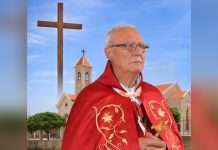
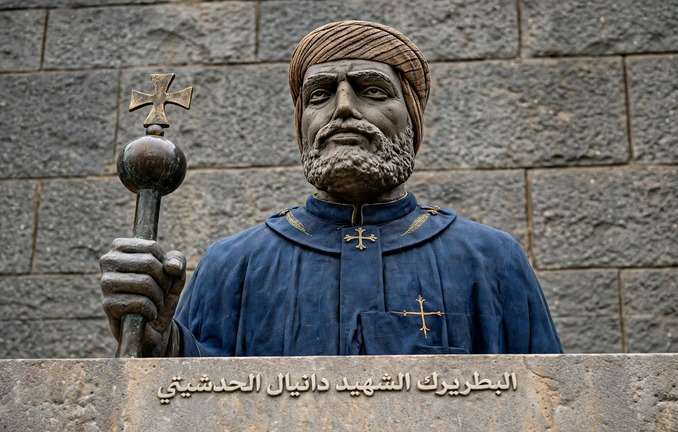
عندما وصلت هذه الأخبار إلى البطريرك دانيال الحدشيتي قام بنفسه وانطلق باتجاه منطقة الجبة حيث كانت المقاومة بما أمكن تدور وبدون تخطيط أو قيادة.
فاتجه فورا إلى قلعة الحصن وقرر الدفاع عنها ومنع المهاجمين من استكمال سيطرتهم على المنطقة. وهناك بدأ الأهالي بالانضمام إلى مقاومة راعيهم وبدأت المعنويات تعود شيئا فشيئا وصارت القرى الصغيرة تستبسل في الدفاع طالما الراعي صامد في القلعة. وهكذا ولمدة أربعين يوما لم يستطع قلاوون وجيشه الجبار احتلال القلعة ولا التقدم نحو بقية القرى المعلقة في تلك الجبال والعاصية على كل محتل غاشم.
ومرة أخرى عادت المكيدة إلى العمل فطلب السلطان هذه المرة بنفسه مقابلة البطريرك وأمنه على كل نفس وكل قرية طالبا وقف القتال مقابل عودة السكان إلى قراهم والأمن إلى المنطقة بدون شروط إلا أن يحضر البطريرك ويوقع شخصيا على وثيقة الاتفاق معه.
لم يكن البطريرك غبيا ولكنه لم يكن من محبي القتال والعنف وهو إنما جاء ليسهم في خلاص رعيته عندما خانها الراعي المدني وعرضها للتهجير والذل.
ولكنه من جهة أخرى اعتبر بأن كلام السلطان لا يمكن أن يكون خدعة وهو إذا ما قال كلمته لا بد له أن يحترمها فالكلام عن صلاح الدين والأيوبيين الذين حكموا من بعده وحفظهم للأتفاقات باليوم والساعة كان معروفا في البلاد كلها.
من هنا ومنعا للمزيد من سفك الدماء قرر البطريرك الأمر بوقف القتال وتوجه بنفسه خارج القلعة لمقابلة السلطان. ولكنه ما أن وصل إلى خيمة السلطان حتى القي القبض عليه وكبل بالسلاسل وسيق أمام أعين الجنود حيث عذب وقتل. وهنا يقول المؤرخ المملوكي: “ظهر في جوار طرابلس، بطريرك عملاق يُدعى دانيال من قرية حدشيت، إحدى المعاقل الجبلية. جمع حوله مجمل أبناء شعب الجبال والأودية – ذوي الضلال- وفرض بسالته على طرابلس وأميرها وجميع الفرنجة، كما البلدان المجاورة. متخذاً من قرية الحدث قلعته الحصينة، شامخاً بأنفه حيث لم يتمكن أحد منه، بالرغم من حملاتنا العسكرية المتواصلة عليه.
لم تتمكن عساكرنا من انتزاع طرابلس الاّ بعد ان أجهزت على مقاومة حلفائهم أهل الجبال، أتباع البطريرك. عندئذ زحفت جيوشنا الجرارة في اوائل سنة 1282 على بلاد الجبّة. فقاد رجال الدفاع البطريرك بنفسه، وأوقف جيوشنا أمام اهدن 40 يوماً. ولم نتمكّن منها الاّ بعد ان امسكناه بالحيلة، بحجة المفاوضة. وكان امساكه فتحاً عظيماً، اعظم من افتتاح حصن أو قلعة وحتى بلاد بكاملها، وكفانا الله شرّه.”
فإذا كان المؤرخ المملوكي وهو أمين سر السلطان قلاوون يعتبر البطريرك دانيال والقبض عليه بالحيلة وقتله أهم من احتلال طرابلس فماذا يقول التاريخ عن سالم؟
سقط سالم مع أكياس الذهب التي باع فيها شرفه ومنطقته وأفرغ المماليك كل حقدهم على أهاليها ولم يربح حكم جبل لبنان ولا حتى حكم بشري لأنها ومنطقتها فرغت من السكان وقد كان ذكره نقطة سوداء في تاريخ الموارنة ولكنهم لم يناموا على هذا الضيم وقد شحذوا سيفهم وقرروا الانتقام لشرفهم ولذكر بطريركهم فكانت موقعتي جسر الفيدار وجسر المدفون بعد سنوات قليلة وقد ذاق فيها المماليك وأعوانهم من المرتزقة طعم سيوف هؤلاء الجبليين واندفاعهم واستبسال قادتهم فتركوهم وشأنهم منذ ذلك التاريخ. ولم يعد أحد منهم يجروء على التوجه إلى تلك المعاقل الحصينة.
اليوم والتاريخ يعيد نفسه ويتنطح لنا كل مارق يستقوي مرة بجيش كسرى وأخرى بجيش قلاوون فإن لم ننتج سالم آخر فلن يضطر بطريرك الموارنة أو غيره من البطاركة أن يقود الأمة بنفسه.
ولكن السوالم هذه الأيام كثر ولم يمن الله علينا بدانيال فهل سيقود هذا الشعب ومن كل مناطقه هذه المرة التصميم على الحرية والتمسك بوحدة الهدف وعدم أعطاء الفرصة للخونة والاغراءات الكثيرة التي تحيطهم بأن يبيعوا الكرامة فتكون لنا الجرأة أن نشير إلى المرض ونتمسك بالمطالبة بزواله حتى يسقط وكل الخونة معه؟
The Story of the Betrayal of Muqaddam Salem of Bsharri and the Era of Shame
Colonel Charbel Barakat/June 07/2020
In the history of the Mamluks and their wars, Ibn al-Zahir, the secretary of the Mamluk Sultan Qalawun who conquered Tripoli, recounts that in the year 1282, Sultan Qalawun decided to prepare a campaign against Tripoli. He gathered around one hundred thousand of his soldiers and descended upon the Baalbek region in preparation for the attack.
Then he disguised himself and, accompanied by two of his aides dressed as “Coptic monks,” paid a visit to the Holy Valley, where the Maronite monks there received them for a week and extended to them the duty of hospitality.
This stay was enough for the Sultan himself to study the mountain paths and passages leading to Tripoli. And when he found that his forces would be unable to cross those mountain passes if the inhabitants of the region decided to defend them, he tried to get close to Muqaddam Salem, the Muqaddam of Bsharri. After the “Coptic monks” discussed matters of religion with him, they moved on to politics and tried to win him over and convince him that they would try to recommend him to the Sultan to rule all of Mount Lebanon if he agreed not to confront the numerous and well-prepared Mamluk forces ready to take control of the region. Why be on the losing side, instead of being among the Sultan’s subjects and striking with his sword, thus benefiting from his power and securing your control over the entire mountain?
The mouse played in Salem’s mind, and he thought that an agreement with Qalawun would cost him nothing but not fighting, and let Tripoli fall — what do we care — especially since his scouts had told him about the large numbers of the Mamluk army encamped around Baalbek.
Salem did not consult anyone among his people, nor did he ask Patriarch Daniel, who was then residing in the Batroun region, about the proposed agreement, as he had decided to control the entire mountain without dispute and to monopolize rule over the Maronites.
Hence his answer was to accept the “monks'” proposal and await the Sultan’s instructions.
The Sultan, who had toured the region and seen with his own eyes the multitude of men and the richness of the region in agricultural production and its self-sufficiency, and at the same time the cohesion of its villages and their organization, and the difficulty of the passes around them in which armies could not maneuver, which made defending them easy, especially for those who knew their roads and secrets — therefore hastened to pay an advance gift consisting of a few bags of yellow metal to Muqaddam Salem, and decided to exploit his presence as much as possible before he changed his mind.
Salem placed some of his close associates at the mountain approaches and removed anyone who might object to the operation, and convinced them that there was an agreement ensuring the entry of some Egyptian merchants into the region with the protection groups accompanying them. When these arrived, they seized control of the mountain approaches and gave the signal for the bulk of the army to advance, and then, upon the arrival of these forces, they immediately began occupying the fortified places and entering the villages and towns and emptying them of men.
Salem’s claims of an agreement with the Sultan were of no use, because the Mamluk army had entered the heart of the region, which made the inhabitants, who could not resist due to the lack of leadership and a known defense plan, flee toward the Batroun region.
When this news reached Patriarch Daniel al-Hadchiti, he himself set out toward the Jebbeh region where resistance was taking place as best as possible, without planning or leadership.
He headed immediately to Al-Hosn Castle and decided to defend it and prevent the attackers from completing their control of the region. There, the people began to join the resistance of their shepherd, and morale gradually returned, and the small villages began to fight valiantly in defense as long as the shepherd was steadfast in the castle. And thus, for forty days, Qalawun and his mighty army could not capture the castle nor advance toward the rest of the villages hanging in those mountains and defying every brutal occupier.
And once again deceit returned to work. This time the Sultan himself requested to meet the Patriarch and guaranteed him safety for every soul and every village, asking for a cessation of fighting in exchange for the return of the inhabitants to their villages and security to the region without conditions, except that the Patriarch come and personally sign the agreement document with him.
The Patriarch was not stupid, but he was not a lover of fighting and violence. He had come only to contribute to the salvation of his flock when the civil shepherd betrayed it and exposed it to displacement and humiliation.
But on the other hand, he considered that the Sultan’s word could not be a trick, and that if he gave his word he must honor it, for the talk about Saladin and the Ayyubids who ruled after him and their keeping of agreements to the day and hour was known throughout the country.
Hence, to prevent further bloodshed, the Patriarch decided to order a halt to the fighting and headed himself outside the castle to meet the Sultan. But no sooner had he arrived at the Sultan’s tent than he was arrested, chained, and led before the eyes of the soldiers, where he was tortured and killed. Here the Mamluk historian says: “There appeared in the vicinity of Tripoli a giant patriarch named Daniel from the village of Hadchit, one of the mountain strongholds. He gathered around him the whole of the people of the mountains and valleys — those of the shadows — and imposed his bravery upon Tripoli and its prince and all the Franks, as well as the neighboring countries. Taking the village of Al-Hadath as his fortified castle, lofty in his pride, where no one could get to him, despite our continuous military campaigns against him.
Our soldiers were unable to seize Tripoli except after they eliminated the resistance of their allies, the mountain people, followers of the Patriarch. Then our sweeping armies marched in early 1282 upon the land of Jebbeh. The Patriarch himself led the defenders, and stopped our armies before Ehden for 40 days. And we were unable to take it except after we seized him by trickery, under the pretext of negotiation. And his capture was a great conquest, greater than the opening of a fortress or a castle and even an entire country, and God spared us his evil.”
So if the Mamluk historian, who was the secretary of Sultan Qalawun, considers Patriarch Daniel and his capture by trickery and killing more important than the occupation of Tripoli, what does history say about Salem?
Salem fell with the bags of gold for which he sold his honor and his region, and the Mamluks vented all their hatred upon its people. He did not gain rule over Mount Lebanon, nor even rule over Bsharri, because it and its region were emptied of inhabitants. His mention remained a black mark in Maronite history, but they did not sleep on this injustice. They sharpened their sword and decided to avenge their honor and the memory of their Patriarch. Then came the two battles of Jisr al-Fidar and Jisr al-Madfoun a few years later, in which the Mamluks and their mercenary aides tasted the swords of these mountaineers and their dash and the valor of their leaders, so they left them alone from that date onward. And no one among them dared again to head toward those fortified strongholds.
Today history repeats itself, and every renegade who seeks strength, once from the army of Khosrow and another time from the army of Qalawun, thrusts himself upon us. If we do not produce another Salem, the Maronite Patriarch or any other patriarch will not be forced to lead the nation himself.
But the Salems these days are many, and God has not blessed us with a Daniel. Will this people, from all its regions, this time be led by determination for freedom and adherence to unity of purpose, and not give opportunity to traitors and the many temptations surrounding them to sell dignity, so that we will have the courage to point to the disease and insist on demanding its removal until it falls, and all the traitors with it?
**اضغط هنا لدخول صفحة الكولونيل شربل بركات على موقعنا المنشورة عليها كل مقالاته وكتبه وتحليلاته
**Click here to access Colonel Charbel Barakat’s page on our website, where all his articles, books, and analyses are published
اضغط هنا لدخول بلوك الكولونيل شربل بركات لقراءة كتبه ومؤلفاته فورمات بي دي أف PDF
السيرة الذاتية للكولونيل شربل بركات
خبير عسكري، كاتب، شاعر، مؤرخ، ومعلق سياسي
*ضابط متقاعد من الجيش اللبناني
*متخرج من المدرسة الحربية ومجاز بالعلوم السياسية والادارية من الجامعة اللبنانية
*كلف كأحد الضباط لتنظيم الدفاع عن القرى الحدودية منذ 1976
*تسلم قيادة تجمعات الجنوب
*تسلم قيادة القطاع الغربي في جيش لبنان الحر وأصبح مساعدا للرائد سعد حداد ثم تسلم قيادة الجيش بالوكالة عندما مرض الرائد حداد واستمر بعد وفاته حتى مجيء اللواء أنطوان لحد فأصبح مساعده ثم قائدا للواء الغربي في جيش لبنان الجنوبي
*ترك العمل العسكري في 1988 وتسلم العلاقات الخارجية
*شهد أمام لجنة العلاقات الخارجية في مجلس الشيوخ الأميركي مرتين
*كاتب سياسي وباحث في التاريخ له الكثير من الكتب والمقالات السياسية التاريخية والانسانية
نشر كتابه الأول “مداميك” (1999) الذي يحكي عن المنطقة الحدودية ومعاناة أهلها، ترجم إلى العبرية ونشرته معاريف (2001) والانكليزية (2012) Madameek – Courses – A struggle for Peace in a zone of war موجود على Amazon Books
*نشر كتابه الثاني “الجنوب جرحنا وشفانا” الذي يشرح الأحداث التي جرت في المنطقة بين 1976 – 1986
*الكتاب الثالث “Our Heritage” كتاب بالانكليزية يلخص التراث اللبناني مع رسومات لزيادة الاستيعاب موجه للشباب المغترب
*كتابه السياسي الثالث “لبنان الذي نهوى” (2022) جاهز للطبع
*كتاب مجزرة عين إبل 1920 وهو بحث تاريخي عن المجزرة التي ساهمت في نشوء وتثبيت لبنان الكبير
*كتاب “المقالات السياسية 2005 – 2013” مئة ومقالة منشور على صفحته
*كتاب “الشرق الأوسط في المخاض العسير” مجموعة مقالات سياسية (2013 – 2025)
*كتاب “العودة إلى عين إبل” بحث تاريخي بشكل قصصي عن تاريخ المنطقة بين 1600 – 1900
*كتاب شعر عن المعاناة خلال الحرب الكبرى 1914 – 1918 من خلال قصيدة زجلية نقدية جاهز للطبع
*كتاب “تاريخ فناء صور الخلفي” بحث تاريخي عن المنطقة الجنوبية – قيد الانجاز
*كتاب المقالات الانسانية وكتاب عينبليات قيد الانجاز