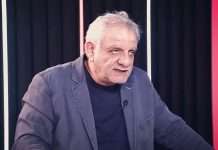
رابط فيديو ونص مقابلة من موقع سبوت شوت مع المخرج والكاتب يوسف ي. الخوري تناولت الوضع في جنوب لبنان، توضيح مواقف نيتنياهو، أزمة ومصير الجنوب وأهله، السلام مع إسرائيل، قراءة تاريخية في الاتفاقيات والحدود اللبنانية الإسرائيلية، رفض الدور والوصاية السورية، فشل الطبقة السياسية والدينية
رابط فيديو ونص مقابلة من موقع سبوت شوت مع المخرج والكاتب يوسف ي. الخوري تناولت الوضع في جنوب لبنان، توضيح مواقف نيتنياهو، أزمة ومصير الجنوب وأهله، السلام مع إسرائيل، قراءة تاريخية في الاتفاقيات والحدود اللبنانية الإسرائيلية، رفض الدور والوصاية السورية، فشل الطبقة السياسية والدينية
06 تموز/2026
عناوين المقابلة الرئيسة
دارت المقابلة في إطار سياسي وتاريخي حاد، ركّز فيه المخرج يوسف الخوري على عدة نقاط ومواضيع أساسية:
تفنيد تصريحات نتنياهو بشأن الجنوب
نفى الخوري أن يكون رئيس الوزراء الإسرائيلي قد تحدث عن “ضم” قرى مسيحية، وأوضح أن الترجمة الصحيحة لكلامه هي طلب بعض القرى (مسيحية، ودرزية، وسنية) “الحماية” من إسرائيل نتيجة غياب الدولة اللبنانية وانسحاب الجيش وتخوّفهم من ممارسات حزب الله، متسماً بالهجوم على وسائل الإعلام اليسارية وقنوات المقاومة التي اتهمها بتعمّد تحريف الترجمة لغايات التخوين والبروباغندا.
الموقف الصريح من السلام مع إسرائيل
دعا الخوري بوضوح إلى خيار السلام، معتبراً أن لبنان دُمّر تاريخياً بسبب تحويله إلى “معبر” لحروب الآخرين (العرب، الفصائل الفلسطينية، اليسار). وانتقد بشدة القوى السياسية والجهات التي تنتظر من إسرائيل باطناً وسراً أن تخلصها من حزب الله، بينما تهاجم السلام علناً في الإعلام.
قراءة تاريخية في الاتفاقيات والحدود اللبنانية الإسرائيلية
استعرض الخوري اتفاقيات الهدنة عام 1949، القرار 425، اتفاق 17 أيار، والقرار 1701، ليدلل على وجهة نظره بأن إسرائيل لا تملك أطماعاً جغرافية توسعية في لبنان وأنها لطالما التزمت بالاتفاقيات وعادت وانسحبت، بينما الجانب اللبناني (عبر الفصائل المسلحة) هو من يخرق الاتفاقيات. كما تطرق إلى قضية حقل “كاريش” زاعماً أنه كان ضمن حدود الصيد المسموح بها تاريخياً للبنان.
أزمة القرى الحدودية المحاصرة في “الخط الأصفر”
طالب الدولة اللبنانية والجيش اللبناني بتحمل مسؤولياتهم في المفاوضات الجارية لتأمين مصير هذه القرى المحاصرة ميدانياً، منعاً لتكرار سيناريوهات تاريخية سابقة تُرك فيها الأهالي لمصيرهم ثم اتُهموا لاحقاً بالعمالة.
انتقاد الطبقة السياسية والدينية
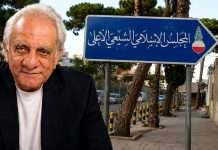
وجّه انتقادات لاذعة لعدد من القيادات السياسية والدينية اللبنانية (مثل وليد جنبلاط، والتيار العوني، والأب ميشال روحانا)، معتبراً أن هناك فكراً “يسارياً أو بعثياً” موروثاً أو ترهيباً من سلاح حزب الله يمنع القيادات المسيحية من المضي قدماً في خيار السلام والسيادة الحقيقية.رفض الدور والوصاية السورية: انتقد بشدة محاولات إعادة العلاقات مع النظام السوري عبر “لجان التنسيق المشتركة”، واصفاً إياها بواجهة لوصاية جديدة، ومؤكداً على ضرورة السيادة التامة أو موازنة العلاقات عبر تحقيق السلام على الحدود الجنوبية.
Video link and interview transcript from Spot Shot with director and writer Youssef Y. El-Khoury covering the situation in South Lebanon, clarifying Netanyahu’s positions, the crisis and fate of the South and its people, peace with Israel, a historical reading of Lebanese-Israeli agreements and borders, the rejection of the Syrian role and guardianship, and the failure of the political and religious class.
Date: July 6, 2026
Main Headlines of the Interview:
The interview took place within a sharp political and historical framework, where director Joseph El-Khoury focused on several fundamental points and topics:
Debunking Netanyahu’s Statements Regarding the South
El-Khoury denied that the Israeli Prime Minister had spoken about “annexing” Christian villages. He clarified that the accurate translation of his remarks refers to requests by certain villages (Christian, Druze, and Sunni) for “protection” from Israel due to the absence of the Lebanese state, the withdrawal of the army, and their fear of Hezbollah’s practices. He attacked leftist media outlets and “resistance” channels, accusing them of deliberately mistranslating the statements for the purposes of branding others as traitors and spreading propaganda.
Explicit Stance on Peace with Israel
El-Khoury clearly advocated for the option of peace, considering that Lebanon has been historically destroyed by being turned into a “transit point” for the wars of others (Arabs, Palestinian factions, and the Left). He heavily criticized political forces and entities that secretly hope for Israel to rid them of Hezbollah, while publicly attacking peace in the media.
Historical Reading of Lebanese-Israeli Agreements and Borders
El-Khoury reviewed the 1949 Armistice Agreement, Resolution 425, the May 17 Agreement, and Resolution 1701 to argue his point that Israel has no geographic expansionist ambitions in Lebanon and has long adhered to agreements and withdrawn, whereas the Lebanese side (via armed factions) is the one that violates them. He also touched upon the “Karish” field issue, claiming it was within the fishing boundaries historically permitted to Lebanon.
The Crisis of Border Villages Trapped in the “Yellow Line”
He demanded that the Lebanese state and the Lebanese Army fulfill their responsibilities in the ongoing negotiations to secure the fate of these besieged villages, to prevent the repetition of previous historical scenarios where residents were left to their fate and subsequently accused of collaboration.
Criticism of the Political and Religious Class
He directed harsh criticism at several Lebanese political and religious leaders (such as Walid Jumblatt, the Aounist movement, and Father Michel Rouhana), arguing that a legacy of “leftist or Baathist” thought, or intimidation by Hezbollah’s weapons, prevents Christian leaders from moving forward with the option of peace and true sovereignty.
Rejection of the Syrian Role and Guardianship
He strongly criticized attempts to restore relations with the Syrian regime via “joint coordination committees,” describing them as a front for a new guardianship, and emphasized the need for full sovereignty or balancing relations by achieving peace on the southern border.