ابن الصبحا لا يموت… بل يتجدّد!
جورج حايك/فايسبوك/15 تشرين الثاني/2026
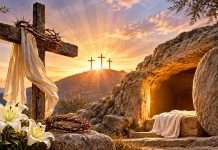
ليست قصة ابن الصبحا الأولى في التاريخ المسيحي في لبنان والمنطقة، بل بدأت مع حياة الرب يسوع المسيح ذاته، عندما خانه يهوذا الإسخريوطي، أحد تلاميذه الاثني عشر، وأسلمه إلى اليهود، ثم انتحر.
وفي جبل لبنان الشمالي، ظهر يهوذا آخر في القرون الوسطى، هو ابن الصبحا.
وتعود القصة إلى إحدى ليالي القرن الخامس عشر، حين كان البطريرك الشهيد دانيال الحدشيتي يذود برجاله عن سيدة حصن إهدن، حتى وقع في الأسر.
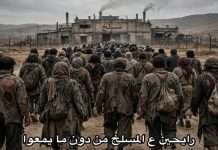
وعندما سقط الحصن، انسحب المقاومون إلى خط الدفاع الثاني في تلة مار جرجس، حيث قاتلوا حتى الرمق الأخير، وارتوت الأرض بدمائهم.
لم تيأس امرأة إهدنية باسلة، فجمعت جثامين الشهداء وحملتها إلى كنيستي مار جرجس ومار ماما. ثم هرعت إلى بلدة كفرصغاب لتقرع الجرس، إنذاراً باقتراب الخطر. وهكذا، تسلّل من بقي من المقاومين مع الأهالي نحو ملاذ لا تصل إليه إلا طيور السماء: مغارة عاصي حوقا.
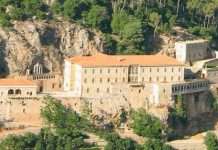
في قلب وادي القديسين، شمال لبنان، وعلى صخرة معلّقة بين السماء والأرض، يقف دير ومحبسة سيدة حوقا شاهداً أبدياً على قصة تضرب جذورها في تربة هذا الوطن وتاريخه.
هناك، في تلك المغارة، اعتصم الرجال والنساء والأطفال، على رجاء أن يحميهم الرب من المماليك. حاول هؤلاء الوصول إلى حيث يعتصم عصاة الإيمان والإباء والحرية، لكنهم فشلوا مرة تلو الأخرى، وكادوا ييأسون. غير أن شيطان الإغراءات كان حاضراً لالتقاط أي فريسة تراودها أباطيل الأمجاد الزائفة، وتستبد بها حقارة المطامع، فكان ابن الصبحا، من قرية كفرصغاب، الفريسة السهلة.
ففي تلك المرحلة، كانت هناك انقسامات بين الجماعات المسيحية في شمال لبنان حول العلاقة بالفرنجة، الذين حكموا طرابلس ومناطق مجاورة. ويبدو أن ابن الصبحا كان من الفريق المناهض للفرنجة، الذي وجد في المماليك حليفاً في مواجهة خصومه.
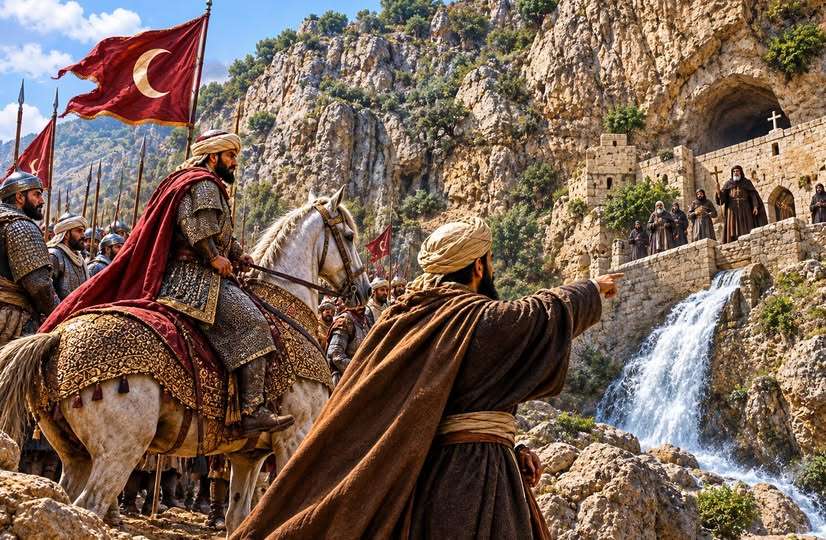
لم يقاوم ابن الصبحا إغراء الخيانة، فدلّ القائد المملوكي على حيلة إبادة الجماعة المحتمية في قلب الجبل: جرّ مياه نبع مار سمعان في بشري وتوجيهها نحو مغارة العصاة. اجتاحت المياه المغارة، وارتفعت صرخات المستشهدين في العتمة.
ولهذا السبب، أذنت الجيوش لابن الصبحا بارتداء الباش يانس الأبيض، الذي كان يمثّل لباساً أبيض مخصّصاً للمسلمين، وأصبح الخدم من العبيد في خدمته، وكان ذا سطوة عليهم.
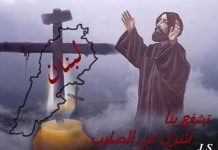
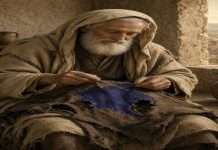
ندم يهوذا الإسخريوطي وشنق نفسه، أما ابن الصبحا، فكان يجلس طيلة النهار ومعظم الليل أمام مغارة الشهداء الذين تسبّب في إهلاكهم وإبادتهم، نائحاً باكياً، ومتوسّلاً إلى الله أن يهديه إلى وسيلة يكفّر بها عن جريمته التاريخية. ولعلّه سمع في أعماقه صدى صرخة المصلوب.
لم يجد ما يغسل به خيانته سوى اتخاذ قرار ببناء دير على اسم السيدة العذراء، قبالة مغارة الشهداء، وخصّصه للرهبان والنساك، راجياً أن يكون ذلك صكّ غفران يحرّر روحه من لعنة الذلّ.
في وادي قاديشا، حيث كانت الصخور حصوناً للإيمان والحرية، لم يستطع المماليك أن يهزموا الموارنة بقوة السيوف، فهزمتهم خيانة رجل عرف أسرار الجبل ومسالك المياه.
كان ابن الصبحا يعرف الطريق إلى الحصن، لكنه أضاع الطريق إلى ضميره. وحين أدرك فداحة فعلته، حاول أن يبني بالحجارة ما هدمه بالخيانة، فشيّد ديراً للعذراء، كأنه أراد أن يجعل من صلوات الرهبان جسراً إلى مغفرة السماء.
رحل ابن الصبحا، وبقي دير سيدة حوقا شاهداً على حقيقة مؤلمة: قد تسقط الحصون بخيانة إنسان واحد، لكن الندم لا يستطيع أن يعيد الحياة إلى الذين سقطوا.
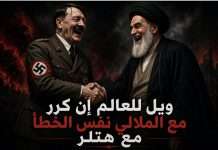
لم يكن المماليك جيش الاحتلال الوحيد الذي غزا جبال لبنان، فالتاريخ اللبناني حافل بالغزوات التي حاولت تغيير وجه هذا البلد، لكنها اندحرت على صخوره. أما ذرية ابن الصبحا، فقد تناسلت بقدر حاجة النفوس الضعيفة إلى المال والمناصب. وما أكثر هؤلاء بيننا في هذه الأيام، إرضاءً لأنظمة خارجية تريد انتهاك سيادة لبنان! ولعل هذه الواقعة تكرّرت منذ عام ١٩٩٠ حتى اليوم، بأسماء مختلفة، وأنتم تعرفونهم بالاسم!
لكن وجود مقاومين أبطال لا يرضخون، ولو كلّفهم الأمر التضحية والاستشهاد، يجعل الرجاء يحلّ مكان القنوط والخوف. وتنطفئ عيون أبناء “الصبحا”، وعلى جدار الزمن يشرق نجم يسامر شجر الأرز في ليالي الصيف.
Ibn al-Subha Never Dies… He Is Reborn!
George Hayek/Facebook/November 15, 2026
(translated from Arabic by Google)
The story of Ibn al-Subha is not the first of its kind in the Christian history of Lebanon and the region; its origins trace back to the life of the Lord Jesus Christ Himself, when Judas Iscariot—one of His twelve disciples—betrayed Him, handed Him over to the Jews, and subsequently took his own life.
Centuries later, in the Middle Ages, another “Judas” emerged in Mount Lebanon: Ibn al-Subha.
The tale dates back to a night in the fifteenth century, when the martyred Patriarch Daniel al-Hadshiti, alongside his men, defended the fortress of Our Lady of Ehden until he was eventually taken captive.
As the fortress fell, the resistance fighters retreated to a second line of defense on the hill of Saint George (Mar Gerges), where they fought to their very last breath, their blood soaking the earth.
A courageous woman from Ehden refused to despair; she gathered the bodies of the martyrs and carried them to the churches of Saint George and Saint Mamas (Mar Mama). She then rushed to the town of Kafr Saghab to ring the church bell, sounding an alarm of the approaching danger. Consequently, the surviving resistance fighters and the local villagers managed to slip away toward a sanctuary accessible only to the birds of the air: the cave of ‘Asi Hawqa.
In the heart of the Valley of the Saints, in northern Lebanon—perched upon a rock suspended between heaven and earth—stands the monastery and hermitage of Our Lady of Hawqa. It remains an eternal witness to a story deeply rooted in the soil and history of this land.
There, within that cave, men, women, and children took refuge, praying that the Lord would protect them from the Mamluks. They repeatedly attempted to reach the stronghold where those who defied—steadfast in their faith, honor, and love for freedom—had taken refuge; yet, time and again, they failed, coming to the very brink of despair. But the devil of temptation was ever-watchful, lying in wait for any soul ensnared by the delusions of false glory or consumed by the baseness of greed. Ibn al-Subha, from the village of Kfarsghab, proved to be an easy prey.
At that time, the Christian communities in northern Lebanon were deeply divided over their stance toward the Franks, who ruled Tripoli and the surrounding territories. It appears that Ibn al-Subha belonged to the faction opposed to the Franks, and he saw in the Mamluks an ally against his own adversaries.
Succumbing to the lure of betrayal, Ibn al-Subha revealed to the Mamluk commander a scheme to annihilate the group hiding deep within the mountains: he diverted the waters of the Mar Semaan spring in Bsharri, directing them toward the cave where the resisters were sheltered. The water surged into the cavern, and the cries of those meeting their martyrdom rose up through the darkness.
As a reward, the Mamluk army permitted Ibn al-Subha to wear the *bash-yans*—a white head covering traditionally reserved for Muslims—and he was granted enslaved servants to attend to his needs, over whom he wielded absolute authority.
Judas Iscariot, in his remorse, took his own life by hanging. Ibn al-Subha, however, spent his days and most of his nights sitting before the cave of the martyrs—those whose destruction he had brought about—weeping, wailing, and imploring God to show him a way to atone for his historic crime. Perhaps, in the depths of his soul, he heard the echo of the cry of the Crucified One. Finding no other way to cleanse himself of his betrayal, he resolved to build a monastery dedicated to the Virgin Mary—situated opposite the Grotto of the Martyrs—and reserved it for monks and hermits, hoping it might serve as a deed of absolution to liberate his soul from the curse of ignominy.
In the Qadisha Valley, where the very rocks stood as fortresses of faith and liberty, the Mamluks could not defeat the Maronites by the sword; instead, the Maronites were undone by the treachery of a man who knew the secrets of the mountain and its hidden watercourses.
Ibn al-Subha knew the path to the fortress, yet he lost the path to his own conscience. Upon realizing the gravity of his actions, he sought to rebuild with stone what he had destroyed through betrayal, erecting a monastery to the Virgin—as if to forge, through the prayers of the monks, a bridge toward divine forgiveness.
Ibn al-Subha is long gone, but the Monastery of Our Lady of Hawqa remains, a testament to a painful truth: while fortresses may fall due to the betrayal of a single individual, no amount of remorse can restore life to those who perished.
The Mamluks were not the only occupying force to invade the mountains of Lebanon; the nation’s history is replete with incursions that sought to alter its very character—only to be shattered against its rugged cliffs. As for the descendants of Ibn al-Subha, they have multiplied in direct proportion to the craving of weak souls for wealth and positions of power. How many such figures walk among us today, pandering to foreign regimes that seek to violate Lebanon’s sovereignty! Indeed, this same scenario has played out repeatedly since 1990—under various guises—and you know exactly who they are!
Yet, the presence of heroic resisters—those who refuse to bow, even at the cost of sacrifice and martyrdom—ensures that hope prevails over despair and fear. The eyes of the people of “Al-Subha” dim, while upon the wall of time, a star rises to keep company with the cedar trees during summer nights.