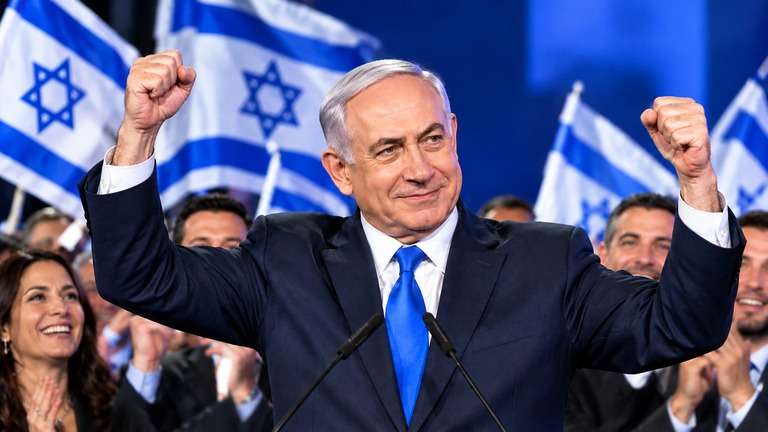
Why Is Benjamin Netanyahu’s Re-Election a Strategic Interest for Lebanon?
Elias Bejjani/October 23/2026
لماذا يُعدّ إعادة انتخاب بنيامين نتنياهو مصلحة لبنانية استراتيجية؟
الياس بجاني/23 تشرين الأول 2026
بصفتي مواطناً لبنانياً يؤمن بسيادة الدولة واستقلال القرار الوطني والهوية اللبنانية المميزة، أرى في إعادة انتخاب رئيس الوزراء الإسرائيلي بنيامين نتنياهو يوم الثلاثاء المقبل، ومنحه القدرة على تشكيل الحكومة الإسرائيلية المقبلة، خياراً يتقاطع مباشرة مع مصالح لبنان العليا في هذه المرحلة الدقيقة. لقد أثبت نتنياهو خلال السنوات الماضية أنه الزعيم الإسرائيلي الأكثر تصميماً على مواجهة المشروع الإيراني في المنطقة. هذا المشروع، الذي يتمثل في دعم حزب الله وتسليحه وتحويل جنوب لبنان إلى منصة عسكرية متقدمة، يشكل منذ عقود العقبة الرئيسية أمام استعادة لبنان سيادته الكاملة. إن التعامل مع حزب الله كقوة احتلال غير شرعية مرتبطة بطهران، والسعي إلى تفكيك بنيته العسكرية، ينسجم مع ما تنص عليه القرارات الدولية، وفي مقدمتها القرار 1701، ومع تطلعات اللبنانيين الراغبين في دولة واحدة تحتكر السلاح والقرار.
ولا يقتصر موقف نتنياهو على مواجهة المحور الشيعي الإيراني فحسب، فهو يتبنى رؤية شاملة محلية وإقليمية ودولية ترى في التطرف السياسي، ممثلاً بالإسلام السياسي الإرهابي والجهادي المدمر سواء كان سنياً أو شيعياً، مصدراً مشتركاً لتهديد الاستقرار في دول العالم أجمع، وخصوصاً في الشرق الأوسط. ولهذا فإن الحملة العسكرية ضد حماس والجهاد الإسلامي بعد أحداث السابع من أكتوبر، والإصرار على نزع سلاح هذه التنظيمات ومنع إعادة بنائها، تعكس هذا النهج بوضوح. كما أن سعيه إلى إضعاف النظام الإيراني نفسه ينطلق من قناعة راسخة بأن بقاء هذا النظام يعني استمرار تغذية الشبكات المسلحة في لبنان وغزة واليمن. هذا الموقف يرفض التمييز الانتقائي بين أشكال التطرف، ويضع نصب عينيه تحصين المنطقة من ثقافة العنف والميليشيات.
وفي هذا السياق تبرز التهديدات الوجودية للقدرات النووية الإيرانية كخطر مركزي لا يمكن تجاهله. فسعي النظام الإيراني إلى امتلاك سلاح نووي، أو الاقتراب من العتبة النووية، لا يهدد إسرائيل وحدها، بل يشكل خطراً وجودياً على استقرار المنطقة بأسرها، وعلى لبنان خصوصاً. فامتلاك طهران لسلاح نووي سيمنحها مظلة ردع تمكنها من تصعيد دعمها لميليشياتها في لبنان واليمن والعراق دون خوف حقيقي من ردود فعل رادعة، وسيحوّل حزب الله إلى أداة أكثر جرأة في فرض أجندة خارجية على اللبنانيين. كما أن الانتشار النووي في الشرق الأوسط يفتح الباب أمام سباق تسلح إقليمي مدمر، ويزيد من احتمالات الحروب بالوكالة أو المباشرة، ويقوض أي فرصة لبناء دولة لبنانية ذات سيادة حقيقية. إن منع الملالي من امتلاك قدرات نووية ليس مجرد مصلحة إسرائيلية، بل هو مصلحة لبنانية وإقليمية ودولية مشتركة، لأن النووي الإيراني يعني استمرار حالة الفوضى والابتزاز وانهيار السيادة في دول الجوار.
وفي البعد الدبلوماسي، لعب نتنياهو دوراً محورياً في إنجاز الاتفاقيات الإبراهيمية التي فتحت آفاقاً جديدة للتعاون بين إسرائيل ودول عربية عدة، من بينها الإمارات والبحرين والمغرب والسودان. هذه الاتفاقيات لم تكن مجرد تطبيع شكلي، بل مثّلت بداية تحالف عملي بين دول تتشارك في رفض التمدد الإيراني والتطرف الأيديولوجي الإسلامي الجهادي. وفي هذا السياق، فإن وجود قيادة إسرائيلية ملتزمة بهذا المسار يعزز فرص توسيع دائرة الاستقرار الإقليمي، وهو أمر يصب في مصلحة لبنان على المدى المتوسط والطويل.
من هنا فإن أي تراجع في الإرادة الإسرائيلية تجاه حزب الله والنظام الإيراني من شأنه أن يمنح هذين الطرفين فرصة لإعادة ترتيب صفوفهما واستعادة قدراتهما. وبالنسبة إلى لبنان، يعني ذلك إطالة أمد الحالة الراهنة: دولة ضعيفة، سلاح غير شرعي، حدود مفتوحة على التوتر، واقتصاد منهار. لذلك فإن استمرار قيادة حازمة في إسرائيل، قادرة على الحفاظ على الضغط العسكري والدبلوماسي، يشكل عنصراً مساعداً في خلق ظروف أفضل لاستعادة السيادة اللبنانية. واللافت في هذا الأمر هو التأييد العلني للرئيس دونالد ترامب لنتنياهو، إذ وصفه بالقائد القوي والشجاع والشريك في مواجهة الجمهورية الإسلامية، وهو موقف يعكس تقارباً في الرؤية حول أولوية احتواء التهديد الإيراني ومنع النظام من امتلاك قدرات نووية تهدد السلم العالمي.
في الختام، لا يتعلق الأمر بتأييد أعمى لأي طرف خارجي، بل بتقييم واقعي لموازين القوى والمصالح. لبنان يحتاج إلى بيئة إقليمية تقل فيها قدرة الميليشيات المدعومة من الخارج على فرض أجنداتها. وفي هذا السياق، تبدو إعادة انتخاب نتنياهو وتمكينه من مواصلة سياساته تجاه إيران وحزب الله الخيار الأكثر توافقاً مع هدف اللبنانيين في بناء دولة حرة ذات سيادة كاملة.
**الكاتب ناشط لبناني اغترابي
عنوان الكاتب الألكتروني
Phoenicia@hotmail.com
رابط موقع الكاتب الالكتروني على الإنترنت
https://eliasbejjaninews.com
Why Is Benjamin Netanyahu’s Re-Election a Strategic Interest for Lebanon?
Elias Bejjani/October 23/2026
As a Lebanese citizen who believes in state sovereignty, the independence of national decision-making, and Lebanon’s distinctive national identity, I view the re-election of Israeli Prime Minister Benjamin Netanyahu next Tuesday, and his ability to form the next Israeli government, as an option that directly aligns with Lebanon’s supreme national interests at this critical juncture. Over the past several years, Netanyahu has demonstrated that he is among the Israeli leaders most determined to confront Iran’s regional project. This project, which involves supporting and arming Hezbollah and turning southern Lebanon into an advanced military platform, has for decades constituted the principal obstacle to restoring Lebanon’s full sovereignty. Treating Hezbollah as an illegitimate armed force linked to Tehran and seeking to dismantle its military infrastructure are consistent with international resolutions, foremost among them Resolution 1701, as well as with the aspirations of Lebanese citizens who want to establish a single state that monopolizes weapons and the decisions of war and peace.
Netanyahu’s position is not limited to confronting the Iranian axis and its regional allies. He also embraces a political, regional, and international vision that regards ideological extremism, represented by hard-line political Islam and destructive terrorist and jihadist organizations, whether Sunni or Shiite, as a common source of threats to stability in countries around the world, particularly in the Middle East. Accordingly, the military campaign against Hamas and Palestinian Islamic Jihad following the events of October 7, along with the determination to disarm these organizations and prevent them from rebuilding their military capabilities, clearly reflects this approach. His efforts to weaken the Iranian regime itself are likewise rooted in the firm conviction that the regime’s continued existence means the continued financing and support of armed networks in Lebanon, Gaza, and Yemen. This position rejects selective distinctions between forms of extremism and seeks to protect the region from a culture of violence and militias.
In this context, the existential risks associated with Iran’s nuclear capabilities emerge as a central threat that cannot be ignored. The Iranian regime’s pursuit of nuclear weapons, or its attempt to approach the nuclear threshold, threatens not only Israel but also poses a grave danger to the stability of the entire region, particularly Lebanon. If Tehran acquires nuclear weapons, it will gain a deterrent shield that could enable it to escalate its support for its militias in Lebanon, Yemen, and Iraq without genuine fear of effective retaliation. It would also turn Hezbollah into an even bolder instrument for imposing a foreign agenda on the Lebanese people. Furthermore, nuclear proliferation in the Middle East could open the door to a devastating regional arms race, increase the likelihood of proxy wars or direct confrontations, and undermine any prospect of building a genuinely sovereign Lebanese state. Preventing the Iranian regime from acquiring nuclear capabilities is not merely an Israeli interest; it is a shared Lebanese, regional, and international interest, because an Iranian nuclear arsenal would increase the risks of chaos, blackmail, and the erosion of sovereignty in neighboring countries.
On the diplomatic front, Netanyahu has played a pivotal role in the Abraham Accords, which opened new horizons for cooperation between Israel and several Arab countries, including the United Arab Emirates, Bahrain, Morocco, and Sudan. These agreements were not merely a symbolic normalization of relations; they represented the beginning of a process of practical cooperation among countries that share opposition to Iranian expansionism and ideological and jihadist extremism. In this context, the presence of an Israeli leadership committed to this course strengthens the prospects for expanding the circle of regional stability, an outcome that serves Lebanon’s interests in both the medium and long term.
Consequently, any weakening of Israel’s resolve to confront Hezbollah and the Iranian regime would give both parties an opportunity to regroup and restore their capabilities. For Lebanon, this would mean prolonging the existing situation: a weak state, illegitimate weapons, borders exposed to persistent tensions, and a collapsed economy. Therefore, the continuation of firm Israeli leadership, capable of maintaining military and diplomatic pressure, could help create more favorable conditions for restoring Lebanese sovereignty.
Noteworthy in this context is the public support that President Donald Trump has expressed for Netanyahu, whom he has described as a strong and courageous leader and a partner in confronting the Islamic Republic. This position reflects a convergence of views on the priority of containing the Iranian threat and preventing the regime from acquiring nuclear capabilities that could endanger regional and international peace.
In conclusion, this is not a matter of blindly supporting any external party, but rather of making a realistic assessment of the balance of power and the interests at stake. Lebanon needs a regional environment in which foreign-backed militias have less ability to impose their agendas on states and peoples. In this context, Netanyahu’s re-election and his ability to continue his policies toward Iran and Hezbollah appear, in my view, to be the option most consistent with the Lebanese people’s goal of building a free, independent, and fully sovereign state.