الياس بجاني/نص، فيديو، عربي وانكليزي: تأملات إيمانية وتاريخية في ذكرى عيد ارتفاع الصليب/Elias Bejjani: The Feast of the Exaltation of the Precious Cross
The Feast of the Exaltation of the Precious Cross Elias Bejjani/September 14, 2026
تأملات إيمانية وتاريخية في ذكرى عيد ارتفاع الصليب الياس بجاني/14 أيلول 2026 في الرابع عشر من أيلول من كل عام، ترفع الكنيسة المقدسة، شرقاً وغرباً، صليب الرب يسوع المسيح عالياً، لا كخشبة عار وموت، بل كعلامة ظفر وحياة وقوة. إنه عيد ارتفاع الصليب المكرم، العيد الذي يلخص سر المسيحية كلها: أن الموت قُهر بالموت، وأن الحب بلغ ذروته على خشبة.
كيف ضاع الصليب وكيف وُجد؟
بعد حادثة الصلب على جبل الجلجلة، أراد الرومان محو كل أثر للصليب. رموا الخشبة في حفرة كبيرة قريبة من الجلجلة، وأقاموا فوقها معبداً للإله الروماني فينوس، ليمنعوا المسيحيين الأوائل من زيارة المكان وتكريمه. وبقي الحال هكذا إلى سنة 326 ميلادية، عندما جاءت القديسة هيلانة، والدة الإمبراطور قسطنطين الكبير، إلى أورشليم تبحث بتقوى وشوق عن خشبة الصليب. دلّوها على أن الصليب مدفون قرب معبد فينوس الذي بناه الإمبراطور أدريانوس. أمرت بحفر المكان، فعثروا على ثلاثة صلبان.
كيف يعرفون أيها صليب المسيح؟ يقول التقليد إن البطريرك مكاريوس أشار بأن يوضع كل صليب، واحداً تلو الآخر، على جثة ميت كانت جنازته تمرّ في ذلك الوقت. وعندما وُضع الصليب الثالث، قام الميت بأعجوبة باهرة. ووضعوه أيضاً على امرأة مريضة فشُفيت في الحال. عندئذ رفعه البطريرك مكاريوس عالياً ليراه جميع الحاضرين، فهتفوا بدموع الفرح “يا رب ارحم”. ورفعت القديسة هيلانة الصليب المقدس على جبل الجلجلة وبنت فوقه الكنيسة المعروفة إلى يومنا هذا: كنيسة القيامة.
الصليب بين السبي والانتصار
لم تنته قصة الصليب هناك. في سنة 614، دخل كسرى ملك الفرس أورشليم ظافراً، وأسر ألوف المسيحيين وفي مقدمتهم البطريرك زكريا، ونقلهم إلى بلاده، وأخذ ذخيرة عود الصليب الكريم غنيمة، وبقيت في حوزته أربع عشرة سنة. ولما انتصر الإمبراطور هرقل على الفرس سنة 628، كان شرطه الأول إطلاق الأسرى وإرجاع ذخيرة الصليب. وكان كسرى قد مات وملك ابنه سيرواس مكانه، فقبل بالشرط وأطلق الأسرى مع البطريرك زكريا وسلّم الذخيرة لهرقل. فأتى بها هرقل إلى القسطنطينية التي خرجت بكل من فيها تستقبله بالمصابيح وتراتيل النصر. وبعد سنة، حمل هرقل الذخيرة بنفسه إلى أورشليم ليركزها في موضعها على الجلجلة. خرج الشعب للقائه وعلى رأسهم البطريرك زكريا بالمشاعل والترانيم. وفي طريق الجلجلة، توقف الملك بغتة بقوة خفية وما أمكنه أن يخطو خطوة واحدة.
فتقدم البطريرك وقال له: “إن السيد المسيح مشى هذه الطريق حاملاً صليبه، مكللاً بالشوك، لابساً ثوب السخرية والهوان، وأنت لابس أثوابك الأرجوانية وعلى رأسك التاج المرصع بالجواهر، فعليك أن تشابه المسيح بتواضعه وفقره”. فأصغى الملك، وخلع ثيابه الفاخرة، وارتدى ثوباً حقيراً ومشى مكشوف الرأس حافي القدمين، فوصل إلى الجلجلة وركز الصليب حيث كان قبلاً.
وهناك رواية ثالثة مرتبطة بالعيد، هي ظهور الصليب للإمبراطور قسطنطين الكبير نفسه قبل معركة ضد عدوه مكسنسوس قرب روما. بينما كان في المعركة، ظهر له الصليب في الجو الصافي محاطاً بكتابة بأحرف بارزة من النور: “بهذه العلامة تظفَر”. فاتكل على إله الصليب وانتصر، وآمن بالمسيح هو وجنوده، وجعل راية الصليب تخفق في راياته، وأخرج الكنيسة من ظلمة الدياميس، وأمر بهدم معابد الأصنام وشيّد مكانها الكنائس. ومنذ ذلك الحين، منذ عام 330، عمّ الاحتفال بعيد الصليب الشرق والغرب.
الصليب… حماقة أم قوة الله؟
العالم يرى في الصليب هزيمة، أما نحن المؤمنون فنرى فيه قمة الحب والانتصار. وهذا ما يشرحه بولس الرسول بدقة: “إِنَّ كَلِمَةَ الصَّلِيبِ عِنْدَ الهَالِكِينَ حَمَاقَة، أَمَّا عِنْدَنَا نَحْنُ المُخَلَّصِينَ فَهِيَ قُوَّةُ الله” (1 قورنتس 1: 18-25)
“لأنه مكتوب: سأبيد حكمة الحكماء، وأرذل فهم الفهماء! فأين الحكيم؟ وأين عالم الشريعة؟ وأين الباحث في أمور هذا الدهر؟ أما جعل الله حكمة هذا العالم حماقة؟… اليهود يطلبون الآيات، واليونانيون يلتمسون الحكمة. أما نحن فننادي بمسيح مصلوب، هو عثار لليهود وحماقة للأمم. وأما للمدعوين أنفسهم، من اليهود واليونانيين، فهو مسيح، قوة الله وحكمة الله؛ فما يبدو أنه حماقة من الله هو أحكم من الناس، وما يبدو أنه ضعف من الله هو أقوى من الناس.”
والرب يسوع نفسه شرح سر الصليب بحبة الحنطة: “إِنَّ حَبَّةَ الحِنْطَة، إِنْ لَمْ تَقَعْ في الأَرضِ وتَمُتْ، تَبْقَى وَاحِدَة. وإِنْ مَاتَتْ تَأْتِي بِثَمَرٍ كَثِير… وأَنَا إِذَا رُفِعْتُ عَنِ الأَرض، جَذَبْتُ إِليَّ الجَمِيع” (يوحنا 12: 20-32)
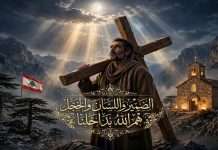
هنا سرّ الارتفاع. الصليب لم يبقَ أداة إعدام، بل ارتفع ليجذب الجميع. المسيح لم ينزل عن الصليب ليبرهن عن قوته، بل بقي عليه ليبرهن عن حبه.
لبنان وصليب النور
امتاز لبنان بهذا العيد منذ القديم. ففي ليلة العيد، كانت ولا تزال، تظهر شعلة من الأنوار على جروده وسواحله، نار تُشعل على قمم الجبال تذكيراً بالنور الذي انبثق من خشبة الخلاص. فالصليب في وجدان اللبناني ليس رمزاً طائفياً، بل هو هوية أرض تقدست لأنها، كما قال الرب لموسى، وقف له.في هذا العيد، ونحن نرى صلباننا اليوم كثيرة: وطن مسلوب القرار، وشعب مشتت، وكنيسة متألمة، نتذكر أن الصليب الحقيقي لم يُرفع مرة واحدة وانتهى، بل يُرفع كل يوم عندما نختار التواضع بدل الأرجوان، والحق بدل المساومة، والشهادة بدل التبعية. الصليب هو المعيار. من لا يحمل صليبه ويتبعه لا يستطيع أن يكون تلميذاً له. ومن يخجل بصليبه، يخجل به ابن الإنسان. فالشكر للرب يسوع الذي قال: “وأنا إذا ارتفعت عن الأرض، جذبت إليّ الجميع”. آمين.
*ملاحظة/المعلومات الواردة في هذه الدراسة منقولة عن العديد من المراجع الكنسية والاهوتية والبحثية والإعلامية الموثقة.
**الكاتب ناشط لبناني اغترابي عنوان الكاتب الألكتروني Phoenicia@hotmail.com رابط موقع الكاتب الألكتروني https://eliasbejjaninews.com
The Feast of the Exaltation of the Precious Cross Elias Bejjani/September 14, 2026
On September 14th of every year, the Holy Church, East and West, lifts high the Cross of our Lord Jesus Christ, not as a wood of shame and death, but as a sign of victory, life and power. It is the Feast of the Exaltation of the Precious Cross, the feast that summarizes the entire mystery of Christianity: that death was conquered by death, and that love reached its summit on the wood.
How the Cross was lost and how it was found
After the crucifixion on Mount Golgotha, the Romans wanted to erase every trace of the Cross. They threw the wood into a large pit near Golgotha, and built over it a temple to the Roman god Venus, to prevent the early Christians from visiting the place and venerating the Holy Cross.
It remained so until the year 326 AD, when Saint Helena, the mother of Emperor Constantine the Great, came to Jerusalem with piety and longing, searching for the wood of the Holy Cross. She was told that the Cross was buried near the temple of Venus built by Emperor Hadrian. She ordered the place to be excavated, and three crosses were found.
How would they know which was the Cross of Christ? Tradition says that Patriarch Macarius suggested that each cross be placed, one after the other, upon the body of a dead man whose funeral was passing by at that time. When the third Cross was placed, the dead man rose by a wondrous miracle. They also placed it upon a sick woman and she was instantly healed. Then Patriarch Macarius lifted the wood of the Cross high so that all present could see it, and they cried out with tears of joy, “Lord, have mercy.” And Saint Helena raised the Holy Cross on Mount Golgotha and built above it the Church known to this day as the Church of the Holy Sepulchre.
The Cross between captivity and triumph
The story of the Cross did not end there. In the year 614, Chosroes, King of the Persians, entered Jerusalem victorious, and took thousands of Christians captive, foremost among them Patriarch Zacharias, and transferred them to his country, and took the relic of the precious wood of the Cross as booty. It remained in his possession for fourteen years.
When Emperor Heraclius defeated the Persians in 628, his first condition was the release of the captives and the return of the relic of the Cross. Chosroes had died and his son Siroes reigned in his place. He accepted the condition and released the captives with Patriarch Zacharias and handed the relic of the Cross to Heraclius. Heraclius brought it to Constantinople, whose entire population came out to receive him with lamps and hymns of victory and rejoicing.
A year later, Heraclius himself carried the relic to Jerusalem to set it in its place on Golgotha. The people came out to meet him, headed by Patriarch Zacharias, with torches and church hymns, and they walked to the road of Golgotha. There the Emperor suddenly stopped by a hidden power and could not take a single step forward.
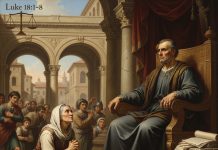
The Patriarch came forward and said to the King: “Our Lord Jesus Christ walked this road carrying His Cross, crowned with thorns, wearing the garment of mockery and humiliation, and you are wearing your purple robes and on your head a crown studded with jewels, so you must imitate Christ in His humility and poverty.” The King listened to the Patriarch’s words, took off his luxurious garments, put on a humble garment and walked bareheaded, barefoot, until he reached Golgotha, where he set the Cross in the place where it had been before.
There is a third account linked to the feast, which is the apparition of the Cross to Emperor Constantine the Great himself before a battle against his enemy Maxentius near Rome. While he was in battle, the Cross appeared to him in the clear sky, surrounded by writing in letters prominent with light: “By this sign you shall conquer.” He put his trust in the God of the Cross and was victorious, and he and his soldiers believed in Christ, and made the banner of the Cross flutter among his flags. He brought the Church out of the darkness of the catacombs, ordered the demolition of the temples of idols and built churches in their place. And since that time, since the year 330, the celebration of the Feast of the Cross has spread throughout East and West.
The Cross… Foolishness or the Power of God?
The world sees in the Cross a defeat, but we believers see in it the summit of love and victory. This is what the Apostle Paul explains precisely: “The message about the cross is foolishness to those who are perishing, but to us who are being saved it is the power of God” (1 Corinthians 1:18-25)
“For it is written, ‘I will destroy the wisdom of the wise, and the discernment of the discerning I will thwart.’ Where is the one who is wise? Where is the scribe? Where is the debater of this age? Has not God made foolish the wisdom of the world?… For Jews demand signs and Greeks desire wisdom, but we proclaim Christ crucified, a stumbling-block to Jews and foolishness to Gentiles, but to those who are the called, both Jews and Greeks, Christ the power of God and the wisdom of God. For God’s foolishness is wiser than human wisdom, and God’s weakness is stronger than human strength.”
And our Lord Jesus Himself explained the mystery of the Cross with the grain of wheat: “Very truly, I tell you, unless a grain of wheat falls into the earth and dies, it remains just a single grain; but if it dies, it bears much fruit… And I, when I am lifted up from the earth, will draw all people to myself” (John 12:20-32)
Here is the secret of the Exaltation. The Cross did not remain an instrument of execution, but was lifted up to draw all. Christ did not come down from the Cross to prove His power, but remained upon it to prove His love.
Lebanon and the Cross of Light
Lebanon has been distinguished by this feast since ancient times. On the eve of the feast, then and now, a flame of lights appears on its mountains and coasts, fires lit on mountain peaks reminding us of the light that burst forth from the wood of salvation. The Cross in the Lebanese conscience is not a sectarian symbol, but it is the identity of a land that was sanctified because, as the Lord said to Moses, it is set apart for Him.
On this feast, and as we see our many crosses today: a homeland stripped of its decision, a scattered people, a suffering Church, we remember that the true Cross was not lifted once and ended, but is lifted every day when we choose humility instead of purple, truth instead of bargaining, and witness instead of subservience.
The Cross is the criterion. Whoever does not carry his cross and follow Him cannot be His disciple. And whoever is ashamed of His Cross, the Son of Man will be ashamed of him.
So thanks be to the Lord Jesus who said: “And I, when I am lifted up from the earth, will draw all people to myself.” Amen.
Note: The information contained in this study is drawn from numerous documented ecclesiastical, theological, research, and media references.