Jean Aziz and the Master of the Palace’s Game
Colonel Charbel Barakat/September 20/2026
جان عزيز ولعبة سيد القصر
الكولونيل شربل بركات/20 أيلول/2026
كنا نود أن نصدّق بأن الرئيس جوزاف عون يختلف عن سابقه، وأنه بوصوله إلى سدة الرئاسة تناسى فصول قيادته للجيش في ظل حزب السلاح الإيراني، وتدجينه كبقية الضباط بقبول المفروض عليهم من قوى الاحتلال المزدوج السوري – الإيراني، والمقنع بسبب انسحاب السوريين تحت الضغوط الدولية. فهو فور انتخابه وفي خطاب القسم أسمعنا ما نحب سماعه؛ أي استعادة الدولة لأدنى صلاحياتها، والمتمثلة باحتكار السلاح وقرار الحرب والسلم. وهو أوهمنا بأنه جادٌّ في طرحه، لا بل أوهم قداسة البابا ليون الرابع عشر أثناء زيارته لبنان بوجهه البريء وممارسته الالتزام الديني، بالرغم من فشله بالتصرف كرئيسٍ واسع الصدر يوم استثنى رئيس حزب القوات اللبنانية من الدعوة إلى الاستقبال. ومن ثم أوهمنا أكثر بأنه ابن العيشية التي تعرف معاني الاستشهاد والمجازر، وهو الذي حُمل طفلاً على كتف أحد أبناء القليعة يوم هربت العائلة للخلاص من مفاعيل “الأخوة القاتلة” في ذلك اليوم الرهيب الذي أراده السوريون لتلقين درسٍ لكل من قد يتأمل أن يكون الجار الإسرائيلي قادراً على حمايتهم في حال قررت زمر الشر أن تستعملهم لإخافة البقية. وهم نفذوا الهجوم يومها بواسطة جماعة عرفات وفلول الجيش العربي قبل يومٍ من اجتماع القمة العربية الذي قرر اعتمادهم قوة ردعٍ تتحمل مسؤولية فرض الأمن والاستقرار في ربوع لبنان.
الرئيس عون يحاول التذاكي على الأميركيين والإسرائيليين وبقية دول العالم بما فيها العرب منذ أن تسلّم مقاليد الحكم، فهو بدأ عهده بتعيين ثلة من المستشارين أقل ما يقال فيهم إنهم من بقايا العهد الإيراني، يتحكّمون بكل التصاريح الصادرة عن القصر لِيُنَفِّسوا أي قرار حكومي يخالف سيطرة الحزب أو يتعرض لسلاحه. وهو لم يقرر بعد كيفية تنفيذ تعهده بنزع السلاح الخارج عن سلطة الدولة حتى اليوم، ولكنه يهوّل على اللبنانيين بالحرب الأهلية، وهي وسيلة الحزب الكبرى التي يخيفون بها من يتجرأ على الاعتراض.
الرئيس عون كان يمكنه أن يسهم بخلاص لبنان بجد، كون إسرائيل تصرّح بشكل علني وعلى لسان كل المسؤولين فيها وعلى رأسهم رئيس الوزراء السيد نتنياهو عن رغبتها بالتفاوض مع لبنان للتوصل إلى اتفاق كامل وشامل لا لبس فيه، ودون أية أطماع بالأرض أو فرض أي نوع من الشروط، سوى المحافظة من كل جهة على استتباب الأمن، ومحاولة التعاون في سبيل خلق فرص أكبر للمواطنين على جانبي الحدود للعيش بسلام يستحقونه بعد كل تلك الحروب التي لا تعنيهم.
والرئيس عون الذي يعرف جيداً كيف تجري الحروب من حوله، ويقدّر دقة وضع الجهة الإيرانية التي تخسر كل يوم مزيداً من القوة، وهو يعرف أيضاً بأن لبنان يجب أن يتفاهم مع جيرانه العرب الذين وحدهم يمكن أن يساهموا بإعادة إعمار ما هدمه الإيرانيون، لا يزال يتردد، وعندما يرى الكفة تميل صوب الولايات المتحدة واستعمالها القوة المفرطة يحاول أن يضع نفسه بصفها، ولكنه وفور بدء أي نوع من التراخي يخاف من انتقام الحزب الإيراني فينسحب ويبدأ بالتذاكي، فيطلق لمستشاريه العنان لتحليلاتهم التي ترضي الحزب المتحلل بعد كل ما تلقاه من ضربات.
اليوم يقوم المستشار الرئاسي السيد عزيز بكتابة مقالة في أحد المواقع الإعلامية الأميركية التي تتقرب من المعارضة الديمقراطية وعلى أبواب الانتخابات النصفية، يحلل فيها موقف الرئيس المتذبذب، وهو ينسق ما يقوله مع ماكينة الحزب الإيراني الإعلامية التي تسارع إلى الانتقاد لكي يقتنع اللبنانيون أكثر بطرحه. ولكن هذا الطرح مرفوض من أساسه، فهو يريد أن تنسحب إسرائيل من كل لبنان وتُعيد السكان إلى بيوتهم وتبدأ عملية إعادة الإعمار، قبل أن يقرر هو ورئيسه كيف سيجمعان السلاح الذي يطالبه العالم كله بجمعه، وحل كافة الأجهزة التي تعمل حوله. ليس هذا فحسب، بل يجب عليه من حيث المبدأ أن يحل ما يسمى بـ “حزب الله” ويمنع أيّاً من عناصره من التصريح، ويطرد من يدّعون بأنهم نوابه ووزراؤه، كونه عنصر تخريب جرّ البلاد والعباد إلى مجزرة رهيبة، وجرّ المنطقة والعالم إلى مشكلة كبيرة لم يستوعب بعد أهميتها وتأثير لبنان فيها.
والرئيس عون بدل أن يبطل مهاجمة ما يسمى بالمحكمة العسكرية وقراراتها العشوائية ضد الرأي الحر للمواطنين – وخاصة الذين يعيشون في الولايات المتحدة حيث حرية الرأي مقدسة – ها هو يسمح لها بالتهويل على كل من يجاهر بمعاداة الحزب، ويحاكم كل من يتجرأ على الانتقاد، سواء كان يسكن في لبنان أو خارجه على السواء؛ فكيف يمكن التفاؤل بمستقبل لمثل هذه القيادة؟
إن التصرفات العشوائية التي يقوم بها الرئيس، والتي ستفقد لبنان كل دعم عالمي وتمنع عنه أي مساعدة لاحقاً، تعتبر خطيئة مميتة يقترفها من يجلس على كرسي بعبدا محاطاً بالعملاء والمخبرين، ولا يعرف ما إذا كانت تسير تحته المياه أم القنابل والصواريخ. فهل سينتهي عصره قبل أن يبدأ؟ وهل سيذهب هو وقائد جيشه إلى الإقامة الجبرية لتخليص لبنان من كل تلك
الشرور؟ أم أن الآتي سيكون أعظم ولن يبقى لبنان الذي حلمنا به، والذي كان مفترضاً أن يحمي الأقليات التي تسكنه، ويؤمن مستقبلها وتوازنها، ويعلّمها التعاطي بكل صدق مع الغير، فيمنع الانتقام من قبل الأكثريات المحيطة، ويخفف من الأحقاد القاتلة؟ وإذا بنا نتبنى زيادة الأحقاد وهدم قواعد الصلح والتعاون بين الجيران، كما علمتنا الأيام يوم عشنا في نفس القرى والمدن وحاولنا تفهّم مخاوف الآخرين والاستماع إلى صوت الضمير الذي ينهى عن الشر وزراعة الحقد ونتائجهما.
إن المحتل الإيراني يعرف بالضبط ماذا يفعل ولا يهمه مصير اللبنانيين شيعة كانوا أم سنة، وهو إذ يقامر بمصير الشعب الإيراني لن يأخذ بعين الاعتبار مخاوف جوزاف عون أو نواف سلام حول السلم الأهلي. ويوم يشعر بأنه قادر على قلب الطاولة سوف يفعل، ولن يوفر رئيساً أو حليفاً، ولا مصير البلد ومستقبل شعبه. من هنا نقول لمن يجلس على رأس الهرم بأن للسلطة متطلبات، وأولها الحزم والوضوح لكي تعرف الرعية ما هو المطلوب منها وكذلك الحلفاء، لا أن يترك الناس يضيعون في متاهات المناورات والتسريبات والمسايرات التي لن تجدي نفعاً. فإذا كان الرئيس ترامب قد طوّل باله عليكم كرامةً لعيون الكثير من اللبنانيين الأميركيين ولحبه لهذا البلد، فلا نطمع بأن يحافظ على نفس الطريقة في التعاطي إلى ما لا نهاية، ولنستفد من الفرص قبل أن تضيع، ولنبنِ جسور التفاهم والتعاون مع الجيران وننتهي من الحقد ومسبباته.
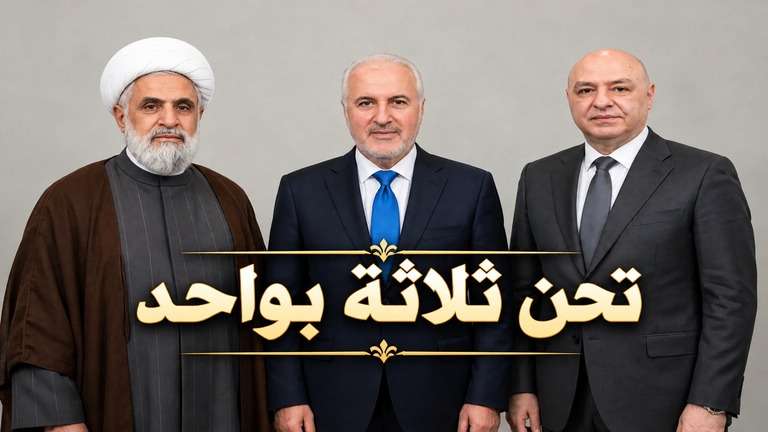
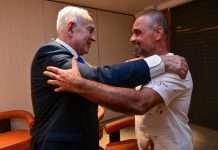
ملاحظة/الصورة المرفقة مع المقالة هي من رسم الذكاء الإصطناعي
Note: The image inclosed with the article was generated by artificial intelligence.
Jean Aziz and the Master of the Palace’s Game
Colonel Charbel Barakat/September 20/2026
We wanted to believe that President Joseph Aoun was different from his predecessor, and that upon reaching the presidency, he had forgotten the chapters of his command of the army under the shadow of the Iranian armed party. We hoped he had moved past his subjugation—like the rest of the officers—to accepting what was imposed on them by the forces of the dual Syrian-Iranian occupation, which became masked following the Syrian withdrawal under international pressure. Immediately after his election, in his oath of office, he told us what we wanted to hear: the restoration of the state’s most fundamental powers—namely, the monopoly on arms and the decisions of war and peace. He misled us into believing he was serious about his proposal. Indeed, he even deceived His Holiness Pope Leo XIV during his visit to Lebanon with his innocent appearance and devout religious practice—despite failing to act as a broad-minded president on the day he excluded the head of the Lebanese Forces party from the reception. Then he misled us further by claiming to be a son of Al Aychiye, a village that understands the meaning of martyrdom and massacres—he who was carried as a child on the shoulders of a man from Al-Qlaiaa when his family fled to escape the fallout of the “deadly brotherhood” on that dreadful day. That day was orchestrated by the Syrians to teach a lesson to anyone who might hope that their Israeli neighbor could protect them should the forces of evil decide to use them to intimidate the rest. They carried out the attack that day using Arafat’s group and the remnants of the Arab Army, just one day before the Arab Summit that decided to adopt them as a deterrent force responsible for enforcing security and stability across Lebanon.
President Aoun has been trying to outsmart the Americans, the Israelis, and the rest of the world—including the Arabs—since taking power. He began his tenure by appointing a cluster of advisors who, to say the least, are remnants of the Iranian era. They control every statement issued by the palace to defuse any government decision that challenges the party’s control or targets its weapons. To this day, he has not decided how to fulfill his pledge to disarm forces operating outside state authority; instead, he frightens the Lebanese with the specter of civil war—the party’s ultimate weapon to intimidate anyone who dares to object.
President Aoun could have genuinely contributed to Lebanon’s salvation, given that Israel explicitly states—through all its officials, led by Prime Minister Netanyahu—its desire to negotiate with Lebanon to reach a complete, comprehensive, and unambiguous agreement. Israel has expressed no territorial ambitions or desire to impose conditions, seeking only the mutual preservation of security and cooperation to create better opportunities for citizens on both sides of the border to live in the peace they deserve after so many irrelevant wars.
President Aoun—who knows full well how wars are fought around him and appreciates the fragile state of the Iranian faction as it loses more power by the day, and who also knows that Lebanon must reach an understanding with its Arab neighbors, the only ones who can help rebuild what the Iranians destroyed—remains hesitant. When he sees the scales tipping toward the United States and its use of overwhelming force, he tries to align himself with them. But the moment any slackening occurs, he fears retaliation from the Iranian party, retreats, and begins playing games again, giving his advisors free rein to pump out analyses aimed at pleasing a decaying party that has suffered blow after blow.
Today, presidential advisor Mr. Aziz wrote an article for an American media outlet close to the Democratic opposition on the eve of the midterm elections, analyzing the President’s vacillating stance. He coordinated his points with the Iranian party’s media machine, which rushed to criticize the article so the Lebanese public would find the argument more convincing. But this argument is fundamentally rejected: he wants Israel to withdraw from all of Lebanon, return residents to their homes, and begin the reconstruction process before he and his President even decide how they will collect the weapons the entire world is asking them to collect and dismantle all the apparatuses operating around them. Not only that, but in principle, he ought to dissolve the so-called “Hezbollah,” ban any of its members from issuing statements, and expel those claiming to be its MPs and ministers, given that it is an element of destruction that dragged the country and its people into a horrific massacre, and dragged the region and the world into a major crisis whose scale and Lebanon’s impact within it have yet to be fully grasped.
Instead of putting an end to the attacks by the so-called Military Court and its arbitrary rulings against citizens’ free speech—especially those living in the United States, where freedom of expression is sacred—President Aoun allows it to intimidate anyone who openly opposes the party and to prosecute anyone who dares to criticize, whether they live in Lebanon or abroad. How can anyone hope for a future under such leadership?
The reckless actions taken by the President, which will strip Lebanon of all global support and deny it any future assistance, constitute a mortal sin committed by the man sitting on the throne in Baabda, surrounded by agents and informants, oblivious to whether water or bombs and missiles are flowing beneath him. Will his era end before it even begins? Will he and his army commander be placed under house arrest to save Lebanon from all these evils? Or will what comes next be even worse, leaving nothing of the Lebanon we dreamed of—the Lebanon that was supposed to protect its minorities, secure their future and balance, and teach them to deal honestly with others, thereby preventing retaliation from surrounding majorities and dampening deadly hatreds? Instead, we find ourselves fostering deeper hatred and destroying the foundations of peace and cooperation among neighbors—lessons we learned when we lived in the same villages and cities, trying to understand each other’s fears and listening to the voice of conscience that forbids evil, the sowing of hatred, and their consequences.
The Iranian occupier knows exactly what it is doing and does not care about the fate of the Lebanese, whether Shiite or Sunni. Just as it gambles with the fate of the Iranian people, it will not take into account the concerns of Joseph Aoun or Nawaf Salam regarding civil peace. The day it feels capable of turning the tables, it will do so without sparing a president, an ally, or the fate of the country and the future of its people. From here, we say to the man at the top of the pyramid that power carries requirements, chief among them firmness and clarity, so that the people—and allies alike—know what is expected of them, rather than leaving everyone lost in a maze of maneuvers, leaks, and appeasements that yield no benefit. If President Trump has been patient with you out of respect for the many Lebanese-Americans and his affection for this country, do not expect him to maintain this approach forever. Let us capitalize on opportunities before they slip away, build bridges of understanding and cooperation with our neighbors, and put an end to hatred and its causes once and for all.
السيرة الذاتية للكولونيل شربل بركات
خبير عسكري، كاتب، شاعر، مؤرخ، ومعلق سياسي
*ضابط متقاعد من الجيش اللبناني
*متخرج من المدرسة الحربية ومجاز بالعلوم السياسية والادارية من الجامعة اللبنانية
*كلف كأحد الضباط لتنظيم الدفاع عن القرى الحدودية منذ 1976
*تسلم قيادة تجمعات الجنوب
*تسلم قيادة القطاع الغربي في جيش لبنان الحر وأصبح مساعدا للرائد سعد حداد ثم تسلم قيادة الجيش بالوكالة عندما مرض الرائد حداد واستمر بعد وفاته حتى مجيء اللواء أنطوان لحد فأصبح مساعده ثم قائدا للواء الغربي في جيش لبنان الجنوبي
*ترك العمل العسكري في 1988 وتسلم العلاقات الخارجية
*شهد أمام لجنة العلاقات الخارجية في مجلس الشيوخ الأميركي مرتين
*كاتب سياسي وباحث في التاريخ له الكثير من الكتب والمقالات السياسية التاريخية والانسانية
نشر كتابه الأول “مداميك” (1999) الذي يحكي عن المنطقة الحدودية ومعاناة أهلها، ترجم إلى العبرية ونشرته معاريف (2001) والانكليزية (2012) Madameek – Courses – A struggle for Peace in a zone of war موجود على Amazon Books
*نشر كتابه الثاني “الجنوب جرحنا وشفانا” الذي يشرح الأحداث التي جرت في المنطقة بين 1976 – 1986
*الكتاب الثالث “Our Heritage” كتاب بالانكليزية يلخص التراث اللبناني مع رسومات لزيادة الاستيعاب موجه للشباب المغترب
*كتابه السياسي الثالث “لبنان الذي نهوى” (2022) جاهز للطبع
*كتاب مجزرة عين إبل 1920 وهو بحث تاريخي عن المجزرة التي ساهمت في نشوء وتثبيت لبنان الكبير
*كتاب “المقالات السياسية 2005 – 2013” مئة ومقالة منشور على صفحته
*كتاب “الشرق الأوسط في المخاض العسير” مجموعة مقالات سياسية (2013 – 2025)
*كتاب “العودة إلى عين إبل” بحث تاريخي بشكل قصصي عن تاريخ المنطقة بين 1600 – 1900
*كتاب شعر عن المعاناة خلال الحرب الكبرى 1914 – 1918 من خلال قصيدة زجلية نقدية جاهز للطبع
*كتاب “تاريخ فناء صور الخلفي” بحث تاريخي عن المنطقة الجنوبية – قيد الانجاز
*كتاب المقالات الانسانية وكتاب عينبليات قيد الانجاز