فيديو وثائقي مصور عام 1988 عن الحرب اللبنانية وعن الدور الخلاصي الذي كان يسعى جيش لبنان الجنوبي للقيام به/الفيديو من انتاج تلفزيون سي بي ان CBN التي عرفت أيضاً باسم تلفزيون الشرق الأوسط. التعليق على الفيديو هو باللغة الإنكليزية.
وثائقي من أرشيف عام 1988/لبنان الأمل القادم من الجنوب/Lebanon The Hope Coming From The South
ملخص المحتوى
يستعرض النص تاريخ لبنان منذ أن كان واحة للسلام والاستقرار والعيش المشترك بين مختلف الطوائف (مسيحيين، دروز، سنة، وشيعة)، مروراً بالدمار والخراب الهائل الذي خلّفته سنوات الحرب الأهلية وتفكك مؤسسات الدولة وتحول البلاد إلى مركز للعمليات الإيجابية أو الصراعات والتدخلات الخارجية. يركز الجزء الأكبر من الفيديو على الجنوب اللبناني باعتباره “المعقل الأخير للحرية والسلام” في البلاد، مسلطاً الضوء على دور الجنرال أنطوان لحد وقراره بالاستقالة من الجيش اللبناني عام 1983 وتولي قيادة “جيش لبنان الجنوبي” (SLA). يوضح الفيديو أهداف هذا الجيش في حماية السيادة، والدفاع عن الأقلّيات، والحفاظ على التعايش السلمي والخدمات العامة في منطقة الجنوب رغم التحديات اليومية والهجمات المستمرة. في ختام النص، يُطرح حل سياسي مستقبلي يتمثل في الانتقال إلى نظام فيدرالي يعيد تقسيم البلاد إلى مقاطعات تتمتع بنوع من الحكم الذاتي اللامركزي، بما يتناسب مع التعددية الواقعية للمجتمع اللبناني ويضمن وحدة الأراضي اللبنانية واستقرارها بعيداً عن التدخلات الخارجية.
The hope coming from the South
This documentary about Lebanon seen from the Southern eye is very important as a document talking about how the Southerners use to look at the situation during the eighties.
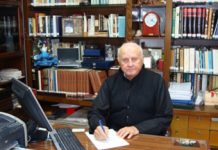
About 20 years later things changed and South Lebanon returned to the occupied country without the Guardians of the Land.The people of Lebanon especially new generations don’t have a clue about that period they were miss lead and may consider the real protectors of the land as traitors and those who sold the country to strangers as heroes.When general Lahad passed away he wasn’t even buried in the land he tried to protect for the generations to come. Cesar Sakr who wrote the script wasn’t allowed to be buried in his own village too. Those who are sending Lebanese to be killed faraway for no reason are still given the spot lights of the Media.This short documentary is coming from the old days to say that many other options were available to give better future for our beloved country. Should we ever dream again of a change?…
الأمل القادم من الجنوب
هذا الوثائقي عن لبنان من منظور جنوبي يُعد وثيقة بالغة الأهمية تتحدث عن كيف كان أهل الجنوب ينظرون إلى الوضع خلال فترة الثمانينيات. وبعد نحو 20 عاماً، تغيرت الأمور وعاد جنوب لبنان بلداً محتلاً بلا حماة الأرض. إن شعب لبنان، ولا سيما الأجيال الجديدة، ليس لديه أي فكرة عن تلك الفترة؛ فقد تم تضليلهم وقد يَعتبِرون الحقيقيين لحماة الأرض خونة، ومن باعوا البلد للغرباء أبطالاً. عندما رحل الجنرال لحد، لم يُدفن حتى في الأرض التي حاول حماتها للأجيال القادمة. كما أن سيزار صقر، كاتِب السيناريو، لم يُسمح له بأن يُدفن في قريته أيضاً. أما أولئك الذين يرسلون اللبنانيين ليُقتلوا بعيداً بلا أي سبب، فلا يزالون يحظون بأضواء الإعلام. يأتي هذا الوثائقي القصير من الزمن الجميل ليقول إن العديد من الخيارات الأخرى كانت متاحة لتوفير مستقبل أفضل لبلدنا الحبيب. فهل نجرؤ يوماً على الحلم بالتغيير من جديد؟…
Executive Summary
The video presents a narrative contrasting Lebanon’s historical identity as a peaceful, pluralistic haven of coexistence with its devastation during the civil war years. It argues that the conflict was not merely an internal civil war, but rather the result of covert foreign interferences (specifically naming Syrians, Palestinians, and Iranians) aiming to destroy Lebanese sovereignty. Finally, it highlights the deep south of Lebanon as the last stronghold of cross-communal peace, defending the region under the leadership of General Antoine Lahad and the South Lebanon Army (SLA), while advocating for a decentralized or federal political structure to ensure future stability.
Key Topics
Lebanon’s Historical Identity and Geography
Descriptions of Lebanon’s strategic location as a bridge between East and West, its mountainous terrain safeguarding freedom, and its role as a historic sanctuary for persecuted religious and political minorities.
A Culture of Coexistence and Pluralism
The tradition of multi-religious harmony (Christians, Druze, Sunnis, and Shias living and working side-by-side), lack of a state religion, and the “Lebanese way” of peaceful compromise.
The Impact of the Civil War
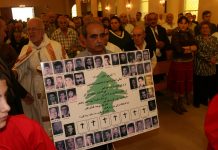
The destruction of Beirut and the country at large after 13 years of war, resulting in massive casualties, the paralysis of the state, the rise of rival militias, and the transformation of Lebanon into a base for international terrorism and foreign occupation.
Foreign Interference vs. Internal Conflicts
The video’s core thesis that external actors (Syrians, Palestinians, and Iranians) exploited internal demographic tensions—specifically the shifting balance between Christians and Muslims following the 1943 National Pact—to manipulate communities and wage a covert war against Lebanese sovereignty.
The South Lebanon Army (SLA) and General Antoine Lahad
The formation and role of the SLA as a multi-sectarian military force in southern Lebanon, led by General Lahad after his resignation from the dismantled national army in 1983.
The SLA’s mission: maintaining sovereignty, protecting minorities, resisting foreign and extremist dominance, and providing local administrative, medical, and educational stability in the south.
Proposals for Lebanon’s Future
General Lahad’s vision for a reformed political structure, specifically advocating for a federal system with socially and economically viable autonomous provinces to accommodate the pluralistic realities of post-war Lebanon while preserving national unity.
The hope coming from the South
This documentary about Lebanon seen from the Southern eye is very important as a document talking about how the Southerners use to look at the situation during the eighties.
About 20 years later things changed and South Lebanon returned to the occupied country without the Guardians of the Land. The people of Lebanon especially new generations don’t have a clue about that period they were miss lead and may consider the real protectors of the land as traitors and those who sold the country to strangers as heroes. When general Lahad passed away he wasn’t even buried in the land he tried to protect for the generations to come. Cesar Sakr who wrote the script wasn’t allowed to be buried in his own village too. Those who are sending Lebanese to be killed faraway for no reason are still given the spot lights of the Media. This short documentary is coming from the old days to say that many other options were available to give better future for our beloved county. Should we ever dream again of a change?…