Maps and Occupations… Clarifying what has been circulating regarding fabricated maps that allegedly depict Israel’s ambitions in Lebanon
Colonel Charbel Barakat/August 11/2026
الخرائط والاحتلالات… توضيحاً لما تم تداوله من خرائط وهمية قّيلّ أنها تُجسّد أطماع إسرائيل في لبنان
الكولونيل شربل بركات/11 آب/2026
تداول بعض الهواة صورةً لخريطةٍ قالوا إنها تُجسّد أطماع إسرائيل في جنوب لبنان، وادّعوا أنها مُقتطعة، رغم أنه لم يتبدَّ لنا أي اقتطاعٍ فيها نظرًا لعدم وضوح الصورة المنشورة والتي قيل بأنها تُغيّب أجزاءً من الأراضي اللبنانية.
إن “العدو” الإسرائيلي—كما يحلو للبنانيين تسميته—”يحتل” بالفعل أراضٍ لبنانية يراها المواطنون في وسائل الإعلام كل يوم ويلمسونها على أرض الواقع. ويحاول اللبنانيون التوصل إلى تفاهمٍ قد يؤدي إلى انسحاب هذا “العدو الغاشم” بوعودٍ مكررة لم تتحقق حتى بعد أربع حروب، وذلك لكي تتحمل الدولة اللبنانية مسؤولية الحكم على أراضيها وتمنع استخدامها منصة انطلاق للاعتداء على محيطها. وفي المقابل، تحاول الحكومة اللبنانية اللجوء إلى وساطة بعض الدول التي لا تناصبها العداء علنًا، بل وتساهم في تمويل بعض أجهزتها، دون أن تمتلك تلك الدول القدرة حتى الآن على التأثير في تصرفاتها أو كبحها.
من جهة أخرى، تشير التسريبات الإعلامية والتقارير الصحفية والأحاديث المتداولة بين الناس في كل حيٍّ وشارع إلى أن لبنان مُحتلٌّ بالكامل تقريبًا—فوق الأرض وتحتها—من قِبل الحرس الثوري الإيراني وميليشياته، حيث لا سيطرة للحكومة اللبنانية على أي بقعة منه، ولا حتى على نفسها أو على مجلس النواب. فالسلطة الفعلية داخل وزارة الدفاع مثلاً—والتي يُفترض بها أن تصون البلاد وتحمي الشعب—هي لجماعات إيران، إذ يتقاضى بعض الضباط رواتب ومخصصات من الحرس الثوري، ويشكلون جزءًا محوريًا من شبكته التي تسيطر على البلد وتمنع أي تدخل لتقليص نفوذه واحتلاله. ولهم أيضًا وزراء ونواب، على رأسهم رئيسٌ يُمثّل دور “الأخ الأكبر”، ويستمر في الإمساك بالجهاز التشريعي في البلد منذ أكثر من ثلاثين سنة بلا منازع؛ تقاسم البلد مع الأجهزة العسكرية للاحتلال الإيراني وينفذ المطلوب منه بدقة متناهية، بدءًا من خرق المؤسسات ووأد الديمقراطية، وصولاً إلى تدمير الاقتصاد ومنع الحلول، ليتاح للاحتلال الفعلي الإمساك بمفاصل الدولة والسيطرة على كافة مناطقها. ومع ذلك، فلم يُحتل لبنان بالكامل بعد، إذ لا يزال هناك أحرار يحافظون على مناطق خارجة عن هذه السلطة.
إن الاحتلال الفعلي هو الذي يمنع لبنان من ممارسة حقه في إنهاء وضع “الساحة المفتوحة”، الذي بدأ سابقًا مع عرفات وجماعته بتمويلٍ من دول عربية “شقيقة” وتسليحٍ من الاتحاد السوفياتي وحلفائه، وصولاً إلى جماعة إيران التي أكملت احتلال طائفة بكاملها وفرضت عليها قوانينها وأنظمتها وتطلعاتها، حتى أصبحت تدين لها بالولاء وتقبل بتدمير بيوتها وقتل أبنائها في سبيل “الولي الفقيه”، منتظرةً ربما المكافأة وإعادة الإعمار ودفع التعويضات. فهل يُعتبر الاحتلال الإيراني أفضل من غيره؟
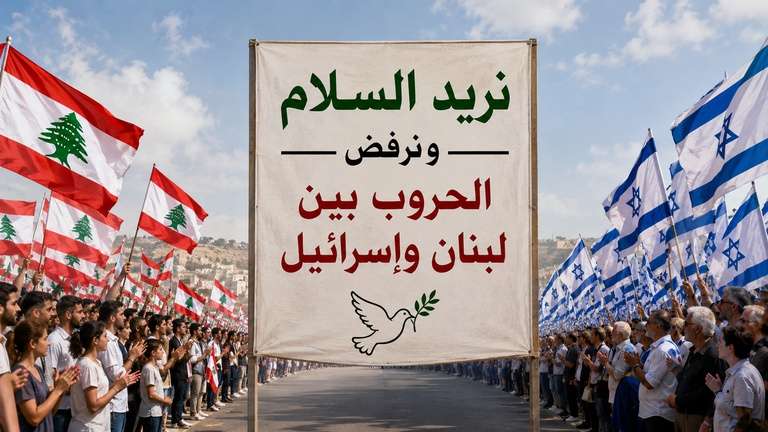
يعتبر الإسرائيليون أنفسهم جيرانًا لا أطماع لهم في لبنان سوى تحقيق السلام والاستقرار على طرفي الحدود، وأقصى طموحاتهم هي التعاون الاقتصادي والتجاري والسياحي، بل والحدود المفتوحة ليكبر أبناؤهم وينعموا بآفاق المستقبل في أمانٍ دون حاجة إلى الحرب والعداء وتغذية الأحقاد. ويتمنون أن يكون حسن الجوار والتعاون بين مكونات المنطقة هي الشعار السائد، وأن تكون مهمة الدول هي الحفاظ على الهدوء ودوام الازدهار. فهل سنصل إلى يوم نطمئن فيه من ناحية الجنوب فلا يعود عبئًا على البلد بل معينًا له في كافة المجالات؟ وهل سنستطيع التعاون مع كل الجيران، بما فيهم البعيدون كتركيا وإيران ودول الخليج العربي كافة، بغير فوقية ولا منّة، فلا نترجى معونات ولا نستجدي هبات، ولا نتطلع لأن نكون بندقية للإيجار لدى هذا أو ذاك تحت أي شعار أو أيديولوجيا؟
إن السلام الدائم بين كافة دول المنطقة هو الوحيد الكفيل بتحقيق الاستقرار وبناء مستقبل زاهر؛ فلا النظريات الشمولية ولا الطروحات العقائدية ولا التصورات الدينية قادرة على حل المشكلات بين أبناء هذه البلاد، بل القبول بالآخر والتعاون معه لخير الجميع، ونزع أحلام السيطرة من عقول القادة والشارع على حد سواء. إن من يطلب من لبنان الاكتفاء بالعودة إلى اتفاقية الهدنة لا يريد أن يتعلم من دروس التاريخ، بل يحاول إعادة إنتاجه ومداواة الجراح بـ “الدوا الأحمر” كما يقال عندنا، بدلاً من إنهاء الصراعات وأسبابها والتوصل إلى قبول الآخر والتأسيس لعلاقات هادئة وطويلة الأمد لمستقبل واعد.
Maps and Occupations… Clarifying what has been circulating regarding fabricated maps that allegedly depict Israel’s ambitions in Lebanon
Colonel Charbel Barakat/August 11/2026
Some hobbyists circulated a photo of a map they claimed illustrates Israel’s ambitions in southern Lebanon, alleging that it was cropped, even though no cropping was apparent to us due to the lack of clarity in the published image, which reportedly obscures parts of Lebanese territory.
The Israeli “enemy”—as Lebanese like to call it—already “occupies” Lebanese lands that citizens see every day in the media and experience on the ground. The Lebanese are trying to reach an understanding that might lead to the withdrawal of this “brutal enemy” through repeated promises that have not materialized even after four wars, so that the Lebanese state can assume responsibility for governing its territory and prevent it from being used as a launching pad for attacks on its surroundings. In return, the Lebanese government is trying to resort to the mediation of certain countries that do not openly display hostility toward it, and even contribute to funding some of its agencies, without having demonstrated the ability so far to influence or curb its actions.
On the other hand, media leaks, press reports, and conversations among people in every neighborhood and street indicate that Lebanon is almost entirely occupied—above ground and below it—by the Iranian Islamic Revolutionary Guard Corps (IRGC) and its militias. The Lebanese government exercises no control over any part of the country, nor even over itself or the Parliament. The actual authority inside the Ministry of Defense, for instance—which is supposed to protect the country and safeguard its people—belongs to Iran’s groups. Some officers receive salaries and allowances from the IRGC and form a pivotal part of its network that controls the country and prevents any intervention to reduce its influence and occupation. They also have ministers and members of parliament, led by a speaker who plays the role of the “Big Brother” and has continuously held the country’s legislative branch for over thirty years uncontested. He shared the country with the military apparatus of the Iranian occupation and executes what is required of him with meticulous precision—starting from breaching institutions and stifling democracy, all the way to destroying the economy and blocking solutions, allowing the actual occupation to seize the levers of the state and control all its regions. Nevertheless, Lebanon has not been fully occupied yet, as there are still free people maintaining areas outside of this authority’s control.
The actual occupation is the one that prevents Lebanon from exercising its right to end its status as an “open arena,” which previously began with Arafat and his group funded by “sisterly” Arab states and armed by the Soviet Union and its allies, leading up to Iran’s group, which completed the occupation of an entire community and imposed its laws, systems, and aspirations upon it, until that community became loyal to it and accepted the destruction of its homes and the killing of its sons for the sake of the “Supreme Leader” (Wilayat al-Faqih), perhaps awaiting reward, reconstruction, and compensation payments. Is the Iranian occupation considered any better than others?
The Israelis consider themselves neighbors with no ambitions in Lebanon other than achieving peace and stability on both sides of the border. Their utmost ambition is economic, commercial, and tourism cooperation, as well as open borders so that their children can grow up and enjoy
future prospects in safety, without the need for war, hostility, and feeding hatreds. They hope that good neighborliness and cooperation among the region’s components become the prevailing motto, and that the mission of states remains preserving calm and lasting prosperity. Will a day come when we feel reassured regarding the south, so that it no longer poses a burden on the country, but rather a source of support in all fields? And will we be able to cooperate with all neighbors, including distant ones such as Turkey, Iran, and all the Arab Gulf states, without superiority or condescension, neither begging for aid nor soliciting donations, nor aspiring to be a hired gun for one party or another under any slogan or ideology?
A lasting peace among all countries in the region is the only guarantee for achieving stability and building a prosperous future. Neither totalitarian theories, nor ideological propositions, nor religious concepts are capable of solving the problems among the people of these lands; rather, it requires accepting the other and cooperating for the good of all, while stripping dreams of dominance from the minds of both leaders and the public. Anyone asking Lebanon to settle merely for a return to the Armistice Agreement does not want to learn from the lessons of history; instead, they are attempting to reproduce it and treat wounds with “red medicine” (mercurochrome)—as the local saying goes—rather than ending conflicts and their causes, accepting the other, and establishing calm, long-term relations for a promising future.
السيرة الذاتية للكولونيل شربل بركات
خبير عسكري، كاتب، شاعر، مؤرخ، ومعلق سياسي
*ضابط متقاعد من الجيش اللبناني
*متخرج من المدرسة الحربية ومجاز بالعلوم السياسية والادارية من الجامعة اللبنانية
*كلف كأحد الضباط لتنظيم الدفاع عن القرى الحدودية منذ 1976
*تسلم قيادة تجمعات الجنوب
*تسلم قيادة القطاع الغربي في جيش لبنان الحر وأصبح مساعدا للرائد سعد حداد ثم تسلم قيادة الجيش بالوكالة عندما مرض الرائد حداد واستمر بعد وفاته حتى مجيء اللواء أنطوان لحد فأصبح مساعده ثم قائدا للواء الغربي في جيش لبنان الجنوبي
*ترك العمل العسكري في 1988 وتسلم العلاقات الخارجية
*شهد أمام لجنة العلاقات الخارجية في مجلس الشيوخ الأميركي مرتين
*كاتب سياسي وباحث في التاريخ له الكثير من الكتب والمقالات السياسية التاريخية والانسانية
نشر كتابه الأول “مداميك” (1999) الذي يحكي عن المنطقة الحدودية ومعاناة أهلها، ترجم إلى العبرية ونشرته معاريف (2001) والانكليزية (2012) Madameek – Courses – A struggle for Peace in a zone of war موجود على Amazon Books
*نشر كتابه الثاني “الجنوب جرحنا وشفانا” الذي يشرح الأحداث التي جرت في المنطقة بين 1976 – 1986
*الكتاب الثالث “Our Heritage” كتاب بالانكليزية يلخص التراث اللبناني مع رسومات لزيادة الاستيعاب موجه للشباب المغترب
*كتابه السياسي الثالث “لبنان الذي نهوى” (2022) جاهز للطبع
*كتاب مجزرة عين إبل 1920 وهو بحث تاريخي عن المجزرة التي ساهمت في نشوء وتثبيت لبنان الكبير
*كتاب “المقالات السياسية 2005 – 2013” مئة ومقالة منشور على صفحته
*كتاب “الشرق الأوسط في المخاض العسير” مجموعة مقالات سياسية (2013 – 2025)
*كتاب “العودة إلى عين إبل” بحث تاريخي بشكل قصصي عن تاريخ المنطقة بين 1600 – 1900
*كتاب شعر عن المعاناة خلال الحرب الكبرى 1914 – 1918 من خلال قصيدة زجلية نقدية جاهز للطبع
*كتاب “تاريخ فناء صور الخلفي” بحث تاريخي عن المنطقة الجنوبية – قيد الانجاز
*كتاب المقالات الانسانية وكتاب عينبليات قيد الانجاز