Israel and Palestine
Colonel Charbel Barakat/August 08/2026
اسرائيل وفلسطين
الكولونيل شربل بركات/08 آب/2026
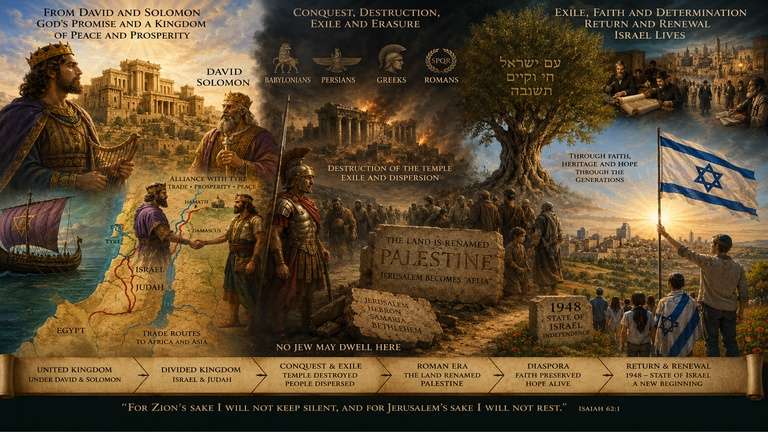
يوم تسلّم داوود قيادة الشعب اليهودي الذي كان يدعو الله دوماً أن يعطيه ملكاً مثل بقية الشعوب من حوله، لم يكن الأول، فقد نصب صموئيل ملكاً قبله. ولكن داوود نجح أكثر من صموئيل لأن يد الله باركته كما يقول الكتاب. وهو لم يواجه بقايا شعوب البحر، الذين عرفوا بالفلسطو وعملوا كمرتزقة عند المصريين الذين كانوا قد غلبوهم ودمروا قوتهم البحرية ثم أسكنوهم في شمال سيناء لمنع القبائل المتنقلة (العرب والعبر) من التوجه إلى مصر أيام القحط، فقط، ولكنه تعاون مع ملك صور ضد هؤلاء الفلسطو الذين قاموا سابقاً بتدمير عدة ممالك فينيقية خاصة أوغاريت وأرواد وانتهاء بصيدا درة تاج الحضارة الفينيقية وعاصمتها الصناعية والتجارية. لا بل وبغياب سلطة الحثيين في الشمال ودور المصريين في الجنوب تحت حكم الكهنة، تمت للملك داوود هذا السيطرة حتى على دمشق بواسطة الدعم المالي لملك صور الذي كان يريد الانتقام من الفلسطو من جهة لتدميرهم الممالك الفينيقية، ومن ملك آرام الذي استغل ضعف أرواد ليحتل حماة. وكان العصر الذهبي لتلك المملكة بالتعاون مع صور في كافة المجالات، وخاصة تأمين خطوط التجارة باتجاه الجنوب صوب الحبشة من جهة (أي باب إفريقيا) والهند (باب آسيا) من جهة أخرى. ما جعل خليفته سليمان يُعتبر الملك الأكثر ثراء وحكمة لتأمينه السلم ونشره الاستقرار من حوله.
وتبدلت الأحوال بعد سليمان فانقسمت مملكته إلى إسرائيل ويهودا، وظهرت قوة جديدة في ما بين النهرين بدأت بالسيطرة على الشرق الأوسط واصطدمت مع ملك يهودا فدمرت الهيكل وسبت الشعب وأبعدته عن بلاده. ثم تلاها الفرس الذين أفرجوا عن المظلومين من كافة الشعوب وسمحوا بإعادة بناء الهيكل في أورشليم. ومن بعدهم دخل اليونانيون الذين تصادموا في أواخر أيامهم مع المكابيين ودخل أحد ملوك السلوقيين إلى الهيكل ليسلب ودائع الناس. وانتهى حكمهم بدخول جيوش روما التي سيطرت على حوض البحر المتوسط بكامله.
وقد بقي التعاون بين اليهودية والرومان الذين تساهلوا أيضاً مع الملوك المحليين واعترفوا بسلطتهم، إلى أن بدأت الثورة على الحكم الروماني والتي قابلها هؤلاء بالعنف، فدخلوا أورشليم ودمّروا الهيكل الذي كان قد التجأ إليه الثوار، ولاحقوهم في طول البلاد وعرضها. وبعد حوالي ستين سنة من الثورة الأولى حدث تمرّد جديد كان فيه الرد الروماني أقسى ليمنع سكن الشعب اليهودي في كل البلاد وتشريدهم في بلاد الله الواسعة. ثم حاول الرومان محو أثر هذا الشعب كلياً من الأرض التي يعتبرون بأن الله وعدهم بها، فغيّروا اسمها إلى “فلسطين”، وهو اسم العدو الأساسي الذي قام أول ملوكهم بمحاربته، وغيّروا أسماء المدن لمحو تاريخها فسميت أورشليم “إيليا” لكي يمحى كل أثر لهذا الشعب ولتاريخه في تلك البلاد، التي طالما رددوا في صلواتهم بأن الله وعدهم بها.
من هنا فقد غُيّب كل ذكر لليهود في تلك الأرض طيلة الحكم الروماني، ومُنع كل مختون من العودة للسكن فيها، وتكرّس اسم فلسطين على هذه الأرض، ولم يبقَ لإسرائيل ويهودا ذكر إلا في كتابات الجاليات اليهودية المنتشرة في الأحياء المنغلقة والتي استمرت في الكثير من مدن العالم. فقد أثّر التعاون مع الفينيقيين على هؤلاء ليتبنوا طريقتهم بالتجارة والمحافظة على أسرارها وعلى دوام الاتصال بينهم، ومحاولة الإصرار على ذكر أرض الميعاد في الصلوات والتراث لكي تعمل الأجيال القادمة جاهدة باتجاه العودة إلى تلك الأرض.
ولكن شعباً جديداً من أبناء إسماعيل تبع نبياً على مثال أنبياء اليهود، واعتمد الختان بحسب شريعة موسى، ثم وحّد عرب الجزيرة بقوة السيف، وتقدّم باتجاه بلاد الشام ليواجه الإمبراطورية الرومانية، وبالتالي عاد وسيطر على أرض الميعاد. ولكن الخلاف الذي كان قد وقع بين النبي ويهود الجزيرة تسبب على ما يبدو بعدم إعادة اسم إسرائيل أو يهودا إلى تلك الأرض، فبقيت التسميات الرومانية هي المعتمدة وبقي اليهود غير مرحب بهم في أرض الميعاد.
ولكن إصرار الشعب اليهودي على العودة قبل الألف الثاني على الشتات “تؤلف ولا تؤلفان”، جعل العمل أكثر جدية في كافة المجالات خلال نهاية القرن التاسع عشر، ما أوصل إلى إقامة الدولة وإعلان الاستقلال سنة 1948 لتصبح إسرائيل هي دولة اليهود التي تعتبر استمراراً لدولة داوود وسليمان وخلفائهما. وبقيت فلسطين حيث كان قد انحشر الفلسطو أيام الملك داوود حول غزة على مداخل صحراء مصر “وسكن الإسرائيليون بين من بقي من سكان الأرض
Israel and Palestine
Colonel Charbel Barakat/August 08/2026
The day David assumed leadership of the Jewish people—who had constantly prayed to God to give them a king like the rest of the surrounding nations—he was not the first, as Samuel had anointed a king before him. However, David succeeded more than Samuel because the hand of God blessed him, as the Scripture says. He did not only face the remnants of the Sea Peoples—known as the Philistines (Peleset), who worked as mercenaries for the Egyptians after the Egyptians defeated them, destroyed their naval power, and settled them in northern Sinai to prevent nomadic tribes (Arabs and Hebrews) from heading to Egypt during times of drought—he also cooperated with the King of Tyre against these Philistines. The Philistines had previously destroyed several Phoenician kingdoms, particularly Ugarit and Arwad, culminating in Sidon, the jewel in the crown of Phoenician civilization and its industrial and commercial capital.
Furthermore, in the absence of Hittite authority in the north and the role of the Egyptians in the south under the rule of the priests, King David achieved control even over Damascus through the financial support of the King of Tyre. The latter sought revenge against the Philistines for destroying the Phoenician kingdoms, as well as against the King of Aram, who had exploited the weakness of Arwad to occupy Hamath. The golden age of that kingdom came through cooperation with Tyre across all fields, especially in securing trade routes heading south toward Abyssinia (the gateway to Africa) on one side and India (the gateway to Asia) on the other. This led his successor, Solomon, to be considered the wealthiest and wisest king for ensuring peace and spreading stability around him.
Conditions changed after Solomon, and his kingdom split into Israel and Judah. A new power emerged in Mesopotamia that began controlling the Middle East and clashed with the King of Judah, destroying the Temple, taking the people into captivity, and removing them from their land. They were followed by the Persians, who released the oppressed of all nations and allowed the rebuilding of the Temple in Jerusalem. After them came the Greeks, who clashed in their final days with the Maccabees, and one of the Seleucid kings entered the Temple to plunder the people’s deposits. Their rule ended with the arrival of the Roman armies, which took control of the entire Mediterranean basin.
Cooperation continued between Judea and the Romans, who were also lenient with local kings and recognized their authority, until the revolt against Roman rule began. The Romans met this revolt with violence, entering Jerusalem and destroying the Temple where the rebels had taken refuge, pursuing them across the length and breadth of the country. About sixty years after the first revolt, a new rebellion occurred, to which the Roman response was even harsher, banning the Jewish people from residing anywhere in the land and scattering them across the world. The Romans then attempted to erase every trace of these people from the land they believed God had promised them. They changed its name to “Palestine”—the name of the primary enemy fought by their first kings—and altered the names of cities to erase their history; Jerusalem was renamed “Aelia” to wipe out all traces of these people and their history in that land, which they had repeatedly declared in their prayers that God had promised them.
Hence, every mention of the Jews in that land was suppressed throughout Roman rule, and every circumcised person was forbidden from returning to live there. The name Palestine became
established for this land, and no mention remained of Israel and Judah except in the writings of Jewish diaspora communities spread across enclosed neighborhoods, which persisted in many cities around the world. Cooperation with the Phoenicians influenced these communities to adopt their methods of trade, preserving its secrets, maintaining continuous contact among themselves, and insisting on remembering the Promised Land in prayers and heritage so that future generations would strive toward returning to that land.
However, a new people from the sons of Ishmael followed a prophet similar to the prophets of the Jews, adopted circumcision according to the Law of Moses, unified the Arabs of the Peninsula by force of the sword, and advanced toward the Levant to face the Roman Empire, subsequently regaining control over the Promised Land. Yet, the rift that had occurred between the prophet and the Jews of the Peninsula apparently prevented the names Israel or Judah from being restored to that land. Thus, the Roman designations remained in place, and Jews remained unwelcome in the Promised Land.
Nevertheless, the determination of the Jewish people to return before the second millennium of diaspora elapsed—”a thousand and not two thousand”—led to more earnest efforts in all fields during the late 19th century. This culminated in the establishment of the state and the declaration of independence in 1948, making Israel the Jewish state considered a continuation of the state of David, Solomon, and their successors. Palestine remained where the Philistines had been confined during the days of King David—around Gaza at the entry points to the Egyptian desert—while “the Israelites lived among those who remained of the inhabitants of the land…”
السيرة الذاتية للكولونيل شربل بركات
خبير عسكري، كاتب، شاعر، مؤرخ، ومعلق سياسي
*ضابط متقاعد من الجيش اللبناني
*متخرج من المدرسة الحربية ومجاز بالعلوم السياسية والادارية من الجامعة اللبنانية
*كلف كأحد الضباط لتنظيم الدفاع عن القرى الحدودية منذ 1976
*تسلم قيادة تجمعات الجنوب
*تسلم قيادة القطاع الغربي في جيش لبنان الحر وأصبح مساعدا للرائد سعد حداد ثم تسلم قيادة الجيش بالوكالة عندما مرض الرائد حداد واستمر بعد وفاته حتى مجيء اللواء أنطوان لحد فأصبح مساعده ثم قائدا للواء الغربي في جيش لبنان الجنوبي
*ترك العمل العسكري في 1988 وتسلم العلاقات الخارجية
*شهد أمام لجنة العلاقات الخارجية في مجلس الشيوخ الأميركي مرتين
*كاتب سياسي وباحث في التاريخ له الكثير من الكتب والمقالات السياسية التاريخية والانسانية
نشر كتابه الأول “مداميك” (1999) الذي يحكي عن المنطقة الحدودية ومعاناة أهلها، ترجم إلى العبرية ونشرته معاريف (2001) والانكليزية (2012) Madameek – Courses – A struggle for Peace in a zone of war موجود على Amazon Books
*نشر كتابه الثاني “الجنوب جرحنا وشفانا” الذي يشرح الأحداث التي جرت في المنطقة بين 1976 – 1986
*الكتاب الثالث “Our Heritage” كتاب بالانكليزية يلخص التراث اللبناني مع رسومات لزيادة الاستيعاب موجه للشباب المغترب
*كتابه السياسي الثالث “لبنان الذي نهوى” (2022) جاهز للطبع
*كتاب مجزرة عين إبل 1920 وهو بحث تاريخي عن المجزرة التي ساهمت في نشوء وتثبيت لبنان الكبير
*كتاب “المقالات السياسية 2005 – 2013” مئة ومقالة منشور على صفحته
*كتاب “الشرق الأوسط في المخاض العسير” مجموعة مقالات سياسية (2013 – 2025)
*كتاب “العودة إلى عين إبل” بحث تاريخي بشكل قصصي عن تاريخ المنطقة بين 1600 – 1900
*كتاب شعر عن المعاناة خلال الحرب الكبرى 1914 – 1918 من خلال قصيدة زجلية نقدية جاهز للطبع
*كتاب “تاريخ فناء صور الخلفي” بحث تاريخي عن المنطقة الجنوبية – قيد الانجاز
*كتاب المقالات الانسانية وكتاب عينبليات قيد الانجاز