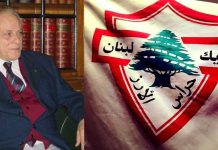
Kamel al-Asaad: A Man Who Upheld the Constitution
Ali Khalil Tarhini/Janoubia/July 27, 2026 (Google translation from Arabic)
كامل الأسعد: رجل صيانة الدستور
علي خليل ترحيني/جنوبية/27 تموز/2026
بين خشوع التاريخ وصمت المدى، يقف المرء أمام السير الكبرى موقف المعتبر الذي يستشف من خلال حركة الحوادث سر النزوع الإنساني نحو إثبات الذات في معترك الحياة. وفي تاريخ لبنان الحديث، تبرز شخصيات لم تكن مجرد أرقام في السجلات السياسية، بل كانت معالم شاخصة في مرحلة التحول الدستوري والاجتماعي. ومن هذه الشخصيات يتجلى كامل بك الأسعد، الرجل الذي تحدر من بيت سياسي عريق في جنوب لبنان، ووجد نفسه في قلب معترك الدولة، يقود وينتظم تحت سقف القانون، ويواجه تقلبات الزمن والأفكار بصلابة التزم فيها رؤيته لسيادة الوطن ومؤسساته.
تاريخ زعامة عريقة
لم ينشأ كامل الأسعد في فراغ، بل ولد في بيت تعاقبت عليه زعامة جبل عامل لمئات السنين، ممتداً من آل علي الصغير الذين حفروا حضورهم في التاريخ الإقليمي بالحديد والنار والجاه. كانت الطيبة، تلك القرية الجنوبية القابعة عند حافة الحدود والذاكرة، مسرح نشأته الأولى ومستقر عائلته التي نالت ألقاب الريادة منذ العهد العثماني. كان والده أحمد الأسعد وزيراً ورئيساً لمجلس النواب، وكان جده عبد اللطيف الأسعد خائضاً في الميادين النيابية والمواقف الرافضة للانتداب الفرنسي.
هذا الإرث الثقيل لم يكن مجرد وجاهة اجتماعية، بل كان التزاماً وتكليفاً يفرض على الخلف أن يسير على خطى السلف، أو أن يعيد تعريف الزعامة بما يتناسب مع روح العصر. تلقى الفتى علومه الأولى في مدرسة الحكمة ببيروت، ثم يمّم وجهه شطر باريس ليغرف من ينابيع حقوقها وعلومها السياسية في جامعة السوربون، فنال إجازته عام 1952، ممتلكاً العدة الفكرية والقانونية التي سيتسلح بها لاحقاً في أروقة البرلمان اللبناني.
دخل كامل الأسعد الندوة النيابية لأول مرة عام 1953 وهو في مقتبل الشباب، لتبدأ رحلة طويلة في العمل النيابي والوزاري امتدت لعقود. توالت إعادة انتخابه في الدورات المتتابعة، وتولى مسؤوليات وزارية شملت التربية الوطنية والفنون الجميلة، والصحة العامة، والموارد المائية والكهربائية. غير أن الميدان الأبرز الذي تجلت فيه شخصيته كرجل دولة هو رئاسة مجلس النواب، المنصب الذي تبوأه ثلاث مرات مختلفة، ليصل مجموع سنوات رئاسته إلى ما يقارب الخمسة عشر عاماً.
في مقعد الرئاسة، كان الأسعد يمثل مدرسة قانونية صارمة تعتقد أن الدستور ليس مجرد نصوص جامدة، بل هو العقد الاجتماعي الذي يحمي الكيان من التفتت. كان يتصرف بصفته حارساً للآلية الدستورية، لا يساوم على انتظام العمل النيابي حتى في أعتى ظروف الانقسام والاضطراب. ومن هذا المنطلق، ساهم في تشكيل تكتل الوسط النيابي إلى جانب قامات سياسية كبرى، ولعب دوراً حاسماً في محطات الاستحقاق الرئاسي، مؤمناً بأن بقاء الدولة مرهون بسلامة مؤسساتها البرلمانية وإصرارها على ممارسة دورها الدستوري مهما بلغت التحديات الأمنية والسياسية.
لم ينشأ كامل الأسعد في فراغ، بل ولد في بيت تعاقبت عليه زعامة جبل عامل لمئات السنين، ممتداً من آل علي الصغير الذين حفروا حضورهم في التاريخ الإقليمي بالحديد والنار والجاه. تستدعي القراءة المتجردة لسيرة هذا الرجل التوقف عند محطات الخلاف والوفاق التي رسمت مساره السيادي. لقد عرف عن الأسعد تمسكه الشديد بستار الشرعية، وكان يرى أن أي خروج عن المؤسسات الدستورية هو بداية الانزلاق نحو الفوضى. ولهذا السبب، خاض مواجهاته السياسية بأدوات القانون والبرلمان، ورفض الخضوع لضغوط الإملاءات الخارجية أو المساومة على سيادة القرار الوطني.
غير أن هذه الصلابة الأصولية في ممارسة السلطة، والالتزام الحرفي بالنصوص، جعلت الخصوم يرون فيه ممثلاً لنظام تقليدي يرفض التكيف مع المتغيرات الاجتماعية والسياسية المتسارعة التي عصفت بلبنان قبل الحرب الأهلية وأثناءها. أخذ عليه في بعض المحطات اتخاذه قرارات ومواقف حادة في المحطات الفاصلة، وربطه المصير السياسي بمسارات أثارت جدلاً واسعاً في الشارع اللبناني وفي الأوساط الإقليمية. ومع ذلك، كان المنطلق لديه دائماً هو الاعتقاد الجازم بأن المصلحة العليا للبنان تكمن في المراهنة على الشرعية والشرعية وحدها، بعيداً عن الترضيات المؤقتة أو ارتهان القرار لصالح المجموعات المسلحة.
رحل كامل الأسعد عن هذه الدنيا وهو لا يملك من حطام المال إلا القليل، بعد أن تراجع نفوذه وتلاشت ممتلكاته في سبيل حماية خياراته وقراراته السياسية المستقلة.
اسطورة “الاقطاع”!
من أكثر العناوين التي أُلصقت بكامل الأسعد ولصقت ببيته السياسي عنوان “الإقطاع”. لقد هاجمه خصومه السياسيون وأصحاب التيارات الحديثة بصفته رمزاً للبيوتات المكتسبة والوراثة السياسية التي تستغل النفوذ لتحقيق المكاسب. غير أن الأيام، بحكمتها الهادئة، كشفت عن مفارقة عميقة تعكس جوهر هذا الرجل وتفند الشائعات السطحية. رحل كامل الأسعد عن هذه الدنيا وهو لا يملك من حطام المال إلا القليل، بعد أن تراجع نفوذه وتلاشت ممتلكاته في سبيل حماية خياراته وقراراته السياسية المستقلة. لقد مات الرجل وهو الذي عاش نزيهاً لم يستغل منصبه لجمع الثروات أو بناء الإمبراطوريات المالية. وفي المقابل، فإن كثيراً ممن رفعوا شعارات الدفاع عن الكادحين وخاضوا المعارك بوجهه باسم التغيير والعدالة، انتهى بهم المطاف إلى ممارسة سلوكيات نفوذ أعتى، وركموا ثروات هائلة، وأسسوا لإقطاعات جديدة تستتر خلف عناوين حديثة.
وهنا تظهر براءة الرجل النزيه؛ فقد كان “إقطاعياً” بالمفهوم الاجتماعي التاريخي الموروث، لكنه كان رجل دولة بنظافة اليد والأنفة والترفع عن المال العام، بينما أظهرت تجارب الخلف أن الشعارات البرّاقة قد تخفي تحتها رغبة في الاستحواذ والنفوذ المستجد.
مع انتهاء الحرب الأهلية وتبدّل الموازين السياسية، وجد كامل الأسعد نفسه خارج المعادلة التي أفرزتها التوازنات الجديدة. خاض الانتخابات النيابية في التسعينيات ومطلع الألفية، لكن الظروف والتغيرات الديموغرافية والسياسية لم تسعفه، فتراجع حضوره النيابي دون أن يتراجع عن مواقفه أو يغير قناعاته. اعتزل في صمته المرفوع، يعاني من اعتلال الصحة والآلام، حتى ووري الثرى في تموز من عام 2010. إن سيرة كامل بك الأسعد ليست مجرد حكاية زعيم جنوبي خسر مقعداً أو ربح جولة، بل هي فصل من فصول كتاب لبنان المليء بالعبر. إنها قراءة في كيفية تعامل رجل الدولة مع طوفان التغيير: هل يساوم ليستمر، أم يثبت على مبادئه وإن أدت به إلى عزلة الموقف؟ لقد اختار الأسعد التمسك بما رآه صواباً ودستورياً، ورحل خفيف المتاع، ثقيل الذكر، تاركاً للتاريخ أن يقضي بالعدل بين السادة الحقيقيين والمدعين.
Kamel al-Asaad: A Man Who Upheld the Constitution
Ali Khalil Tarhini/Janoubia/July 27, 2026 (Google translation from Arabic)
Between the reverence of history and the silence of time, one stands before great figures with the discerning eye of those who, through the unfolding of events, glean the secret of humanity’s inclination to assert itself in the arena of life. In the history of modern Lebanon, figures emerge who were not merely numbers in political records, but rather prominent landmarks in a period of constitutional and social transformation. Among these figures stands Kamel Bey al-Asaad, a man who descended from a distinguished political family in southern Lebanon and found himself at the heart of the state’s struggles, leading and operating within the framework of the law, confronting the vicissitudes of time and ideologies with a steadfastness rooted in his vision of national sovereignty and its institutions.
A History of Long-Standing Leadership
Kamel al-Asaad did not emerge from a vacuum, but was born into a family that had held the leadership of Jabal Amel for centuries, extending back to the Ali al-Saghir family, who carved their presence in regional history through force, power, and prestige. Taybeh, that southern village nestled on the edge of the border and a repository of memory, was the stage for his early upbringing and the home of his family, a family that had held prominent positions since the Ottoman era. His father, Ahmad al-Asaad, was a minister and Speaker of Parliament, and his grandfather, Abd al-Latif al-Asaad, was a prominent figure in parliamentary affairs and a staunch opponent of the French Mandate.
This weighty legacy was not merely a matter of social prestige, but a commitment and a responsibility that compelled the successor to follow in the footsteps of his predecessors or to redefine leadership in accordance with the spirit of the times. The young man received his early education at Al-Hikma School in Beirut, then turned his attention to Paris to immerse himself in its wellsprings of law and political science at the Sorbonne University, graduating in 1952, equipped with the intellectual and legal tools he would later wield in the halls of the Lebanese Parliament.
Kamel al-Asaad entered Parliament for the first time in 1953, in the prime of his youth, thus beginning a long journey in parliamentary and ministerial work that spanned decades. He was repeatedly re-elected in successive terms and held ministerial positions including Minister of National Education and Fine Arts, Minister of Public Health, and Minister of Water and Electricity. However, the most prominent arena in which his character as a statesman shone was his presidency of the House of Representatives, a position he held three different times, totaling nearly fifteen years.
In the speakership, Asaad represented a rigorous legal school of thought that believes the constitution is not merely a set of rigid texts, but rather the social contract that protects the nation from disintegration. He acted as a guardian of the constitutional process, refusing to compromise on the proper functioning of parliament even in the most dire circumstances of division and turmoil. From this perspective, he contributed to the formation of the centrist parliamentary bloc alongside prominent political figures and played a decisive role in presidential elections, firmly believing that the survival of the state depended on the integrity of its parliamentary institutions and their determination to fulfill their constitutional role, regardless of the security and political challenges.
Kamel al-Asaad did not emerge from a vacuum. He was born into a family that had held the leadership of Jabal Amel for centuries, a lineage tracing back to the Ali al-Saghir family, who carved their place in regional history through force, power, and prestige. A dispassionate reading of this man’s life necessitates examining the points of contention and accord that shaped his path to sovereignty. Al-Asaad was known for his unwavering adherence to the principles of legitimacy, believing that any deviation from constitutional institutions was the beginning of a slide into chaos. For this reason, he waged his political battles using the tools of law and parliament, refusing to succumb to external pressures or compromise on national sovereignty.
However, this fundamentalist rigidity in exercising power and his literal adherence to the letter of the law led his opponents to view him as a representative of a traditional system unwilling to adapt to the rapid social and political changes that swept through Lebanon before and during the civil war. He was criticized at times for taking drastic decisions and stances at critical junctures, linking his political destiny to paths that sparked widespread controversy in Lebanese society and regional circles. However, his guiding principle was always the firm belief that Lebanon’s best interests lay in upholding legitimacy and legitimacy alone, far removed from temporary compromises or surrendering decision-making to armed groups.
Kamel Asaad passed away with little to show for his wealth, his influence having waned and his possessions diminished in the pursuit of his independent political choices and decisions.
The Myth of “Feudalism”!
One of the most prevalent labels attached to Kamel Asaad and his political dynasty was that of “feudalism.” His political opponents and proponents of modern movements attacked him as a symbol of acquired power and political inheritance, exploiting influence for personal gain. Yet, time, in its quiet wisdom, revealed a profound paradox that reflects the essence of this man and refutes the superficial rumors. Kamel Asaad passed away with little to show for his wealth, his influence having waned and his possessions diminished in the pursuit of his independent political choices and decisions. He died a man who lived with integrity, never exploiting his position to amass wealth or build financial empires. Conversely, many of those who raised the banner of defending the working class and waged battles against him in the name of change and justice ended up practicing even more ruthless forms of influence, amassing enormous wealth and establishing new fiefdoms cloaked in modern guises.
Herein lies the innocence of the honest man; he was a “feudal lord” in the inherited social and historical sense, but he was a statesman of integrity, dignity, and aversion to public funds. Meanwhile, the experiences of his successors have shown that glittering slogans can conceal a desire for acquisition and newfound influence.
With the end of the civil war and the shift in the political balance, Kamel Asaad found himself outside the equation created by the new power dynamics. He ran for parliamentary elections in the 1990s and early 2000s, but circumstances and demographic and political changes did not favor him, and his parliamentary presence diminished without him abandoning his positions or changing his convictions. He withdrew into seclusion, suffering from ill health and pain, until he was laid to rest in July 2010. The life of Kamil Bey al-Asaad is not merely the story of a southern leader who lost a seat or won a battle; it is a chapter in the rich tapestry of Lebanese history. It is an exploration of how a statesman navigates the tide of change: does he compromise to survive, or does he stand firm on his principles, even if it leads to isolation? Al-Asaad chose to adhere to what he deemed right and constitutional, departing with little worldly possessions but a lasting legacy, leaving it to history to judge between true leaders and pretenders.