عون والفرص الضائعة…على عون وباقي قادة لبنان أن يفهموا بأن العصر الإيراني إلى نهاية وزمن السلام والإنفتاح هو القادم على الشرق الأوسط
الكولونيل شربل بركات/25 تموز/2026
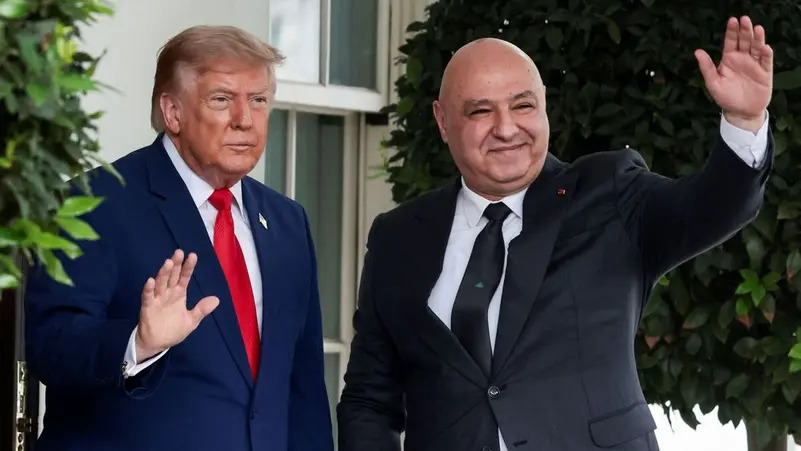
بدت زيارة الرئيس عون للبيت الأبيض ومقابلته الرئيس ترامب وكأنها عمل ناجح يستند إلى سياسة ثابتة تبنتها الحكومة اللبنانية بمواجهتها لحزب الله إن في تصنيفه كمنظمة خارجة عن القانون إو في تحميله مسؤولية الحرب الجارية، والتي أدت إلى كل الدمار والتهجير اللذين نشهدهما. وقد أعطت انطباعا بأن الرئيس عون يعرف ماذا يفعل وبأنه ثابت على قرار نزع السلاح وتنظيف لبنان من وسائل التخريب ومنع التعدي على الجيران وانهاء “مفهوم الساحة” الذي ألصق به منذ اتفاق القاهرة المشؤوم مرورا بالاحتلال السوري وصولا إلى الاحتلال الإيراني الذي لم يزرع فيه المقاتلين فحسب، إنما تفضى لأدلجة السكان ومنع الأحرار منهم بالاغتيال والترهيب. ومن ثم قام بزرع بيوتهم وبلداتهم بخنادق وتحصينات تسببت بتدميرها لأنها أصبحت وسائل قتالية تستعمل بتغطية شرعية هي “الموافقة المسبقة” للسكان عليها. فهم منعوا قوات الأمم المتحدة من مراقبة هذه الأعمال ومنع تنفيذها تحت غطاء مواجهة “الأهالي” والذي غطته ايضا عناصر الجيش اللبناني ومخابراته.
اعتقد العالم بأن ما قاله الرئيسين ترامب وعون حول موضوع نزع السلاح والتوصل إلى ورقة تفاهم تؤدي إلى الانسحاب الاسرائيلي، تستند على اعتبار حزب الله عدوا للبنان كما هو لاسرائيل، هي الخط الجديد الذي سيتبناه الرئيس عون علنا، ويفرضه على المؤسسات الشرعية في البلد بدءً من الحكومة، بتنظيفها من مخلفات الحزب وصولا إلى المجلس الذي سيتبنى سياسة واضحة تقوم على رفض كل ارتباط خارجي بإيران ومشاريعها، وانتهاءً بالجيش الذي يجب أن تتغير لهجته والأوامر الصادرة وتنظف قياداته من الضباط الغير موالين لقرارات الحكومة. ولكن على ما يبدو، وقبل أن يغادر الرئيس واشنطن، وخلال العشاء الذي أقيم له في السفارة اللبنانية، تنكّر لبعض ما صرّح به ووافق عليه داخل البيت الأبيض، وهي، إذا كانت نوعا من التقية خوفا من تهديدات الحزب وأعوانه، لا تبشّر بالخير. وإذا كانت نوعا من التذاكي للابقاء على شعرة معاوية مع الرئيس بري، الذي لم يعرف أن يستوعب أي مجموعة وازنة من البيئة الشيعية المنكوبة بالرغم من هذه النكبة، أو مع والحزب، فإن ذلك لا يعطيه القوة اللازمة لمواجهة الاسرائيلين الذين يدافعون عن شعبهم ومستقبلهم، ويعتقدون بأن اللبنانيين قد سئموا الحرب والدمار وهم يسعون إلى التخلّص من أسبابها، وبالتالي فهم يقبلون بوساطة الأميركيين للتوصل إلى تفاهمات تنهي الصراع وتعيد الاستقرار المنشود بين البلدين، على أن يتحمل كل منهما مسؤولية الحدود والأمن ويحترم الجيرة الحسنة عبرها.
لن نقول بأن الرئيس عون خسر الرهان كليا ولكنه أدخل نفسه في مأزق كبير لن يكون من السهل الخروج منه. فلا هو كسب ثقة الاسرائيليين ليتمكن من اقناعهم بجدية طرحه بأن الجيش سيكون قادرا على ضبط الأمن ومنع التعدي، ولا هو تمكن من استيعاب الحزب وفرض سلطته عليه بأن ما يسعى له سيتكلل بالنجاح، ولكنه اتكل على الترحاب الذي استقبله به الرئيس ترامب واعتقد بأن الولايات المتحدة ستنفذ كل طلباته وبأنها ستضغط على اسرائيل ككل مرة لتنسحب بدون أي ضمانات سوى الكلام والوعود المعهودة وهذه لا نعتقد بأنها ستنجح هذه المرة. فقد منع الاسرائيليون حزب الله وأسياده من القيام بانقلاب يوم قصفوا بيروت بغزارة وقضوا على المخطط وهم أنقذوه من الاغتيال أيضا يوم قصفوا الشقة في الحازمية التي كان من المخطط أن تلغم وتؤدي به إلى مصير يشبه مصير الرئيس الشيخ بشير وفي عدة مناسبات أخرى لم يلحظها العامة اعتقادا منهم بأنه يفهم الواقع ويعرف مصلحة البلد. فهل يكمل الرئيس ارسال اشارات جدية عن تفهمه لمصلحة لبنان أم أنه لا يزال يخاف الارهابيين ويسعى إلى مراضاتهم على حساب مصالح اللبنانيين.
الأيام القادمة ستوضح الوقائع ولو أن الحرب الجارية ضد إيران يجب أن تفهمه وبقية الزعماء بأن العصر الإيراني إلى نهاية وأن عصر السلام والانفتاح والتطبيع هو القادم على الشرق الأوسط…
Aoun and the Missed Opportunities… Aoun and the rest of Lebanon’s leaders must understand that the Iranian era is coming to an end, and an era of peace and openness is arriving in the Middle East.
Colonel Charbel Barakat/July 25/2026
President Aoun’s visit to the White House and his meeting with President Trump initially appeared to be a successful endeavor, grounded in a firm policy adopted by the Lebanese government in confronting Hezbollah—both in designating the group as an outlaw organization and in holding it responsible for the ongoing war, which has led to all the destruction and displacement we are witnessing.
The visit created the impression that President Aoun knows what he is doing and remains steadfast in his decision to disarm the country, cleanse Lebanon of means of sabotage, prevent aggression against neighbors, and end the “arena concept” that has been attached to it ever since the ominous Cairo Agreement, through the Syrian occupation, and down to the Iranian occupation.
The latter not only planted fighters in the country but also proceeded to indoctrinate the population, prevent free voices through assassination and intimidation, and pepper their homes and villages with trenches and fortifications. These structures ultimately caused their own destruction because they were repurposed as combat assets protected by the legal cover of “prior consent” from the local population. They barred United Nations forces from monitoring these activities or halting their execution under the guise of confronting “local residents”—a cover also sustained by elements of the Lebanese Army and military intelligence.
The world believed that what Presidents Trump and Aoun stated regarding disarmament, reaching an understanding that leads to an Israeli withdrawal, and treating Hezbollah as an enemy of Lebanon just as it is an enemy of Israel, would be the new line publicly adopted by President Aoun. It was thought he would impose it on the country’s legitimate institutions: starting with the government, by purging it of the party’s remnants; moving to Parliament, which would adopt a clear policy rejecting any foreign ties to Iran and its projects; and concluding with the military, whose rhetoric and orders must change, and whose leadership must be cleansed of officers disloyal to government decisions. However, it seems that even before leaving Washington, and during a dinner held in his honor at the Lebanese Embassy, he disavowed some of what he had stated and agreed to inside the White House.
If this was a form of taqiyya (dissimulation) out of fear of threats from the party and its cronies, it bodes ill. And if it was a clever maneuver to maintain ties with Speaker Berri—who has failed to embrace any meaningful group from the devastated Shiite community despite this catastrophe—or with the party itself, it fails to grant him the strength necessary to confront the Israelis. The Israelis are defending their people and their future, believing that the Lebanese have grown weary of war and destruction, and are seeking to eliminate the root causes of both. Consequently, they are open to American mediation to reach understandings that end the conflict and restore the desired stability between the two countries, provided that each side bears responsibility for its borders and security, and respects good neighborliness across them.
We will not say that President Aoun has entirely lost his gamble, but he has plunged himself into a major dilemma that will not be easy to escape. He has neither won the trust of the Israelis to convince them of the seriousness of his claim that the army will be capable of maintaining security and preventing aggression, nor has he managed to rein in the party and assert his authority to ensure success.
Instead, he relied on the warm welcome extended to him by President Trump, believing that the United States would fulfill all his demands and pressure Israel—as it has every time in the past—to withdraw with no guarantees other than talk and familiar promises. We do not believe this will succeed this time. The Israelis prevented Hezbollah and its masters from carrying out a coup the day they heavily bombed Beirut and thwarted the plot; they also saved him from assassination the day they struck the apartment in Hazmieh that was slated to be rigged with explosives to seal his fate much like that of President-elect Bashir Gemayel, alongside several other occasions unnoticed by the general public under the assumption that he grasps reality and knows the country’s best interests. Will the President continue to send serious signals that he understands Lebanon’s interests, or does he still fear terrorists and seek to appease them at the expense of the Lebanese people’s interests?
The coming days will clarify the facts, even though the ongoing war against Iran should make him and the rest of the leaders understand that the Iranian era is coming to an end, and that the era of peace, openness, and normalization is coming to the Middle East.
السيرة الذاتية للكولونيل شربل بركات
خبير عسكري، كاتب، شاعر، مؤرخ، ومعلق سياسي
*ضابط متقاعد من الجيش اللبناني
*متخرج من المدرسة الحربية ومجاز بالعلوم السياسية والادارية من الجامعة اللبنانية
*كلف كأحد الضباط لتنظيم الدفاع عن القرى الحدودية منذ 1976
*تسلم قيادة تجمعات الجنوب
*تسلم قيادة القطاع الغربي في جيش لبنان الحر وأصبح مساعدا للرائد سعد حداد ثم تسلم قيادة الجيش بالوكالة عندما مرض الرائد حداد واستمر بعد وفاته حتى مجيء اللواء أنطوان لحد فأصبح مساعده ثم قائدا للواء الغربي في جيش لبنان الجنوبي
*ترك العمل العسكري في 1988 وتسلم العلاقات الخارجية
*شهد أمام لجنة العلاقات الخارجية في مجلس الشيوخ الأميركي مرتين
*كاتب سياسي وباحث في التاريخ له الكثير من الكتب والمقالات السياسية التاريخية والانسانية
نشر كتابه الأول “مداميك” (1999) الذي يحكي عن المنطقة الحدودية ومعاناة أهلها، ترجم إلى العبرية ونشرته معاريف (2001) والانكليزية (2012) Madameek – Courses – A struggle for Peace in a zone of war موجود على Amazon Books
*نشر كتابه الثاني “الجنوب جرحنا وشفانا” الذي يشرح الأحداث التي جرت في المنطقة بين 1976 – 1986
*الكتاب الثالث “Our Heritage” كتاب بالانكليزية يلخص التراث اللبناني مع رسومات لزيادة الاستيعاب موجه للشباب المغترب
*كتابه السياسي الثالث “لبنان الذي نهوى” (2022) جاهز للطبع
*كتاب مجزرة عين إبل 1920 وهو بحث تاريخي عن المجزرة التي ساهمت في نشوء وتثبيت لبنان الكبير
*كتاب “المقالات السياسية 2005 – 2013” مئة ومقالة منشور على صفحته
*كتاب “الشرق الأوسط في المخاض العسير” مجموعة مقالات سياسية (2013 – 2025)
*كتاب “العودة إلى عين إبل” بحث تاريخي بشكل قصصي عن تاريخ المنطقة بين 1600 – 1900
*كتاب شعر عن المعاناة خلال الحرب الكبرى 1914 – 1918 من خلال قصيدة زجلية نقدية جاهز للطبع
*كتاب “تاريخ فناء صور الخلفي” بحث تاريخي عن المنطقة الجنوبية – قيد الانجاز
*كتاب المقالات الانسانية وكتاب عينبليات قيد الانجاز