President Aoun’s visit to the US and expectations
Colonel Charbel Barakat/July 20/2026
زيارة الرئيس عون إلى أميركا والمتوقع منها… مطلوب منه أن يبهرنا بمواقف إيجابية باتجاه الحلول الدائمة، لا أن يخذلنا بمواقف تخلو من الرؤية وتستند إلى المسايرة القاتلة
الكولونيل شربل بركات/20 تموز/2026
يقوم الرئيس عون بزيارة إلى الولايات المتحدة بدعوة من الرئيس ترامب، يعتقد الكثيرون بأنها سوف تسهم في حل بعض مشاكل لبنان، ولكن كما يقال عندنا فإن “المكتوب يُقرأ من عنوانه”. وفي عناوين هذا المكتوب ما يدل على مستوى الزيارة؛ فهي ليست بزيارة رئيس جمهورية ورأس السلطة التنفيذية في بلد يعاني من كثرة التدخلات ويسعى لتقليص تأثيراتها على مستقبله. إن أكثر ما يعاني منه لبنان هو حرب ضروس فرضها عليه النظام الإيراني بواسطة الحرس الثوري، الذي يرعى مجموعة من السكان الموالين للولي الفقيه، ولا علاقة لهم بما يهم لبنان أو مواطنيه ومناطق سكنهم، وتأثير الحروب عليهم وعلى مستقبل أبنائهم.
أما الهم الثاني الذي ينتج عن الأول، فهو وجود ممثلين عن الشعب انتُخِبوا في ظل تأثير تلك الحالة الشاذة، ولا يزالون يعطلون الحياة الديمقراطية في البلد ويقبضون على رأس السلطة التشريعية فيه، ليمنعوا أي تقدم باتجاه الحلول والتخلص من سيطرة الحرس الثوري على البلد ودفعه نحو المواجهة مع الجيران. ولا يبدو فريق عمل الرئيس، الممثل بالحكومة، متجانساً كونه يضم ممثلين عن الحزب الإيراني ومتأثرين به، بالإضافة إلى فريق من اليساريين الذين يحلمون ربما بزمن عرفات وربعه، ولا يريدون تخليص لبنان من تأثير ما يسمونه “القضية الفلسطينية” التي حمّلته أعباء كبيرة وحروباً على أرضه أجهضت كل محاولة للتقدم، وجعلت منه ساحة لصراعات المنطقة يتحمل شعبه بمختلف فئاته وسائل التقاتل ومشاريع الصراعات فيها.
ولكن العنوان الأبرز يكمن في الطاقم الذي يرافق الرئيس، مما يجعله يبدو وحيداً في الساحة وغير مدعوم من أية قوة فاعلة على الأرض مستعدة للوقوف بجانبه والدفاع عن رؤيته؛ فهو لم يأتِ إلى الولايات المتحدة مصحوباً بوزير الخارجية -مثلاً- الذي يُفترض به حمل ملفات العلاقات الدولية، ولا بوزير الدفاع الذي يُفترض أنه يحمل مشاريع الحلول العسكرية. كما لا يبدو الرئيس مهتماً بدراسة أي مشروع حل كونه لم يصطحب سوى أحد مستشاريه، الذي كان ممنوعاً من دخول الولايات المتحدة سابقاً لمواقفه الإعلامية المساندة لخط ما يسمى “الممانعة” (أي خط الحرس الثوري ومشتقاته)، وهم أعداء الولايات المتحدة حالياً ويقومون بمنع الحلول المنطقية في المنطقة، بالإضافة إلى أحد الضباط السابقين الذي تدور حوله الكثير من الشائعات في مجالات لا تدعو إلى الثقة أو الاحترام. إذاً، ماذا يريد الرئيس تحقيقه من هذه الزيارة التي ينتظر اللبنانيون منها الكثير؟
إن الرئيس الذي طلب زيارة الولايات المتحدة، كونها الداعم للبنان في الظروف التي يمر فيها البلد، لم يقرر بعد الإمساك بزمام الأمور والتخلص من تأثير حزب إيران على البلد المدمر بسببه، ولا هو أعلن عن حل المليشيات المسلحة وملاحقة عناصرها وتفكيك أجهزتها لكي يقنع الرئيس ترامب بالضغط على إسرائيل لوقف حربها على هذه الفئة التي أسرت البلد، ودمرت القرى والمدن، وتسببت بتهجير المواطنين من أجل دعم مواقف الحرس الثوري والنظام القائم في طهران، وهو عدو الولايات المتحدة. فعلى الأقل، يجدر بمن يطلب مساعدة أميركا أن يعتبر نفسه من ضمن حلفائها ويمنع أعداءها من استعمال أراضيه لقتالها. ولكن الرئيس وحكومته لم يصلوا بعد إلى هذا المستوى. ونحن هنا لا نقول بأن عليه مصافحة الرئيس نتنياهو وإعلان رغبته بالسلام عبر الحدود، ولكن على الأقل إعلان أن حزب إيران هو حزب ممنوع سياسياً وعسكرياً، وكما يُلاحَق حتى اليوم كل من يُتَّهم بالاتصال بإسرائيل، يجب أن تبدأ ملاحقة كل من يدّعي أنه ينتسب إلى هذا الحزب وداعميه وآمريه من جماعة الحرس الثوري. فماذا ينتظر الرئيس عون من لقائه بالرئيس ترامب؟ وماذا ينتظر اللبنانيون من هذا اللقاء؟
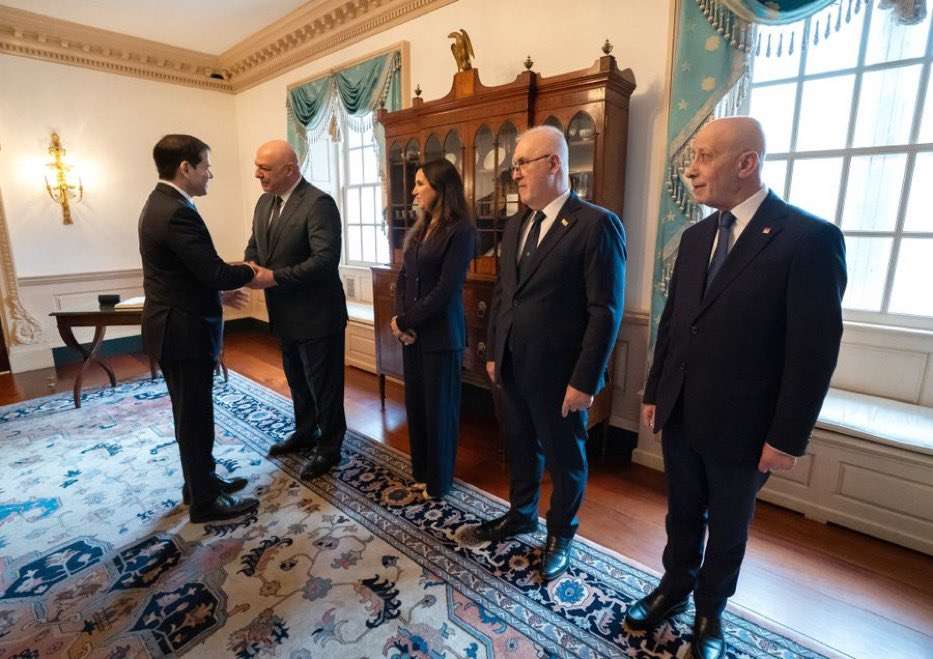
بالرغم من محبة الرئيس ترامب للبنان كبلد وللشعب اللبناني كشعب أثبت مساهمته في الحضارة العالمية من خلال تاريخه الطويل وانتشاره بين الأمم، إلا أنه لن يكون قادراً على أن يقرر نيابة عن المسؤولين فيه. ونحن نرى، ومن خلال الكلام الصادر عن وزير الخارجية السيد روبيو بعد لقائه الرئيس عون، بأن الولايات المتحدة تسعى إلى أن يتبنى لبنان إنهاء موضوع سلاح الحزب، وتفكيك أجهزته، والعمل باتجاه السلام مع إسرائيل. وهذه نقاط أساسية على الرئيس عون أن يفهمها جيداً قبل مقابلة الرئيس ترامب، وعلى اللبنانيين أن ينتظروا قرارات تتعلق بهكذا مسار إن هم أرادوا التخلص من الحرب، لا التذاكي مجدداً واللعب على الكلام والمطالبة بالانسحابات قبل الانتهاء من موضوع حل الحزب وجمع أسلحته ومحاكمة قيادته.
فإذا كان الرئيس عون قادراً على استيعاب هكذا حلول، يجدر به أن يستعد لسماع اقتراحات بالمعنى نفسه، وإذا كان يعتقد بأنه يريد من الرئيس ترامب أن يتفهم موقفه وخوفه مما يسميه “الحرب الأهلية”، فإنه لا يزال بعيداً عن الحلول. وهو وبقية اللبنانيين يجب أن يفهموا بأن هذا الحزب -الذي يعاند بالرغم من سقوط نظام الملالي في دوامة عنف ستقضي عليه- لا يزال يرتبط بتنفيذ قرارات طهران ويحلم باتباع تعليماتها ومساندتها على حساب اللبنانيين. هذا الحزب هو سبب أي مشكلة في لبنان، وهو من يجب محاصرته ومحاكمته وإنهاء سيطرته على الطائفة، كما يجدر بكل لبناني -من الرئيس بري حتى آخر عنصر من أهالي الجنوب والبقاع- أن يقفوا ضده ويحاربوه داخل مجتمعاتهم أولاً، ومن ثم مساندة الدولة لكي تنهي سيطرته وهيمنته وتأثيره على عقول اللبنانيين، لا مسايرته وتركه يستمر بنفث سمومه بين الناس ومحاولة التهديد بالخراب والهدم، ليس فقط في المباني بل وأيضاً في المجتمع الذي تُرِك يتسلل بين مكوناته ويفسد تماسكه.
لبنان قادم على الحلول، وزيارة الرئيس عون يجب أن تكون إيجابية ونافعة في وضع أسس المستقبل، وخاصة العلاقة مع الولايات المتحدة، ولكن يجدر بنا الحذر والاستعداد لاتخاذ المواقف الجريئة التي تمكّن اللبنانيين من بناء مستقبل مستقر، لا أن يبقى البلد ساحة للصراع ومجالاً لتنافس القوى المختلفة في الشرق الأوسط.
إن الرئيس عون يجب أن يبهرنا بمواقف إيجابية باتجاه الحلول الدائمة، لا أن يخذلنا بمواقف تخلو من الرؤية وتستند إلى المسايرة القاتلة…
President Aoun’s visit to the US and expectations
Colonel Charbel Barakat/July 20/2026
President Aoun is conducting a visit to the United States at the invitation of President Trump. Many believe this visit will contribute to solving some of Lebanon’s problems; however, as the popular saying goes, “the letter is read from its address” (the writing is on the wall). Within the details of this address lie indicators regarding the actual level of this visit. It does not resemble the visit of a president and the head of the executive branch in a country suffering from rampant foreign interference—a country seeking to diminish those impacts on its future. Lebanon’s greatest suffering stems from a fierce war imposed upon it by the Iranian regime through the Revolutionary Guard. This guard sponsors a segment of the population loyal to the Wali al-Faqih (the Supreme Leader), who have no connection to what truly matters to Lebanon, its citizens, their residential areas, or the impact of wars on them and the future of their children.
The second concern, which stems from the first, is the presence of representatives of the people who were elected under the influence of that abnormal situation. They continue to paralyze democratic life in the country and hold a tight grip on the head of the legislative branch, preventing any progress toward solutions, eliminating the Revolutionary Guard’s control over the country, and stopping it from being pushed into confrontations with its neighbors. Furthermore, the President’s working team, represented by the government, does not appear cohesive. It includes representatives of the Iranian party and those influenced by it, alongside a faction of leftists who perhaps still dream of the days of Arafat and his entourage. They refuse to rid Lebanon of the influence of what they call the “Palestinian cause,” which has burdened the country with heavy tolls and wars on its soil, aborting every attempt at progress and turning it into an arena for regional conflicts where its people bear the brunt of various forms of infighting and proxy projects.
However, the most prominent indicator lies in the delegation accompanying the President, making him appear isolated on the stage, unsupported by any effective force on the ground willing to stand by him and defend his vision. For instance, he did not come to the United States accompanied by the Minister of Foreign Affairs, who is supposed to handle international relations portfolios, nor by the Minister of Defense, who is supposed to carry military solution projects. The President does not even seem interested in studying any solution framework, given that he brought along only one of his advisors—who was previously banned from entering the United States due to his media stances supporting the so-called “Resistance” axis (the line of the Revolutionary Guard and its derivatives), who are currently enemies of the United States and blockers of logical solutions in the region—along with a former officer around whom many rumors circulate in areas that do not inspire trust or respect. So, what does the President want to achieve from this visit, from which the Lebanese people expect so much?
The President, who requested to visit the United States because it is a supporter of Lebanon during these difficult circumstances, has not yet decided to take the reins of initiative and rid the country of the influence of the Iranian party, which has caused its destruction. Nor has he announced the dissolution of armed militias, the prosecution of their members, or the dismantling of their apparatuses to convince President Trump to pressure Israel to halt its war on this faction—a faction that has held the country captive, destroyed villages and cities, and displaced citizens to support the positions of the Revolutionary Guard and the ruling regime in
Tehran, an enemy of the United States. At the very least, anyone seeking America’s help should consider themselves among its allies and prevent its enemies from using their territory to fight it. But the President and his government have not yet reached this level. We are not saying he must shake hands with Prime Minister Netanyahu and declare a desire for peace across the border, but at the very least, he should declare that the Iranian party is politically and militarily banned. Just as anyone accused of contacting Israel is prosecuted to this day, the prosecution should begin for anyone claiming affiliation with this party, its backers, and its commanders from the Revolutionary Guard circle. So, what does President Aoun expect from his meeting with President Trump? And what do the Lebanese expect from this meeting?
Despite President Trump’s affection for Lebanon as a country and for the Lebanese as a people who have proven their contribution to global civilization through their long history and diaspora among nations, he will not be able to make decisions on behalf of its officials. We can see, through the statements issued by Secretary of State Mr. Rubio after his meeting with President Aoun, that the United States is seeking to have Lebanon adopt the termination of the party’s weapons, the dismantling of its apparatuses, and work toward peace with Israel. These are fundamental points that President Aoun must understand well before meeting President Trump. The Lebanese must expect decisions related to such a path if they truly want to rid themselves of war, rather than trying to be clever again, playing with words, and demanding withdrawals before finalizing the dissolution of the party, the collection of its weapons, and the prosecution of its leadership.
If President Aoun is capable of absorbing such solutions, he should be prepared to hear proposals to that exact effect. If he believes he can get President Trump to sympathize with his position and his fear of what he calls “civil war,” then he remains far from actual solutions. He and the rest of the Lebanese must understand that this party—which remains stubborn despite the regular regime in Tehran falling into a vortex of violence that will eliminate it—is still linked to implementing Tehran’s decisions, dreaming of following its instructions and supporting it at the expense of the Lebanese people. This party is the root of every problem in Lebanon; it is the entity that must be besieged, prosecuted, and stripped of its control over the community. Every Lebanese citizen—from President Berri down to the last individual among the people of the South and the Bekaa—ought to stand against it and fight it within their own communities first, and subsequently support the state in ending its dominance, hegemony, and influence over Lebanese minds. They must not placate it or leave it to continue spewing its venom among the people and threatening ruin and demolition—not just of buildings, but within a society it was allowed to infiltrate, corrupting its cohesion.
Lebanon is heading toward solutions, and President Aoun’s visit must be positive and useful in laying the foundations for the future, especially regarding relations with the United States. However, we must remain cautious and prepared to take the bold stances that enable the Lebanese to build a stable future, rather than allowing the country to remain an arena for conflict and a field for the competition of various powers in the Middle East.
President Aoun should impress the Lebanese oppressed people with positive stances towards lasting solutions, not disappoint them with positions devoid of vision and based on deadly appeasements…
السيرة الذاتية للكولونيل شربل بركات
خبير عسكري، كاتب، شاعر، مؤرخ، ومعلق سياسي
*ضابط متقاعد من الجيش اللبناني
*متخرج من المدرسة الحربية ومجاز بالعلوم السياسية والادارية من الجامعة اللبنانية
*كلف كأحد الضباط لتنظيم الدفاع عن القرى الحدودية منذ 1976
*تسلم قيادة تجمعات الجنوب
*تسلم قيادة القطاع الغربي في جيش لبنان الحر وأصبح مساعدا للرائد سعد حداد ثم تسلم قيادة الجيش بالوكالة عندما مرض الرائد حداد واستمر بعد وفاته حتى مجيء اللواء أنطوان لحد فأصبح مساعده ثم قائدا للواء الغربي في جيش لبنان الجنوبي
*ترك العمل العسكري في 1988 وتسلم العلاقات الخارجية
*شهد أمام لجنة العلاقات الخارجية في مجلس الشيوخ الأميركي مرتين
*كاتب سياسي وباحث في التاريخ له الكثير من الكتب والمقالات السياسية التاريخية والانسانية
نشر كتابه الأول “مداميك” (1999) الذي يحكي عن المنطقة الحدودية ومعاناة أهلها، ترجم إلى العبرية ونشرته معاريف (2001) والانكليزية (2012) Madameek – Courses – A struggle for Peace in a zone of war موجود على Amazon Books
*نشر كتابه الثاني “الجنوب جرحنا وشفانا” الذي يشرح الأحداث التي جرت في المنطقة بين 1976 – 1986
*الكتاب الثالث “Our Heritage” كتاب بالانكليزية يلخص التراث اللبناني مع رسومات لزيادة الاستيعاب موجه للشباب المغترب
*كتابه السياسي الثالث “لبنان الذي نهوى” (2022) جاهز للطبع
*كتاب مجزرة عين إبل 1920 وهو بحث تاريخي عن المجزرة التي ساهمت في نشوء وتثبيت لبنان الكبير
*كتاب “المقالات السياسية 2005 – 2013” مئة ومقالة منشور على صفحته
*كتاب “الشرق الأوسط في المخاض العسير” مجموعة مقالات سياسية (2013 – 2025)
*كتاب “العودة إلى عين إبل” بحث تاريخي بشكل قصصي عن تاريخ المنطقة بين 1600 – 1900
*كتاب شعر عن المعاناة خلال الحرب الكبرى 1914 – 1918 من خلال قصيدة زجلية نقدية جاهز للطبع
*كتاب “تاريخ فناء صور الخلفي” بحث تاريخي عن المنطقة الجنوبية – قيد الانجاز
*كتاب المقالات الانسانية وكتاب عينبليات قيد الانجاز