إيران تخشى إسرائيل ولهذا يجب على واشنطن إشراكها بالكامل في كل تحرك
د. مجيد رافيزاده/معهد جايتستون /11 تموز 2026
(ترجمة من ةالإنكليزية)
Iran Fears the Israel Factor: Why Washington Must Fully Integrate Jerusalem in Every Move
Dr. Majid Rafizadeh/Gatestone Institute/July 11/ 2026
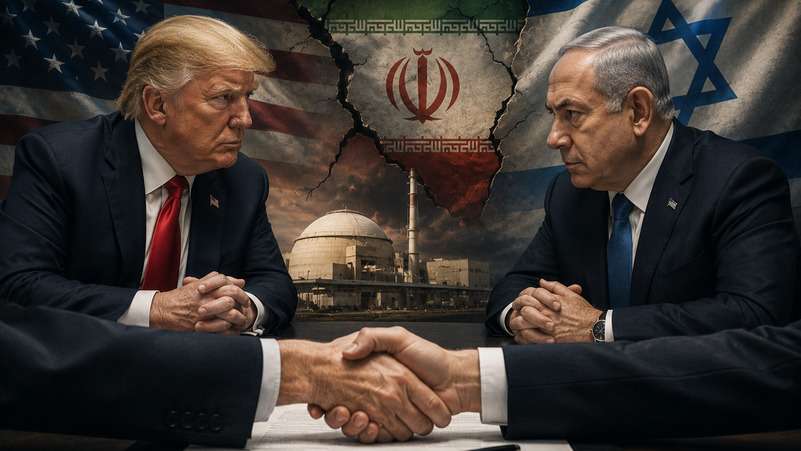
Israel is the party most directly affected by any development involving Iran — whether diplomatic negotiations, sanctions relief, or military action. Its security is daily on the line. Israel therefore must be included in every discussion, every operation, and every strategic decision concerning Iran.
The Islamic Republic of Iran, for all of its 47-year existence, has pursued the destruction of Israel and the United States as a core ideological goal, using proxies, terrorism, and the development of nuclear weapons to advance it. Israel, in turn, has proven its value as a partner through resilience and deep knowledge of the Iranian threat. It is the ally we can trust most in this theater — the one whose interests, capabilities and willingness converge perfectly with America’s.
The U.S. must maintain the closest possible coordination with Israel, including it fully in all talks, operations and strategies regarding Iran. When America and Israel stand together, they can deter aggression, protect shared values, and safeguard democracy, peace and stability more effectively than any alternative approach. Iran knows this — and that is precisely why it seeks to divide them. In the best interests of the United States, its alliance with Israel must remain unbreakable.
For decades, Israel has stood shoulder-to-shoulder with the United States against the Iranian regime, a hostile power that threatens regional stability, global security, and the very existence of democratic values in the world. Israel has proven its value as a partner through resilience and deep knowledge of the Iranian threat. It is the ally we can trust most in this theater — the one whose interests, capabilities and willingness converge perfectly with America’s.
For decades, Israel has stood shoulder-to-shoulder with the United States against the Iranian regime, a hostile power that threatens regional stability, global security, and the very existence of democratic values in the world. Whether facing direct threats or terrorist groups and proxy militias, Israel has demonstrated unwavering and steadfast resolve, and a willingness to act when others in the world hesitated.
This alliance has proven critical time and again; Israel has been with the U.S. in moments of need, from intelligence sharing to coordinated responses against Iranian aggression. This partnership is not one of convenience but of shared strategic interests and mutual defense against a common foe. The Iranian regime itself acknowledges this reality in its rhetoric. It labels the United States the “Great Satan” and Israel the “Little Satan,” viewing both as existential enemies to its revolutionary ideology. Israel is the only truly dependable Middle Eastern ally of the West and bastion of democratic values.
Iran’s hatred of both Israel and the United States only underscores why deepening the U.S.-Israel alliance is essential in any strategy to counter the “sick,” Islamic Revolutionary Guard Corps (IRGC) now ruling the country with a toxicity that should be as unacceptable to everyone as it is to its neighbors and its own brutalized citizens. The Iranian regime’s ambitions — for nuclear weapons, intercontinental ballistic missiles, control of international waterways, regional dominance through proxies, and the spread of its theocratic influence — directly target both the U.S. and Israel, as well as Europe and Iran’s Gulf neighbors. As a result, strengthening coordination between Washington and Jerusalem is a strategic imperative.
A recent assessment highlighted in reports from the Jerusalem Post and Israeli officials reveals that Iran has no interest in drawing Israel into broader regional conflicts. According to multiple Israeli sources, including those cited by the Jerusalem Post, Tehran is currently refraining from direct attacks on Israel precisely to avoid escalating involvement that could pull Israel fully into the fray. Israeli officials assess that Iran would only face strikes if Iran or its proxies directly attack it, or if Israel is requested by the U.S. to attack.
Why this caution from Tehran? Iran deeply fears the power of Israel. Israel’s intelligence capabilities inside Iran, Lebanon and Gaza have been dramatically demonstrated in recent operations. In June 2025, during the twelve-day war, Israel conducted precise strikes on Iranian nuclear facilities, military sites and leadership targets, while showcasing sophisticated infiltration and real-time intelligence. Similar effectiveness was evident in follow-on actions, including the first few hours of February 28, when, in sixty seconds, Israel successfully decapitated virtually the entire leadership of Iran’s regime. Mossad operations, combined with precision capabilities, exposed vulnerabilities deep within the Iranian regime.
Israel knows Iran intimately. For nearly five decades, Israel has lived on the front lines, watching Iranian leaders repeatedly vow to “wipe” it off the map. Iranian Supreme Leaders and IRGC commanders have made threats of elimination a cornerstone of their ideology. Through funding and arming proxies such as Hamas, Hezbollah, and the Houthis, Iran has pursued a strategy of encirclement and attrition. These groups serve as Tehran’s forward operating arms, launching attacks designed to bleed Israel while providing Iran plausible deniability.
The brutal massacre by Hamas on October 7, 2023 — enabled and emboldened by Iranian support — represented a horrific escalation. Though the attackers failed in their ultimate goals, the event highlighted the regime’s genocidal intent and the resilience required to counter it.
Israel has consistently demonstrated not only military superiority but also the intelligence and determination to disrupt these networks. From thwarting plots to striking high-value targets, Israel’s actions have repeatedly set back Iran’s timelines.
This proximity and lived experience give Israel unparalleled insight. No other nation in the region matches Israel’s understanding of Iranian tactics, decision-making, and weaknesses. Israel is the party most directly affected by any development involving Iran — whether diplomatic negotiations, sanctions relief, or military action. Its security is daily on the line. Israel therefore must be included in every discussion, every operation, and every strategic decision concerning Iran.
Excluding or sidelining Israel creates the risk of flawed policies that ignore ground realities and endanger shared interests. When the United States and Israel work in close coordination, their combined strength is formidable. Joint intelligence, technological edge, and operational synergy amplify effectiveness far beyond what either could achieve alone. Israel’s advice aligns inherently with U.S. interests: both nations face the same determined adversary. Most of all, the Islamic Republic of Iran fears this unity — the regime knows that a tightly aligned U.S.-Israel front severely constrains its options and raises the costs of aggression.
The Islamic Republic, for all of its 47-year existence, has pursued the destruction of Israel and the United States as a core ideological goal, using proxies, terrorism, and the development of nuclear weapons to advance it. Israel, in turn, has proven its value as a partner through resilience and deep knowledge of the Iranian threat. It is the ally we can trust most in this theater — the one whose interests, capabilities and willingness converge perfectly with America’s.
The U.S. must maintain the closest possible coordination with Israel, including it fully in all talks, operations and strategies regarding Iran. When America and Israel stand together, they can deter aggression, protect shared values, and safeguard democracy, peace and stability more effectively than any alternative approach. Iran knows this — and that is precisely why it seeks to divide them. In the best interests of the United States, its alliance with Israel must remain unbreakable.
https://www.gatestoneinstitute.org/22690/iran-fears-the-israel-factor
**Dr. Majid Rafizadeh is a political scientist, Harvard-educated analyst, and board member of Harvard International Review. He has authored several books on the US foreign policy. He can be reached at dr.rafizadeh@post.harvard.edu
**Follow Majid Rafizadeh on X (formerly Twitter)
© 2026 Gatestone Institute. All rights reserved. The articles printed here do not necessarily reflect the views of the Editors or of Gatestone Institute.
إيران تخشى إسرائيل ولهذا يجب على واشنطن إشراكها بالكامل في كل تحرك
د. مجيد رافيزاده/معهد جايتستون /11 تموز 2026
(ترجمة من ةالإنكليزية)
تعد إسرائيل الطرف الأكثر تضرراً بشكل مباشر من أي تطور يتعلق بإيران، سواء كان ذلك مفاوضات دبلوماسية، أو تخفيفاً للعقوبات، أو عملاً عسكرياً، فأمنها على المحك يومياً. وعليه، يجب إشراك إسرائيل في كل نقاش، وفي كل عملية، وفي كل قرار استراتيجي يتعلق بإيران.
على مدى 47 عاماً من وجودها، سعت الجمهورية الإسلامية الإيرانية لتدمير إسرائيل والولايات المتحدة كهدف أيديولوجي أساسي، مستخدمة الوكلاء والإرهاب وتطوير الأسلحة النووية لتحقيق ذلك. وفي المقابل، أثبتت إسرائيل قيمتها كشريك من خلال الصمود والمعرفة العميقة بالتهديد الإيراني. إنها الحليف الأكثر جدارة بالثقة في هذا المسرح، وهي الطرف الذي تتقارب مصالحه وقدراته واستعداده تماماً مع مصالح أمريكا.
يجب على الولايات المتحدة الحفاظ على أوثق تنسيق ممكن مع إسرائيل، وإشراكها بالكامل في جميع المحادثات والعمليات والاستراتيجيات المتعلقة بإيران. فعندما تقف أمريكا وإسرائيل معاً، يمكنهما ردع العدوان، وحماية القيم المشتركة، وصون الديمقراطية والسلام والاستقرار بشكل أكثر فعالية من أي نهج بديل. إيران تدرك ذلك، وهذا هو السبب الدقيق وراء سعيها لتقسيم الحليفتين. ومن أجل المصلحة الفضلى للولايات المتحدة، يجب أن يظل تحالفها مع إسرائيل غير قابل للكسر.
على مدى عقود، وقفت إسرائيل جنباً إلى جنب مع الولايات المتحدة ضد النظام الإيراني، وهو قوة معادية تهدد الاستقرار الإقليمي والأمن العالمي ووجود القيم الديمقراطية في العالم. لقد أثبتت إسرائيل قيمتها كشريك من خلال مرونتها وفهمها العميق للتهديد الإيراني. إنها الحليف الذي يمكننا الوثوق به أكثر من أي طرف آخر في هذا المسرح، حيث تتلاقى مصالحها وقدراتها وإرادتها تماماً مع تلك الخاصة بأمريكا.
سواء في مواجهة التهديدات المباشرة أو الجماعات الإرهابية والميليشيات الوكيلة، أظهرت إسرائيل عزيمة راسخة وثباتاً واستعداداً للتحرك عندما تردد الآخرون في العالم.
لقد أثبت هذا التحالف أهميته مراراً وتكراراً؛ فقد كانت إسرائيل إلى جانب الولايات المتحدة في لحظات الحاجة، بدءاً من تبادل المعلومات الاستخباراتية وصولاً إلى الردود المنسقة ضد العدوان الإيراني. هذه الشراكة ليست قائمة على المنفعة فحسب، بل على مصالح استراتيجية مشتركة ودفاع متبادل ضد عدو مشترك. النظام الإيراني نفسه يقر بهذه الحقيقة في خطابه؛ فهو يصف الولايات المتحدة بـ “الشيطان الأكبر” وإسرائيل بـ “الشيطان الأصغر”، معتبراً كلتيهما عدوتين وجوديتين لأيديولوجيته الثورية. وتظل إسرائيل الحليف الوحيد الذي يمكن الاعتماد عليه حقاً للغرب في الشرق الأوسط وحصناً للقيم الديمقراطية.
إن كراهية إيران لكل من إسرائيل والولايات المتحدة تؤكد فقط سبب أهمية تعميق التحالف الأمريكي الإسرائيلي في أي استراتيجية لمواجهة “الحرس الثوري الإسلامي” المريض، الذي يحكم البلاد الآن بسميّة يجب أن تكون غير مقبولة للجميع، كما هي غير مقبولة لجيرانه ولمواطنيه الذين يتعرضون للوحشية. إن طموحات النظام الإيراني – في الحصول على أسلحة نووية، وصواريخ باليستية عابرة للقارات، والسيطرة على الممرات المائية الدولية، والهيمنة الإقليمية من خلال الوكلاء، ونشر نفوذه الثيوقراطي – تستهدف كلاً من الولايات المتحدة وإسرائيل مباشرة، وكذلك أوروبا وجيران إيران في الخليج. ونتيجة لذلك، فإن تعزيز التنسيق بين واشنطن والقدس ضرورة استراتيجية.
كشف تقييم حديث ورد في تقارير “جيروزاليم بوست” ومسؤولين إسرائيليين أن إيران ليس لديها اهتمام بجر إسرائيل إلى صراعات إقليمية أوسع. ووفقاً لمصادر إسرائيلية متعددة، بما في ذلك تلك التي استشهدت بها “جيروزاليم بوست”، تمتنع طهران حالياً عن شن هجمات مباشرة على إسرائيل تحديداً لتجنب تصعيد قد يؤدي إلى جر إسرائيل بالكامل إلى المعركة. ويقدر المسؤولون الإسرائيليون أن إيران لن تواجه ضربات إلا إذا هاجمتها إيران أو وكلاؤها مباشرة، أو إذا طلبت الولايات المتحدة من إسرائيل الهجوم.
لماذا هذا الحذر من جانب طهران؟ إيران تخشى قوة إسرائيل بشكل كبير. لقد تجلت قدرات إسرائيل الاستخباراتية داخل إيران ولبنان وغزة بشكل كبير في العمليات الأخيرة. ففي يونيو 2025، وخلال حرب الاثني عشر يوماً، شنت إسرائيل ضربات دقيقة على المنشآت النووية الإيرانية والمواقع العسكرية وأهداف قيادية، بينما أظهرت قدرات متطورة في التسلل والاستخبارات اللحظية. كانت الفعالية المماثلة واضحة في الإجراءات اللاحقة، بما في ذلك الساعات الأولى من 28 فبراير، عندما نجحت إسرائيل في غضون ستين ثانية في قطع رأس القيادة الفعلية للنظام الإيراني تقريباً. لقد كشفت عمليات الموساد، إلى جانب القدرات الدقيقة، عن ثغرات عميقة داخل النظام الإيراني.
تعرف إسرائيل إيران معرفة وثيقة. فلعقود تقارب الخمسة، عاشت إسرائيل على الخطوط الأمامية، تراقب القادة الإيرانيين وهم يتعهدون مراراً بـ “محوها” من الخارطة. لقد جعل المرشدون الأعلى الإيرانيون وقادة الحرس الثوري تهديدات القضاء على إسرائيل حجر الزاوية في أيديولوجيتهم. ومن خلال تمويل وتسليح وكلاء مثل حماس وحزب الله والحوثيين، اتبعت إيران استراتيجية التطويق والاستنزاف. تعمل هذه المجموعات كأذرع عملياتية متقدمة لطهران، تشن هجمات مصممة لاستنزاف إسرائيل مع توفير “إنكار معقول” لإيران.
مثلت المجزرة الوحشية التي ارتكبتها حماس في 7 أكتوبر 2023 – والتي تم تمكينها وتشجيعها بالدعم الإيراني – تصعيداً مروعاً. ورغم فشل المهاجمين في تحقيق أهدافهم النهائية، سلط الحدث الضوء على النوايا الإبادية للنظام والمرونة المطلوبة لمواجهتها.
لقد أظهرت إسرائيل باستمرار ليس فقط تفوقاً عسكرياً، بل أيضاً الاستخبارات والتصميم على تعطيل هذه الشبكات. فمن إحباط المؤامرات إلى ضرب الأهداف عالية القيمة، أعاقت تصرفات إسرائيل مراراً وتكراراً الجداول الزمنية لإيران.
هذا القرب وهذه التجربة الحياتية تمنحان إسرائيل رؤية لا مثيل لها. لا توجد دولة أخرى في المنطقة تضاهي فهم إسرائيل للتكتيكات الإيرانية وعمليات صنع القرار ونقاط الضعف. إن إسرائيل هي الطرف الأكثر تضرراً بشكل مباشر من أي تطور يتعلق بإيران – سواء كان مفاوضات دبلوماسية، أو تخفيفاً للعقوبات، أو عملاً عسكرياً، فأمنها على المحك يومياً. لذا، يجب إشراك إسرائيل في كل نقاش، وفي كل عملية، وفي كل قرار استراتيجي يتعلق بإيران.
إن استبعاد إسرائيل أو تهميشها يخلق مخاطر سياسات معيبة تتجاهل الحقائق على الأرض وتعرض المصالح المشتركة للخطر. عندما تعمل الولايات المتحدة وإسرائيل بتنسيق وثيق، تكون قوتهما المشتركة هائلة. إن تبادل المعلومات الاستخباراتية، والتفوق التكنولوجي، والتآزر التشغيلي، يعزز الفعالية بما يتجاوز بكثير ما يمكن لأي منهما تحقيقه بمفرده. وتتماشى نصيحة إسرائيل بطبيعتها مع المصالح الأمريكية؛ فكلا البلدين يواجهان نفس الخصم المصمم. والأهم من ذلك، أن الجمهورية الإسلامية الإيرانية تخشى هذه الوحدة، فالنظام يعلم أن جبهة أمريكية-إسرائيلية متحدة بقوة تقيد خياراته بشكل كبير وترفع تكاليف العدوان.
على مدى 47 عاماً من وجودها، سعت الجمهورية الإسلامية لتدمير إسرائيل والولايات المتحدة كهدف أيديولوجي أساسي، مستخدمة الوكلاء والإرهاب وتطوير الأسلحة النووية لتحقيق ذلك. وفي المقابل، أثبتت إسرائيل قيمتها كشريك من خلال الصمود والمعرفة العميقة بالتهديد الإيراني. إنها الحليف الأكثر جدارة بالثقة في هذا المسرح، وهي الطرف الذي تتقارب مصالحه وقدراته وإرادته تماماً مع مصالح أمريكا.
يجب على الولايات المتحدة الحفاظ على أوثق تنسيق ممكن مع إسرائيل، وإشراكها بالكامل في جميع المحادثات والعمليات والاستراتيجيات المتعلقة بإيران. فعندما تقف أمريكا وإسرائيل معاً، يمكنهما ردع العدوان، وحماية القيم المشتركة، وصون الديمقراطية والسلام والاستقرار بشكل أكثر فعالية من أي نهج بديل. إيران تدرك ذلك، وهذا هو السبب الدقيق وراء سعيها لتقسيم الحليفتين. ومن أجل المصلحة الفضلى للولايات المتحدة، يجب أن يظل تحالفها مع إسرائيل غير قابل للكسر.
د. مجيد رافيزاده هو عالم سياسي، ومحلل حاصل على تعليمه من جامعة هارفارد، وعضو مجلس إدارة مراجعة هارفارد الدولية. ألف العديد من الكتب حول السياسة الخارجية الأمريكية. يمكن التواصل معه عبر البريد الإلكتروني: dr.rafizadeh@post.harvard.edu
تابعوا مجيد رافيزاده على منصة X (تويتر سابقاً).
© 2026 معهد جايتستون. جميع الحقوق محفوظة. المقالات المنشورة هنا لا تعكس بالضرورة وجهات نظر المحررين أو معهد جيتستون.