Hezbollah and Lebanon – The Strategic Situation
Colonel Charbel Barakat/April 25/2026
حزب الله ولبنان – الوضع الاستراتيجي
الكولونيل شربل بركات/25 نيسان/2026
يقول أغلب المحللين السياسيين بأن مشكلة حزب الله هي الصراع مع اسرائيل، وبالتالي فهو وترسانته المسلحة مرتبطان بمصير اسرائيل بشكل لا يقبل التراجع، ومن هنا فالقضية قضية وجود، أي أنه مضطر للدفاع عن بيئته التي تعيش بمحازاة الحدود اللبنانية الاسرائيلية، ولا يمكن انهاء الصراع وتسليم الاسلحة للدولة إلا باتفاق على أمن واستقرار السكان على الجانب اللبناني من الحدود. وهكذا فالبعض يتصرف من هذا المنطلق ليطالب بمحادثات بين حكومتي البلدين للتوصل إلى اتفاق سلام ينهي تلك الحرب ويؤدي إلى تسليم السلاح وطي صفحته.
ولكن من يعرف عقيدة حزب الله وأسياده الملالي لا يمكنه أن يوافق على هذا الطرح، ببساطة، لأن الحزب ينادي بضرورة قيام دولة يحكمها الولي الفقيه وتمتد من إيران لتشمل الشرق الأوسط برمته يكون لبنان جزء منها، وقد تحكم العالم فيما بعد (ومن هنا التخطيط للحصول على القدرات النووية). فلا وجود لدولة اسمها لبنان في معتقدات الحزب وما يدعو إليه، ولا وجود للشعب اللبناني وتاريخه وحضارته وتنوّع سكانه ومعتقداتهم. ولا ضرورة للصداقات الدولية والعلاقات مع المحيط، إلا ما يقره الولي الفقيه بعد سيطرته على الشرق الأوسط وقيام دولته التي تحضّر لمجئ صاحب الزمان الامام المغيب.
الحزب لا ينتمي إلى الشعب اللبناني بأي شكل ولكنه فرض نفسه على الطائفة الشيعية بناءً على معتقد بأن بعض السياد من جبل عامل ساهموا في نهاية القرن الخامس عشر بطلب من الشاه اسماعيل بنشر نظرية الشيعة الاثني عشرية في أيران وأذربيجان، ما أمّن له التميّز عن معتقد الأتراك السني والذين كانوا سيطروا على آسيا الصغرى مع السلطان سليم العثماني وأصبحوا بغياب الأمبراطورية البيزنطية القوة العظمى التي تهدد المشرق بكامله، وبالتالي فقد اضطهد هؤلاء الشيعة من الاتراك منذ زمن السلطان سليم واضطروا إلى الانعزال في لبنان، ولكنهم سينعمون بالبحبوحة والشعور بالانتماء في دولة الملالي التي ساهم بعض أئمتهم ببلورتها.
نظرية الحزب لم تكن لتنطلي على الشيعة المتحررين الذين واكبوا عصر العلم والانفتاح اللبناني، وانطلق بعضهم، كما بقية اللبنانيين، إلى دول الانتشار وعرفوا النظريات السياسية والقومية والاجتماعية وساهموا ببعض الحركات السياسية في المنطقة، وقد التزم بعضهم بالعروبة على الطريقة الناصرية، والبعض الآخر بالحزب الشيوعي العالمي التوجه، وآخرين بأحزاب محلية كالقوميين السوريين والبعث وغيرهم، وكانت الطبقة المنظورة منهم لا تزال، مثل الكثير من اللبنانيين، تفتش عن مسار لبناني يملأ طموحاتها.
والطائفة الشيعية لم تخسر أثناء رسم الحدود بين لبنان وفلسطين إلا أربعة قرى أعتبرت داخل خط القنن الذي شكل الحدود أيام الانتداب وبالتالي لم تتأثر بحرب 1948. ولكن التقلبات السياسية التي لحقت بتلك الحرب، والتأثير النفسي الذي رافق دخول اللاجئين إلى لبنان، وبالتالي الأنظمة التوسعية التي نشأت بالجوار، ساهمت بدفع الفقراء الشيعة نحو النظريات التحررية، فمالت أكثريتهم إلى اليسار، ما دفع الشاه رضى بهلوي لارسال السيد موسى الصدر إلى لبنان لاعادة توازن المجتمع الشيعي. ولكن عرفات وثورته كانوا أسرع من مشاريع السيد موسى الذي ساهم بتأمين الكثير من “حقوق” الطائفة بدون اللجوء إلى العنف أو ضغوط الشارع التي أعتدنا على رؤيتها، فالتحق بالرغم منه في مخططات عرفات وأنشأ حركة “أمل” للتخلص من ضغوط المليشيات المنافسة. ولكن، وبالرغم من كل محاولاته لتفادي العنف والمشاركة بالصدام، تم التخلص منه بتخطيط سوري ليبي وباشراف الملالي الذين كانوا يرسمون للسيطرة على الحكم في إيران ويخشون تأثيره على الشارع الشيعي.
أما حزب الله فهو مركب إيراني استعمل لبنانيين بالهوية وأدلجهم ليصبحوا عناصر تنفّذ أوامر الملالي وتسعى للأنتحار في سبيلهم، فهل تخشى أن يطير البلد الذي لا ضرورة له، أو بقية المواطنين الذين يشاركونهم فيه؟ من هنا فخلاص لبنان بالتوافق مع اسرائيل وضبط هؤلاء كمقدمة للسيطرة على أسلحتهم واعادة أدلجتهم ما أمكن، ووضع قادتهم الذين يبقون على قيد الحياة في مصحات أو سجون خاصة لمنعهم من التأثير على البيئة التي لم تعد تعرف التصرف بدون أوامر، ولا هي تفهم نتائج أعمالها، فقد أدت تحرشاتها اسرائيل إلى خسارة لبنان الأرض والبيوت وتهجير المواطنين وتدمير المنشآت، والدولة تدفع لهم معاشات ولقتلاهم تعويضات، بالرغم من كل الخسائر التي ألحقوها بالمؤسسات والمواطنين والبلد على السواء.
يبقى أن بعض الدول العربية إضافة إلى تركيا تحاول اليوم التدخل لمنع لبنان من التوجه نحو التفاوض على السلم مع اسرائيل والانتهاء من وضع الساحة المفتوحة ويقترحون اللجوء إلى التفاهم الداخلي أي الحوار والاتفاق مع حزب الله والوقوف على خاطره. ولهؤلاء نقول:
– أولا للوزير السعودي فرحان، ليتك تهتم بالتفاوض مع جماعة الشيعة السعوديين في منطقة “القطيف” والوقوف على خاطرهم ورغباتهم، وأنتم عانيتم من الاوامر الإيرانية التي أدت إلى قيام الدولة السعودية باعدام زعماء هؤلاء لمنع الفتنة. وأيضا فقد تحملتم الصواريخ والمسيّرات التي أمطركم بها سادة هؤلاء بدون سبب وتعرفون نتائجها أكثر منا. ولا نريد أن نعيد تجربة البحرين وترك جماعة إيران يعيثون فيها فسادا وتدميرا. أو نذكّر بما يقوم به أمير الكويت المضطر لتخليص بلاده من الأشرار بسحب الجنسيات منهم، فماذا نقول له؟ تعال إلى الحوار مع هؤلاء؟ ولماذا حل مجلس النواب أصلا؟ أليس لأنهم خرقوا المؤسسات وخربوها لكي يخلقوا الفوضى؟
– أما للأخوة المصريين فنقول: الأجدى بكم أن تفتحوا حوارا مع الاخوان المسلمين الذين انقلبتم عليهم وحاربوكم في سيناء وغيرها، وقد كان لحزب الله وأسياده الإيرانيين اليد الطولى بتلك الأحداث. وقد ثم نقل السلاح بواسطة حماس وجماعتها. ولا نريد أن نذكّر بأن الرئيس عبد الناصر تسبب بأحداث 1958 في لبنان لأنه أمم القناة قبل ذلك بسنتين وجر هجوما فرنسيا – بريطانيا – اسرائيليا ولما ضغطت الولايات المتحدة لسحب القوى اندفع صوب سوريا ولبنان لقطع الطريق على الأوروبيين وتجارتهم عبر مرفأ بيروت نحو الخليج. ومن بعدها يوم نظّف السادات بعد حرب 1973 القناة وكان مقررا تدشينها في حزيران 1975 سمح بخراب لبنان ودخوله حربا أسميتوها “أهلية” لكي تعود كل الشركات وتفتح مكاتبها في مصر ويرجع العمل الطبيعي إلى قناة السويس. فنحن لكم من الشاكرين على عطفكم واقتراحاتكم ولا نعلم اليوم بعد ما هو المخبأ خلف الكلام المعسول والاقتراحات “الأخوية”.
– وللرئيس أردوغان نصيحة أخوية بأن يسعى للحوار مع من يخالفونه الرأي في تركيا فالسجون مليئة بمن ألبسهم تهمة المحاولة الانقلابية، ولم ننس بعد رئيس بلدية اسطنبول الذي يقبع في السجن لأنه خالف الأوامر السلطانية.
ولكل “الغيارى” على مصلحة لبنان والمطالبين بحوار مع الحزب نقول كفوا عن ممارسة الضغوط “الأخوية” واتركوا لبنان يتصرف ويجد الحلول المناسبة لوضعه، فكفانا نصائح ملغومة واقتراحات لا تسهم بالحلول. وإذا كان البعض من المسترئسين الساعين دوما لمن يدفع ويسهم بمجالات تعبئة الجيوب، فنحن لكم من الشاكرين لأن لبنان يمكنه أن يقوم من تحت الأنقاض ويعيد بنأ نفسه إذا ما ابتعدت نصائحكم وتدخلاتكم عنه.
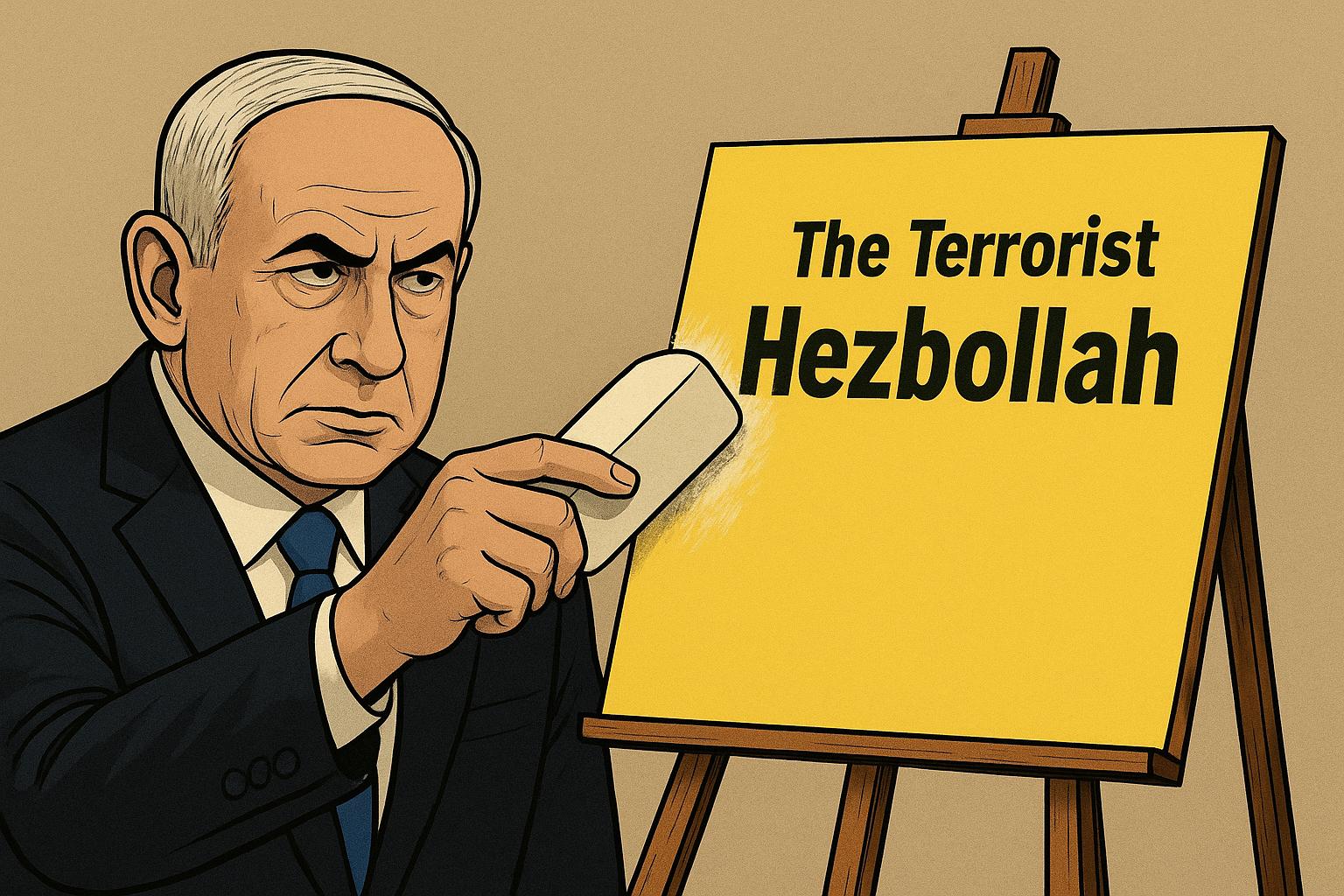
حزب الله هو الداء الذي يعتمده نظام الملالي للسيطرة على جيرانه ولا دواء إلا باقتلاعه وتنظيف البلد من شروره، وجمع أسلحته وتدميرها لكي يهنأ لبنان ويرتاح الجيران. وإلا فلا حلول ستجد طريقا لها ولا دول في كامل جغرافية الشرق الأوسط سترتاح من تدخلاته ومن شظايا يوزعها تفجره.
Hezbollah and Lebanon – The Strategic Situation
Colonel Charbel Barakat/April 25/2026
Most political analysts argue that Hezbollah’s problem is the conflict with Israel. Therefore, Hezbollah and its arsenal are inextricably linked to Israel’s fate. Hence, the issue is existential; Hezbollah is compelled to defend its support base along the Lebanese-Israeli border. The conflict cannot end, and the weapons cannot be surrendered to the state, except through an agreement guaranteeing the security and stability of the population on the Lebanese side of the border. Thus, some advocate for talks between the two governments to reach a peace agreement that would end the war, lead to the surrender of weapons, and close the chapter on the conflict.
However, anyone familiar with Hezbollah’s ideology and its Iranian masters cannot accept this proposition. Simply put, the party calls for the establishment of a state ruled by the Supreme Leader, extending from Iran to encompass the entire Middle East, with Lebanon as a part, and potentially ruling the world (hence the plan to acquire nuclear capabilities). In the party’s ideology and its pronouncements, the state of Lebanon does not exist, nor does the Lebanese people, their history, civilization, or the diversity of their population and beliefs. International friendships and relations with the surrounding region are unnecessary, except as approved by the Supreme Leader after he consolidates his control over the Middle East and establishes his state, which will prepare for the return of the Hidden Imam.
The party does not belong to the Lebanese people in any way, but rather imposed itself on the Shiite community based on the belief that some Sayyids from Jabal Amil, at the end of the 15th century, contributed, at the request of Shah Ismail, to spreading the Twelver Shiite doctrine in Iran and Azerbaijan. This secured for them a distinction from the Sunni Turks, who had controlled Asia Minor under Sultan Selim I and, with the decline of the Byzantine Empire, had become the dominant power threatening the entire Levant.
Consequently, these Shiites had been persecuted by the Turks since the time of Sultan Selim and were forced into isolation in Lebanon. However, they will enjoy prosperity and a sense of belonging in the state of the mullahs, which some of their imams helped to shape.
The party theory would not have fooled the liberal Shiites who kept pace with the era of science and Lebanese openness. Some of them, like the rest of the Lebanese, went to the countries of the diaspora and learned about political, national and social theories and contributed to some political movements in the region. Some of them adhered to Arabism in the Nasserist way, others to the internationally oriented Communist Party, and others to local parties such as the Syrian Nationalists, the Baath Party and others. The visible class among them, like many Lebanese, was still looking for a Lebanese path that would fulfill its ambitions.
The Shia community lost only four villages during the demarcation of the border between Lebanon and Palestine. These villages were considered within the existing border line established during the Mandate period and were therefore unaffected by the 1948 war. However, the political upheavals that followed the war, the psychological impact of the influx of refugees into Lebanon, and the subsequent expansionist regimes that arose in neighboring countries, all contributed to pushing impoverished Shia communities toward liberationist ideologies. The majority leaned toward the left, prompting Shah Reza Pahlavi to send Musa al-Sadr to Lebanon to restore balance to the Shia community. But Yasser Arafat and his revolution moved faster than Musa al-Sadr’s projects, despite his success in securing many of the community’s “rights” without resorting to violence or the kind of street pressure we have become accustomed to seeing. He was thus forced to join Arafat’s plans and establish the Amal Movement to escape the pressure of rival militias. Despite all his attempts to avoid violence and participation in the conflict, he was eliminated in a Syrian-Libyan plot orchestrated by the mullahs, who were vying for power in Iran and feared his influence on the Shia community.
As for Hezbollah, it is an Iranian construct that has exploited Lebanese citizens by identity, indoctrinating them into becoming operatives who carry out the orders of the mullahs and are willing to sacrifice themselves for them. So, are they afraid that the country, which you deem unnecessary, will collapse, or that the rest of the citizens who share it will be lost? Therefore, Lebanon’s salvation lies in reaching an agreement with Israel and controlling these individuals as a prelude to seizing their weapons and re-indoctrinating them as much as possible. Their surviving leaders should be placed in sanatoriums or special prisons to prevent them from influencing an environment that no longer knows how to act without orders, nor does it understand the consequences of its actions. Their provocations against Israel have led to Lebanon losing land and homes, displacing citizens, and destroying infrastructure. Yet, the state pays them salaries and compensation to the families of their dead, despite all the losses they have inflicted on institutions, citizens, and the country alike.
It remains that some Arab countries, in addition to Turkey, are currently trying to intervene to prevent Lebanon from moving towards peace negotiations with Israel and ending the current open-ended situation. They propose resorting to internal understanding, meaning dialogue and an agreement with Hezbollah, and taking its interests into account. To these people we say:
– Firstly, to the Saudi Minister Farhan, we urge you to focus on negotiating with the Saudi Shia community in the Qatif region and understanding their concerns and desires. You yourselves suffered from Iranian orders that led the Saudi state to execute their leaders to prevent sedition. You also endured the missiles and drones that their masters rained down upon you without cause, and you know the consequences better than we do. We do not want to repeat the Bahraini experience and allow Iran’s proxies to wreak havoc and destruction there. Or should we remind you of what the Emir of Kuwait is doing, forced to rid his country of evildoers by revoking their citizenships? What should we say to him? “Come and engage in dialogue with them?” Why was the parliament dissolved in the first place? Wasn’t it because they violated and sabotaged institutions to create chaos?
– As for our Egyptian brothers, we say: it would be more beneficial for you to open a dialogue with the Muslim Brotherhood, against whom you turned and who fought you in
Sinai and elsewhere. Hezbollah and its Iranian masters played a major role in those events. Weapons were transferred through Hamas and its affiliates. We need not remind you that President Nasser caused the events of 1958 in Lebanon because he nationalized the Suez Canal two years prior, provoking a French-British-Israeli attack. When the United States pressured for the withdrawal of these forces, he rushed into Syria and Lebanon to cut off European trade through the port of Beirut to the Gulf. Then, after Sadat cleared the canal following the 1973 war, with its inauguration scheduled for June 1975, he allowed Lebanon to be devastated and plunged into a war you called a “civil war” so that all companies could return and reopen their offices in Egypt, restoring normal operations to the Suez Canal. We are grateful for your kindness and suggestions, but we still do not know what lies hidden behind these sweet words and “brotherly” proposals.
– President Erdoğan has some brotherly advice: he should seek dialogue with those who disagree with him in Turkey. The prisons are full of those falsely accused of attempting a coup, and we haven’t forgotten the mayor of Istanbul, who is imprisoned for defying the sultan’s orders.
To all those “concerned” about Lebanon’s interests and demanding dialogue with Hezbollah, we say: cease your “brotherly” pressure and let Lebanon manage and find appropriate solutions for its situation. We’ve had enough of your poisoned advice and unhelpful suggestions. If some of you are merely seeking personal gain, always looking for those who pay and contribute to lining their pockets, then we are grateful to you, because Lebanon can rise from the rubble and rebuild itself if you refrain from your advice and interference.
Hezbollah is the disease that the Iranian regime uses to control its neighbors, and there is no cure except to uproot it, cleanse the country of its evils, and collect and destroy its weapons so that Lebanon and its neighbors can find peace. Otherwise, no solutions will find their way, and no country in the entire Middle East will be free from its interference and the shrapnel it sows.
السيرة الذاتية للكولونيل شربل بركات
خبير عسكري، كاتب، شاعر، مؤرخ، ومعلق سياسي
*ضابط متقاعد من الجيش اللبناني
*متخرج من المدرسة الحربية ومجاز بالعلوم السياسية والادارية من الجامعة اللبنانية
*كلف كأحد الضباط لتنظيم الدفاع عن القرى الحدودية منذ 1976
*تسلم قيادة تجمعات الجنوب
*تسلم قيادة القطاع الغربي في جيش لبنان الحر وأصبح مساعدا للرائد سعد حداد ثم تسلم قيادة الجيش بالوكالة عندما مرض الرائد حداد واستمر بعد وفاته حتى مجيء اللواء أنطوان لحد فأصبح مساعده ثم قائدا للواء الغربي في جيش لبنان الجنوبي
*ترك العمل العسكري في 1988 وتسلم العلاقات الخارجية
*شهد أمام لجنة العلاقات الخارجية في مجلس الشيوخ الأميركي مرتين
*كاتب سياسي وباحث في التاريخ له الكثير من الكتب والمقالات السياسية التاريخية والانسانية
نشر كتابه الأول “مداميك” (1999) الذي يحكي عن المنطقة الحدودية ومعاناة أهلها، ترجم إلى العبرية ونشرته معاريف (2001) والانكليزية (2012) Madameek – Courses – A struggle for Peace in a zone of war موجود على Amazon Books
*نشر كتابه الثاني “الجنوب جرحنا وشفانا” الذي يشرح الأحداث التي جرت في المنطقة بين 1976 – 1986
*الكتاب الثالث “Our Heritage” كتاب بالانكليزية يلخص التراث اللبناني مع رسومات لزيادة الاستيعاب موجه للشباب المغترب
*كتابه السياسي الثالث “لبنان الذي نهوى” (2022) جاهز للطبع
*كتاب مجزرة عين إبل 1920 وهو بحث تاريخي عن المجزرة التي ساهمت في نشوء وتثبيت لبنان الكبير
*كتاب “المقالات السياسية 2005 – 2013” مئة ومقالة منشور على صفحته
*كتاب “الشرق الأوسط في المخاض العسير” مجموعة مقالات سياسية (2013 – 2025)
*كتاب “العودة إلى عين إبل” بحث تاريخي بشكل قصصي عن تاريخ المنطقة بين 1600 – 1900
*كتاب شعر عن المعاناة خلال الحرب الكبرى 1914 – 1918 من خلال قصيدة زجلية نقدية جاهز للطبع
*كتاب “تاريخ فناء صور الخلفي” بحث تاريخي عن المنطقة الجنوبية – قيد الانجاز
*كتاب المقالات الانسانية وكتاب عينبليات قيد الانجاز