حزب الله سيقف إلى جانب إيران ودائماً على حساب لبنان
محمد شبارو/عرب نيوز/15 نيسان 2026
ترجمة من الإنكليزية بحرية بواسطة ناشر الموقع
Hezbollah will never choose Lebanon over Iran
Mohamed Chebaro/Arab News/April 15, 2026
If anything, April 13, 2026, ironically looked no different to the days of civil tension in the prelude to the breakdown of law and order among the Lebanese in 1975, between those who wanted to peel Lebanon away from regional discord and foreign agendas and those who wanted to see the country and its people used as cannon fodder.
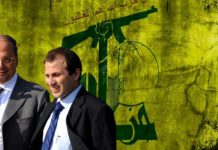
Half a century has passed but the similarities are striking. Lebanon is again facing its demons and the curse of division, as the majority of its people want Hezbollah disarmed, while those who support the militia insist on fighting Israel in the name of protecting Gaza and, since Feb. 28, defending Iran. They want to help Tehran in its war of resistance against Israel and help protect Iran’s revolutionary doctrine and regime, which is being battered by the US and Israel. It is feared the storm of civil strife is gathering again, as the government has taken the daring and historic step of negotiating directly with Israel. It seeks to end the conflict through a peace deal that preserves the country’s unity and territorial integrity, preventing Israel creating a security buffer zone in the south. But the Lebanese who support Hezbollah oppose these talks.Lebanon’s fragile democracy has been struggling for more than three decades to find the means to disarm Hezbollah — a militia that has outgrown the state and its institutions with direct help from Iran and formerly from Syria. It is not an exaggeration to say that the country and its people often find themselves at the mercy of a game involving bigger powers.
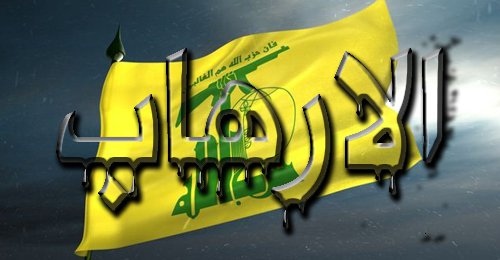
For Hezbollah, an Iranian-created, funded, armed and led militia, choosing Lebanon over Iran is a tall order. The party and its supporters remain true to its original manifesto, which established the group’s presence in the country in the early 1980s and calls for the spread of Iran’s religious doctrine and revolution in the Arab and Muslim worlds, even if the group has repeatedly denied it.
Lebanon’s fragile democracy has been struggling for more than three decades to find the means to disarm Hezbollah.
The French president’s special envoy to Lebanon, Jean-Yves Le Drian, a veteran statesman and diplomat, ought to know better than to say — as he did in an interview with Arab News last week — “Hezbollah must choose: either Lebanon or Iran. There is no alternative.” He is not the first and will not be the last to do so. But Hezbollah cannot change, as leopards never change their spots. Hezbollah’s mission, like its various leaders have often reminded those wanting to disarm them, is that the militia is part of the Wilayat Al-Faqih regime.
Since 1969, Lebanon has been a secondary theater in a regional confrontation that is beyond its control. Previously, it was used by the Arabs as a staging point for Palestinian resistance against Israel. And, under the tutelage of the Assad regime in Syria, it was for years a pawn in Damascus’ protracted confrontation with Israel and the West. Now, it is an extension of Iran’s revolution and a bridgehead for its confrontation with Arab countries and with Israel.
Le Drian explained in his interview that the continued fighting risks trapping the country in an external confrontation that could jeopardize fundamental aspects of the Lebanese state. “What is at stake today is Lebanon’s integrity and sovereignty,” he said.
And that is the story of modern Lebanon: always in the eye of the storm in a turbulent Middle East, often by choice by the choice of one segment of its society or another.
Denouncing the Israeli attacks against Hezbollah, Le Drian clearly identified the role of the Iran-allied militia in stoking the crisis. He also agreed that the “disproportionate strikes” by Israel create a potential paradox, warning that rather than weakening Hezbollah, they might actually strengthen the group’s influence.
Like Le Drian, many in Lebanon believe that, despite the intensity of the current hostilities, the country today has a unique opportunity to forge a path to peace. They hope that the historic direct talks with Israeli authorities could bear fruit, as the many years of conflict have failed to bring peace to Israel or stability and prosperity to the region, including Lebanon.
The challenge is how to encourage the splintered Lebanese loyalties to favor the welfare of their country.
The challenge is how to encourage the splintered Lebanese loyalties to favor the welfare of their country and its current government, which is, for once, free from Syrian, Iranian or any other foreign patronage.
People have for years been calling on the Lebanese who support Hezbollah to choose the state over the militia and Lebanon over Iran, but to no avail. Though weakened by Israel’s 60-day war on it in 2024, the militia has, with the help of Iran, rearmed and reorganized after the decapitation of its leadership. The recent fighting in the south demonstrates that Hezbollah is still a potent force, despite suffering the loss of its supply lines through Iraq and Syria, which could undermine its ability to put up a long and protracted fight.
The Israeli ground incursion and creation of a security buffer zone could cost Lebanon 10 percent or more of its territory. But above all, it will cause the community that supports Hezbollah to harden its stance and call for further resistance, even if that means driving the country’s civil peace to the brink.
The costs imposed by Hezbollah’s war are too large for this small country and its sovereign government to stomach. Time and again, history has demonstrated that Hezbollah cannot metamorphose into a Lebanese political force only. It is far too integrated into Iran’s regional extensions, religious doctrine and proxy designs. Those who call on the Lebanese militia group to choose Lebanon over Iran are in for a long wait.
And those who ask the Lebanese government to disarm the militia by force clearly fail to grasp the precarious fabric of communities in the country and the constant threat a decision like this would have on its unity.
It is still possible the US-Israeli strikes will persuade Tehran to abandon its perpetual revolution. It is also possible Lebanon and Israel could strike a deal that can be called “peace.” Only then can Hezbollah’s raison d’etre maybe cease to exist and the nation can broker a deal to dismantle the militant group for good.
• Mohamed Chebaro is a British-Lebanese journalist with more than 25 years of experience covering war, terrorism, defense, current affairs and diplomacy.
حزب الله سيقف إلى جانب إيران ودائماً على حساب لبنان
محمد شبارو/عرب نيوز/15 نيسان 2026
ترجمة من الإنكليزية بحرية بواسطة ناشر الموقع
إن أحداث 13 أبريل 2026، ويا للسخرية، لم تكن تبدو مختلفة عن أيام التوتر الأهلي التي سبقت انهيار القانون والنظام بين اللبنانيين في عام 1975؛ بين أولئك الذين أرادوا نأي لبنان عن الخلافات الإقليمية والأجندات الخارجية، وبين الذين أرادوا رؤية البلاد وشعبها يُستخدمون كوقود للمدافع.
نصف قرن مضى وما زالت أوجه التشابه صارخة. لبنان يواجه شياطينه ولعنة الانقسام من جديد، حيث تطالب غالبية شعبه بنزع سلاح حزب الله، بينما يصر أنصار الميليشيا على قتال إسرائيل باسم حماية غزة، ومنذ 28 فبراير، دفاعاً عن إيران. إنهم يريدون مساعدة طهران في حرب “المقاومة” ضد إسرائيل، والمساهمة في حماية العقيدة الثورية الإيرانية ونظامها الذي يتعرض لضربات من الولايات المتحدة وإسرائيل. ويُخشى أن عاصفة الصراع الأهلي تتجمع مرة أخرى، في وقت اتخذت فيه الحكومة خطوة تاريخية وجريئة بالتفاوض المباشر مع إسرائيل؛ سعياً لإنهاء الصراع عبر اتفاق سلام يحفظ وحدة البلاد وسلامة أراضيها، ويمنع إسرائيل من إنشاء منطقة أمنية عازلة في الجنوب. لكن اللبنانيين المؤيدين لحزب الله يعارضون هذه المحادثات.
لقد كافحت الديمقراطية اللبنانية الهشة لأكثر من ثلاثة عقود لإيجاد السبل الكفيلة بنزع سلاح حزب الله — تلك الميليشيا التي نمت لتتجاوز الدولة ومؤسساتها بمساعدة مباشرة من إيران، وسابقاً من سوريا. وليس من قبيل المبالغة القول إن البلاد وشعبها غالباً ما يجدون أنفسهم تحت رحمة لعبة تشارك فيها قوى كبرى.
بالنسبة لحزب الله، وهو ميليشيا أنشأتها ومولتها وسلحتها وقادتها إيران، فإن اختيار لبنان على حساب إيران يعد أمراً بعيد المنال. فالحزب وأنصاره لا يزالون متمسكين ببيانهم التأسيسي الأصلي، الذي أرسى وجود المجموعة في البلاد مطلع الثمانينيات، ويدعو إلى نشر العقيدة الدينية والثورة الإيرانية في العالمين العربي والإسلامي، حتى وإن نفت الجماعة ذلك مراراً.
لقد كان الأجدر بالمبعوث الخاص للرئيس الفرنسي إلى لبنان، جان إيف لودريان، وهو رجل دولة ودبلوماسي مخضرم، أن يدرك الحقيقة بدلاً من قوله — كما جاء في مقابلة مع “عرب نيوز” الأسبوع الماضي — “على حزب الله أن يختار: إما لبنان أو إيران، لا يوجد بديل”. لودريان ليس الأول ولن يكون الأخير الذي يقول ذلك، لكن حزب الله لا يمكنه التغيير، تماماً كما لا يغير النمر جلده (المرقط). إن مهمة حزب الله، كما ذكر قادته مراراً أولئك الطامحين لنزع سلاحهم، هي أن الميليشيا جزء من نظام “ولاية الفقيه”.
منذ عام 1969، ظل لبنان مسرحاً ثانوياً في مواجهة إقليمية تفوق قدرته على السيطرة. في السابق، استخدمه العرب كقاعدة انطلاق للمقاومة الفلسطينية ضد إسرائيل. وتحت وصاية نظام الأسد في سوريا، ظل لسنوات بيدقاً في مواجهة دمشق الطويلة مع إسرائيل والغرب. والآن، أصبح امتداداً للثورة الإيرانية ورأس جسر لمواجهتها مع الدول العربية ومع إسرائيل.
أوضح لودريان في مقابلته أن استمرار القتال يهدد بمحاصرة البلاد في مواجهة خارجية قد تعرض الجوانب الأساسية للدولة اللبنانية للخطر، قائلاً: “ما هو على المحك اليوم هو سلامة لبنان وسيادته”. وهذه هي قصة لبنان الحديث: دائماً في عين العاصفة في شرق أوسط مضطرب، وغالباً ما يكون ذلك بقرار من فئة من مجتمعه أو أخرى.
وفي حين استنكر لودريان الهجمات الإسرائيلية ضد حزب الله، فإنه حدد بوضوح دور الميليشيا المتحالفة مع إيران في إذكاء الأزمة. كما اتفق على أن “الضربات غير المتناسبة” من قبل إسرائيل تخلق مفارقة محتملة، محذراً من أنها بدلاً من إضعاف حزب الله، قد تؤدي في الواقع إلى تعزيز نفوذ الجماعة.
ومثل لودريان، يعتقد الكثيرون في لبنان أنه رغم شدة الأعمال العدائية الحالية، فإن البلاد لديها اليوم فرصة فريدة لرسم مسار نحو السلام. ويأملون أن تؤتي المحادثات المباشرة التاريخية مع السلطات الإسرائيلية ثمارها، خاصة وأن سنوات الصراع الطويلة فشلت في جلب الأمن لإسرائيل أو الاستقرار والازدهار للمنطقة، بما في ذلك لبنان.
إن التحدي يكمن في كيفية تشجيع الولاءات اللبنانية المتشظية على تغليب مصلحة بلدهم وحكومتهم الحالية، التي تحررت — لمرة واحدة — من الرعاية السورية أو الإيرانية أو أي وصاية أجنبية أخرى.
لقد ظل الناس لسنوات يدعون اللبنانيين المؤيدين لحزب الله لاختيار الدولة على الميليشيا ولبنان على إيران، ولكن دون جدوى. ورغم إضعافها بسبب حرب الـ 60 يوماً التي شنتها إسرائيل في عام 2024، فقد قامت الميليشيا، بمساعدة إيران، بإعادة التسليح والتنظيم بعد قطع رأس قيادتها. وتظهر المعارك الأخيرة في الجنوب أن حزب الله لا يزال قوة مؤثرة، على الرغم من فقدان خطوط إمداده عبر العراق وسوريا، مما قد يقوض قدرته على خوض قتال طويل الأمد.
إن التوغل البري الإسرائيلي وإنشاء منطقة أمنية عازلة قد يكلف لبنان 10 بالمئة أو أكثر من أراضيه. ولكن قبل كل شيء، سيؤدي ذلك إلى تشدد البيئة الداعمة لحزب الله في موقفها والدعوة لمزيد من المقاومة، حتى لو كان ذلك يعني دفع السلم الأهلي في البلاد إلى حافة الهاوية.
التكاليف التي فرضتها حرب حزب الله أكبر من أن تتحملها هذه الدولة الصغيرة وحكومتها السيادية. لقد أثبت التاريخ مراراً وتكراراً أن حزب الله لا يمكنه أن يتحول إلى قوة سياسية لبنانية صرفة؛ فهو مندمج بعمق في الامتدادات الإقليمية لإيران وعقيدتها الدينية ومخططاتها بالوكالة. أولئك الذين يدعون الميليشيا اللبنانية لاختيار لبنان على إيران ينتظرهم انتظار طويل.
أما الذين يطالبون الحكومة اللبنانية بنزع سلاح الميليشيا بالقوة، فهم بوضوح يفشلون في استيعاب النسيج الهش للمكونات في البلاد، والتهديد المستمر الذي قد يشكله قرار كهذا على وحدتها.
لا يزال من الممكن أن تقنع الضربات الأمريكية الإسرائيلية طهران بالتخلي عن ثورتها الدائمة. ومن الممكن أيضاً أن يتوصل لبنان وإسرائيل إلى اتفاق يمكن تسميته “سلاماً”. عندها فقط، ربما ينتفي مبرر وجود حزب الله، وتستطيع الأمة التوسط في اتفاق لتفكيك الجماعة المسلحة إلى الأبد.
• محمد شبارو صحفي بريطاني-لبناني لديه أكثر من 25 عاماً من الخبرة في تغطية الحروب والإرهاب والدفاع والشؤون الراهنة والدبلوماسية.