Iran’s Terror Regime Has Shown Its True Face
Ahmed Charai/Gatestone Institute/May 05/2026
Breaking the Architecture of Iran’s Regime Power
Ahmed Charai/May 04/2026
نظام الإرهاب الإيراني كشف عن وجهه الحقيقي
أحمد الشراعي/معهد غايتستون/05 أيار/ 2026
(ترجمة إلى العربية بواسطة مواقع ترجمة ألكترونية)
تفكيك بنية قوة النظام الإيراني
أحمد الشرعي/كايستون/04 أيار/2026
(ترجمة إلى العربية بواسطة مواقع ترجمة ألكترونية)
Iran’s Terror Regime Has Shown Its True Face
Ahmed Charai/Gatestone Institute/May 05/2026
The United States cannot continue negotiating with a terrorist regime that violates ceasefires, attacks American allies, and weaponizes diplomacy.
By striking the UAE, Tehran has made one point unmistakably clear: it does not respect ceasefires, international law, or restraint.
For decades, Tehran has used negotiations to buy time, sanctions relief to rebuild capacity, truces to reposition, and Western hesitation to expand its regional power.
The question is whether the United States and Israel are prepared to destroy the regime’s ability to wage war, finance terror, intimidate the Gulf, and blackmail the world.
The objective is not war against the Iranian people. The Iranian people are the first victims of the Islamic Republic. The objective is to destroy the regime’s military, financial, political, and coercive architecture.
Each incomplete response teaches Tehran that escalation works.
A regime that jails women, executes protesters, tortures dissidents, and silences students cannot be trusted to honor international agreements. The Iranian people must hear a clear message: America’s conflict is not with them, but with the system that has stolen their country and converted its national wealth into missiles, militias, corruption, and fear.
Pressure should punish loyalty to the regime and reward separation from it.
The job is not finished when Hormuz reopens. It is finished when Iran’s regime can no longer threaten Hormuz…. It is finished when the regime can no longer rebuild the missile, drone, and proxy networks that allow it to threaten the region.
The job is finished when the regime can no longer rebuild the missile, drone, and proxy networks that allow it to threaten the region.
Yesterday, the Islamic Republic of Iran launched a new wave of drone and missile attacks on the United Arab Emirates, a close American ally and a country not at war with Iran. This attack came despite the ceasefire agreement agreed on April 8.
By striking the UAE, Tehran has made one point unmistakably clear: it does not respect ceasefires, international law, or restraint.
America has given Tehran many opportunities. The regime has failed every test. It lied about its nuclear ambitions, armed terrorist proxies, destabilized the Middle East, threatened shipping lanes, repressed its own people, and built a regional war machine under the cover of diplomacy.
The question is whether the United States and Israel are prepared to destroy the regime’s ability to wage war, finance terror, intimidate the Gulf, and blackmail the world.
The objective is not war against the Iranian people. The Iranian people are the first victims of the Islamic Republic. The objective is to destroy the regime’s military, financial, political, and coercive architecture.
The strategic mistake of past policy has been to treat Tehran as a difficult but ultimately manageable negotiating partner. In reality, the regime is a revolutionary security system. Its priority is survival, regional intimidation, and ideological expansion. Weakness encourages it. Concessions finance it. Delay makes the next confrontation more dangerous.
A regime that attacks the UAE today will continue to threaten shipping lanes tomorrow. A regime that survives every crisis with its command structure intact can later test American forces more directly. Each incomplete response teaches Tehran that escalation works.
The United States must therefore move beyond crisis management. Reopening the Strait of Hormuz is necessary but not sufficient. Hormuz is the only instrument of Iranian coercion. The core problem is the regime that uses Hormuz, proxies, missiles, drones, terrorism, and ceasefire violations as tools of pressure.
The Islamic Revolutionary Guard Corps (IRGC) is the regime’s central operating system. It commands domestic repression, exports terrorism, manages proxy warfare, controls strategic industries, and protects the ruling elite. Its missile infrastructure, drone production, naval harassment capabilities, command centers, weapons pipelines, and links to foreign militias must be disabled. Temporary degradation is not enough. The regime’s ability to rebuild must also be targeted.
The second pillar is the economic architecture that sustains the regime. The Islamic Republic is kept alive by banks, ports, shipping networks, exchange houses, oil smuggling, front companies, gold channels, foundations, privileged merchants, and commercial collaborators. Individual sanctions against commanders are no longer sufficient. Washington must shift to network destruction: mapping, exposing, sanctioning, seizing, and disrupting the commercial universe that feeds the IRGC and the ruling class.
The third pillar is the proxy network. Iran often avoids direct accountability by fighting through militias, terrorist cells, cyber units, and regional clients. That model must be broken. Any Iranian-backed group that threatens American forces, Israel, the Gulf states, or the Abraham Accords countries must understand that the cost will not stop with the proxy. It must reach the regime that arms, trains, funds, and directs it.
The fourth pillar is internal repression. A regime that jails women, executes protesters, tortures dissidents, and silences students cannot be trusted to honor international agreements. The Iranian people must hear a clear message: America’s conflict is not with them, but with the system that has stolen their country and converted its national wealth into missiles, militias, corruption, and fear.
The attack on the UAE is a warning. Tehran is testing whether America will defend its allies, protect global commerce, and impose costs beyond symbolic retaliation. It is testing whether President Donald Trump will allow the regime to violate a ceasefire, attack a US ally, and still survive another crisis with its essential machinery intact. That cannot happen.
The job is not finished when Hormuz reopens. It is finished when Iran’s regime can no longer threaten Hormuz. The job is not finished when sanctions are announced. It is finished when the regime’s financial arteries are cut. The job is not finished when one missile launcher is destroyed. It is finished when the regime can no longer rebuild the missile, drone, and proxy networks that allow it to threaten the region.
The United States has tried patience, warnings, diplomacy, and restraint. Iran has answered with deception, missiles, drones, proxy warfare, and now an attack on the UAE in violation of the ceasefire understanding. Now the answer must be strength.
The Islamic Republic must not be managed, rescued, or rewarded. It must be defeated as a military machine, dismantled as an economic network, isolated as a political regime, and weakened psychologically until the architecture of terror that sustains it collapses.
Ahmed Charai is the publisher of The Jerusalem Strategic Tribune and serves on the boards of directors of the Atlantic Council, the International Crisis Group, the Center for Strategic and International Studies, the Foreign Policy Research Institute, and the Center for the National Interest.
*This article originally appeared in The National Interest and is reprinted here by the kind permission of the author.
https://www.gatestoneinstitute.org/22498/iran-terror-regime
© 2026 Gatestone Institute. All rights reserved. The articles printed here do not necessarily reflect the views of the Editors or of Gatestone Institute.
نظام الإرهاب الإيراني كشف عن وجهه الحقيقي
أحمد الشراعي/معهد غايتستون/05 أيار/ 2026
(ترجمة إلى العربية بواسطة مواقع ترجمة ألكترونية)
لا يمكن للولايات المتحدة أن تستمر في التفاوض مع نظام إرهابي ينتهك اتفاقات وقف إطلاق النار، ويهاجم حلفاء أمريكا، ويسلح الدبلوماسية. فمن خلال ضرب دولة الإمارات العربية المتحدة، جعلت طهران أمراً واحداً واضحاً وضوح الشمس: وهو أنها لا تحترم وقف إطلاق النار، ولا القانون الدولي، ولا ضبط النفس.
لعقود من الزمن، استخدمت طهران المفاوضات لكسب الوقت، وتخفيف العقوبات لإعادة بناء قدراتها، والهدن لإعادة تموضعها، والتردد الغربي لتوسيع نفوذها الإقليمي. والسؤال الآن هو ما إذا كانت الولايات المتحدة وإسرائيل مستعدتين لتدمير قدرة النظام على شن الحرب، وتمويل الإرهاب، وترهيب الخليج، وابتزاز العالم.
إن الهدف ليس الحرب ضد الشعب الإيراني، فمن المعروف أن الشعب الإيراني هو الضحية الأولى للجمهورية الإسلامية. بل الهدف هو تدمير الهيكل العسكري والمالي والسياسي والقسري للنظام. فكل استجابة غير مكتملة تعلم طهران أن التصعيد يؤتي ثماره.
إن النظام الذي يسجن النساء، ويعدم المتظاهرين، ويعذب المعارضين، ويسكت الطلاب لا يمكن الوثوق به في الوفاء بالاتفاقات الدولية. يجب أن يسمع الشعب الإيراني رسالة واضحة: إن صراع أمريكا ليس معهم، بل مع النظام الذي سرق بلدهم وحول ثروتها الوطنية إلى صواريخ وميليشيات وفساد وخوف. يجب أن يعاقب الضغطُ الولاءَ للنظام ويكافئ الانفصال عنه.
المهمة لا تنتهي عند إعادة فتح مضيق هرمز، بل تنتهي عندما لا يعود نظام إيران قادراً على تهديد هرمز… وتنتهي عندما لا يعود النظام قادراً على إعادة بناء شبكات الصواريخ والطائرات المسيرة والوكلاء التي تسمح له بتهديد المنطقة.
لقد شنت الجمهورية الإسلامية الإيرانية بالأمس موجة جديدة من الهجمات بالطائرات المسيرة والصواريخ على دولة الإمارات العربية المتحدة، وهي حليف وثيق لأمريكا ودولة ليست في حالة حرب مع إيران. وجاء هذا الهجوم على الرغم من اتفاق وقف إطلاق النار المتفق عليه في 8 أبريل. ومن خلال ضرب الإمارات، جعلت طهران نقطة واحدة واضحة تماماً: هي أنها لا تحترم وقف إطلاق النار، ولا القانون الدولي، ولا ضبط النفس.
لقد منحت أمريكا طهران فرصاً عديدة، لكن النظام فشل في كل اختبار. لقد كذب بشأن طموحاته النووية، وسلح الوكلاء الإرهابيين، وزعزع استقرار الشرق الأوسط، وهدد ممرات الشحن، وقمع شعبه، وبنى آلة حرب إقليمية تحت غطاء الدبلوماسية.
يكمن الخطأ الاستراتيجي للسياسة السابقة في التعامل مع طهران كشريك تفاوضي صعب ولكنه قابل للإدارة في نهاية المطاف. في الواقع، النظام هو منظومة أمنية ثورية، أولويتها هي البقاء، والترهيب الإقليمي، والتوسع الأيديولوجي. الضعف يشجعه، والتنازلات تموله، والتأخير يجعل المواجهة التالية أكثر خطورة.
إن النظام الذي يهاجم الإمارات اليوم سيستمر في تهديد ممرات الشحن غداً. والنظام الذي ينجو من كل أزمة مع بقاء هيكل قيادته سليماً يمكنه لاحقاً اختبار القوات الأمريكية بشكل مباشر أكثر. لذا، يجب على الولايات المتحدة أن تتحرك إلى ما هو أبعد من إدارة الأزمات؛ فإعادة فتح مضيق هرمز أمر ضروري ولكنه غير كافٍ، لأن المشكلة الجوهرية تكمن في النظام الذي يستخدم هرمز والوكلاء والصواريخ والترهيب كأدوات ضغط.
ركائز استراتيجية المواجهة
الحرس الثوري الإيراني: هو نظام التشغيل المركزي للنظام. يجب تعطيل بنيته التحتية الصاروخية، وإنتاج الطائرات المسيرة، وقدرات التحرش البحري، ومراكز القيادة، وخطوط أنابيب الأسلحة، والارتباطات بالميليشيات الأجنبية. التدهور المؤقت ليس كافياً؛ يجب استهداف قدرة النظام على إعادة البناء.
الهيكل الاقتصادي: لا تزال الجمهورية الإسلامية على قيد الحياة بفضل البنوك والموانئ وشبكات الشحن وتهريب النفط. لم تعد العقوبات الفردية ضد القادة كافية، بل يجب على واشنطن التحول إلى “تدمير الشبكات” عبر كشف ومصادرة وتعطيل الكون التجاري الذي يغذي الحرس الثوري والطبقة الحاكمة.
شبكة الوكلاء: غالباً ما تتجنب إيران المسؤولية المباشرة من خلال القتال عبر الميليشيات. يجب كسر هذا النموذج؛ أي جماعة مدعومة من إيران تهدد القوات الأمريكية أو إسرائيل أو دول الخليج أو دول اتفاقات أبراهام يجب أن تدرك أن الثمن لن يتوقف عند الوكيل، بل سيصل إلى النظام الذي يسلحه ويموله.
القمع الداخلي: إن النظام الذي يقمع شعبه لا يمكن الوثوق بعهوده الدولية. يجب أن يدرك الإيرانيون أن الصراع يستهدف المنظومة التي بددت ثرواتهم على الميليشيات والفساد.
إن الهجوم على الإمارات هو تحذير واختبار لمعرفة ما إذا كانت أمريكا ستدافع عن حلفائها وتفرض تكاليف تتجاوز الانتقام الرمزي، وما إذا كان الرئيس دونالد ترامب سيسمح للنظام بانتهاك وقف إطلاق النار والبقاء مع الحفاظ على أجهزته الأساسية سليمة. لا يمكن السماح بحدوث ذلك.
لقد جربت الولايات المتحدة الصبر والدبلوماسية، وأجابت إيران بالخداع والصواريخ. والآن، يجب أن يكون الرد بالقوة. لا ينبغي إدارة الجمهورية الإسلامية أو إنقاذها أو مكافأتها؛ بل يجب هزيمتها كآلة عسكرية، وتفكيكها كشبكة اقتصادية، وعزلها كأنظمة سياسية، حتى ينهار هيكل الإرهاب الذي يدعمها.
أحمد الشراعي هو ناشر مجلة “Jerusalem Strategic Tribune” وعضو في مجالس إدارة مراكز فكرية دولية عديدة.
جميع الحقوق محفوظة © 2026 معهد غيتستون.
Breaking the Architecture of Iran’s Regime Power
Ahmed Charai/May 04/2026
For decades, Tehran has delayed, promised, denied, escalated, and recalibrated — all while rebuilding its capabilities… and preserving the machinery of regime survival.
The Iranian regime is not sustained by ideology alone. It is sustained by money, contracts, ports, banks, smugglers, foundations, front companies, privileged merchants, terrorist proxies, and commercial collaborators. Washington… must target the networks that feed it.
The regime does not move money through uniforms and official titles. It moves money through family members, front companies, exchange houses, shipping firms, insurance brokers, commodity traders, gold dealers, charities, banks, and offshore accounts. Every one of these channels must be mapped, exposed, and disrupted.
[W]holesalers, currency dealers, gold traders, import-export operators, shipping intermediaries, and commercial families who help the IRGC evade sanctions, manipulate markets, launder money, or finance repression should face direct consequences.
The objective is not to destroy Iranian commerce. The objective is to liberate it from the regime.
The [US] strategy should …reward defection.
[T]he regime’s networks do not stop at Iran’s borders. They extend across the region through proxies, terrorist cells, cyber units, propaganda platforms, and intelligence operations.
The Abraham Accords should not only be a diplomatic framework. They should become a protected strategic architecture against Iranian coercion.
The message to the Iranian people must remain clear: the conflict is not with Iran as a nation, nor with Persian civilization, nor with ordinary families struggling to survive. The target is the regime’s theft of Iran’s economy. Iran is not poor because it lacks resources. Iran is poor because the Islamic Republic has converted national wealth into repression, missiles, militias, corruption, and foreign adventurism.
Hormuz must be reopened, but the regime’s economic, financial, military, and proxy networks must be dismantled.
The regime does not move money through uniforms and official titles. It moves money through family members, front companies, exchange houses, shipping firms, insurance brokers, commodity traders, gold dealers, charities, banks, and offshore accounts. Every one of these channels must be mapped, exposed, and disrupted. As the United States moves to reopen the Strait of Hormuz and restore freedom of navigation, Washington must not lose sight of the larger strategic reality: Hormuz is not the core issue. It is the latest instrument of Iranian blackmail.
The Islamic Republic of Iran has long mastered the politics of manipulation. It uses propaganda to project strength, disinformation to confuse public opinion, threats to intimidate the region, and negotiations to buy time. For decades, Tehran has delayed, promised, denied, escalated, and recalibrated — all while rebuilding its capabilities, consolidating its networks, and preserving the machinery of regime survival.
This is one of the regime’s most effective methods: turning the original problem upside down.
At the beginning, the issue was Iran’s nuclear program, its ballistic missiles, its terrorist proxies, and the future of the regime itself. Today, Tehran wants the world to discuss something else: how to reopen the Strait of Hormuz, how to avoid energy disruption, how to prevent escalation, and how to negotiate a temporary exit from the crisis. This is not diplomacy. It is strategy.
The regime creates a crisis, then demands to be treated as the indispensable party to solving it. It threatens regional stability, then asks for recognition when it reduces the threat. It uses escalation to shift the agenda from accountability to de-escalation.
Washington should not be fooled again.
The United States and its allies have tried nearly every approach: engagement, sanctions relief, warnings, indirect negotiations, limited pressure, and diplomatic patience. None has changed the essential nature of the Islamic Republic. The regime has used time not to moderate, but to adapt. It has used diplomacy not to reform, but to survive. That is why the next phase of Western strategy must begin from a different premise.
The Iranian regime is not sustained by ideology alone. It is sustained by money, contracts, ports, banks, smugglers, foundations, front companies, privileged merchants, terrorist proxies, and commercial collaborators. To weaken it, Washington must move beyond targeting only the men who command the regime. It must target the networks that feed it.
Break the economic architecture, and the political architecture begins to crack.
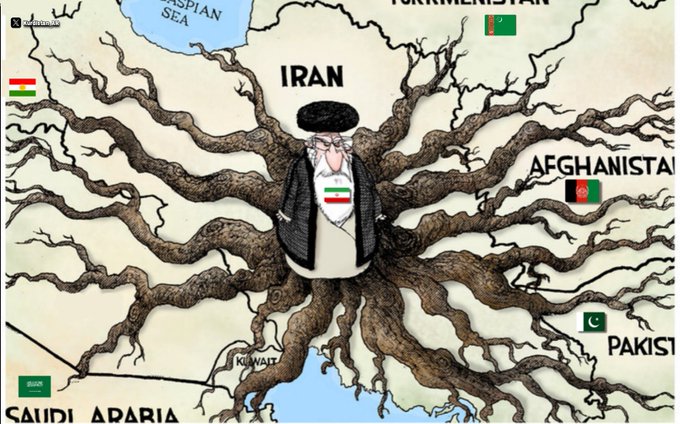
The Islamic Republic is not merely a government. It is an ecosystem of coercion. The clerics provide ideological cover. The Revolutionary Guards provide force. The security services provide repression. The propaganda machine provides fear. But the economic networks provide oxygen.
Without that oxygen, the system cannot breathe.
Iran today remains dangerous, but it is not strong. It can still threaten shipping lanes, activate proxies, repress its citizens, and destabilize its neighbors. But these are not signs of confidence. They are symptoms of a regime that has lost the ability to inspire, persuade, or govern.
The Islamic Republic survives by turning loyalty into a business model. Those who serve the regime receive contracts, licenses, access to foreign currency, import privileges, protection, and immunity. Those who oppose it face exclusion, surveillance, prison, exile, or death.
This is not ideological strength. It is organized corruption protected by violence.
At the center of this system stands the Islamic Revolutionary Guard Corps. The IRGC is not only a military institution. It is an economic empire, a political machine, a sanctions-evasion network. Its influence extends through construction, energy, ports, telecommunications, transport, procurement, smuggling, banking, and foreign operations.
To weaken the IRGC, it is not enough to sanction commanders. The commercial universe that sustains them must be dismantled.
The regime does not move money through uniforms and official titles. It moves money through family members, front companies, exchange houses, shipping firms, insurance brokers, commodity traders, gold dealers, charities, banks, and offshore accounts. Every one of these channels must be mapped, exposed, and disrupted.
This requires a shift from individual sanctions to network sanctions.
The same logic applies to the Bazaar. The United States and its allies should not punish Iran’s merchant class as a whole. Many ordinary merchants are themselves victims of inflation, corruption, currency collapse, and the IRGC’s domination of trade. But regime-linked commercial networks operating inside and around the Bazaar must be treated as part of the regime’s survival structure.
There must be a clear distinction between legitimate private commerce and collaboration with the regime economy. Ordinary traders should be separated from the system. But wholesalers, currency dealers, gold traders, import-export operators, shipping intermediaries, and commercial families who help the IRGC evade sanctions, manipulate markets, launder money, or finance repression should face direct consequences.
The objective is not to destroy Iranian commerce. The objective is to liberate it from the regime.
Pressure must also create incentives for separation. Business figures who break with the IRGC economy, expose sanctions-evasion channels, reveal corruption, or stop financing the regime’s machinery should have pathways to avoid punishment. The strategy should not only punish loyalty. It should reward defection.
That is how economic pressure becomes political pressure.
But the regime’s networks do not stop at Iran’s borders. They extend across the region through proxies, terrorist cells, cyber units, propaganda platforms, and intelligence operations.
The recent dismantling of Iran-linked networks in the UAE and Bahrain should be treated as a strategic warning. These were not isolated incidents. They were symptoms of a broader Iranian method: use commerce as cover, finance as oxygen, proxies as weapons, and regional instability as leverage.
The United States should therefore intensify intelligence cooperation with regional partners targeted by Iranian-backed networks, especially countries that have joined the Abraham Accords. These states should receive stronger intelligence-sharing, cyber defense, maritime protection, counterterrorism coordination, financial-investigation support, and early-warning capabilities.
The Abraham Accords should not only be a diplomatic framework. They should become a protected strategic architecture against Iranian coercion.
The message to the Iranian people must remain clear: the conflict is not with Iran as a nation, nor with Persian civilization, nor with ordinary families struggling to survive. The target is the regime’s theft of Iran’s economy. Iran is not poor because it lacks resources. Iran is poor because the Islamic Republic has converted national wealth into repression, missiles, militias, corruption, and foreign adventurism.
Reopening the Strait of Hormuz is necessary. But it is not enough. Freedom of navigation must not become a substitute for strategic clarity. The United States should not allow Tehran to transform a crisis it created into a diplomatic escape route. Hormuz must be reopened, but the regime’s economic, financial, military, and proxy networks must be dismantled.
The Islamic Republic survives because repression is financed, loyalty is purchased, corruption is protected, and national wealth is privatized by the regime’s guardians. That fortress can be dismantled.
Break the money machine, break the proxy machine, and the political machine begins to fail.
Ahmed Charai is the Chairman and CEO of World Herald Tribune, Inc., and the publisher of the Jerusalem Strategic Tribune, TV Abraham, and Radio Abraham. He serves on the boards of several prominent institutions, including the Atlantic Council, the Center for the National Interest, the Foreign Policy Research Institute, and the International Crisis Group. He is also an International Councilor and a member of the Advisory Board at the Center for Strategic and International Studies.
This article originally appeared in the Jerusalem Strategic Tribune and is reprinted here by the kind permission of the author.
© 2026 Gatestone Institute. All rights reserved. The articles printed here do not necessarily reflect the views of the Editors or of Gatestone Institute.
تفكيك بنية قوة النظام الإيراني
أحمد الشرعي/كايستون/04 أيار/2026
(ترجمة إلى العربية بواسطة مواقع ترجمة ألكترونية)
على مدى عقود، مارست طهران سياسات المماطلة، والوعود، والإنكار، والتصعيد، وإعادة الحسابات — كل ذلك بينما كانت تعيد بناء قدراتها… وتحافظ على آلات بقاء النظام.
إن النظام الإيراني لا يستمر بالأيديولوجيا وحدها، بل يستمر بالمال، والعقود، والموانئ، والبنوك، والمهربين، والمؤسسات، والشركات الصورية، والتجار ذوي الامتيازات، والوكلاء الإرهابيين، والمتعاونين التجاريين. وعلى واشنطن… أن تستهدف الشبكات التي تغذيه.
النظام لا ينقل الأموال عبر البذلات الرسمية والمناصب الحكومية، بل ينقلها عبر أفراد العائلات، والشركات الصورية، ومكاتب الصرافة، وشركات الشحن، ووسطاء التأمين، وتجار السلع، وتجار الذهب، والجمعيات الخيرية، والبنوك، والحسابات الخارجية (أوفشور). يجب رسم خرائط لكل قناة من هذه القنوات وكشفها وتعطيلها.
يجب أن يواجه تجار الجملة، ومتداولو العملات، وتجار الذهب، ومشغلو الاستيراد والتصدير، ووسطاء الشحن، والعائلات التجارية التي تساعد الحرس الثوري الإيراني على التهرب من العقوبات، أو التلاعب بالأسواق، أو غسل الأموال، أو تمويل القمع، عواقب مباشرة.
إن الهدف ليس تدمير التجارة الإيرانية، بل تحريرها من قبضة النظام. كما يجب أن تشجع الاستراتيجية [الأمريكية]… على الانشقاق عبر مكافأته.
إن شبكات النظام لا تتوقف عند حدود إيران، بل تمتد عبر المنطقة من خلال الوكلاء، والخلايا الإرهابية، والوحدات السيبرانية، ومنصات الدعاية، وعمليات الاستخبارات. ولا ينبغي لاتفاقيات إبراهيم أن تكون مجرد إطار دبلوماسي فحسب، بل يجب أن تصبح بنية استراتيجية محمية ضد الإكراه الإيراني.
يجب أن تظل الرسالة الموجهة إلى الشعب الإيراني واضحة: الصراع ليس مع إيران كأمة، ولا مع الحضارة الفارسية، ولا مع العائلات العادية التي تكافح من أجل البقاء. الهدف هو سرقة النظام للاقتصاد الإيراني. إيران ليست فقيرة لأنها تفتقر إلى الموارد، بل هي فقيرة لأن الجمهورية الإسلامية حولت الثروة الوطنية إلى قمع، وصواريخ، وميليشيات، وفساد، ومغامرات خارجية.
يجب إعادة فتح مضيق هرمز، ولكن يجب أيضاً تفكيك شبكات النظام الاقتصادية والمالية والعسكرية والوكيلة.
النظام لا ينقل الأموال عبر البذلات الرسمية والمناصب الحكومية، بل ينقلها عبر أفراد العائلات، والشركات الصورية، ومكاتب الصرافة، وشركات الشحن، ووسطاء التأمين، وتجار السلع، وتجار الذهب، والجمعيات الخيرية، والبنوك، والحسابات الخارجية. يجب رسم خرائط لكل قناة من هذه القنوات وكشفها وتعطيلها. وبينما تتحرك الولايات المتحدة لإعادة فتح مضيق هرمز واستعادة حرية الملاحة، يجب ألا تغيب عن واشنطن الحقيقة الاستراتيجية الأكبر: هرمز ليس هو القضية الجوهرية، بل هو أحدث أداة للابتزاز الإيراني.
لقد أتقنت الجمهورية الإسلامية الإيرانية منذ فترة طويلة سياسة التلاعب. فهي تستخدم الدعاية لإظهار القوة، والتضليل لإرباك الرأي العام، والتهديدات لترهيب المنطقة، والمفاوضات لشراء الوقت. وعلى مدى عقود، ماطلت طهران، ووعدت، وأنكرت، وصعدت، وأعادت الحسابات — كل ذلك بينما كانت تعيد بناء قدراتها، وتعزز شبكاتها، وتحافظ على آلات بقاء النظام.
هذا هو أحد أكثر أساليب النظام فعالية: قلب المشكلة الأصلية رأساً على عقب.
في البداية، كانت القضية هي برنامج إيران النووي، وصواريخها البالستية، ووكلاءها الإرهابيين، ومستقبل النظام نفسه. اليوم، تريد طهران من العالم أن يناقش شيئاً آخر: كيف يتم إعادة فتح مضيق هرمز، وكيف يتم تجنب اضطراب إمدادات الطاقة، وكيف يتم منع التصعيد، وكيف يتم التفاوض على خروج مؤقت من الأزمة. هذه ليست دبلوماسية؛ إنها استراتيجية.
يخلق النظام أزمة، ثم يطالب بمعاملته كطرف لا غنى عنه لحلها. يهدد الاستقرار الإقليمي، ثم يطلب الاعتراف به عندما يخفف من التهديد. يستخدم التصعيد لتحويل جدول الأعمال من المحاسبة إلى خفض التصعيد.
يجب ألا تنخدع واشنطن مرة أخرى.
لقد جربت الولايات المتحدة وحلفاؤها كل النهج تقريباً: الانخراط، وتخفيف العقوبات، والتحذيرات، والمفاوضات غير المباشرة، والضغط المحدود، والصبر الدبلوماسي. لم يغير أي من ذلك الطبيعة الجوهرية للجمهورية الإسلامية. لقد استخدم النظام الوقت ليس للاعتدال، بل للتكيف؛ واستخدم الدبلوماسية ليس للإصلاح، بل للبقاء. لهذا السبب، يجب أن تبدأ المرحلة التالية من الاستراتيجية الغربية من منطلق مختلف.
إن النظام الإيراني لا يستمر بالأيديولوجيا وحدها. بل يستمر بالمال، والعقود، والموانئ، والبنوك، والمهربين، والمؤسسات، والشركات الصورية، والتجار ذوي الامتيازات، والوكلاء الإرهابيين، والمتعاونين التجاريين. ولإضعافه، يجب على واشنطن أن تتجاوز استهداف الرجال الذين يقودون النظام فقط، وتستهدف الشبكات التي تغذيه.
اكسر البنية الاقتصادية، وستبدأ البنية السياسية في التصدع.
الجمهورية الإسلامية ليست مجرد حكومة، بل هي نظام بيئي من الإكراه. يوفر رجال الدين الغطاء الأيديولوجي، ويوفر الحرس الثوري القوة، وتوفر الأجهزة الأمنية القمع، وتوفر آلة الدعاية الخوف. أما الشبكات الاقتصادية، فهي التي توفر الأكسجين. وبدون ذلك الأكسجين، لا يمكن للنظام أن يتنفس.
لا تزال إيران اليوم تشكل خطراً، لكنها ليست قوية. لا يزال بإمكانها تهديد ممرات الشحن، وتنشيط الوكلاء، وقمع مواطنيها، وزعزعة استقرار جيرانها. لكن هذه ليست بوادر ثقة، بل هي أعراض لنظام فقد القدرة على الإلهام أو الإقناع أو الحكم.
تستمر الجمهورية الإسلامية في البقاء من خلال تحويل الولاء إلى نموذج تجاري. فأولئك الذين يخدمون النظام يحصلون على العقود، والتراخيص، والوصول إلى العملات الأجنبية، وامتيازات الاستيراد، والحماية، والحصانة. أما أولئك الذين يعارضونه فيواجهون الإقصاء، والمراقبة، والسجن، والنفي، أو الموت.
هذه ليست قوة أيديولوجية، بل هو فساد منظم محمي بالعنف.
وفي قلب هذا النظام يقف الحرس الثوري الإيراني. الحرس الثوري ليس مجرد مؤسسة عسكرية، بل هو إمبراطورية اقتصادية، وآلة سياسية، وشبكة للتهرب من العقوبات. يمتد نفوذه عبر مجالات الإنشاءات، والطاقة، والموانئ، والاتصالات، والنقل، والمشتريات، والتهريب، والخدمات المصرفية، والعمليات الخارجية.
ولإضعاف الحرس الثوري، لا يكفي فرض عقوبات على القادة. يجب تفكيك الكون التجاري الذي يدعمهم.
النظام لا ينقل الأموال عبر البذلات الرسمية، بل عبر أفراد العائلات، والشركات الصورية، ومكاتب الصرافة، والشركات الملاحية، ووسطاء التأمين، وتجار السلع، وتجار الذهب، والجمعيات الخيرية، والحسابات الخارجية. وهذا يتطلب تحولاً من العقوبات الفردية إلى عقوبات الشبكات.
ينطبق المنطق نفسه على “البازار” (السوق التقليدي). لا ينبغي للولايات المتحدة وحلفائها معاقبة طبقة التجار الإيرانيين ككل. فالعديد من التجار العاديين هم أنفسهم ضحايا للتضخم، والفساد، وانهيار العملة، وهيمنة الحرس الثوري على التجارة. لكن الشبكات التجارية المرتبطة بالنظام والتي تعمل داخل وحول البازار يجب معاملتها كجزء من بنية بقاء النظام.
يجب أن يكون هناك تمييز واضح بين التجارة الخاصة المشروعة والتعاون مع اقتصاد النظام. يجب فصل التجار العاديين عن النظام، ولكن يجب أن يواجه تجار الجملة، ومتداولو العملات، والوسطاء التجاريون الذين يساعدون الحرس الثوري في غسل الأموال أو تمويل القمع عواقب مباشرة.
الهدف ليس تدمير التجارة، بل تحريرها. كما يجب أن يخلق الضغط حوافز للانفصال؛ فرجال الأعمال الذين يقطعون صلتهم باقتصاد الحرس الثوري ويكشفون قنوات التهرب من العقوبات يجب أن تتاح لهم سبل لتجنب العقاب. الاستراتيجية لا يجب أن تعاقب الولاء فحسب، بل يجب أن تكافئ الانشقاق. هكذا يتحول الضغط الاقتصادي إلى ضغط سياسي.
لكن شبكات النظام لا تتوقف عند الحدود. فتفكيك الشبكات المرتبطة بإيران مؤخراً في الإمارات والبحرين يجب اعتباره تحذيراً استراتيجياً. لم تكن هذه حوادث معزولة، بل كانت أعراضاً لمنهج إيراني أوسع: استخدام التجارة كغطاء، والتمويل كأكسجين، والوكلاء كأسلحة، وعدم الاستقرار الإقليمي كأداة ضغط.
لذلك، يجب على الولايات المتحدة تكثيف التعاون الاستخباراتي مع الشركاء الإقليميين، وخاصة دول اتفاقيات إبراهيم، وتزويدها بدفاعات سيبرانية وحماية بحرية وقدرات إنذار مبكر أقوى.
يجب أن تظل الرسالة للشعب الإيراني واضحة: إيران ليست فقيرة لنقص الموارد، بل بسبب تحويل ثرواتها إلى صواريخ وميليشيات ومغامرات خارجية.
إعادة فتح مضيق هرمز ضرورية، لكنها ليست كافية. لا ينبغي للولايات المتحدة أن تسمح لطهران بتحويل أزمة خلقتها هي بنفسها إلى مخرج دبلوماسي. يجب فتح هرمز، ولكن يجب أيضاً تفكيك شبكات النظام المالية والعسكرية.
الجمهورية الإسلامية تستمر لأن القمع مُموّل، والولاء مُشترى، والفساد محمي. يمكن تفكيك هذا الحصن. اكسر آلة المال، واكسر آلة الوكلاء، وستبدأ الآلة السياسية في الانهيار.
عن الكاتب:
أحمد الشرعي هو رئيس مجلس الإدارة والرئيس التنفيذي لشركة “World Herald Tribune”، وناشر “Jerusalem Strategic Tribune” وتلفزيون وراديو “Abraham”. وهو عضو في مجالس إدارة عدة مؤسسات مرموقة بما في ذلك المجلس الأطلسي (Atlantic Council) ومجموعة الأزمات الدولية.